What Are Police Mascots?
More Than Just Costumes
Police mascots are costumed characters designed to represent law enforcement agencies in community-focused, public-facing roles. While they may appear playful or cartoonish, these mascots serve a strategic purpose: enhancing the visibility and approachability of local officers through friendly, non-threatening interactions.
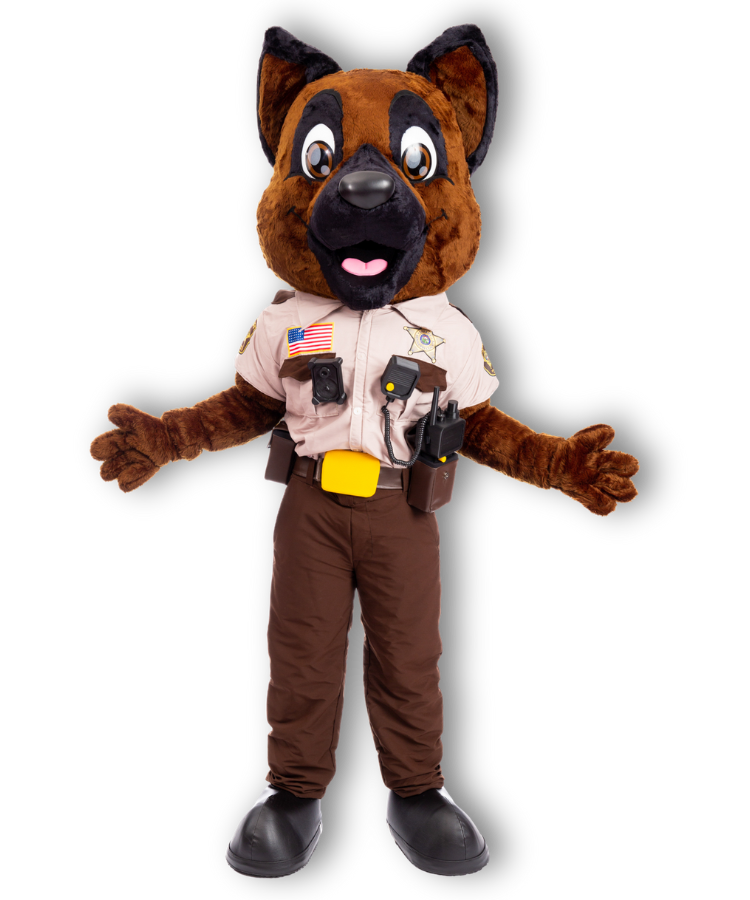
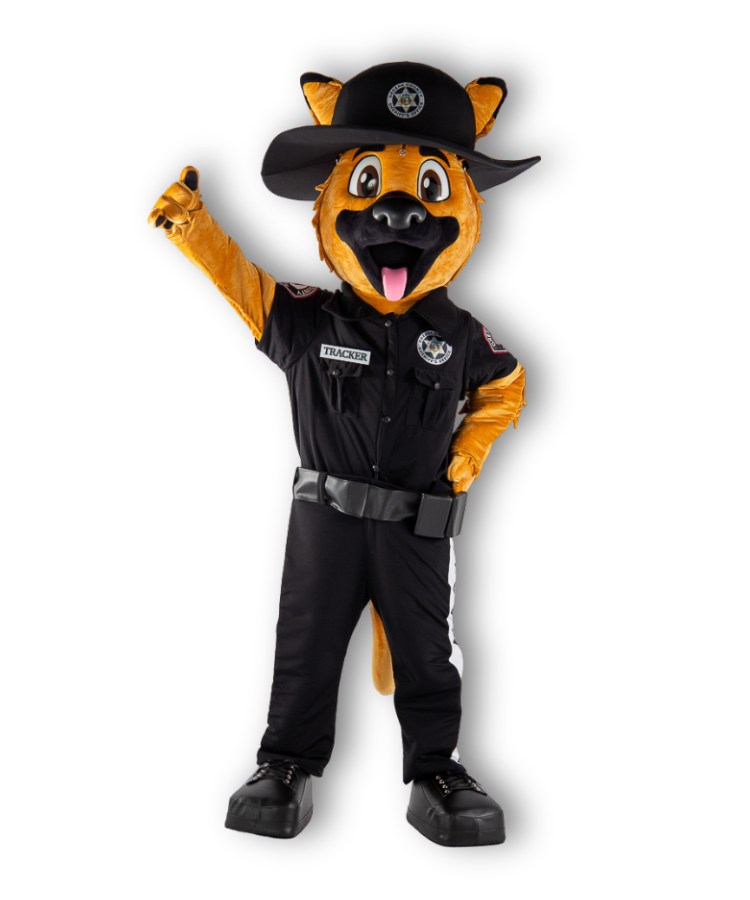
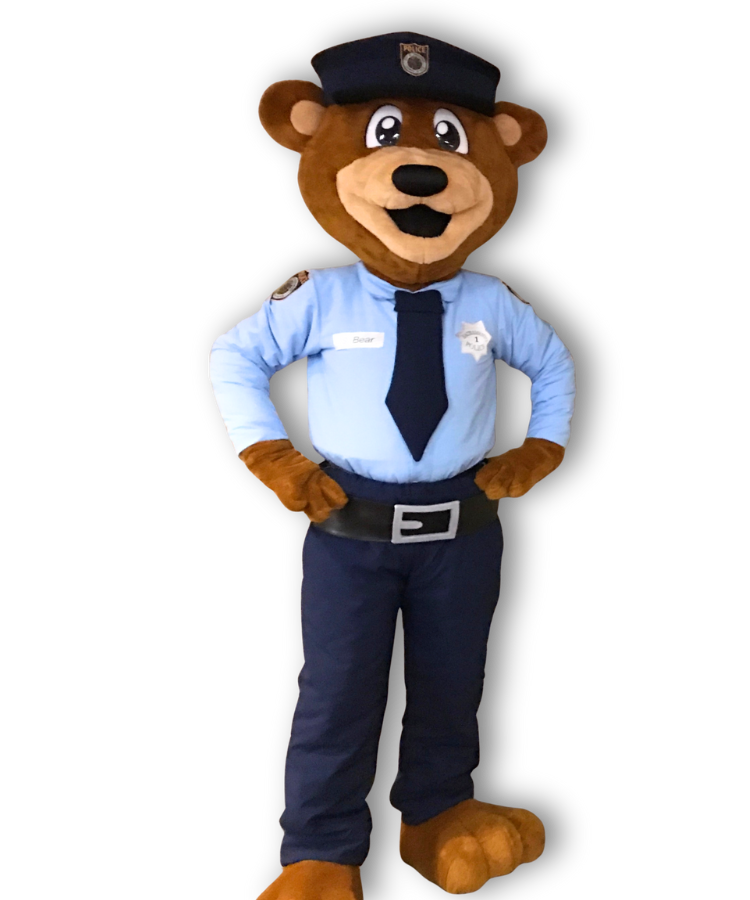
Typically, police mascots take the form of friendly animals, like bears, dogs, or eagles, often dressed in mini uniforms complete with badges, hats, or department logos. Police dogs are especially popular, symbolizing loyalty and protection while remaining relatable to young audiences. In some cases, mascots are inspired by local icons, regional wildlife, or cultural references to reflect the unique identity of a city or town.
Source: Santa Clara PD via instagram
The primary audience for police mascots includes children, youth, and families. These characters are often featured at school visits, parades, community fairs, and safety demonstrations, where they help bridge the gap between officers and the public. For children who may find uniformed officers intimidating, a cheerful mascot provides a welcoming introduction to law enforcement.
When designed with intention and built as a custom mascot costume, police mascots become more than promotional tools: they become recognizable community ambassadors who help humanize the badge and make meaningful connections.
How Police Departments Use Mascots
Community Engagement
One of the most effective uses of police mascots is building rapport with the community. These friendly characters serve as icebreakers at events like school visits, parades, open houses, and local fairs. For children, mascots offer a non-threatening introduction to law enforcement; for adults, they provide a light-hearted but memorable interaction that softens perceptions of authority. Read more about community engagement with Police Department Mascots here.
Public Education
Beyond smiles and selfies, police mascots are also effective educators. Departments use them to share crime prevention tips, safety guidelines, and public service announcements in a way that’s easy to understand, especially for kids. Visual storytelling, paired with entertaining performances or materials, helps messages stick.
A great example is the Brigdestone mascot, where the costume character helps children learn to look both ways before crossing. These mascots make serious messages engaging and digestible.
| Mascot Purpose | Primary Outcome |
|---|---|
| Community Engagement | Builds trust, breaks fear, encourages interaction |
| Public Education | Enhances message retention through visual learning |
| Brand Image & Perception | Improves public perception, increases relatability |
| Cultural Representation | Strenghtens local identity and cultural connection |

Source: Santa Clara PD via Facebook Posts (1) & (2)
Brand Image & Perception
Mascots also help shift the police station’s public image from an authoritative institution to an accessible community partner. Departments use them as part of their branding strategy to reinforce values like service, safety, and inclusivity in a friendly, nonverbal format.
In fact, police mascots have been referred to as a form of guerrilla marketing: low-cost, high-impact tools that leave a lasting impression, especially when shared on social media or featured in local press.
Cultural & Community Representation
Another powerful role of police mascots is representing local culture and identity. Some departments design mascots to align with regional symbols, festivals, or traditions. This makes the character feel not just friendly, but also familiar and locally relevant.
For instance, the Philippines is known for its B-mascots characters that reflect community spirit and celebrate regional diversity, helping law enforcement connect with specific cultural groups on a personal level.
Why Police Mascots Are So Effective
Humanizing the Police
One of the most important roles a custom mascot costume can play is helping to humanize law enforcement. For many children, and even adults, interacting with uniformed officers can feel intimidating. A mascot serves as a friendly, non-threatening extension of the police department, breaking down barriers and building trust.
By using approachable characters with smiling faces and playful gestures, mascots foster empathy and emotional connection. They make it easier for young people to see the police as allies, not authority figures to fear. Over time, this strengthens the foundation for healthier, more respectful relationships between communities and officers.

Strengthening Community Relations
Police mascots are powerful tools for increasing community interaction. Whether they’re at a school visit, block party, or cultural festival, mascots encourage people of all ages to engage, even those who might shy away from talking to an officer.
This makes mascots an essential part of diversified outreach strategies, especially in neighborhoods where police visibility has historically been minimal or strained. A well-designed mascot costume can open doors to conversation and connection where traditional outreach might fall short.
Enhancing Public Safety Campaigns
Mascots are also effective in public education and safety awareness. From promoting seatbelt use to teaching children how to safely cross the street, mascots turn important messages into memorable moments.
Research shows that people, especially children, retain information better when it’s presented visually and in a fun format. Compared to static signs or handouts, mascots are more engaging, more photogenic, and more likely to attract attention in crowded environments. This holds true not just for police mascots, but also for fire department mascots and other public safety figures.
Creating a Recognizable Public Image
A custom mascot costume acts as a department’s brand ambassador. Unlike logos or taglines, mascots are physical, mobile, and interactive which makes them ideal for media appearances, school assemblies, or local festivals.
Mascots become instantly recognizable, helping your police department establish a warm and consistent public presence. Photos of mascots giving high-fives or dancing at events get shared widely on social media, multiplying their reach and reinforcing your department’s commitment to community-first policing.
Want to Make Your Department More Approachable?
Police mascots are more than costumes: they’re ambassadors of trust, education, and community connection. In today’s world, where outreach and transparency are key, mascots help police stations build positive relationships in a fun, approachable way.
Whether you want to boost event engagement, teach safety, or improve public perception, a custom mascot costume is a cost-effective, high-impact tool.