
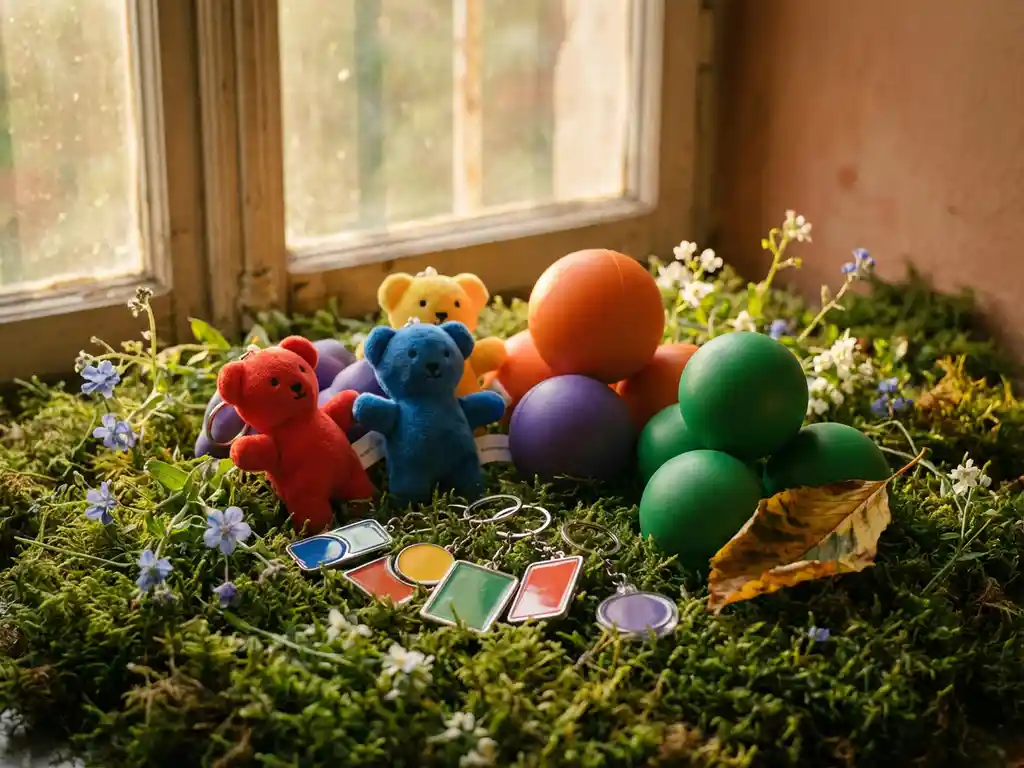
Promotional products are a staple of modern marketing, but as sustainability rises on the corporate agenda, more and more brand managers and marketing directors are asking a harder question: What is the real environmental impact of all this branded merchandise? From plastic pens handed out at trade shows to custom stress balls tucked into welcome kits, the choices companies make about promotional products carry genuine environmental consequences.
The good news is that awareness itself is a powerful starting point. Understanding where the harm actually comes from—and where smart decisions can make a real difference—allows organizations to retain the benefits of promotional merchandise while reducing their footprint. This article answers the most common questions directly, so you can make informed choices for your next campaign.
What materials in promotional products are most harmful to the environment?
The most environmentally harmful materials in promotional products are single-use plastics, virgin polyester, and low-grade synthetic foams that are not recyclable and break down into microplastics. Items made from these materials typically end up in landfills within months of being received, contributing to pollution without delivering lasting brand value.
Common offenders include cheap plastic pens, disposable water bottles, non-woven polypropylene tote bags, and low-quality keychains. These products are often manufactured with no end-of-life plan, meaning they are difficult to recycle and can persist in the environment for decades.
Beyond the material itself, the production process matters too. Items manufactured using toxic dyes, solvent-based inks, or energy-intensive processes in facilities without environmental controls carry a heavier footprint than their price tag suggests. When evaluating promotional merchandise, considering both the material and the production method provides a much clearer picture of the true environmental cost.
What are the most eco-friendly alternatives for promotional merchandise?
The most eco-friendly alternatives for promotional merchandise are products made from natural, recycled, or biodegradable materials that are designed to be used repeatedly over a long period. The longer an item stays in use, the more its production footprint is offset by the value and visibility it delivers.
Strong sustainable choices include:
- Organic cotton or recycled-fabric bags and apparel
- Bamboo or FSC-certified wood products such as notebooks and utensils
- Recycled PET drinkware and accessories
- Seed paper cards and packaging that can be planted after use
- Naturally derived or biodegradable materials for soft goods and plush items
The key principle behind eco-friendly promotional merchandise is utility. A product that gets used every day—like a quality reusable bag or a well-made branded item that sits on a desk for years—delivers ongoing brand impressions while spreading its environmental cost across a much longer lifespan. Sustainability and brand effectiveness are not opposites here; they reinforce each other.
How does product quality affect the environmental footprint of branded merchandise?
Higher product quality directly reduces the environmental footprint of branded merchandise because durable items last longer, get used more often, and are far less likely to be discarded quickly. A well-made promotional product that someone keeps for two or three years has a fundamentally lower impact per impression than a cheap item thrown away within weeks.
This is sometimes called the cost-per-use principle. A low-cost item that gets discarded after one use is actually more wasteful—both financially and environmentally—than a higher-quality item that earns a permanent place on someone’s desk or in their bag.
The hidden cost of cheap merchandise
Cheap promotional products often involve a double environmental penalty. First, they are typically made from lower-grade materials with less sustainable production standards. Second, because they break or disappoint quickly, they are replaced or discarded sooner, creating more waste overall.
For brands that care about sustainability, investing in quality is not just a brand decision; it is an environmental one. Products that are built to last, with precise construction and durable materials, reduce the cycle of produce-discard-replace that drives so much promotional merchandise waste.
How can companies reduce the environmental impact of their promotional products?
Companies can reduce the environmental impact of their promotional products by focusing on quality over quantity, choosing sustainable materials, working with responsible suppliers, and distributing merchandise intentionally rather than indiscriminately. Each of these steps reduces waste and increases the return on every item produced.
A practical approach involves the following steps:
- Audit your current merchandise mix and identify items with the shortest lifespan or lowest utility.
- Prioritize quality and durability over the lowest possible unit cost.
- Choose materials with environmental credentials, such as recycled content, organic certification, or biodegradability.
- Work with suppliers who have transparent production standards and can speak to their manufacturing practices.
- Distribute with intention by targeting the right recipients rather than producing large volumes that go unused.
- Design for longevity by creating products people genuinely want to keep and use.
Reducing quantity while increasing quality is often the single most impactful shift a company can make. Fewer, better products that people actually use create more brand impressions and less landfill waste at the same time.
Should companies stop using promotional products for sustainability reasons?
No, companies should not stop using promotional products for sustainability reasons. The problem is not promotional merchandise itself, but the production of low-quality, disposable items with no lasting utility. When done thoughtfully, branded merchandise remains one of the most cost-effective and tangible forms of marketing available.
Promotional products create physical, lasting connections between a brand and its audience. Unlike digital advertising that disappears the moment a campaign ends, a well-chosen branded item can deliver impressions for months or years. That ongoing visibility, combined with the goodwill generated by a genuinely useful gift, represents real marketing value.
The sustainable path forward is not elimination but transformation. Companies that shift their promotional strategy toward fewer, higher-quality, more thoughtfully designed products will find that sustainability and marketing effectiveness point in exactly the same direction. The goal is merchandise that recipients genuinely value, use consistently, and associate positively with the brand behind it.
How Promo Bears helps reduce the environmental impact of your promotional products
At Promo Bears, we believe that the best promotional product is one people never want to throw away. Our approach to custom merchandise is built on quality, craftsmanship, and designs that people genuinely connect with, which is precisely why our products tend to stay in circulation far longer than generic giveaways.
Our custom stress balls are a great example of this philosophy in action. Rather than offering standard shapes with a simple one-color print, we craft every piece to your design using durable, high-quality PU foam with precise color matching. The result is a product that genuinely represents your brand and earns a place on someone’s desk for years. Key features include:
- Fully custom shapes based on your own logo, mascot, or product concept
- PMS color matching for exact brand accuracy
- Durable PU foam construction built to last
- Free concept artwork with unlimited revisions before production begins
- A dedicated project manager guiding every step from design to delivery
Production takes 10 to 12 weeks after design approval, with rush options available. Every item we produce is designed to be kept, used, and remembered, which is the most sustainable outcome any promotional product can achieve.
Ready to create branded merchandise that lasts? Request a free quote and let our team help you design something worth keeping.