
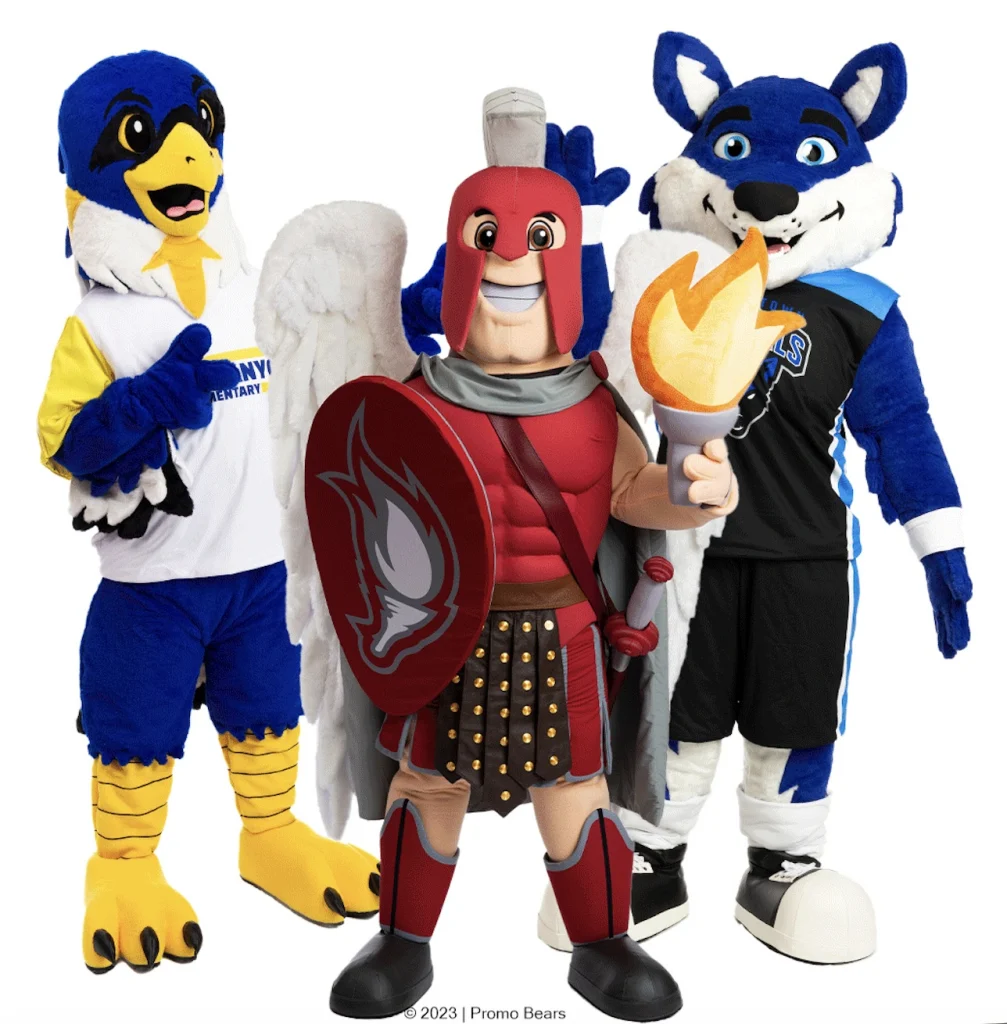
The Big 12 Conference currently has 16 member schools, each represented by a unique mascot that reflects the university’s identity, traditions, and community pride. From longhorns and wildcats to cowboys and bears, the lineup covers a wide range of characters that energize fans on game day and beyond. Below, we answer the most common questions about Big 12 mascots, their names, and what makes them so important to college culture.
Which schools are currently in the Big 12 Conference?
As of 2026, the Big 12 Conference includes 16 member universities: Arizona, Arizona State, Baylor, BYU, Cincinnati, Colorado, Houston, Iowa State, Kansas, Kansas State, Oklahoma State, TCU, Texas Tech, UCF, Utah, and West Virginia. The conference expanded significantly in recent years, adding schools from the Pac-12 and the American Athletic Conference to form one of the most competitive leagues in college sports.
The Big 12 spans a broad geographic footprint, stretching from the Mountain West to the Southeast. This diversity in location also means a wide variety of school cultures, traditions, and, of course, mascots. Each institution brings its own flavor to the conference, and the mascot is often the most visible symbol of that identity on and off the field.
What are all the Big 12 mascots and their names?
Each of the 16 Big 12 schools has its own mascot character, many of which have official names that fans know and love. Here is the full list of Big 12 mascots and their names:
- Arizona Wildcats — Wilbur and Wilma Wildcat
- Arizona State Sun Devils — Sparky the Sun Devil
- Baylor Bears — Bruiser and Bella (live bears), plus a costumed mascot
- BYU Cougars — Cosmo the Cougar
- Cincinnati Bearcats — The Bearcat
- Colorado Buffaloes — Chip (live buffalo) and a costumed mascot
- Houston Cougars — Shasta the Cougar
- Iowa State Cyclones — Cy the Cardinal
- Kansas Jayhawks — Big Jay and Baby Jay
- Kansas State Wildcats — Willie the Wildcat
- Oklahoma State Cowboys — Pistol Pete
- TCU Horned Frogs — SuperFrog
- Texas Tech Red Raiders — Raider Red and the Masked Rider
- UCF Knights — Knightro
- Utah Utes — Swoop
- West Virginia Mountaineers — The Mountaineer
Several of these mascots have become iconic figures in college sports, instantly recognizable to fans across the country. Names like Cosmo, Pistol Pete, and SuperFrog carry decades of tradition behind them, and the costumed characters that represent these names are central to the game-day atmosphere at every Big 12 school.
Which Big 12 mascots are live animals?
Two Big 12 schools use live animals as official mascots. Baylor University is home to live bears named Judge and Joy, who are cared for at the Baylor Bear Habitat on campus. The University of Colorado features Chip, a live American buffalo who runs onto the field at home games, led by handlers from the Ralphie Program.
Live animal mascots create unforgettable moments, but they also come with significant responsibilities around animal care, safety, and logistics. For most game-day appearances, parades, community events, and campus activities, schools rely on costumed mascot characters who can interact freely with fans, travel to away games, and represent the school in a wide range of settings where a live animal simply cannot go.
What is the most famous Big 12 mascot?
Pistol Pete of Oklahoma State University is widely considered one of the most recognizable and celebrated mascots in the Big 12 Conference. The character, based on the legendary rodeo performer Frank Eaton, has a bold, distinctive look that sets him apart from the more common animal-based mascots found across college sports. His image is instantly associated with the Cowboys brand.
Other strong contenders for the title of most famous Big 12 mascot include Big Jay of Kansas, who represents one of college sports’ most unique and beloved characters, and Cosmo the Cougar of BYU, who is consistently ranked among the top mascots in the country by national sports publications. SuperFrog of TCU also draws frequent recognition for his energetic performances and creative costume design.
What these mascots share is a combination of strong visual identity, consistent performance, and a deep connection to their school communities. The best mascots are not just costumes; they are characters with personalities that fans genuinely connect with year after year.
How do Big 12 schools design their mascot costumes?
Big 12 schools design their mascot costumes through a collaborative process that involves the university’s athletics department, brand guidelines, and experienced mascot costume producers. The goal is to create a costume that is visually striking, durable enough for frequent use, comfortable for the performer wearing it, and accurate to the school’s official mascot character.
The design process typically follows these key stages:
- Concept development: The school defines the mascot’s look, referencing logos, brand colors, and any official character guidelines. Many schools work with a mascot production partner to develop detailed concept illustrations before any physical production begins.
- Design review and revision: The concept illustration is refined through rounds of feedback until the design perfectly captures the intended character. Schools with detailed brand standards may go through multiple revisions to get the proportions, colors, and features exactly right.
- Production: Once the design is approved, the costume is built by skilled craftspeople using materials chosen for durability, breathability, and appearance. Features like 3D realistic eyes and built-in ventilation systems are standard in professional mascot costumes, making them more lifelike and more comfortable for performers during long game-day appearances.
- Quality control and delivery: Before shipping, the finished costume goes through a thorough quality check to confirm it meets the approved design and performance standards.
Professional mascot costume production typically takes 12 to 16 weeks from design approval to delivery, so schools planning for a new season or a mascot refresh need to plan well in advance. Custom mascot costumes built to this standard are investments that last for years of consistent, high-energy use.
Why do college mascots matter for school identity and fan engagement?
College mascots matter because they give fans a living, visible symbol to rally around. A mascot translates a school’s values, history, and competitive spirit into a character that fans of all ages can connect with emotionally. At a Big 12 game, the mascot is often the most photographed figure on the sideline and the first character that young fans want to meet.
Beyond game day, mascots serve as brand ambassadors for the entire university. They appear at alumni events, community outreach programs, fundraising campaigns, and school recruitment fairs. A strong mascot character builds loyalty that extends well beyond the final score of any single game.
From a brand perspective, mascots also drive merchandise sales. Fans buy jerseys, plush toys, keychains, and other items featuring their favorite mascot character, turning that emotional connection into tangible support for the school’s athletic programs. The strongest college mascots become cultural icons that represent not just a sports team, but an entire community.
How Promo Bears helps Big 12 schools and brands bring mascots to life
Whether you represent a university athletics department, a corporate brand, or any organization that wants to build the kind of fan connection that Big 12 schools have mastered, we at Promo Bears are here to help. With over 19 years of experience and more than 4,000 custom mascots created for clients across North America and beyond, we know exactly what it takes to design and produce a mascot that performs as well as it looks.
Here is what we bring to every project:
- A free concept illustration based on your logo or design idea, with unlimited revisions until you are fully satisfied
- Professional mascot costumes featuring 3D realistic eyes, built-in ventilation, and exceptional comfort for performers
- A dedicated project manager who oversees every step from design to delivery
- Custom mascot merchandise including plush toys, stress balls (produced in 10 to 12 weeks), keychains, stickers, and more to extend your mascot’s reach beyond game day
- Giant mascot inflatables ready in 3 to 4 weeks, perfect for stadium entrances and high-impact event moments
Your mascot is one of the most powerful tools your brand has. Let us help you make it unforgettable. Get your free quote today and take the first step toward a mascot that truly represents who you are.
Frequently Asked Questions
How do I get started if I want to commission a custom mascot costume for my school or organization?
The best first step is to request a free concept illustration from a professional mascot producer like Promo Bears. Come prepared with your logo, brand colors, and any specific character traits or features you want the mascot to have. From there, a dedicated project manager will guide you through the design and revision process before any production begins, making the entire journey straightforward even if you have never commissioned a mascot before.
How long does a professional mascot costume typically last, and how should it be maintained?
A high-quality professional mascot costume built with durable materials can last anywhere from 5 to 10 years with proper care, making it a worthwhile long-term investment. Regular maintenance includes spot cleaning after each use, deep cleaning between seasons, and storing the costume in a cool, dry environment away from direct sunlight to prevent color fading. Many schools keep a backup or secondary costume to rotate use and extend the life of their primary character.
Can a mascot costume be updated or refreshed without starting completely from scratch?
Yes, many schools and organizations choose to refresh an existing mascot rather than replace it entirely, which is a cost-effective way to modernize the character while preserving the tradition fans already love. Common updates include repainting or replacing worn components, adjusting proportions to match an updated logo, or adding new features like improved ventilation or upgraded eyes. Working with an experienced mascot producer ensures the refresh stays true to the original character while bringing it up to current quality standards.
What makes a mascot performer effective, and does the costume design affect their performance?
A great mascot performer brings energy, physical expressiveness, and crowd awareness to the role, since the costume limits verbal communication and requires the performer to connect with fans entirely through movement and body language. Costume design directly impacts performance quality — features like built-in ventilation systems, lightweight materials, and clear sightlines allow the performer to stay active and comfortable for longer periods without fatigue. Schools that invest in well-engineered costumes consistently get better on-field performances from their mascot teams.
Are there any rules or guidelines governing how Big 12 mascots can be used or represented?
Yes, each Big 12 university has its own brand and trademark guidelines that govern how the mascot character can be depicted, reproduced, and used in commercial or promotional contexts. These guidelines typically cover approved color palettes, logo usage, costume design standards, and licensing requirements for merchandise. Any organization looking to use a Big 12 mascot image for commercial purposes should contact the university’s licensing office directly to ensure full compliance.
Besides game days, what are the most effective ways schools use mascots to build community engagement?
Beyond athletics, mascots are powerful tools for school recruitment events, alumni fundraising campaigns, community outreach programs, and social media content that humanizes the brand and drives organic engagement. Many schools send their mascot to local elementary schools, children’s hospitals, and charity events to build goodwill and strengthen the emotional bond between the university and the surrounding community. Mascot merchandise like plush toys, keychains, and stickers also extends that engagement into everyday life, keeping the character visible far beyond the stadium.
Can smaller schools or non-university organizations achieve the same level of mascot impact as Big 12 programs?
Absolutely — the principles that make Big 12 mascots effective, namely a strong visual identity, consistent character personality, and genuine fan interaction, apply equally to high schools, minor league teams, corporate brands, and community organizations. The key is investing in a professionally designed and produced costume that looks polished and performs reliably, rather than settling for a generic or low-quality alternative that undermines the character’s credibility. With the right mascot partner, any organization can build the kind of emotional connection that turns casual supporters into loyal, long-term fans.
Related Articles
- What should you look for in a vendor to create a child-friendly brand image?
- Should a sports club rebrand its mascot to strengthen club identity?
- How do marketing managers justify ROI on brand recognition campaigns?
- How do companies improve brand recognition at live events?
- Can a mascot costume improve customer engagement with young audiences?