
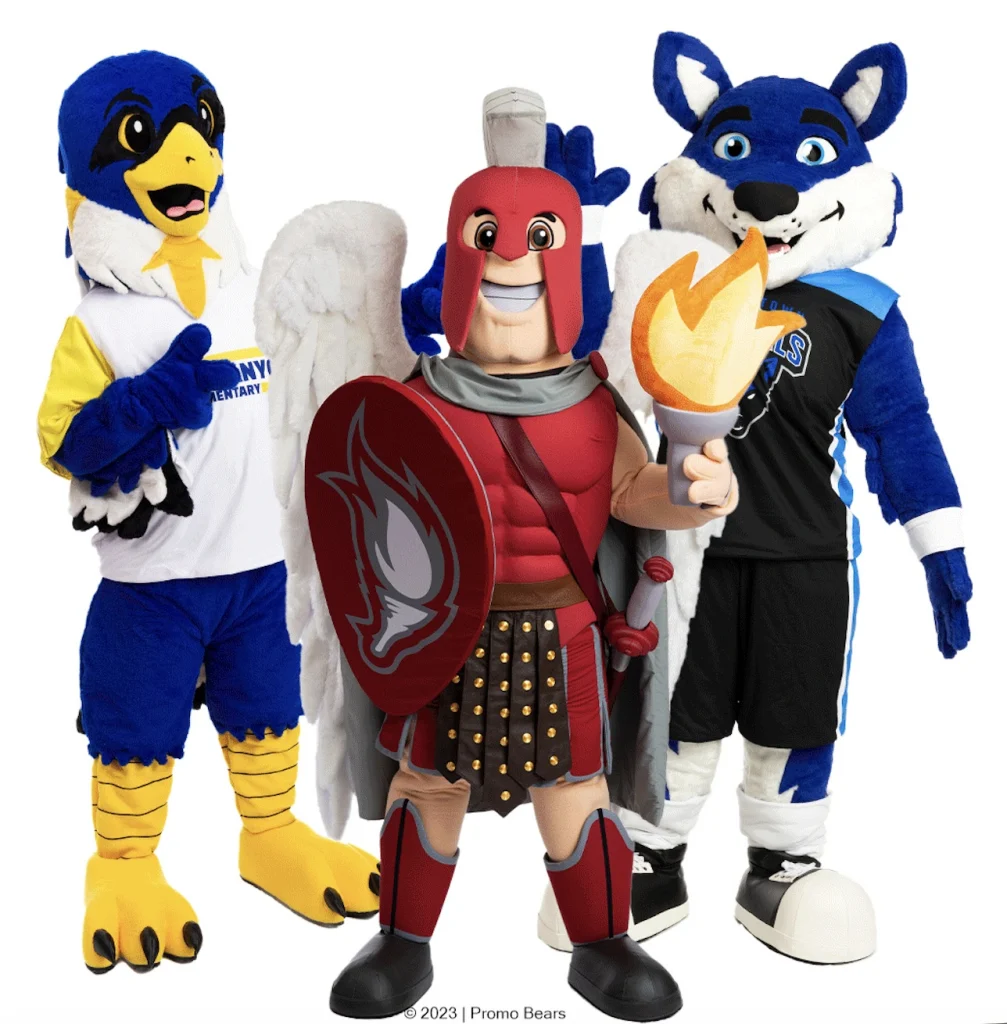
Your mascot should reflect your brand’s core personality, the audience you want to connect with, and the emotion you want to evoke. The most effective mascots are not random choices — they are deliberate, strategic decisions that turn a visual concept into a lasting brand asset. Below, we answer the most common questions marketers and brand directors ask when choosing a mascot design from scratch.
How do you choose a mascot that fits your brand?
Choose a mascot that fits your brand by starting with your brand’s personality and values, then asking what kind of character would naturally embody those traits. A mascot works best when it feels like a visual extension of who you are — not a decoration added as an afterthought. Think about the emotions you want to trigger and the audience you want to attract.
Start by listing three to five words that define your brand. Words like bold, playful, trustworthy, innovative, or community-driven each point toward a different type of mascot. A brand built around community might lean toward a warm, approachable character, while an energy-focused brand might want something dynamic and high-impact.
Also consider where your mascot will live. Will it appear at live events, on merchandise, in digital campaigns, or across all three? A mascot used primarily in a stadium environment needs a strong visual presence from a distance. One used mainly on packaging or social media can afford more detail and nuance. Thinking about context early saves significant design time later.
What types of mascots work best for different industries?
Different industries benefit from different mascot types based on their audience’s expectations and the emotional tone of the brand. Sports teams typically thrive with fierce or energetic animal characters, while retail and food brands often succeed with friendly, approachable figures. Educational institutions tend to favor characters that feel trustworthy and spirited at the same time.
Here is a quick breakdown by sector:
- Sports and entertainment: Bold, powerful animals or heroic characters that convey strength and excitement
- Retail and consumer brands: Friendly, relatable characters that feel warm and inviting to a broad audience
- Food and beverage: Playful, often food-inspired characters that make the product feel fun and memorable
- Education and nonprofits: Approachable, community-oriented figures that inspire trust and belonging
- Corporate and B2B: Polished characters that balance professionalism with personality, often tied to the brand’s logo or values
- Healthcare and wellness: Calm, reassuring figures that convey care without being clinical or cold
The key insight is that your industry sets audience expectations, but your mascot is an opportunity to either meet those expectations or strategically subvert them. A financial brand that uses a surprisingly playful mascot can stand out sharply in a sea of formal competitors — as long as the choice is intentional and consistent with the brand voice.
Should your mascot be an animal, a person, or a character?
The right choice between an animal, a human figure, or an original character depends on your brand’s identity and the relationship you want to build with your audience. Animals are the most universally used mascot type because they carry built-in personality traits. Human figures feel relatable but can limit cultural reach. Original characters offer the most creative freedom and long-term brand ownership.
Animals
Animals are popular because they instantly communicate personality without needing explanation. A bear signals strength and warmth. A fox suggests cleverness. A lion projects leadership. The challenge is that many brands default to the same animals, so the design execution becomes the true differentiator. A well-designed, distinctive animal mascot can be iconic. A generic one disappears into the crowd.
Human figures
Human mascots work well when the brand wants to feel personal and relatable. They are common in service industries, sports, and education. The risk is that a human character can unintentionally carry cultural or demographic assumptions that limit appeal. When done thoughtfully, though, a human mascot can become a powerful brand spokesperson.
Original characters
Invented creatures or stylized characters give brands complete creative ownership and maximum flexibility. They do not carry pre-existing associations, which means the brand gets to define every aspect of the character’s personality from the ground up. This path requires a stronger design investment upfront, but it often produces the most distinctive and protectable mascot identities in the long run.
What makes a mascot design memorable and effective?
A memorable mascot design combines a strong silhouette, a clear personality, and visual consistency across every format it appears in. The best mascot designs are instantly recognizable at a glance — even without color or text. Effectiveness comes from emotional connection: the mascot must make people feel something, whether that is excitement, warmth, trust, or delight.
Several design principles separate forgettable mascots from iconic ones:
- Distinctive silhouette: If the mascot’s shape is unrecognizable without color or detail, the design needs more work. Strong outlines create instant recognition.
- Expressive face: Eyes and expression carry the most emotional weight. A mascot with lifelike, expressive eyes creates a genuine connection with audiences.
- Consistent personality: Every design decision, from posture to color to facial expression, should reinforce the same personality trait. Inconsistency creates confusion.
- Scalability: A great mascot works at every size, from a giant inflatable at a stadium entrance to a small icon on a keychain or sticker.
- Color alignment: The mascot’s color palette should connect clearly to the brand’s existing visual identity without being a carbon copy of the logo.
Longevity also matters. A mascot tied too tightly to a trend will feel dated quickly. The strongest mascot designs are built around timeless character traits rather than current aesthetics.
How do you turn a mascot idea into a finished design?
Turning a mascot idea into a finished design follows a clear process: start with a written brief that captures the character’s personality and purpose, move into concept illustration, refine through revisions, and then produce the final assets across all required formats. The most important step is getting the concept illustration right before committing to production of any kind.
A strong brief answers these questions before the first sketch is drawn: What personality should the mascot project? What is the primary use case — live events, merchandise, digital, or all three? What colors and visual style align with the existing brand? Are there any characters or references that capture the right feeling?
From there, an experienced mascot design team translates the brief into a visual concept. Revisions are a natural and important part of this stage — the goal is to arrive at a design that feels completely right before any physical production begins. Rushing this phase is the most common and costly mistake brands make.
Once the design is approved, it can be adapted into a wide range of formats: a full mascot costume for live appearances, plush toys and keychains for merchandise, stickers and inflatables for events, and digital assets for campaigns. The mascot concept becomes the foundation for an entire brand experience ecosystem.
How Promo Bears helps you bring your mascot design to life
We specialize in turning mascot ideas into finished, professional brand assets — from the first concept sketch all the way through to production and delivery. Whether you are starting with a rough idea or a detailed brief, our team of mascot experts with over 19 years of experience will guide you through the entire process.
Here is what working with us looks like in practice:
- Free concept illustration based on your logo or design idea, with unlimited revisions until the design is exactly right
- Custom mascot costumes ready in 12 to 16 weeks, featuring 3D realistic eyes, a built-in ventilation system, and exceptional wearing comfort
- Mascot merchandise including plush toys, stress balls (produced in 10 to 12 weeks), keychains, stickers, and more to extend your mascot across every touchpoint
- Giant mascot inflatables ready in 3 to 4 weeks for high-impact event presence
- A dedicated project manager who oversees every step from design approval through quality control and final delivery
We have created over 4,000 mascots for organizations across the United States, Canada, and beyond — including globally recognized brands and institutions that demand the highest production standards. Every project starts with zero upfront commitment and a free concept illustration, so you can see exactly what your mascot will look like before anything goes into production.
Ready to bring your mascot to life? Get your free quote and concept illustration today and take the first step toward a mascot that truly represents your brand.
Frequently Asked Questions
How much does it typically cost to design a custom mascot from scratch?
Mascot design costs vary widely depending on the complexity of the character, the number of revision rounds, and the formats required for final delivery. A professional custom mascot design — including concept illustration, refinements, and production-ready files — can range from a few hundred dollars for digital-only assets to several thousand for a full mascot costume with merchandise extensions. The best approach is to start with a free concept illustration (as Promo Bears offers) so you can evaluate the design before committing to any production budget.
How do I know if my mascot idea is too similar to an existing brand's character?
Before finalizing any mascot design, it is worth conducting a trademark search through the USPTO database (in the U.S.) or your country’s equivalent intellectual property office to check for registered similar characters in your industry category. A professional mascot design team will typically flag obvious similarities during the concept phase, but the legal responsibility ultimately rests with the brand. Opting for a fully original character — rather than a variation of a common animal or archetype — significantly reduces the risk of unintentional overlap and strengthens your long-term brand ownership.
What are the most common mistakes brands make when designing a mascot?
The most common mistake is rushing the design phase and moving into production before the concept is fully resolved — changes become far more expensive once a costume or merchandise line is already in production. Other frequent pitfalls include designing a mascot that reflects the founder’s personal taste rather than the target audience’s preferences, choosing a character that looks great in one format but fails to scale across merchandise, digital, and live event contexts, and following design trends that will feel dated within a few years. Investing time in a thorough creative brief and multiple revision rounds upfront prevents the majority of these issues.
Can an existing logo be turned into a mascot, or does a mascot need to be designed separately?
An existing logo can absolutely serve as the foundation for a mascot — in fact, this approach often produces the most cohesive brand identity because the mascot and logo feel like natural extensions of each other. The process typically involves taking the core visual elements or personality of the logo and translating them into a three-dimensional, expressive character with its own posture, facial expression, and range of poses. The mascot does not need to be a literal replica of the logo; instead, it should feel like the logo came to life. Promo Bears specifically offers free concept illustrations based on your existing logo as a starting point.
How many design variations or poses should a finished mascot have?
At minimum, a production-ready mascot should include a primary pose (typically a forward-facing, neutral stance), at least two to three action or expression variants, and a simplified icon version for use at small sizes such as app icons, pins, or social media profile images. For brands planning active mascot use across events, merchandise, and digital campaigns, a broader pose library of six to ten variations gives the creative team much more flexibility. Planning for these variations during the initial design phase — rather than commissioning them individually later — is significantly more cost-efficient.
How long does the full mascot design and production process take from start to finish?
The timeline depends on the scope of the project, but a typical full-service mascot project — from initial brief through concept illustration, revisions, costume production, and delivery — runs approximately 14 to 20 weeks. The concept and revision phase usually takes one to three weeks depending on feedback turnaround, while custom mascot costumes take 12 to 16 weeks in production and mascot merchandise like plush toys and stress balls takes 10 to 12 weeks. If you have a specific event deadline, it is critical to start the design process as early as possible and communicate that date to your design team upfront so the production schedule can be planned accordingly.
Can a mascot be updated or refreshed later without losing brand recognition?
Yes — mascots can and often should be refreshed over time to stay visually current, but the key is evolving the character gradually rather than replacing it entirely. Successful mascot refreshes preserve the core silhouette, color palette, and personality traits that audiences already associate with the brand, while modernizing details like line weight, shading style, or proportions. Drastic redesigns that change the fundamental look of a well-established mascot risk erasing years of built-up brand equity, so any update should be tested with your core audience before a full rollout.