
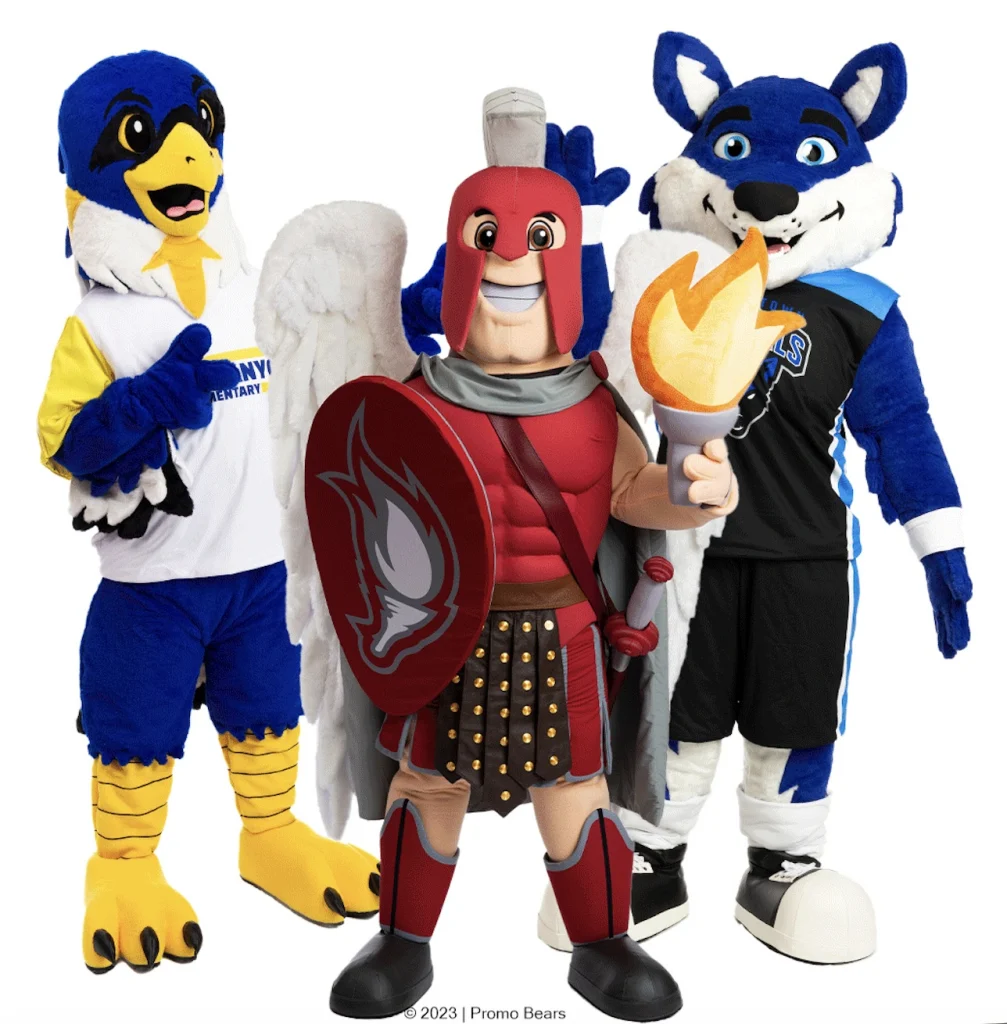
In 2026, the hottest trends in marketing combine digital reach with physical presence. Brands that stand out are investing in experiential activations, tangible promotional products, and immersive brand moments that create genuine emotional connections with their audiences. For marketing managers and brand directors, the smartest strategy right now blends both worlds to drive measurable engagement and lasting brand recognition.
Below, we break down the most important questions marketers are asking this year and give you clear, actionable answers to each one.
Which marketing channels are growing the fastest right now?
The fastest-growing marketing channels in 2026 are short-form video, influencer partnerships, and live experiential events. Brands are also seeing strong growth from branded physical merchandise that travels with consumers into the real world. The common thread across all of these is emotional resonance — audiences engage most deeply when they feel something, not just see something.
Short-form video platforms continue to dominate digital attention, particularly for reaching younger demographics. But what is interesting is how brands are pairing digital campaigns with physical touchpoints to reinforce the message. A product launch that lives only online is easy to scroll past. A branded activation at an event, supported by shareable merchandise, creates a memory that sticks long after the screen is closed.
Influencer marketing has also matured significantly. Brands are moving away from mass reach and toward micro-influencers with highly engaged niche communities. These partnerships feel more authentic and tend to generate stronger word-of-mouth results, especially when the influencer receives a genuinely impressive physical product to showcase.
What is experiential marketing and why is it trending?
Experiential marketing is a strategy that brings a brand to life through direct, immersive consumer experiences rather than passive advertising. It is trending because modern audiences, particularly in the American and Canadian markets, have grown skeptical of traditional ads and respond far more strongly to experiences they can participate in, share, and remember.
Think of a brand activation at a sports event, a pop-up experience at a shopping mall, or a mascot character greeting fans at a community festival. These moments create genuine emotional connections that no banner ad can replicate. They also generate organic social sharing, which extends reach far beyond the event itself.
The rise of experiential marketing reflects a broader shift in how people define brand value. Consumers and B2B clients alike are increasingly loyal to brands that make them feel something. When a brand shows up in the real world with creativity, personality, and quality, it signals confidence and authenticity. That is a powerful competitive advantage.
How are brands using physical promotional products in 2025?
Brands are using physical promotional products in 2026 as strategic brand touchpoints rather than throwaway giveaways. The most effective organizations treat merchandise as an extension of their brand identity, investing in custom-designed items that people actually want to keep, use, and show off. This approach turns everyday products into ongoing brand impressions.
Some of the most impactful uses include:
- Custom mascot costumes and inflatables at live events to create memorable, photogenic moments
- Branded plush toys and stress balls distributed at trade shows to keep the brand top of mind long after the event
- Enamel pins, keychains, and stickers used as collectibles to build community and loyalty
- Mascot stickers and temporary tattoos given to children at family-friendly events, turning kids into enthusiastic brand ambassadors
- Giant inflatable arches and player tunnels used at sports events to create high-impact visual brand moments
The key shift is from generic to custom. Brands that invest in products designed around their specific identity and audience get dramatically better results than those ordering off-the-shelf items with a logo slapped on. Custom shapes, precise color matching, and thoughtful design all signal quality and build trust with the recipient.
What’s the difference between digital marketing and physical brand activations?
Digital marketing reaches audiences through screens, algorithms, and data, while physical brand activations engage people in the real world through sensory, in-person experiences. The key difference is depth of impression. Digital marketing is excellent for reach and targeting, but physical activations create stronger emotional memories and generate the kind of authentic social content that digital campaigns struggle to produce on their own.
Digital marketing advantages include scalability, precise audience targeting, real-time performance data, and relatively low cost per impression. It is ideal for awareness campaigns, retargeting, and driving traffic to a destination.
Physical brand activations, on the other hand, create moments. A well-executed event with a custom mascot, branded merchandise, and an engaging setup gives attendees something to talk about, photograph, and share. That organic amplification can outperform paid digital campaigns in terms of genuine engagement and brand affinity.
The smartest brands do not choose between the two. They design physical activations that are built to be shared digitally, creating a loop where the real-world experience feeds the online conversation and vice versa. This integrated approach consistently delivers the strongest return on brand investment.
How can companies measure ROI on brand experience campaigns?
Companies can measure ROI on brand experience campaigns by tracking a combination of direct and indirect metrics, including social media reach generated by the event, lead volume captured on-site, brand recall in post-event surveys, and longer-term sales lift attributed to the campaign period. No single metric tells the full story, so a multi-point measurement framework is essential.
Here is a practical approach to measuring brand experience ROI:
- Set clear objectives before the campaign: Define whether the goal is awareness, lead generation, customer retention, or direct sales. Each goal requires different metrics.
- Track social amplification: Monitor hashtag usage, tagged posts, and earned media generated by attendees sharing their experience online.
- Capture leads at the activation: Use sign-ups, QR codes, or competitions to build a measurable contact list from the event.
- Survey attendees: Short post-event surveys measuring brand recall, sentiment, and purchase intent give qualitative data that complements the numbers.
- Attribute sales lift: Compare sales performance in the weeks following an activation against a comparable baseline period to identify uplift driven by the campaign.
One often-overlooked metric is merchandise reach. When branded products like custom keychains, plush toys, or stress balls leave the event in people’s hands, they continue generating impressions for months. That extended visibility is real value that rarely appears in a standard campaign report but absolutely contributes to brand recognition over time.
What should brands look for in a promotional products partner?
Brands should look for a promotional products partner that offers end-to-end service, transparent pricing, proven creative capability, and consistent quality across multiple product types. The ability to handle everything from concept through to delivery under one roof is especially important for marketing teams managing tight timelines and multiple campaign needs simultaneously.
Specifically, look for these qualities when evaluating a partner:
- A free concept illustration or design proposal before any financial commitment
- Fixed quotes based on your specific design rather than vague estimates
- A dedicated project manager who owns your project from start to finish
- Demonstrated experience with clients of similar scale and standards
- The ability to produce a wide range of products so you are not managing five different vendors
- Clear production timelines so you can plan campaigns with confidence
Reliability matters as much as creativity. A partner who delivers stunning designs but misses deadlines or delivers inconsistent quality creates serious problems for brand teams. Ask for references, review their portfolio, and pay attention to how responsive they are during the initial inquiry process. That responsiveness is a reliable signal of how they will behave once you are a client.
How Promo Bears helps with hot marketing trends
We specialize in exactly the kind of physical brand activations and promotional products that are driving results for brands in 2026. From custom mascot costumes that create unforgettable event moments to branded stress balls, plush toys, and giant inflatables, we offer a complete range of products designed around your brand identity rather than off-the-shelf templates.
Here is what working with us looks like:
- You receive a free concept illustration based on your logo or design idea, with unlimited revisions and zero upfront commitment
- A dedicated project manager guides your project from design approval through to delivery
- Custom stress balls are produced in 10 to 12 weeks with precise PMS color matching and fully custom shapes
- Custom mascot costumes are ready in 12 to 16 weeks, complete with 3D realistic eyes, a built-in ventilation system, and a thorough quality control review before shipping
- Giant mascot inflatables are ready in just 3 to 4 weeks, making them a fast and high-impact option for upcoming events
- Every product is built around your exclusive design, ensuring your brand stands out rather than blending in
Whether you are planning a major event activation, a trade show presence, or a campaign that needs branded merchandise with real stopping power, we are ready to help you bring it to life. Get a free quote and start your project today.
Frequently Asked Questions
How far in advance should we start planning a brand activation or experiential marketing campaign?
For most brand activations, a planning window of 3 to 6 months is ideal. Custom physical products like mascot costumes require 12 to 16 weeks of production time alone, so factoring in design approvals, logistics, and event coordination means starting early is critical. For smaller activations using inflatables or standard promotional merchandise, a 6 to 8 week runway is the minimum you should work with to avoid rushed decisions that compromise quality.
What budget should we allocate for physical brand activations as part of our overall marketing spend?
Industry benchmarks suggest allocating 10 to 20 percent of your total marketing budget to experiential and physical brand activations, though this varies significantly by industry and campaign goals. The key is to think in terms of cost-per-impression over time rather than upfront spend — a well-made custom mascot costume or set of branded merchandise continues generating impressions for years, making the cost-per-touch far lower than most digital campaigns. Start with a single high-impact activation, measure the results carefully, and scale from there.
Can small or mid-sized businesses benefit from experiential marketing, or is it only practical for large brands?
Experiential marketing is absolutely viable for small and mid-sized businesses — in fact, it can be a powerful equalizer. A well-designed mascot character or a striking branded inflatable at a local community event can create the same emotional impact for a regional brand as a national campaign does for a Fortune 500 company. The key is to match the scale of the activation to your audience and goals rather than trying to replicate what large brands do; a memorable, targeted local experience often outperforms a diluted large-scale effort.
What are the most common mistakes brands make with promotional merchandise?
The biggest mistake is treating promotional products as an afterthought — ordering generic, low-quality items at the last minute simply to have something to hand out. This approach wastes budget and can actually damage brand perception if the product feels cheap or off-brand. Other common mistakes include choosing products that don’t align with the audience’s lifestyle, skipping custom design in favor of a simple logo placement, and failing to track how merchandise performs as a brand touchpoint after the event.
How do we make our branded merchandise and event activations more shareable on social media?
Design for the photo opportunity from the very beginning. Custom mascot characters, oversized inflatables, and visually striking branded items are inherently photogenic and give attendees a natural reason to pull out their phones. Pair these with a dedicated event hashtag, a simple social sharing prompt, or a small incentive for tagging your brand, and you significantly increase organic amplification. The rule of thumb is: if it wouldn’t make someone stop and take a picture, it probably won’t generate meaningful social sharing.
How do we maintain brand consistency across both digital campaigns and physical promotional products?
Brand consistency across channels starts with a clearly documented brand guide that includes exact PMS color codes, approved logo variations, typography standards, and tone-of-voice guidelines. When briefing a promotional products partner, always provide these specifications rather than relying on approximate descriptions — precise PMS color matching, for example, ensures your physical merchandise looks identical to your digital assets. Working with a single partner who can produce multiple product types also reduces the risk of inconsistency that comes from managing several vendors simultaneously.
What types of events generate the strongest ROI for physical brand activations?
Events with high foot traffic, strong audience-brand alignment, and built-in social sharing behavior consistently deliver the best ROI for physical activations. Sports events, trade shows, community festivals, product launch parties, and college campus events are among the top performers because attendees are already in an engaged, receptive mindset. The strongest results come when the activation is designed specifically for that audience — a mascot character or branded giveaway that feels native to the event context will always outperform a generic setup that could belong to any brand.