Picking a shape sounds like the easy part of any custom plush project, until you’re actually staring at a blank brief wondering whether your brand should become a bear, a blob, or something nobody’s ever seen before. The shape you choose shapes everything downstream: how the toy is made, how much it costs, how recognisable it becomes, and how long people keep it on their shelf. This guide walks through how a good plush toy manufacturer approaches shape selection, and what businesses should weigh before deciding whether to design something bespoke or simply buy a stuffed animal from an existing template.
Why the Shape of Your Custom Mascot Matters More Than You Think
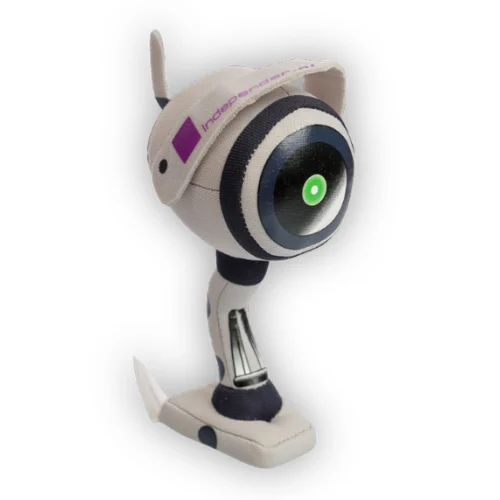
A plush toy is rarely just “cute.” For most businesses, it’s a wearable, huggable extension of the brand, handed out at trade shows, sold in gift shops, or used as a recruitment giveaway. The shape is the first thing anyone notices, long before they read a logo or a tagline. A generic teddy bear blends into a table full of other giveaways. A shape that echoes your mascot, your product, or your industry gets picked up, photographed, and remembered.
This is why shape selection deserves its own conversation early in the design process, not as an afterthought once colours and fabrics are already locked in. Independent research on promotional merchandise found that the large majority of recipients can correctly recall a brand shown on a promotional item when prompted, and that many keep such items well beyond a year [1]. That kind of recall is exactly what a good plush toy manufacturer should be designing toward: a shape memorable enough to earn its place on a shelf long after the event ends. Our Ultimate Guide to Custom Plush Toys covers the full journey from concept to delivery. This article focuses specifically on the shape decision, since it’s the one choice that influences almost every other one that follows.
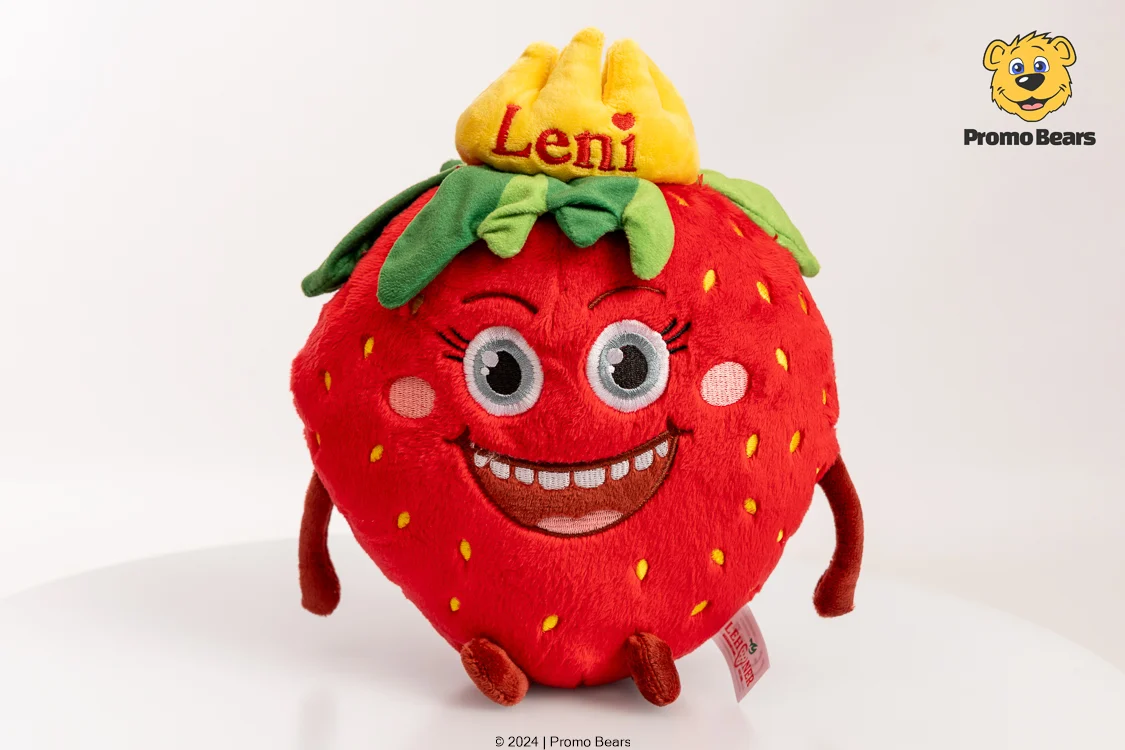
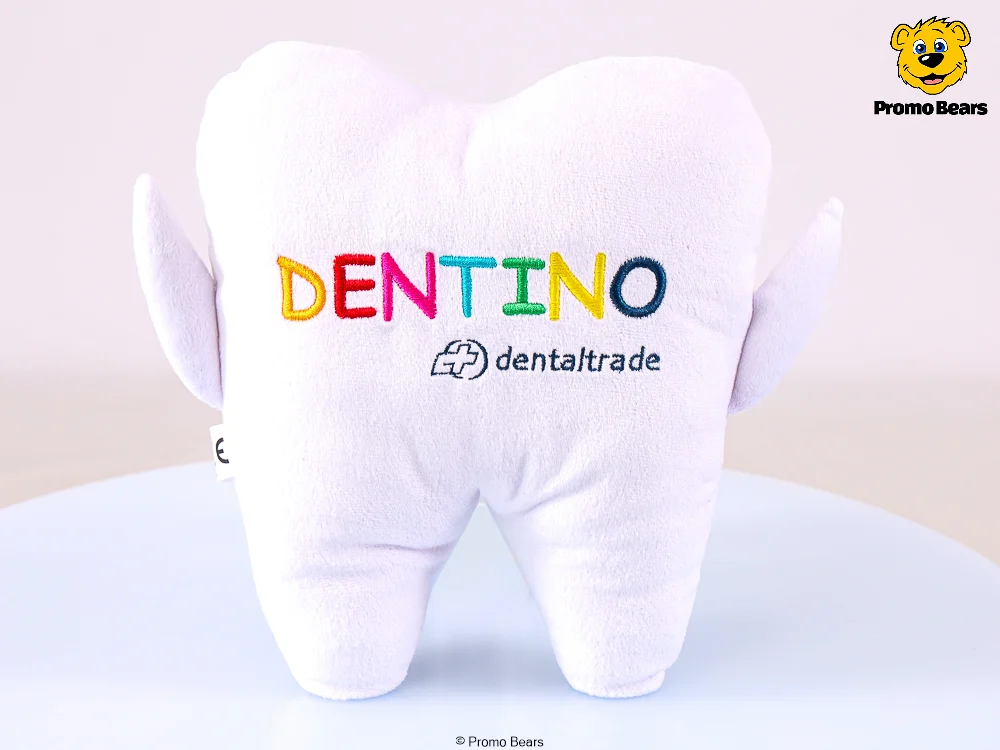
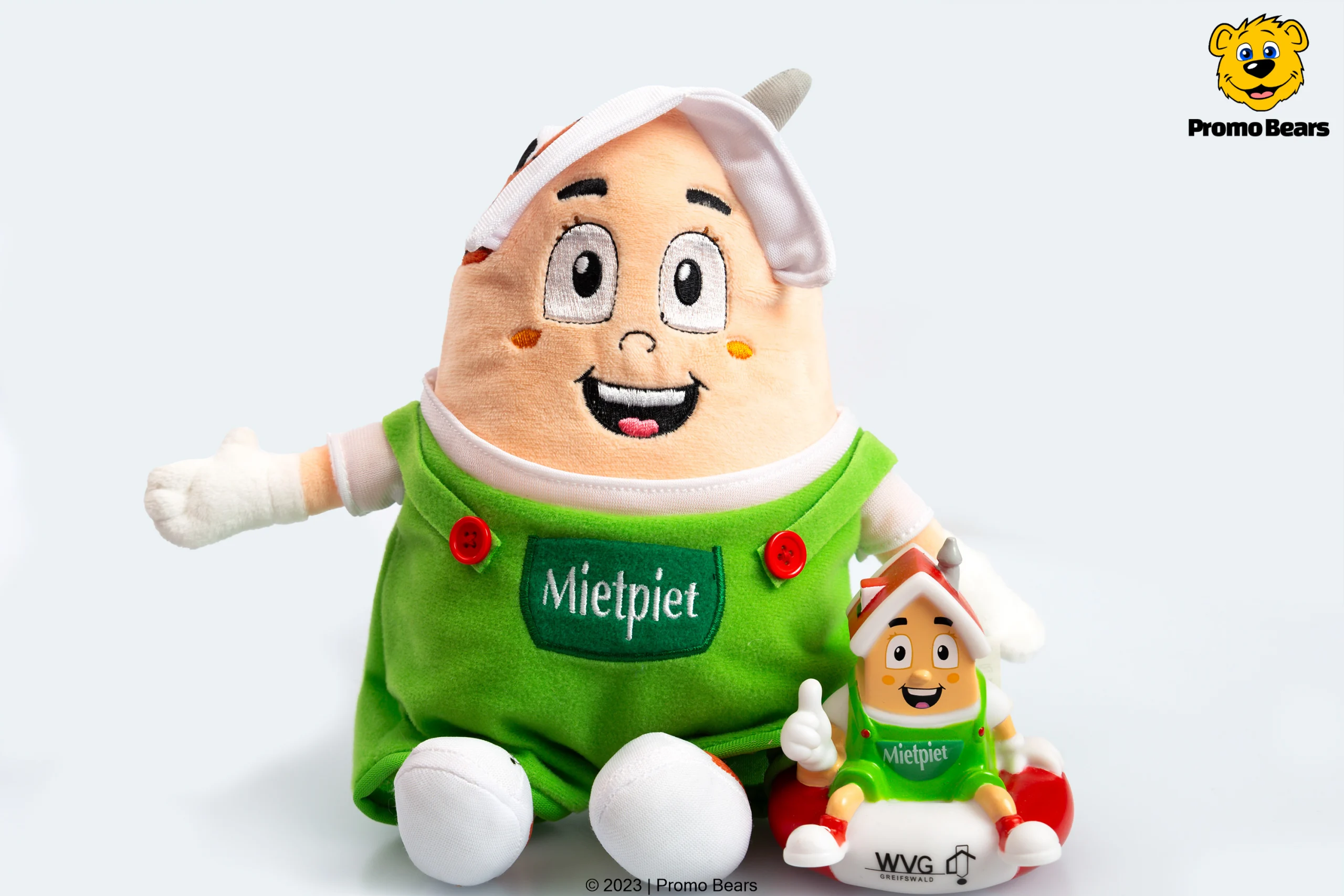
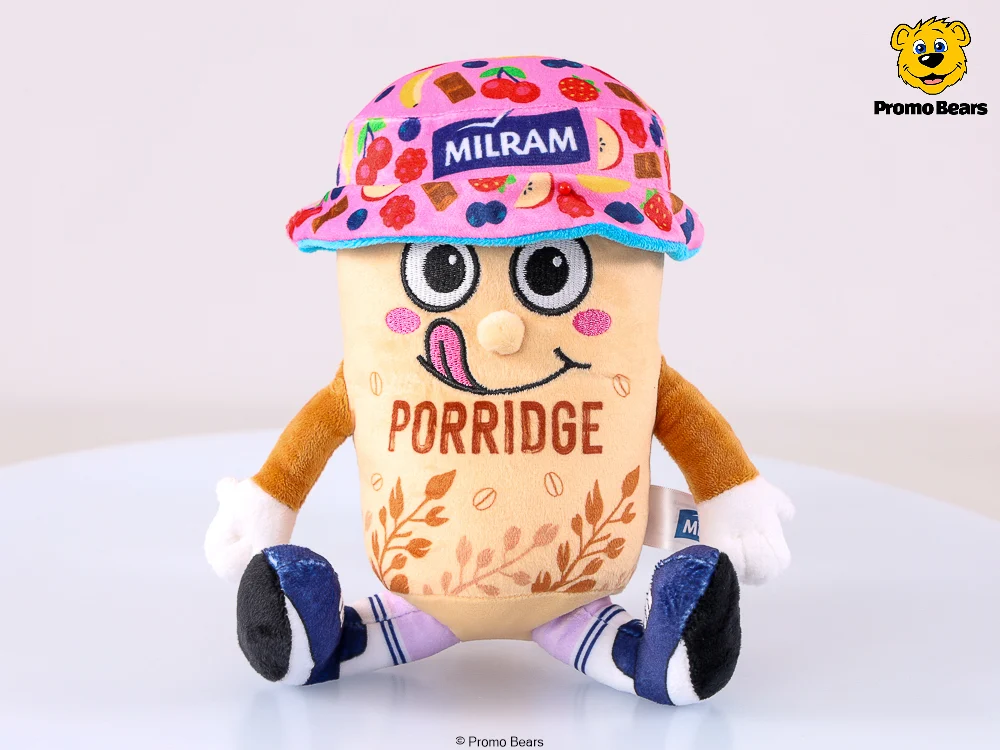
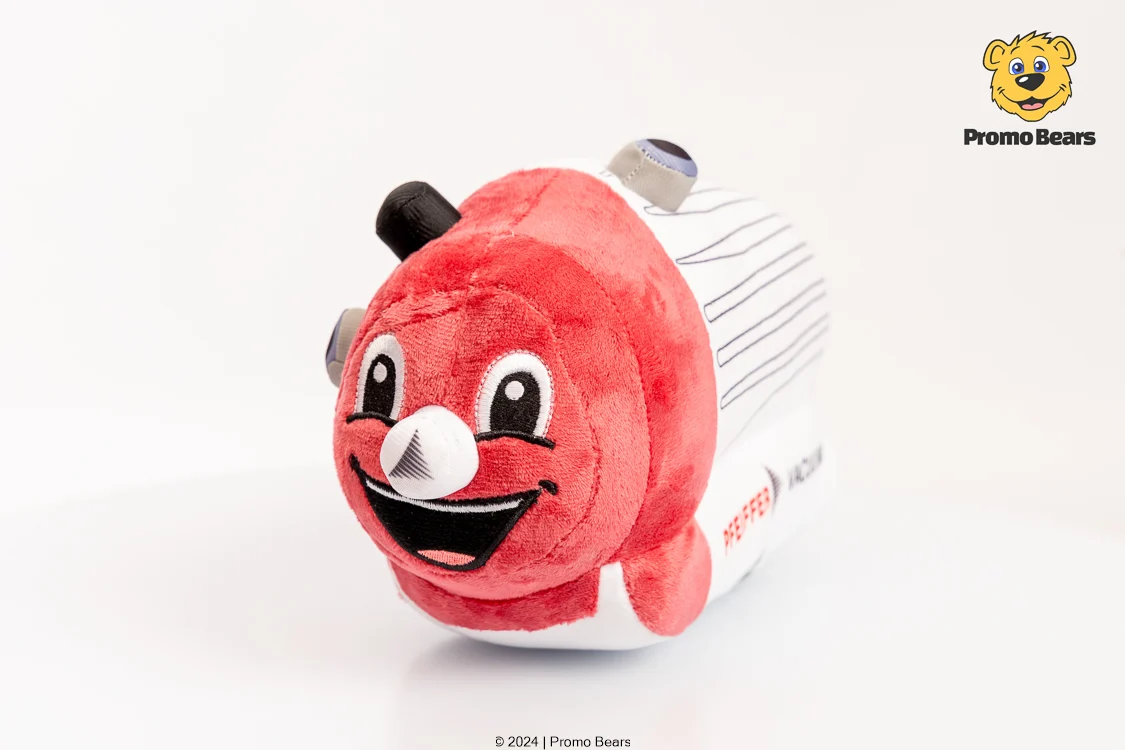
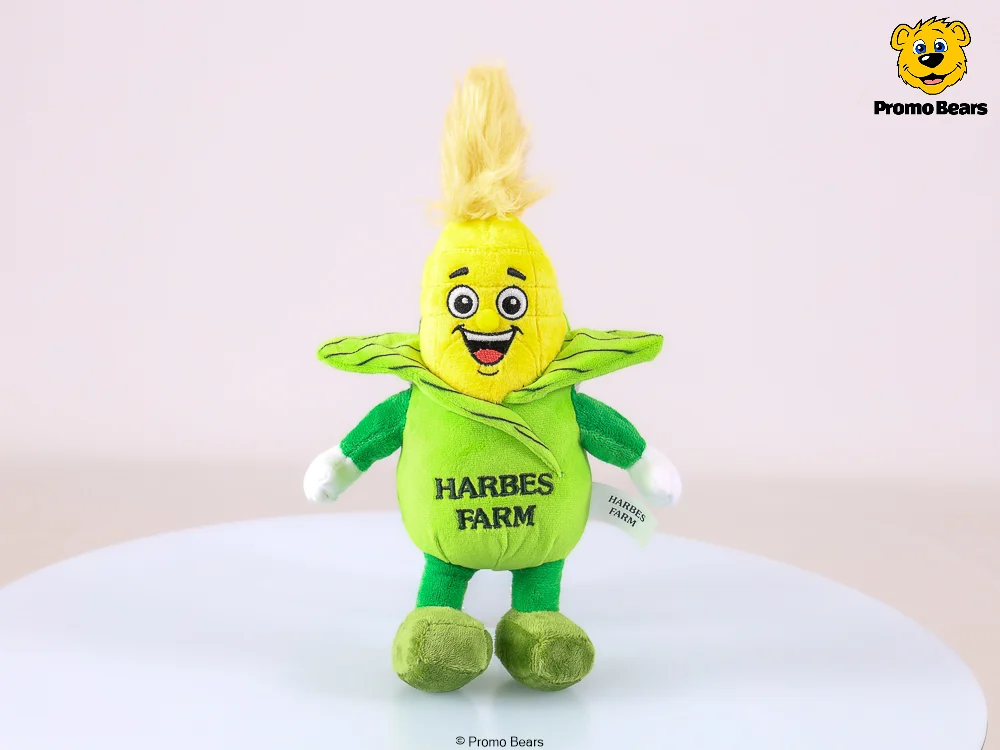
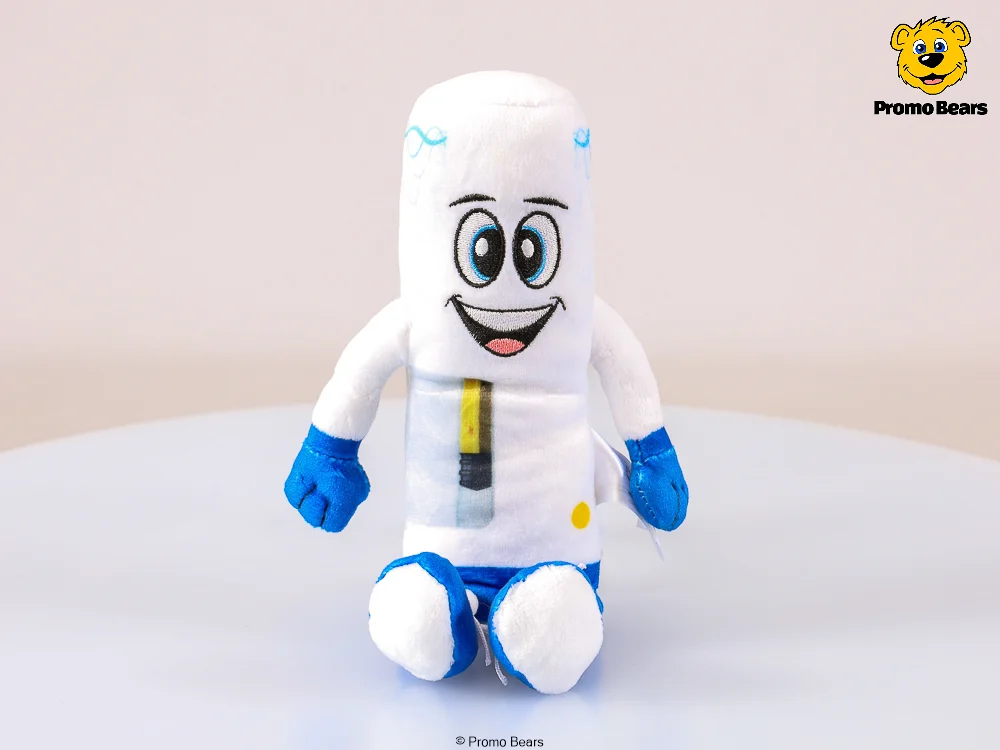
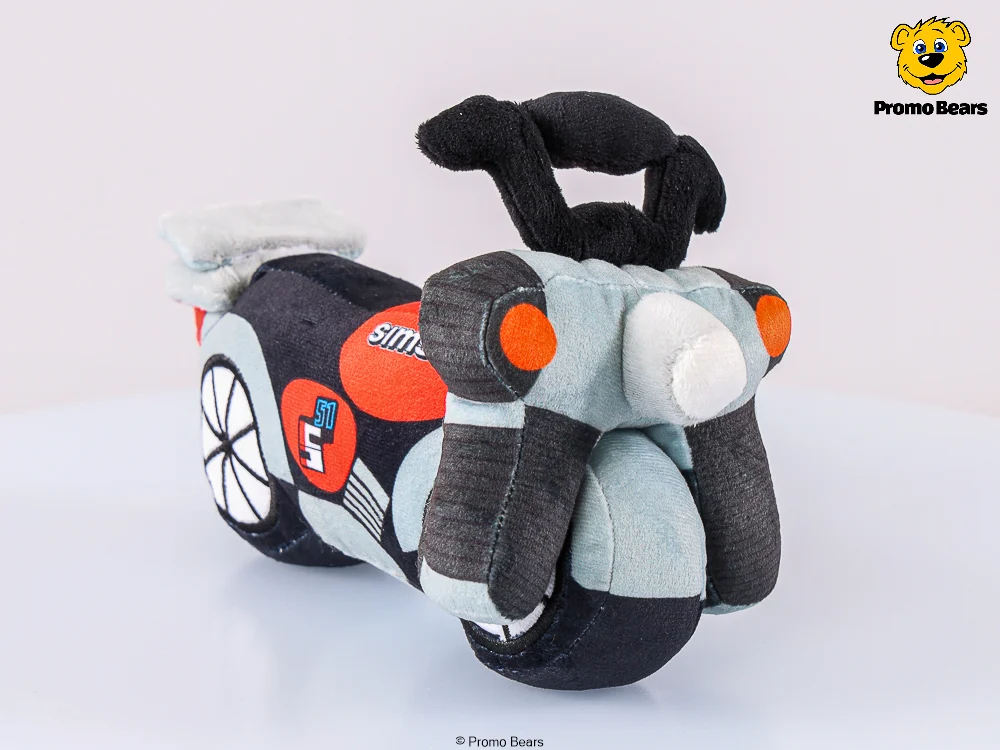
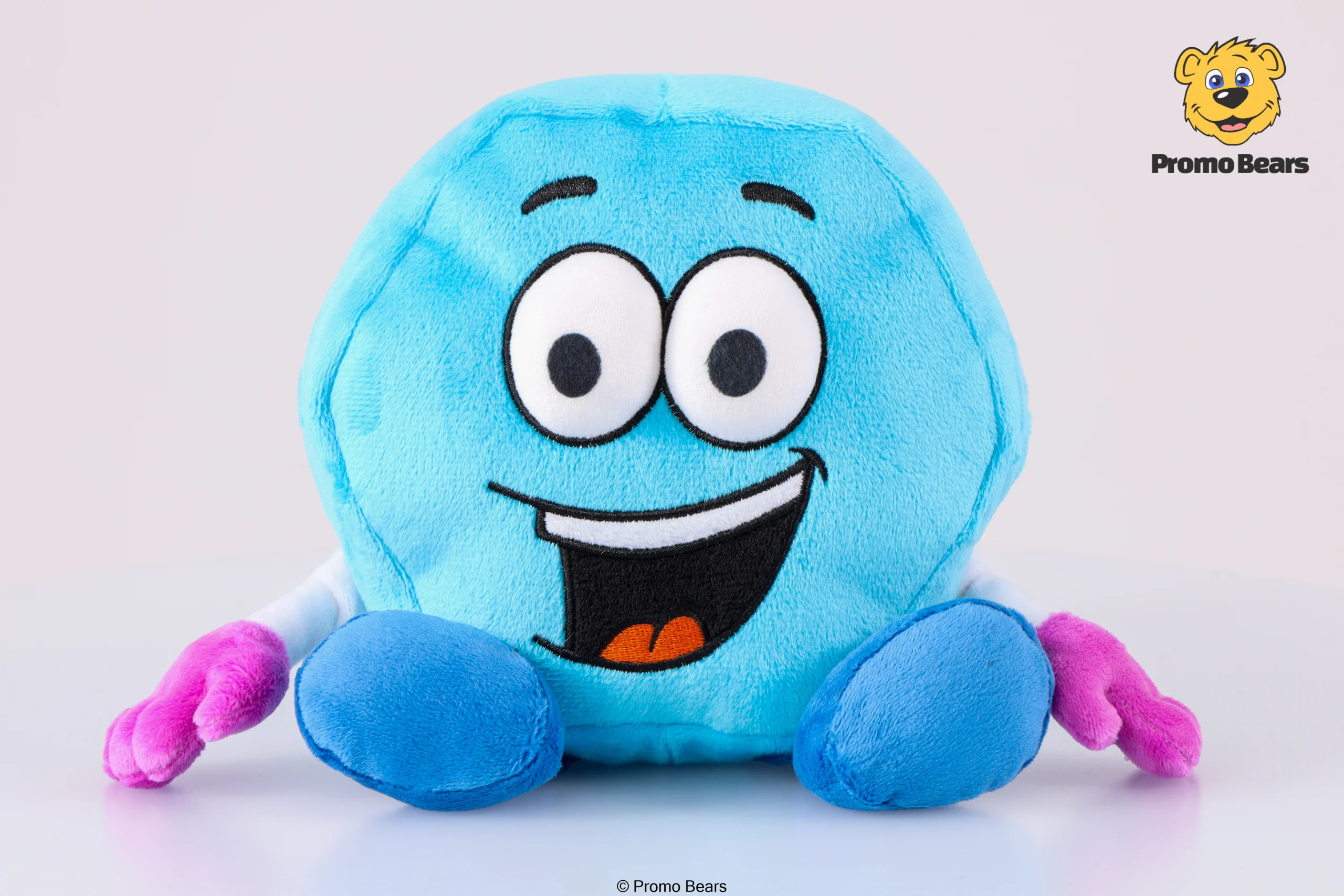
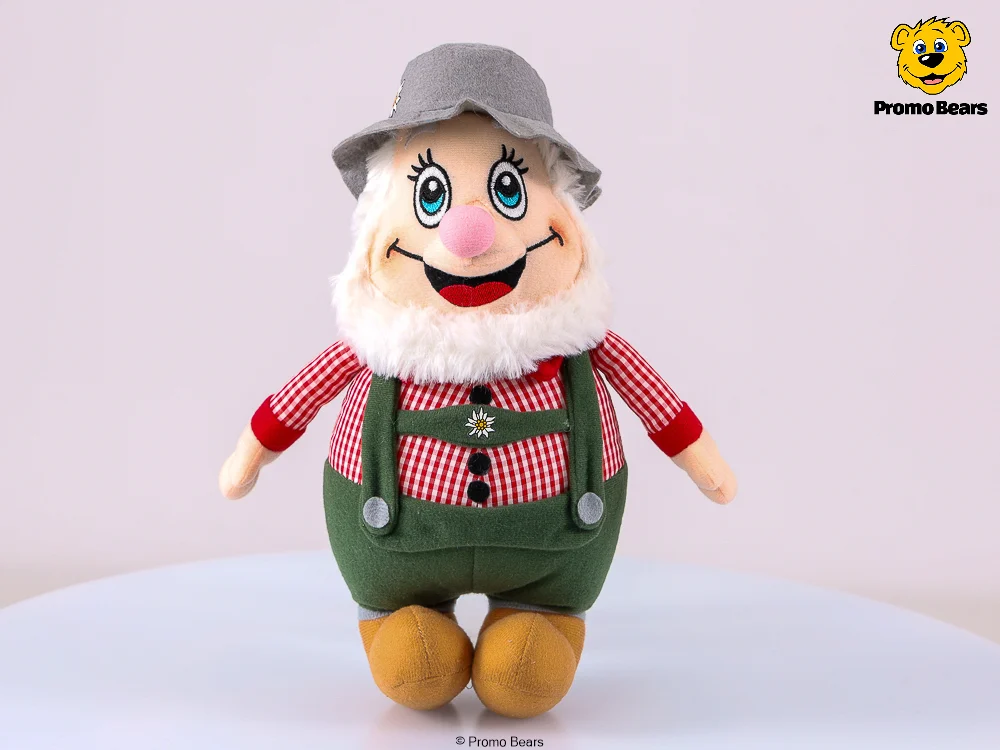
The Main Shape Categories to Choose From
How a Plush Toy Manufacturer Turns a Shape Idea Into a Real Product
Once a shape direction is chosen, the process moves from concept to construction. A capable plush toy manufacturer will typically guide a client through initial sketches, a pattern draft based on the sketch, fabric and stuffing selection, a first sample for approval, and revisions before full production begins. Understanding this sequence in advance helps businesses set realistic expectations for timelines and costs. Our article on how custom plush toys are made walks through each of these production stages in more detail.
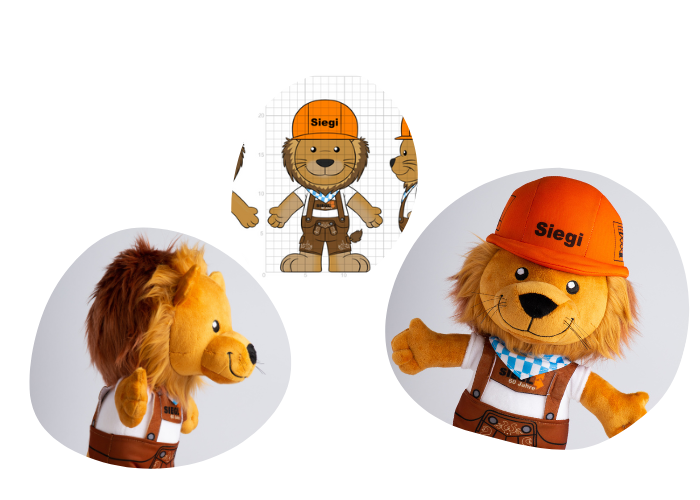
Shape complexity directly affects two things: cost and production time. A simple, rounded shape with few appendages is faster and cheaper to pattern and sew than a character with thin limbs, small accessories, or intricate silhouettes. This doesn’t mean complex shapes should be avoided, only that it’s worth discussing shape simplicity versus brand fidelity with your manufacturer early, so there are no surprises later in the quoting process.
It’s also worth remembering that shape decisions aren’t purely aesthetic. In the United States, stuffed toys are subject to the ASTM F963 consumer safety specification [2], which the Consumer Product Safety Commission has made a mandatory requirement covering choking hazards, small parts, and material safety [3]. Shapes with narrow limbs, small attachments, or loose trims need to be engineered with these requirements in mind from the earliest sketches, which is another reason to loop in your manufacturer before a design is finalised rather than after.
Branding Your Shape: Printed vs. Embroidered Details
Whatever shape you land on, how you brand it matters just as much. Logos, facial features, and small details can either be printed directly onto the fabric or embroidered into it. Businesses that want a more premium, durable finish often choose to embroider a stuffed animal rather than print on it, since thread is stitched directly into the fabric rather than sitting on its surface, and embroidery generally resists fading, cracking, and repeated washing better than printed decoration [4]. It works best on simpler, bolder designs rather than fine gradient detail. Our comparison article on printed vs. embroidered plush toys breaks down when each method makes sense for a given shape.
Custom Shape or Ready-Made: When to Buy a Stuffed Animal Instead
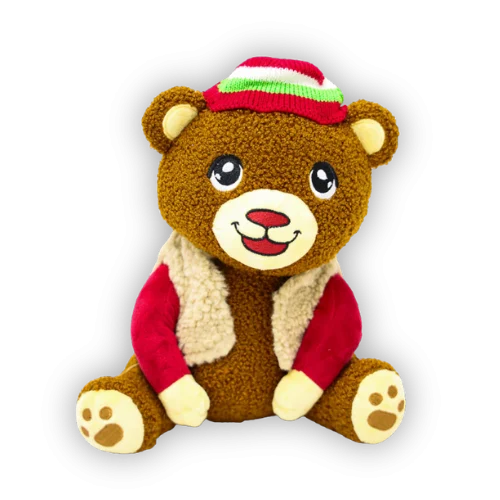
Not every project needs a fully custom shape. If timelines are tight or budgets are limited, it can make sense to buy a stuffed animal from an existing base shape and customise it with your branding, colours, and accessories rather than developing a shape from scratch. This is a common starting point for businesses testing a giveaway concept before committing to a fully bespoke mascot. A good cuddly toy shop or manufacturer will be upfront about which route fits a given budget and timeline, rather than pushing every client toward full customisation by default.
Ordering in Volume: Plush Toys Wholesale and Shape Consistency
Shape choice also affects consistency at scale. A well-engineered pattern should produce toys that look identical whether you order 500 units or 5,000. This matters most for businesses ordering plush toys wholesale for retail distribution, where inconsistent shaping between batches is immediately noticeable on a shelf next to identical items. Our wholesale plush toys article covers minimum order quantities and what to expect when scaling a design from sample to bulk production, and is a useful read alongside this one for any cuddly toy shop or retailer planning a larger order.
Choosing the Right Stuffed Animal Manufacturer for Your Shape
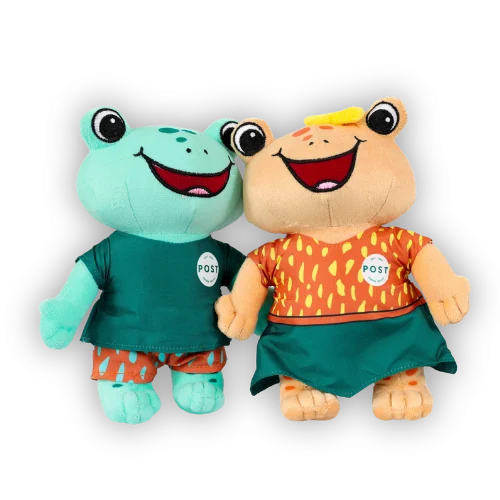
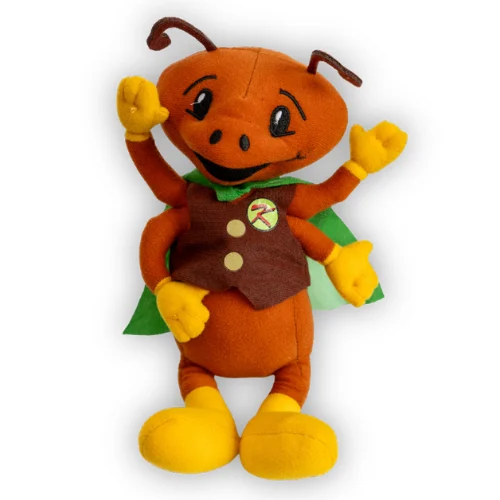
Not every stuffed animal manufacturer handles every type of shape equally well. Some specialise in simple, classic animal forms, others have the pattern-making experience to handle intricate brand characters with multiple appendages and fine detail. Not all stuffed animal manufacturers publish examples of their more complex work, so before committing to a shape, it’s worth asking a potential stuffed animal manufacturer to show examples of similarly complex shapes they’ve produced before, and to walk through how they’d approach patterning your specific concept. Our page on high-quality plush toys and our comparison of handmade vs. manufactured plush toys are both useful reading at this stage, since the answers affect not just what’s possible, but what quality level you should expect at your budget.
When you’re ready to move from concept to sample, our plush toy manufacturer team can talk you through shape, material, and timeline.
Work With Promo Bears to Design Your Custom Stuffed Animal
Whether you’re picturing a classic animal shape, a fully custom brand character, or something entirely new, our team can help you choose a shape that fits your goals, timeline, and budget. As a plush toy manufacturer and manufacturer of stuffed animals working with businesses across industries, we guide every client through sketching, sampling, and production, so the shape you land on is one that actually works, not just one that looks good on paper. Browse our custom plush toys page to explore options, or get in touch to start sketching yours.
References
-
Promotional Products Association International. (2023). The effectiveness of promotional products. Promotional Products Work! Retrieved August 13, 2026, from
https://www.promotionalproductswork.com/the-effectiveness-of-promotional-products/index.html -
American Society for Testing and Materials. (n.d.). Safer children’s toys: ASTM F963 toy safety standard required by U.S. law. ASTM International.
https://www.astm.org/news/press-releases/safer-children-039-s-toys-astm-f963-toy-safety-standard-required-by-u-s-law -
U.S. Consumer Product Safety Commission. (n.d.). Toy safety. Retrieved August 13, 2026, from
https://www.cpsc.gov/Business–Manufacturing/Business-Education/Toy-Safety -
Alsco Uniforms. (n.d.). Embroidery vs. screen printing: Which is better? Retrieved August 13, 2026, from
https://alsco.com/resources/embroidery-vs-screen-printing-which-is-better/