
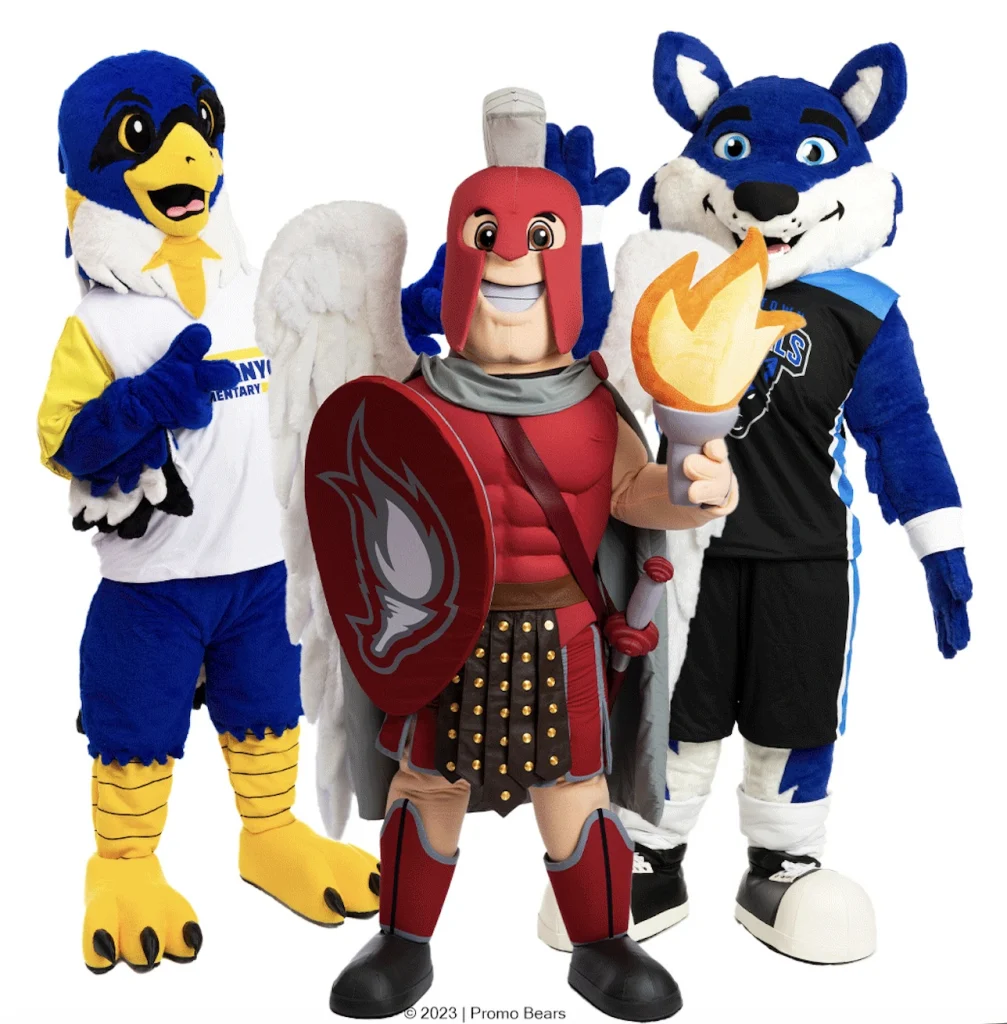
Not all mascot costumes are built to last. Some look great in product photos but fall apart after a season of appearances, while others hold up year after year and still turn heads at every event. If you are investing in a custom mascot costume, you want one that delivers long-term value, not one that needs replacing after a handful of uses. Whether you represent a university, a sports team, or a corporate brand, knowing what to look for in a durable mascot costume before you buy can save you serious time, money, and frustration.
Here are seven key things to evaluate before committing to a mascot costume purchase.
What separates a long-lasting mascot costume from a cheap one
The difference between a costume that lasts one season and one that lasts a decade usually comes down to materials, construction methods, and the manufacturer’s attention to detail. A lower price tag might seem attractive upfront, but poor mascot costume quality leads to visible wear, structural failure, and a brand image that suffers every time your mascot steps into the spotlight.
Durability in a mascot costume is not just about how tough the materials are. It is about how those materials work together, how the costume is assembled, and whether the design accounts for real-world use. High-frequency events, outdoor conditions, energetic performers, and repeated cleaning cycles all put pressure on a costume in ways that only quality construction can withstand.
1: Prioritize high-grade foam and fabric construction
The foundation of any durable mascot costume is the quality of its foam and fabric. High-density foam holds its shape under pressure, resists compression over time, and provides the structural base that makes a mascot look polished and professional rather than deflated and saggy. Low-grade foam breaks down quickly, especially in costumes worn frequently or stored improperly.
On the fabric side, look for materials that are colorfast, abrasion-resistant, and capable of maintaining their texture through repeated cleaning. Faux fur, fleece, and specialized performance fabrics each have their place depending on the costume’s design, but the key is that the fabric should feel substantial and hold dye without fading after a few appearances.
A costume built on quality materials from the start will look better, perform better, and represent your brand more effectively over the long haul. This is one area where cutting corners always shows.
2: Check the quality of stitching and seam reinforcement
Even the best materials fail if the stitching holding them together is not up to the task. Seam quality is one of the most telling indicators of overall mascot costume durability. Look for double-stitched or reinforced seams at high-stress points, particularly around the arms, legs, and any areas that experience repeated movement during performances.
Thread quality matters too. Industrial-grade thread resists breakage and fraying far better than standard alternatives. You should also check whether the manufacturer uses overlocking or serging techniques to prevent raw edges from unraveling inside the costume over time.
A costume worn by an energetic performer at a packed stadium event is under constant physical stress. Weak seams will give way, and once they start to go, the whole costume can deteriorate quickly. Ask your manufacturer specifically about their stitching standards before approving a design for production.
3: Does the costume have a built-in ventilation system?
Ventilation is not a luxury feature: it is a mascot costume feature that directly impacts how long the costume lasts and how safely it can be used. Performers wearing poorly ventilated costumes overheat faster, which leads to more frequent breaks, more moisture buildup inside the costume, and ultimately faster material degradation.
A well-designed ventilation system channels airflow through the costume to keep the performer cooler and reduce the accumulation of sweat and humidity inside the foam and fabric layers. This is especially important for costumes used at outdoor events, sports games, or any high-energy appearance.
Moisture is one of the biggest enemies of foam integrity and fabric longevity. A costume that dries out properly between uses will outlast one that retains heat and dampness by a significant margin. When evaluating options, ask whether ventilation is integrated into the design from the start or added as an afterthought.
4: Evaluate the durability of the eye and vision components
The eyes of a mascot costume are often the first thing people notice, and they are also one of the most technically demanding components to get right. Mascot costume materials used for the eyes need to be impact-resistant, UV-stable, and clear enough to give the performer adequate visibility without compromising the costume’s visual appeal.
3D realistic eyes made from durable mesh or hard plastic components tend to hold up far better than flat printed alternatives. They maintain their shape, resist scratching, and do not yellow or crack when exposed to sunlight over time. Flat or painted eyes, by contrast, can chip, fade, or distort after minimal use.
From a safety standpoint, vision quality also matters. A performer who cannot see clearly is more likely to bump into objects, trip, or cause accidents at events. Prioritize costumes where the eye design balances durability, visual clarity for the performer, and realistic appearance for the audience.
5: Look for ease of cleaning and maintenance
A mascot costume that is difficult to clean will either be cleaned improperly or not cleaned often enough. Both outcomes accelerate wear, create hygiene issues, and shorten the costume’s usable lifespan. When evaluating a costume’s design, ask specifically how it is meant to be cleaned and whether the materials support that method.
The best costumes are designed with maintenance in mind from the very beginning. Look for these practical features:
- Removable and washable inner liners that separate from the outer shell
- Spot-clean-friendly outer fabrics that do not shrink or distort when treated
- Foam components that can air out properly without retaining odors
- Accessible interior construction that allows thorough drying between uses
- A care manual included with the costume so your team knows exactly how to maintain it
A mascot that is easy to maintain will stay looking sharp for far longer, which protects your brand image and your investment simultaneously.
6: Assess structural integrity of the head and body shell
The head is the centerpiece of any mascot costume, and its structural integrity determines how well the costume holds its shape over time. A well-constructed mascot head should feel solid, maintain its dimensions after repeated use, and resist the kind of denting or warping that comes from being packed, transported, and stored between events.
Lightweight but rigid internal frameworks made from materials like thermoplastic or reinforced foam composites provide the best balance of durability and wearability. Avoid costumes where the head relies entirely on soft foam for structure, as these tend to lose their shape quickly and look noticeably worn after a short period of active use.
The body shell deserves the same scrutiny. Look for consistent padding distribution, reinforced attachment points where the head connects to the body, and a design that allows the performer to move naturally without putting undue stress on any single structural component.
7: Verify the manufacturer’s production and revision process
Durability is not only about what goes into the costume: it is also about how the costume is made and by whom. A manufacturer with a rigorous production process, quality control checkpoints, and a transparent revision system is far more likely to deliver a costume that meets your expectations than one operating without those standards.
Before committing to a custom mascot costume order, ask about the following:
- Does the manufacturer offer a free concept illustration before production begins?
- How many revision rounds are included in the design process?
- Is there a dedicated project manager overseeing your order from start to finish?
- What quality control steps are conducted before the costume ships?
- Are photos of the finished costume shared for final approval before delivery?
A manufacturer who is transparent about their process and willing to iterate on the design until it is right is one who takes quality seriously. That commitment to process is what separates a costume built to last from one that simply looks good in a catalog.
Build your mascot investment on a solid foundation
Buying a mascot costume is a meaningful investment in your brand’s presence and long-term identity. The seven factors covered in this guide, from foam and fabric quality to the manufacturer’s production process, are the building blocks of a costume that will serve your organization well for years. Skipping due diligence on any one of them increases the risk of ending up with a costume that underperforms, wears out prematurely, or simply does not represent your brand the way it should.
Take the time to ask the right questions, evaluate samples where possible, and choose a manufacturing partner whose process gives you confidence before a single stitch is made. A well-built mascot costume pays for itself many times over in brand recognition, audience engagement, and the kind of memorable experiences that keep people talking long after the event is over.
How Promo Bears helps you get mascot costume quality right
We understand that choosing the right mascot costume partner is just as important as choosing the right design. At Promo Bears, we have built our entire production process around the quality standards this guide describes, so you never have to guess whether your costume will hold up.
Here is what working with us looks like in practice:
- A free concept illustration based on your logo or design idea, with unlimited revisions until you are fully satisfied
- 3D realistic eyes and an integrated ventilation system built into every costume as standard
- High-grade materials selected for long-term durability, comfort, and ease of cleaning
- A dedicated project manager overseeing your order from first sketch to final delivery
- Thorough quality control with photos of the finished costume shared for your approval before shipping
- A care manual included with every costume so your team knows exactly how to maintain it
- Production completed in 12 to 16 weeks, with rush options available
With over 4,000 mascots created for brands like NASA, Red Bull, Amazon, and Walmart, we know what durable, high-impact mascot costumes look like in the real world. If you are ready to build a mascot that truly represents your brand, get your free quote and let us bring your vision to life.
Frequently Asked Questions
How long should a high-quality custom mascot costume realistically last?
A well-built custom mascot costume made with high-grade foam, reinforced stitching, and quality fabrics can last anywhere from 5 to 10 years with proper care and maintenance. The actual lifespan depends heavily on how frequently the costume is used, how well it is cleaned and stored between appearances, and whether minor repairs are addressed promptly before they escalate. Organizations that follow a consistent maintenance routine and work with experienced manufacturers tend to get the most years out of their investment.
What are the most common mistakes organizations make when buying a mascot costume for the first time?
The most frequent mistake is prioritizing upfront cost over long-term quality, which almost always results in a costume that needs replacing far sooner than expected. Other common pitfalls include failing to ask about ventilation systems, overlooking seam and stitching standards, and not requesting a physical sample or prototype review before full production begins. Skipping a thorough vetting of the manufacturer’s revision and quality control process is another mistake that often leads to a finished product that does not match the original vision.
How do I know if a mascot costume manufacturer is actually reputable before placing an order?
Look for manufacturers who can provide a verifiable portfolio of completed costumes, references or testimonials from recognizable clients, and a clearly documented production process that includes revision rounds and quality control checkpoints. A reputable manufacturer will be upfront about lead times, offer a dedicated point of contact for your project, and share photos of the finished costume for your approval before it ships. Be cautious of any supplier who cannot clearly explain their materials, construction methods, or what happens if the final product does not meet your expectations.
Can a mascot costume be repaired if it gets damaged, or does it need to be fully replaced?
Most high-quality mascot costumes can be repaired rather than replaced, provided the damage is caught early and the original construction is solid. Common repairs include re-stitching seams, replacing worn fabric panels, refreshing foam components, or touching up painted or printed details. It is worth asking your manufacturer upfront whether they offer repair services or can supply replacement parts, as having access to matching materials and components makes future maintenance significantly easier and more cost-effective.
How should a mascot costume be stored between events to protect its longevity?
Proper storage is one of the most overlooked factors in extending a mascot costume’s lifespan. The costume should always be fully dry before storage to prevent mold, mildew, and foam degradation caused by trapped moisture. Store the head separately in a rigid case or on a form that maintains its shape, and keep the body in a breathable garment bag away from direct sunlight, extreme temperatures, and compressed spaces that could distort the foam structure. Avoid folding or stacking heavy items on top of the costume, as sustained pressure breaks down foam density over time.
What should I look for when evaluating fabric samples from a mascot costume manufacturer?
When reviewing fabric samples, test for colorfastness by checking whether the dye transfers onto a damp white cloth after light rubbing, and assess the fabric’s weight and texture to gauge its abrasion resistance. Pull gently at the fabric to evaluate its stretch recovery, since materials that do not return to their original shape will sag and distort quickly under performance conditions. Ask the manufacturer specifically which cleaning methods the fabric can withstand, and if possible, request a sample that has already been through several wash cycles so you can see how it holds up over time rather than just when it is brand new.
Is it worth paying more for an integrated ventilation system, or can a performer just take more frequent breaks?
An integrated ventilation system is worth the investment for any costume used at high-energy events, outdoor appearances, or in warm climates, and relying solely on frequent breaks is not a practical substitute. Beyond performer safety and comfort, poor ventilation accelerates moisture buildup inside the costume, which degrades foam integrity, promotes odor, and shortens the overall lifespan of the materials. A costume with proper airflow built into the design will also allow performers to stay in character longer, which directly improves audience engagement and the return on your overall mascot investment.