
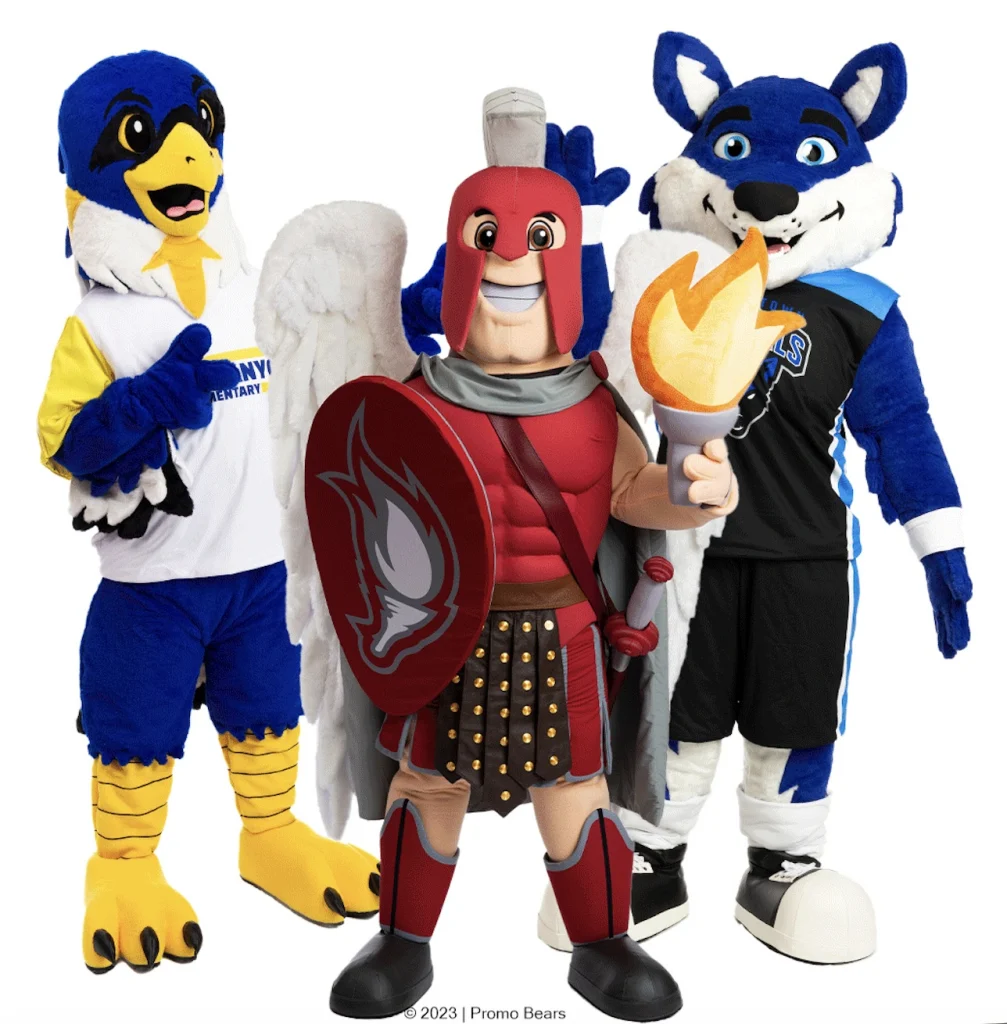
Yes, brand mascots are making a strong comeback. After years of being overshadowed by digital-first strategies and influencer marketing, mascots are returning to the center of brand identity in 2026, driven by a growing need for emotional connection and memorable differentiation in crowded markets. This article unpacks why that shift is happening, what makes mascots work today, and how to turn one into a lasting brand asset.
Why are brands bringing back mascots now?
Brands are reviving mascots because consumers are craving authenticity and emotional connection, and a well-designed character delivers both instantly. In an era of algorithm-driven content and ad fatigue, mascots offer something that digital ads cannot: a consistent, recognizable personality that people actually remember and feel something for.
The shift is also practical. As social media feeds become increasingly crowded, brands need visual anchors that cut through the noise. A mascot works across every channel simultaneously, from a physical costume at a live event to a plush toy on a retail shelf to a sticker shared on social media. That kind of cross-channel consistency is hard to achieve with any other single brand asset.
There is also a generational factor at play. Younger audiences, particularly Gen Z and Gen Alpha, respond strongly to characters and storytelling. They grew up with branded characters in gaming, animation, and social content, and they expect brands to show personality rather than just push products.
What makes a brand mascot effective in modern marketing?
An effective brand mascot in modern marketing is one that is visually distinctive, emotionally resonant, and versatile enough to appear consistently across physical and digital touchpoints. It needs to embody the brand’s personality, not just decorate it.
The most successful mascots share a few key traits:
- Distinctive design: A mascot should be instantly recognizable even at small sizes or from a distance. Strong silhouettes, bold colors, and expressive features all contribute to memorability.
- Brand alignment: The character’s personality, tone, and visual style should reflect what the brand actually stands for, not just what looks fun.
- Versatility: A mascot that only works as a costume has limited value. The best mascots translate into merchandise, digital assets, signage, and event activations seamlessly.
- Audience connection: Whether your audience is families, sports fans, or corporate buyers, the mascot should feel designed for them specifically.
- Consistency over time: Mascots build equity through repetition. A character that changes constantly loses the recognition value that makes it powerful.
Which industries are using mascots the most?
Sports, retail, education, food and beverage, and entertainment are the industries using brand mascots most actively in 2026. These are sectors where emotional engagement, fan loyalty, and repeat brand exposure are directly tied to business outcomes.
Sports teams have always relied heavily on mascots to energize crowds and build fan community. Universities and schools use them to foster school spirit and alumni identity. In retail and FMCG, mascots help brands stand out on shelves and in advertising where product differentiation is otherwise difficult.
The hospitality and entertainment industries are also strong adopters, using mascots at theme parks, hotels, and live events to create shareable moments that extend the brand experience well beyond the venue itself. Corporate brands in sectors like insurance, finance, and logistics are increasingly investing in mascots to humanize their identity and make otherwise abstract services feel approachable.
How do mascots compare to other brand awareness tools?
Mascots outperform most other brand awareness tools when it comes to long-term recognition and emotional memorability. While paid advertising drives short-term visibility and influencer campaigns generate temporary buzz, a mascot compounds in value the longer it is used consistently.
Consider the comparison across a few dimensions:
- Longevity: A digital ad campaign runs for weeks or months. A well-built mascot can represent a brand for decades, accumulating recognition with every appearance.
- Emotional impact: Mascots trigger emotional responses that static logos and taglines rarely achieve. They can be hugged, photographed with, and remembered from childhood, which builds a depth of brand attachment that advertising cannot replicate.
- Versatility: A mascot works at trade shows, on social media, in retail environments, on merchandise, and at community events, all at once. Few other tools operate effectively across that many contexts.
- Word of mouth: People share photos with mascots, talk about them, and seek them out. That organic amplification is difficult to manufacture through other means.
The honest trade-off is upfront investment. A mascot requires thoughtful design and quality production to deliver on its promise. A poorly executed character can undermine a brand rather than elevate it, which is why working with experienced designers matters.
What does it cost to create a custom brand mascot?
The cost of creating a custom brand mascot varies based on the type of deliverable, the complexity of the design, and the range of products produced. A professional mascot costume is typically the most significant investment, while mascot merchandise like plush toys, stickers, and inflatables can be produced at a range of price points.
Production timelines are equally important to factor into budget planning. A custom mascot costume takes 12 to 16 weeks from design approval to delivery. Giant mascot inflatables are ready in 3 to 4 weeks, making them a faster option for events. Plush toys take 12 to 18 weeks depending on the shipping method, while mascot stickers are available in approximately 4 weeks.
The most cost-effective approach for most brands is to start with a core mascot design and then extend it across multiple product formats over time. A single approved character can power a costume, a plush toy line, a set of stickers, and a giant inflatable, all from the same design investment.
Transparency in pricing matters enormously at this stage. Decision-makers need a fixed quote based on their specific design, not a vague estimate, before they can justify the investment internally.
How do you turn a mascot into a long-term brand asset?
Turning a mascot into a long-term brand asset requires consistency, strategic deployment across touchpoints, and a commitment to keeping the character active rather than treating it as a one-time campaign element.
The brands that get the most value from their mascots treat the character as a living part of the brand identity. That means the mascot appears at events, features in social content, appears on merchandise, and shows up in internal communications. The more consistently the character is used, the more recognition equity it builds.
It also means investing in quality from the start. A mascot that looks cheap or wears out quickly sends the wrong signal about the brand. Durable, well-crafted costumes and merchandise protect the brand’s reputation every time the mascot appears in public.
Finally, mascot longevity depends on audience engagement. Giving the mascot a personality, a social media presence, or a role in community events keeps it relevant and gives audiences reasons to interact with it repeatedly.
How Promo Bears helps brands build lasting mascot identities
We specialize in bringing brand mascots to life across every format, from full mascot costumes to merchandise and giant inflatables, all built around your unique design. Here is what we offer at every stage:
- A free concept illustration based on your logo or design idea, with unlimited revisions before production begins
- Custom mascot costumes ready in 12 to 16 weeks, featuring 3D realistic eyes, a built-in ventilation system, and a dedicated project manager overseeing your order from start to delivery
- Mascot merchandise including plush toys, stress balls (produced in 10 to 12 weeks), giant inflatables (3 to 4 weeks), stickers, and more to extend your mascot across every touchpoint
- Fixed quotes based on your specific design, so you can justify the investment with confidence
- A 360-degree service from concept to delivery, backed by over 19 years of mascot design and production experience
Whether you are launching a new brand character or scaling an existing mascot into a full merchandise program, we are ready to help you build something that lasts. Get your free quote and start your mascot project today.
Frequently Asked Questions
How do I know if my brand is ready for a mascot?
Your brand is ready for a mascot when you have a clearly defined brand personality, a consistent target audience, and a commitment to deploying the character across multiple touchpoints over time. If your brand struggles to stand out visually, lacks emotional resonance with your audience, or operates in a space where competitor differentiation is difficult, a mascot is likely one of the highest-impact investments you can make. The key signal is intent: brands that treat a mascot as a long-term identity asset rather than a short-term campaign gimmick are the ones that see lasting returns.
What are the most common mistakes brands make when launching a mascot?
The most common mistake is treating the mascot as a one-time activation rather than an ongoing brand asset, which means the character disappears after a single event or campaign and never builds the recognition equity it needs to deliver value. Another frequent misstep is prioritizing what looks fun over what actually reflects the brand’s personality and audience, resulting in a character that feels disconnected from the rest of the brand identity. Skimping on design and production quality is also a critical error, since a poorly made costume or cheap merchandise can actively damage brand perception every time the mascot appears in public.
Can a mascot work for a B2B brand, or is it only suited to consumer-facing businesses?
Mascots absolutely work for B2B brands, and some of the most memorable corporate characters, from insurance companies to logistics providers, operate entirely in B2B contexts. In industries where services are abstract or complex, a mascot humanizes the brand and makes it more approachable, which directly supports relationship-building and trust, both critical in B2B sales cycles. The key is designing a character whose personality and tone match the professional expectations of your buyers rather than defaulting to the playful, cartoonish aesthetic more common in consumer markets.
How should I introduce a new mascot to my existing audience without it feeling forced or out of place?
The most effective approach is to roll out the mascot gradually and contextually, starting with a touchpoint where storytelling is natural, such as social media, a brand event, or a product launch, rather than plastering the character everywhere at once. Give the mascot a clear backstory or personality that ties directly to your brand values so audiences immediately understand what the character represents and why it exists. Involving your audience in the launch, through naming contests, behind-the-scenes content, or interactive reveals, creates early emotional investment and turns the introduction into a shareable moment rather than just a brand announcement.
What is the best way to extend a mascot across merchandise without losing brand consistency?
The foundation of consistent mascot merchandise is a single, thoroughly documented master design that defines the character’s proportions, colors, expressions, and acceptable variations before any product goes into production. Every merchandise format, whether a plush toy, sticker, inflatable, or stress ball, should be produced from that approved design file so the character looks cohesive across all items. Working with a single production partner who handles multiple merchandise formats, rather than sourcing each product separately, significantly reduces the risk of inconsistencies creeping in across different vendors and timelines.
How do I measure the ROI of a brand mascot investment?
Mascot ROI is best measured through a combination of brand awareness metrics, engagement data, and merchandise performance rather than direct conversion tracking, since mascots operate primarily at the top and middle of the funnel. Track metrics like social media mentions, photo shares featuring the mascot, event engagement rates, and merchandise sales to build a picture of the character’s reach and audience connection over time. For a more structured approach, run brand recall surveys before and after deploying the mascot across key channels, as improved unaided brand recognition is one of the clearest indicators that the character is doing its job.
How long does it typically take before a mascot starts delivering measurable brand recognition?
Most brands begin seeing measurable improvements in brand recognition within 6 to 12 months of consistent mascot deployment, though this depends heavily on how frequently and strategically the character is used across events, social media, and merchandise. A mascot that appears at one event per year will take far longer to build recognition than one that features in weekly social content, seasonal merchandise drops, and regular community activations. The compounding nature of mascot recognition means the returns accelerate over time, so the brands that commit to consistent, multi-channel deployment in the first year tend to see the strongest long-term results.