
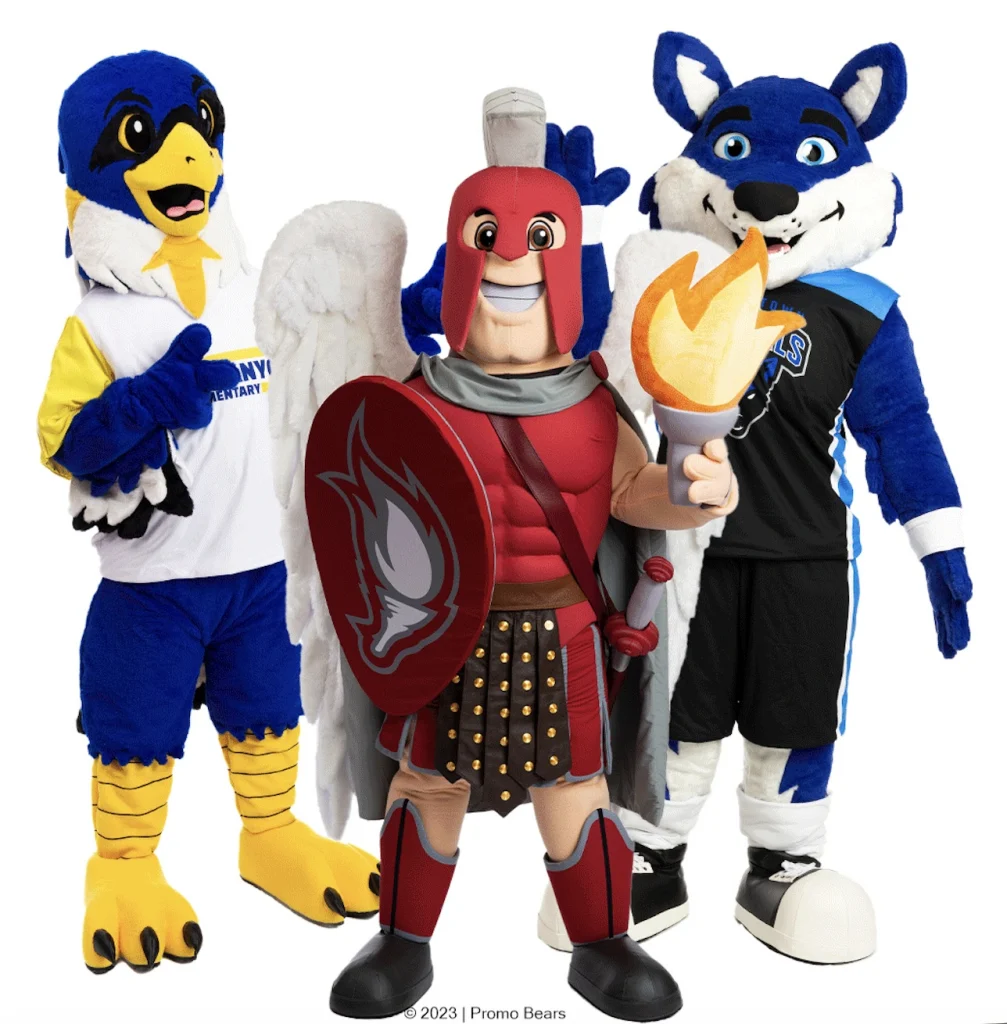
Yes, a mascot costume can significantly improve customer engagement with young audiences. Children respond strongly to physical, character-driven experiences, and a well-designed mascot creates an immediate emotional connection that digital content simply cannot replicate. The sections below unpack exactly how that connection works and what brands need to know to make it count.
How do mascot costumes actually connect with young audiences?
Mascot costumes connect with young audiences by turning an abstract brand into a living, breathing character that children can see, touch, and interact with. Kids are naturally drawn to characters with expressive faces and playful energy, and a mascot delivers that in a way that feels real and exciting rather than like something on a screen.
Young children especially respond to sensory experiences. When a mascot waves at them, kneels down for a hug, or hands them a sticker, it creates a memory that sticks. That moment of personal interaction is something a billboard or social media post cannot offer. The mascot becomes associated with positive feelings, and those feelings transfer directly to the brand behind the costume.
There is also a storytelling dimension at play. Children naturally project personality onto characters. A mascot with a consistent look and friendly energy becomes a kind of friend in their minds, someone they recognize and trust. That emotional familiarity is one of the most powerful tools available in children’s marketing ideas.
What types of brands benefit most from mascot marketing to children?
Brands in retail, food and beverage, sports, entertainment, and education benefit most from mascot marketing to children. These are sectors where repeat visits, family purchasing decisions, and long-term brand loyalty are central to business success. A mascot gives these brands a relatable face that children actively want to engage with.
Consider grocery and FMCG brands. When a child recognizes a mascot on a cereal box and then meets that same character at a store event, the brand becomes part of their world. Sports teams use mascots to build fan loyalty from an early age, turning young spectators into lifelong supporters. Schools and universities use mascots to create community and school spirit that kids carry with them for years.
Entertainment brands, theme parks, and family-oriented hospitality businesses also see strong returns from mascot activations. In these environments, the mascot is often the centerpiece of the entire experience, and children will specifically seek out that interaction during a visit.
How does a mascot costume increase brand recognition among kids?
A mascot costume increases brand recognition among kids by giving the brand a consistent, visual identity that is easy to remember and fun to look for. Children learn to recognize characters long before they can read logos or process taglines, which makes a distinctive mascot one of the most effective tools for building a recognizable brand for kids.
Repetition plays a major role here. When a child sees the same mascot at events, on packaging, in social media content, and in advertising, the character becomes a reliable anchor for the brand. That consistency builds familiarity, and familiarity builds trust. Over time, spotting the mascot becomes a moment of excitement rather than just brand exposure.
Color, shape, and personality all contribute to how quickly a mascot becomes recognizable. A character with a bold color palette, a friendly expression, and a clear personality is far more memorable than a generic figure. This is why investing in thoughtful design from the start pays off across every channel where the mascot appears.
What makes a mascot costume effective for live events and activations?
A mascot costume is effective for live events and activations when it is visually striking, comfortable enough to wear for extended periods, and designed to encourage interaction. At events, the mascot needs to perform, not just appear, which means the costume itself has to support movement, visibility, and endurance.
Key factors that make a mascot work well at live events include:
- A built-in ventilation system so the performer stays comfortable during long activations
- Lifelike 3D eyes that create an expressive, engaging face children respond to
- Durable, easy-to-clean materials that hold up across multiple events and venues
- A design that is immediately recognizable from a distance, so it draws a crowd naturally
- A size and fit that allows the performer to move freely, crouch down to a child’s level, and interact naturally
Beyond the costume itself, the activation strategy matters. Mascots work best when they have a clear role at an event, whether that is greeting guests, leading a game, distributing branded merchandise, or simply being available for photos. The more purposeful the interaction, the more memorable the experience for young visitors.
How do mascot costumes compare to digital characters for engaging young audiences?
Mascot costumes outperform digital characters when it comes to creating emotional impact and memorable real-world experiences for young audiences. A digital character can build familiarity through screens, but a physical mascot delivers something a screen cannot: a genuine, in-person moment that children feel rather than just watch.
Digital characters have clear advantages in reach and consistency. An animated mascot can appear across every platform simultaneously, reach audiences at scale, and never have a bad performance day. For building awareness broadly, digital is powerful.
But for deepening engagement and creating lasting emotional connections, the physical mascot wins. Research into childhood memory formation consistently shows that multi-sensory experiences, ones that involve sight, sound, and touch, are retained far longer than passive viewing. A child who hugs a mascot at a brand event will remember that experience years later. A child who sees the same character in a video ad probably will not.
The most effective approach combines both. Use digital channels to build familiarity with the character, then use the live mascot to convert that familiarity into a genuine emotional bond. Each reinforces the other.
What should brands consider when designing a mascot for a young audience?
When designing a mascot for a young audience, brands should prioritize approachability, simplicity, and personality. Children respond to characters that feel friendly and safe, so the design choices around facial expression, color, and proportion matter enormously. A mascot that looks intimidating or overly complex will not land well with younger audiences.
Practical design considerations include:
- Facial expression: Opt for warm, open expressions with large, expressive eyes. Children read faces instinctively, and a friendly face creates an immediate sense of safety and fun.
- Color palette: Bold, bright colors are more engaging for young audiences and make the mascot easier to spot in a crowd or on packaging.
- Simplicity of form: Avoid overly detailed or complex designs. A mascot with clean lines and a clear silhouette is easier for children to recognize and remember.
- Personality alignment: The mascot’s visual personality should match the brand’s values. A playful, energetic character suits a sports brand. A warm, nurturing character suits a children’s education brand.
- Consistency across formats: The mascot should translate well from the physical costume to 2D applications like stickers, plush toys, and printed materials so it remains recognizable across every touchpoint.
It is also worth thinking about longevity. A mascot designed for a young audience should have enough personality depth to grow with the brand, not just feel relevant for a single campaign or season. The best mascots become part of a brand’s identity for decades.
How Promo Bears helps brands connect with young audiences through custom mascots
If you are ready to bring a mascot to life for your brand, we make the entire process straightforward and risk-free. At Promo Bears, we have created over 4,000 custom mascot costumes for brands across North America and beyond, including organizations that specifically needed a character designed to resonate with children and families.
Here is what working with us looks like:
- A free concept illustration based on your logo or design idea, with unlimited revisions until you love it
- A dedicated project manager who oversees everything from design approval to delivery
- Costumes built with 3D lifelike eyes, an integrated ventilation system, and easy-to-clean materials
- Production completed in 12 to 16 weeks, with rush options available
- Final quality control photos shared for your approval before the costume ships
Beyond the costume itself, we can also produce branded mascot merchandise like plush toys, stickers, and keychains that extend your mascot’s presence well beyond the event floor. Whether you are starting from scratch or refreshing an existing character, we are here to help you build something kids will genuinely love. Get your free quote and let’s get started.
Frequently Asked Questions
How much does a custom mascot costume typically cost, and is it a worthwhile investment for smaller brands?
Custom mascot costume pricing varies based on complexity, size, and features, but most professional-grade costumes range from a few thousand dollars upward. For smaller brands, the investment is often justified when you consider the long-term value: a well-built mascot can be used across hundreds of events and years of marketing activations. Rather than viewing it as a one-time expense, think of it as a brand asset with a multi-year lifespan that continuously generates engagement and recognition among your target audience.
How do we train or prepare a mascot performer to effectively engage with young children?
Effective mascot performance with children comes down to body language, energy, and patience, since the performer cannot rely on speech. Train your performer to make deliberate, expressive movements, always crouch or kneel to a child’s eye level, and never rush an interaction. It helps to run rehearsals in the actual costume so the performer gets comfortable with limited visibility and mobility before the live event. Many brands also develop a simple character guide that outlines the mascot’s personality traits and signature gestures to keep performances consistent across different performers.
What if a child is scared of the mascot rather than excited by it?
Fear of mascots, sometimes called masklophobia, is more common in toddlers and very young children than most brands expect, and it is completely normal. The best approach is to never force an interaction: train performers to read body language and back off gently if a child shows hesitation. Positioning the mascot at a slight distance initially, letting the child approach on their own terms, and having a non-costumed brand ambassador nearby to bridge the interaction can all help. A child who feels in control of the encounter is far more likely to warm up and walk away with a positive memory.
How can we extend the mascot's impact beyond live events?
The most effective mascot strategies treat the live costume as one piece of a much larger character ecosystem. Branded merchandise like plush toys, stickers, and activity books lets children take the mascot home and keep the emotional connection alive long after the event ends. On the digital side, the character can appear in social media content, email campaigns, packaging, and even short animated videos that reinforce the same personality children met in person. The goal is to make the mascot a consistent presence across every touchpoint so brand recognition compounds over time.
How often should a mascot costume be replaced or refreshed?
A professionally built mascot costume used regularly at events typically has a lifespan of three to five years with proper care, though high-frequency use may shorten that timeline. Signs it is time for a refresh include visible wear on the exterior materials, compromised ventilation systems, or a design that no longer aligns with an evolved brand identity. Rather than a full replacement, some brands opt for a costume refresh, updating colors, accessories, or facial features while keeping the core character recognizable, which is a cost-effective way to modernize the mascot without losing the equity already built with your audience.
Can a single mascot costume work across very different types of events, like both outdoor festivals and indoor retail activations?
Yes, but it requires some advance planning around costume construction and performer preparation. Look for costumes built with integrated ventilation systems and breathable materials that handle both the heat of outdoor events and the confined spaces of indoor retail environments. For brands with a heavy event calendar, some invest in two versions of the same costume, a more durable outdoor build and a lighter indoor version, to maximize performer comfort and costume longevity. Always ensure the performer has scheduled break times regardless of the setting, as overheating is the most common challenge in high-use mascot activations.
How do we measure whether our mascot is actually improving engagement and ROI?
Measuring mascot ROI starts with defining clear goals before each activation, whether that is foot traffic, social media impressions, email sign-ups, or direct sales at the event. Track photo requests and social media tags featuring the mascot as a simple engagement proxy, since these indicate genuine audience enthusiasm. For longer-term brand impact, consider surveying young customers or their parents about brand recognition and sentiment before and after introducing the mascot into your marketing mix. Combining event-level metrics with broader brand tracking data gives you the clearest picture of how the mascot is moving the needle over time.