
Yes, custom merchandise can absolutely turn client relationships into long-term partnerships. When branded products are thoughtfully designed and genuinely useful, they create repeated positive touchpoints that keep your brand front of mind long after a meeting or event ends. The sections below unpack exactly how this works, from the types of merchandise that drive retention to how you measure the return on your investment.
How does branded merchandise strengthen B2B client relationships?
Branded merchandise strengthens B2B client relationships by creating tangible, lasting reminders of your partnership. Unlike a follow-up email or a digital ad, a well-crafted physical product sits on a desk, travels in a bag, or gets used daily, reinforcing your brand presence in a way that digital touchpoints simply cannot replicate. For marketing managers and brand directors, that consistent visibility translates directly into stronger recall and deeper loyalty.
The real power lies in what a quality product communicates about your organization. When a client receives something that is clearly custom, clearly premium, and clearly made with their experience in mind, it signals that you take the relationship seriously. That impression compounds over time. Every interaction with the product reinforces the association between your brand and a positive, professional experience.
Strategic merchandise also creates natural opportunities for conversation. A distinctive branded item at a trade show or in a welcome package becomes a talking point, opening doors to referrals and extended contracts without requiring any additional sales effort.
What types of custom merchandise are most effective for client retention?
The most effective custom merchandise for client retention combines high perceived value, daily utility, and strong brand visibility. Products that people actually use, keep, and display do far more for long-term relationship building than items that end up in a drawer. The best choices are those that feel personal, not generic.
For B2B contexts, the following categories consistently deliver strong results:
- Custom plush toys and mascots: Memorable, emotionally engaging, and highly shareable. They work especially well for brands with a recognizable character or logo.
- Custom stress balls: Practical, fun, and kept on desks for months. When shaped to match your brand or mascot, they become miniature 3D ambassadors that clients interact with regularly. Our custom stress balls are fully tailored to your design, not standard shapes with a simple one-color print.
- Branded keychains, enamel pins, and luggage tags: Compact, cost-effective, and carried everywhere. These small items punch well above their weight in daily brand exposure.
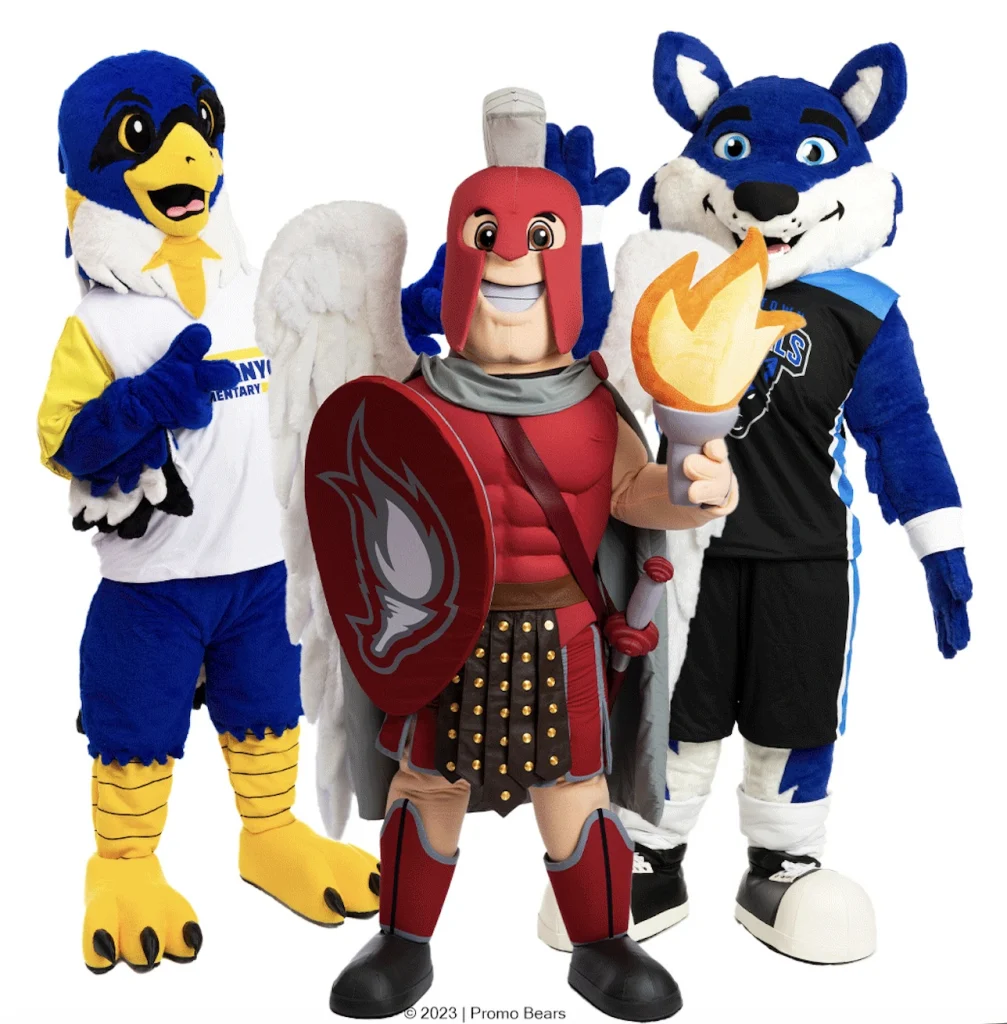
- Giant inflatables and mascot costumes: Ideal for events, activations, and experiential marketing moments that clients and their teams remember for years.
The common thread across all of these is customization. Generic merchandise fades into the background. Products built specifically around your brand identity and your client’s world create a connection that generic items never can.
How can custom merchandise improve brand recognition over time?
Custom merchandise improves brand recognition over time through repeated, passive exposure. Every time a client uses, sees, or shares a branded product, your logo and visual identity are reinforced without any active effort on your part. Over weeks and months, this repetition builds familiarity, and familiarity builds trust, which is the foundation of long-term business relationships.
This effect is amplified when merchandise is designed with visual distinctiveness in mind. A custom mascot, a uniquely shaped stress ball, or a boldly branded inflatable arch at an event does not just remind people of your brand. It gives them something to talk about, photograph, and share on social media, extending your reach far beyond the original recipient.
For organizations operating in competitive sectors like retail, sports, or FMCG, that organic word-of-mouth amplification is genuinely valuable. It turns clients, fans, and event attendees into brand ambassadors without requiring any additional spend on paid media.
What’s the difference between promotional giveaways and strategic branded merchandise?
The key difference between promotional giveaways and strategic branded merchandise is intent. Promotional giveaways are typically high-volume, low-cost items distributed broadly with the goal of short-term visibility. Strategic branded merchandise is designed with a specific audience, relationship, and long-term goal in mind. One is a transaction; the other is an investment.
Giveaways prioritize reach. Strategic merchandise prioritizes depth. Here is how that plays out in practice:
- Design specificity: Strategic merchandise is built around your exact brand identity, including custom shapes, PMS color matching, and bespoke concepts. Giveaways often use standard templates with a logo applied on top.
- Audience targeting: Strategic merchandise is selected or designed for a defined audience, whether that is a key account, a partner organization, or a specific event segment. Giveaways are distributed broadly regardless of fit.
- Longevity: Strategic merchandise is designed to be kept and used repeatedly. Giveaways are often disposable by design.
- ROI accountability: Strategic merchandise is tied to measurable outcomes such as client retention rates, event engagement, or referral activity. Giveaways are harder to attribute to specific business results.
For B2B decision-makers who need to justify brand investment internally, the distinction matters. Strategic merchandise gives you a clear story to tell about why the spend was worthwhile.
How do you measure the ROI of custom merchandise in B2B relationships?
Measuring the ROI of custom merchandise in B2B relationships requires connecting product distribution to specific business outcomes. While merchandise does not generate a direct, trackable conversion like a digital ad, its impact shows up in client retention rates, referral activity, event engagement, and the length and value of ongoing contracts.
Practical ways to track the return include monitoring whether clients who received branded merchandise renew contracts at higher rates, tracking referrals that originate from event-based merchandise distribution, and measuring engagement levels at activations where inflatables or mascot costumes are present compared to those without them.
Qualitative signals matter too. When clients mention your branded product in follow-up conversations, when partners share photos of your mascot on social media, or when your booth consistently draws larger crowds because of a distinctive inflatable, those are real indicators of value even if they do not appear on a spreadsheet immediately.
The most important framing for senior decision-makers is this: the ROI of strategic merchandise compounds. A custom item that costs a fraction of a digital campaign can generate client goodwill, organic referrals, and brand visibility for months or years after delivery.
When should a company invest in custom mascots or inflatables for client engagement?
A company should invest in custom mascots or inflatables when it needs to create a high-impact, memorable brand presence at events, activations, or client-facing moments where standing out is essential. These products are most effective when a brand is launching something new, entering a new market, or looking to deepen engagement with a key audience in a way that digital or print media cannot achieve.
Mascot costumes, which take 12 to 16 weeks to produce, are ideal for organizations that have recurring events, sports partnerships, or a campus presence where a live, wearable brand character adds energy and engagement. Giant mascot inflatables, which are ready in 3 to 4 weeks, are a faster option for one-time activations, outdoor events, or retail environments where scale and visual impact are the priority.
The right moment to invest is before you need the product, not after. Given production timelines, planning ahead ensures your mascot or inflatable is ready for the event or campaign it is built around, rather than arriving too late to make an impact.
How Promo Bears helps turn merchandise into lasting client relationships
We work with marketing managers, brand directors, and senior decision-makers across North America to create custom merchandise that does more than look good. Every project we take on is built around your specific brand identity, your audience, and your goals, not off-the-shelf templates. Here is what that looks like in practice:
- Free concept illustration before any commitment, so you see exactly what you are getting
- Unlimited revisions until the design is exactly right
- A dedicated project manager from concept to delivery
- Fully custom products including mascot costumes, giant inflatables, plush toys, and stress balls, each built to your specifications
- Worldwide shipping to clients across the USA, Canada, and beyond
- Over 4,000 mascots created for brands including NASA, Amazon, Walmart, and Red Bull
Whether you are planning a major event, building a long-term client gifting strategy, or looking for a signature brand character that people remember, we are ready to bring that vision to life. Get your free quote today and let us show you what strategic branded merchandise can do for your client relationships.
Frequently Asked Questions
How far in advance should we order custom merchandise for a client event or campaign?
Lead times vary significantly depending on the product. Custom mascot costumes typically require 12 to 16 weeks from approved design to delivery, while giant inflatables are usually ready in 3 to 4 weeks. For items like custom plush toys and stress balls, plan for at least 4 to 8 weeks to allow time for concept development, revisions, production, and shipping. The safest rule is to start the conversation earlier than feels necessary — rushing a custom product almost always compromises quality or causes you to miss the window entirely.
What if we don't have a mascot or brand character — can we still benefit from custom merchandise?
Absolutely. A recognizable mascot or character is not a prerequisite for effective branded merchandise. Many brands achieve strong results with custom stress balls shaped around their logo, premium branded keychains and enamel pins, or boldly designed plush items that reflect their brand colors and personality. If you do want to develop a brand character from scratch, a supplier like Promo Bears can help you concept one specifically for your audience and goals — the free illustration stage is a low-risk way to explore what that could look like before committing to production.
How do we choose the right merchandise for a specific client or account rather than a general audience?
Start by thinking about the client’s daily environment and what they would realistically keep and use. A desk-based executive team might appreciate a high-quality custom stress ball or a distinctive plush mascot that adds personality to their workspace, while a field-based or events-focused team might get more value from branded keychains or luggage tags they carry everywhere. The more you tailor the product to the recipient’s actual lifestyle, the stronger the impression it makes — generic selections signal a generic relationship, while thoughtful choices signal genuine investment in the partnership.
What are the most common mistakes companies make with branded merchandise programs?
The most common mistake is prioritizing cost-per-unit over perceived value and relevance. Distributing large quantities of low-quality, generic items may seem efficient, but it rarely builds the kind of brand association you are aiming for — and it can actually undermine your brand’s premium positioning. Other frequent missteps include ordering too late for key events, neglecting to align merchandise with the specific audience receiving it, and failing to track any outcomes that would justify continued investment. Treating merchandise as a strategic tool rather than a line-item expense is what separates programs that build relationships from those that simply fill goodie bags.
Can custom merchandise work for smaller B2B companies, or is it only practical for large enterprises?
Custom merchandise is highly scalable and works effectively for companies of all sizes. Smaller B2B organizations often find it even more impactful because a distinctive, well-crafted item stands out more when the competition is relying on generic materials or digital-only outreach. Lower minimum order quantities on products like custom stress balls, enamel pins, and plush toys mean you can start with a focused run for a specific client segment or event without a large upfront commitment. The key is intentionality — a small batch of genuinely impressive, on-brand merchandise will outperform a large volume of forgettable items every time.
How do we get internal buy-in for a branded merchandise budget when decision-makers are skeptical?
Frame the investment around specific, measurable business outcomes rather than brand awareness in the abstract. Connect merchandise distribution to client retention data, referral tracking, or event engagement metrics so there is a clear story to tell after the campaign. It also helps to start with a contained pilot — a custom product for a defined client segment or a single major event — so you can demonstrate impact before scaling the program. Pointing to the compounding nature of the ROI (a product that generates goodwill, referrals, and visibility for months after a one-time cost) helps reframe merchandise from a discretionary spend to a long-term relationship asset.
What should we look for when evaluating a custom merchandise supplier for B2B client gifting?
Prioritize suppliers who offer true customization rather than standard templates with a logo applied, and who provide a clear, collaborative design process before you commit to production. Key indicators of a reliable partner include free concept illustrations upfront, a dedicated point of contact throughout the project, transparent production timelines, and a verifiable track record with recognizable brands. Also confirm that they can handle worldwide shipping if your client base spans multiple regions, and ask specifically how they handle revisions and quality control — these are the details that determine whether the final product actually matches what you approved at the design stage.
Related Articles
- What is the difference between trade show promotion and event sponsorship?
- Why is a strong club identity important for sports organizations?
- How do you improve brand recognition on a marketing budget?
- How many giveaways should I bring to a trade show?
- What are the most effective promotional products for sports sponsorships?