
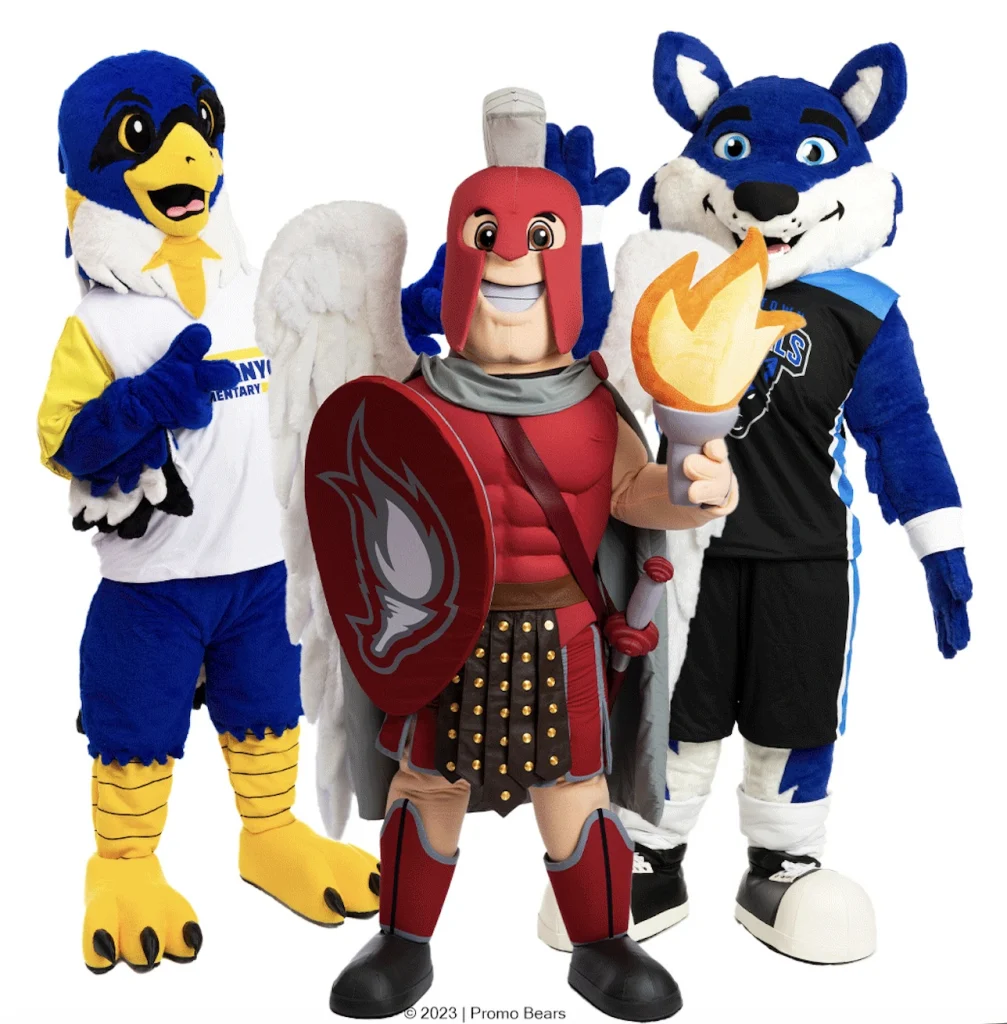
Mascots help brands stand out from competitors by creating an instantly recognizable visual identity that goes far beyond a logo or tagline. A well-designed brand mascot gives your organization a personality, a face, and an emotional connection that competitors without one simply cannot replicate. The sections below unpack exactly how that works, which industries benefit most, and what to look for when investing in one.
What makes a brand mascot an effective competitive differentiator?
A brand mascot is an effective competitive differentiator because it transforms an abstract company into a relatable character that people genuinely connect with. While competitors compete on price, features, or advertising spend, a mascot competes on personality, and personality is far harder to copy. When audiences feel emotionally attached to a character, they choose that brand first, even when alternatives exist.
Mascot brand differentiation works because human brains are wired to respond to faces and characters. A mascot gives your brand a consistent, friendly presence across every touchpoint, from trade show floors to social media feeds to product packaging. That consistency builds familiarity, and familiarity builds trust over time.
The competitive edge a mascot creates is also long-term. A logo can be redesigned by a competitor overnight. A mascot, once embedded in your audience’s memory, becomes genuinely owned territory in your market category.
How do mascots improve brand recognition and recall?
Mascots improve brand recognition and recall by giving audiences a memorable visual anchor that is far more distinctive than text or abstract imagery alone. Studies in marketing consistently show that character-based branding generates stronger memory encoding than non-character alternatives, because people naturally remember stories and faces more than shapes or words.
A brand recognition mascot works across every format without losing its identity. Whether it appears on a giant inflatable at a stadium, a stress ball on a desk, or a plush toy in a child’s hands, the character remains instantly identifiable. That repetition across different contexts deepens recall without requiring additional explanation.
For marketing managers, this translates directly into measurable impact. Audiences who recognize your mascot require less convincing at the point of purchase because the trust has already been established through repeated positive exposure.
Which industries benefit most from using a brand mascot?
While virtually any brand can benefit from a mascot, certain industries see the strongest return because their audiences respond especially well to character-based engagement. The sectors that consistently benefit most include retail, sports, entertainment, food and beverage, hospitality, and education.
- Sports teams and universities: Mascots build school spirit, unify fan bases, and create merchandise revenue streams that extend well beyond game day.
- Retail and FMCG brands: Characters make products more approachable on shelves and more shareable on social media, driving word of mouth organically.
- Entertainment and hospitality: Mascots create immersive, memorable guest experiences that audiences associate with positive emotions and return visits.
- Corporate and B2B brands: A well-crafted mascot humanizes a brand at trade shows and events, making it easier to start conversations and leave a lasting impression on potential partners and clients.
- Non-profits and government organizations: Mascots make campaigns more approachable and increase community engagement around causes or public initiatives.
The common thread across all these industries is the need to cut through noise and create genuine emotional resonance with an audience. A custom mascot delivers that consistently.
What types of mascot products can brands use in their marketing?
Beyond a full mascot costume, brands can deploy their mascot character across a wide range of promotional products to maximize visibility and engagement at every audience touchpoint. The right product mix depends on your campaign goals, budget, and the environments where your audience spends time.
Some of the most effective mascot product formats include:
- Custom mascot costumes: The flagship format, ideal for live events, brand activations, and sports games. Production typically takes 12 to 16 weeks, so planning ahead is essential.
- Giant mascot inflatables: Attention-commanding structures perfect for outdoor events, storefronts, or stadium entrances. These are ready in as little as 3 to 4 weeks.
- Plush toys: Beloved by fans of all ages, plush mascots drive merchandise revenue and create lasting brand presence in homes and offices.
- Custom stress balls: A practical desk item that keeps your mascot visible in workplaces long after an event ends. Production takes 10 to 12 weeks.
- Mascot stickers: Affordable, versatile, and ready in approximately 4 weeks, stickers are ideal for high-volume giveaways at events or in packaging.
- Enamel pins, keychains, and shoe charms: Collectible items that fans actively seek out, turning your audience into walking brand ambassadors.
A smart mascot marketing strategy layers these formats together. A costume creates the live experience, inflatables create the visual spectacle, and smaller merchandise items extend the brand connection long after the event is over.
How does a mascot increase customer engagement at events?
A mascot increases customer engagement at events by creating a magnetic focal point that draws people in, encourages interaction, and makes the brand experience genuinely fun. Unlike a banner or a display stand, a mascot is dynamic, approachable, and shareable, which means audiences actively seek it out rather than walking past it.
At trade shows, festivals, sporting events, and brand activations, a mascot costume gives your team a natural conversation starter. People approach the mascot, take photos, and share those photos on social media, generating organic reach that a static display simply cannot produce.
Giant inflatables amplify this effect by making your brand impossible to miss from a distance, drawing foot traffic toward your activation before visitors even know what you are offering. Pair a large inflatable with a costumed character and smaller giveaway items like stickers or keychains, and you create a layered engagement experience that audiences remember long after the event ends.
For marketing managers measuring ROI on event spend, a mascot delivers on multiple fronts simultaneously: increased dwell time at your booth, higher social media impressions, and stronger brand recall among attendees.
What should brands look for when commissioning a custom mascot?
When commissioning a custom mascot, brands should prioritize creative capability, production quality, transparency in pricing, and end-to-end project support. The mascot will represent your brand for years, so the partner you choose needs to deliver a character that is visually compelling, comfortable to wear, and built to last through repeated use.
Key factors to evaluate before committing to a supplier include:
- A free concept illustration before any financial commitment: You should be able to see your mascot design before paying anything, with unlimited revisions until it matches your vision exactly.
- Realistic 3D eyes and ventilation: These are non-negotiable quality markers. Flat printed eyes look cheap, and a costume without airflow is uncomfortable for the wearer and limits how long they can perform.
- A dedicated project manager: Custom mascot production involves multiple stages. A single point of contact who oversees design, production, quality control, and delivery eliminates costly miscommunication.
- Transparent, fixed pricing based on your design: Avoid suppliers who give vague estimates. Your quote should be specific to your approved design, not a generic price range.
- A proven portfolio of recognized clients: A supplier who has delivered for globally recognized organizations has demonstrated the quality and reliability your brand deserves.
Planning timelines matter too. A full mascot costume typically takes 12 to 16 weeks from design approval to delivery, so build that into your campaign calendar well in advance.
How Promo Bears helps your brand stand out from the competition
We have spent over 19 years helping brands across North America and beyond turn their mascot vision into a powerful competitive advantage. Here is what working with us looks like:
- A free concept illustration based on your logo or design idea, with unlimited revisions and zero upfront commitment
- Custom mascot costumes featuring lifelike 3D eyes and a built-in ventilation system, ready in 12 to 16 weeks
- A full range of mascot merchandise, from custom stress balls to giant inflatables, all produced to the same high standard
- A dedicated project manager who oversees every stage from design to delivery
- A portfolio of 4,000+ mascots created for organizations including NASA, Amazon, Red Bull, and Walmart
Whether you need a full costume for live events or a complete range of mascot merchandise for your next campaign, we are your 360° partner from concept to delivery. Get your free quote today and see what your mascot could look like.