
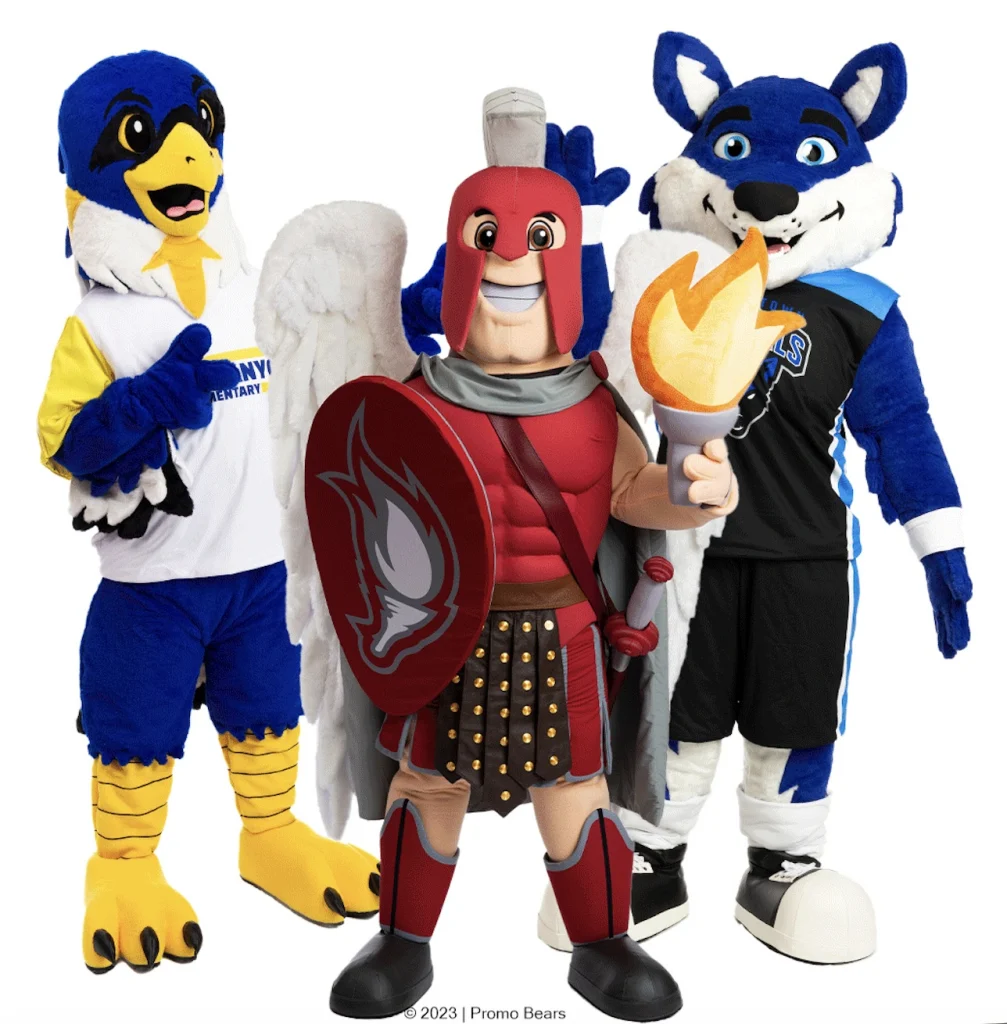
Marketing managers justify ROI on a child-friendly brand image by connecting it to measurable outcomes: increased brand recall, higher customer loyalty, stronger event engagement, and repeat purchase behavior. When a brand resonates with children and their parents, it builds trust across generations. This article walks through the key questions marketing managers and brand directors ask when building the business case for child-friendly branding investments.
What makes a brand image genuinely child-friendly?
A genuinely child-friendly brand image is one that communicates warmth, safety, and fun in a way that resonates with both children and the adults who make purchasing decisions for them. It goes beyond bright colors or cartoon fonts. The most effective child-friendly brands are consistent, approachable, and emotionally engaging across every touchpoint.
Several qualities define a brand image that truly connects with younger audiences and their families:
- Recognizable characters or mascots that give the brand a personality children can relate to
- Consistent visual identity across physical and digital channels, so kids recognize the brand instantly
- Safe, inclusive messaging that makes parents feel confident in the brand
- Interactive or tactile elements like plush toys, stickers, or branded giveaways that create a physical connection
- Emotional storytelling that builds genuine affinity rather than just awareness
The brands that do this best treat children as active participants in the brand experience, not passive recipients of advertising. That shift from broadcasting to engaging is what separates a genuinely child-friendly brand from one that simply uses child-themed visuals.
What ROI metrics apply to child-friendly brand investments?
The ROI metrics that apply to child-friendly brand investments include brand recall rates, event engagement numbers, social media reach generated by user-generated content, repeat purchase frequency, and net promoter scores among family-oriented customer segments. These metrics connect emotional brand experiences to measurable business outcomes.
Because child-friendly branding often works through indirect influence, the measurement approach needs to reflect that. A child who loves a brand mascot at an event will talk about it at home. That conversation influences a parent’s purchasing decision. Tracking that chain requires a mix of direct and indirect metrics.
Direct metrics worth tracking
Direct metrics include foot traffic at branded events, merchandise redemption rates, and conversion rates from family-targeted campaigns. If you hand out branded plush toys or stickers at an activation and track redemption of an attached offer, you get a clean line between the investment and the outcome.
Indirect metrics that build the long-term case
Indirect metrics are equally important. Brand lift studies, social listening for organic mentions, and repeat purchase data from family households all tell you whether your child-friendly brand image is creating lasting loyalty. These are the numbers that help marketing managers defend longer-term brand investments to senior stakeholders who want quarterly proof.
How do mascots and characters drive measurable brand engagement?
Mascots and characters drive measurable brand engagement by giving audiences something to emotionally connect with, photograph, share, and remember. A well-designed character creates a consistent brand presence that generates organic social content, increases dwell time at events, and boosts merchandise sales. The engagement they produce is trackable across multiple channels.
At live events, a mascot costume creates a natural gathering point. Families stop, take photos, and share them. That organic social reach is genuinely measurable: you can track impressions, tags, and mentions tied to mascot appearances. Over time, you build a picture of how much earned media your character generates per activation.
Beyond events, characters extend into merchandise. A custom plush toy, a set of stickers, or a branded keychain keeps the character present in a child’s daily life long after the event ends. That sustained presence is what turns a one-time brand interaction into an ongoing relationship. It is also what makes custom mascot merchandise one of the highest-retention brand tools available to marketing teams working in family-oriented markets.
What’s the difference between a mascot costume and mascot merchandise for ROI purposes?
For ROI purposes, a mascot costume is a live engagement tool that generates immediate, event-driven impact, while mascot merchandise is a retention tool that extends brand presence into everyday life over a longer period. Both serve different stages of the customer journey and deliver different types of measurable value.
A mascot costume creates high-intensity moments. When a character walks into a school event, a retail activation, or a sports game, it generates attention, photos, and emotional reactions in real time. The ROI from a costume is best measured through event-specific metrics: attendance, social content generated, and brand recall in post-event surveys.
Mascot merchandise works differently. A plush toy, a sticker sheet, or a custom stress ball goes home with the audience and stays there. It keeps the brand visible in a child’s bedroom, school bag, or on a parent’s desk. The ROI here is measured over a longer window through repeat purchase behavior, brand recall at later touchpoints, and net promoter scores.
Production timelines also differ, which affects campaign planning. A custom mascot costume takes 12 to 16 weeks to produce. Plush toys take 12 to 18 weeks depending on the delivery method. Smaller merchandise like stickers can be ready in as little as 7 to 10 days. Knowing these timelines helps marketing managers plan activations without last-minute surprises.
How can marketing managers present child-friendly brand ROI to senior stakeholders?
Marketing managers can present child-friendly brand ROI to senior stakeholders by framing it around business outcomes rather than brand sentiment. Connect every investment to revenue impact, customer lifetime value, or cost-per-engagement compared to digital advertising. Stakeholders respond to numbers, so the goal is to translate brand experience into business language.
Start by establishing a baseline. What does a new family customer typically spend over one year? What is the average cost to acquire a customer through paid digital channels? Once you have those numbers, you can show how a mascot activation at a community event, for example, acquired new family customers at a lower cost per acquisition than a comparable paid campaign.
Then add the retention argument. Child-friendly brand experiences tend to produce loyal customers because children influence repeat household purchases. A parent who sees their child light up around a brand character is more likely to return. That loyalty has a dollar value, and presenting it as lifetime value rather than a single transaction makes the business case much stronger.
Finally, use social proof. Organic social content generated by mascot appearances, photos shared by families, and word-of-mouth referrals all have an earned media value that can be estimated and included in the ROI calculation. Stakeholders who are skeptical of “soft” brand metrics respond well to seeing earned media value expressed in dollar terms.
When should a brand invest in a custom mascot versus off-the-shelf characters?
A brand should invest in a custom mascot when it needs a unique, ownable character that represents its specific identity and cannot be associated with any other brand. Off-the-shelf characters are suitable for short-term, low-budget activations where brand exclusivity is not a priority. For any serious, long-term child-friendly brand strategy, a custom mascot is the stronger investment.
Off-the-shelf characters have obvious appeal: they are faster to access and carry lower upfront costs. But they come with a significant limitation. If another brand uses the same character, your investment builds recognition for a shared asset rather than your own brand. In competitive markets, that is a meaningful strategic disadvantage.
A custom mascot, by contrast, is entirely yours. It reflects your brand’s colors, personality, and values. It can appear on merchandise, in digital content, at events, and in advertising without any risk of brand confusion. Over time, the character becomes an asset with compounding value: the more audiences see it, the stronger the brand association becomes.
The investment threshold for a custom mascot makes the most sense for brands that plan to use it consistently across multiple seasons or campaigns. If you are planning a single event and have no intention of building a character-led brand strategy, an off-the-shelf option may be sufficient. But if child-friendly brand engagement is a genuine strategic priority, a custom mascot pays for itself through the exclusivity, consistency, and long-term recognition it builds.
How Promo Bears helps you build a measurable child-friendly brand image
We work with marketing managers and brand directors who need more than a vendor. They need a partner who understands how to translate a brand identity into physical experiences that drive real engagement. At Promo Bears, we have spent over 19 years helping organizations create custom mascots and branded merchandise that connect with audiences and deliver results you can actually measure.
Here is what we bring to your child-friendly brand strategy:
- Free concept illustration based on your logo or design idea, with unlimited revisions before production starts
- Custom mascot costumes ready in 12 to 16 weeks, with 3D realistic eyes, a built-in ventilation system, and comfort-first construction
- Mascot merchandise including plush toys, stickers, stress balls, and keychains to extend your brand into everyday life
- A dedicated project manager who oversees every step from design approval to delivery
- Transparent pricing with a fixed quote based on your exclusive design, so you can build a confident business case from day one
Whether you are building the ROI case for a new mascot program or expanding an existing character into merchandise, we make the process straightforward and the results tangible. Get your free quote and see what your brand could look like as a character your audience will never forget.
Frequently Asked Questions
How long does it typically take to see measurable ROI from a child-friendly brand mascot program?
Most brands begin seeing direct, event-driven ROI within the first activation cycle — typically within 3 to 6 months of launching a mascot program. However, the stronger long-term ROI indicators, such as repeat purchase behavior, improved net promoter scores among family segments, and compounding brand recall, tend to emerge over 12 to 24 months of consistent use. Setting short-term benchmarks (event engagement, social reach) alongside long-term KPIs (customer lifetime value, retention rates) gives you a complete picture to present at every stakeholder review.
What are the most common mistakes brands make when launching a child-friendly mascot strategy?
The most common mistake is treating the mascot as a one-time event prop rather than a long-term brand asset. Brands that deploy a character at a single activation and then retire it miss the compounding recognition value that comes from consistent, repeated exposure. Other frequent missteps include designing a character without input from the target age group, failing to extend the mascot into merchandise that keeps the brand present in daily life, and not establishing baseline metrics before launch — making it impossible to prove ROI afterward.
How do we choose the right mascot merchandise format for our specific audience and campaign goals?
Start by matching the merchandise format to both the age range of your audience and the context in which it will be used. Plush toys are highly effective for children under 10 and work well at family events, school activations, and retail environments because they create an immediate emotional bond and have strong staying power in a child’s daily environment. Stickers and keychains suit older children and work well as high-volume giveaways at community events due to their lower cost and faster production timelines. For B2B or parent-facing touchpoints, branded stress balls or desk items extend the mascot’s reach into adult spaces. Aligning format to context ensures the merchandise is used and kept — which is what drives long-term brand visibility.
Can a small or mid-sized brand realistically afford a custom mascot program, and how should we budget for it?
Yes — a custom mascot program is scalable and does not require an enterprise-level budget to deliver meaningful ROI. The most practical approach for smaller brands is to phase the investment: start with a custom mascot costume for live activations, then expand into merchandise once you have event data to justify the next stage. When building your budget, factor in not just production costs but also the earned media value your mascot will generate through organic social sharing — this often offsets a significant portion of the upfront investment when included in your ROI presentation.
How do we maintain brand consistency when deploying a mascot across multiple channels and formats?
Consistency starts with a well-documented character style guide that defines your mascot’s colors, proportions, expressions, and personality traits across every format — from a full-scale costume to a 2-inch sticker. Work with your mascot producer to ensure that the physical costume and all merchandise items are manufactured to the same visual specifications, so the character looks identical whether a child sees it at an event or on a product at home. Extending the character into digital touchpoints — social media graphics, email headers, and website illustrations — using the same style guide reinforces recognition and prevents the brand dilution that comes from inconsistent character representation.
What if our mascot activation underperforms at its first event — how do we troubleshoot and improve results?
First, isolate the variable: poor performance at a single event is more often a placement or context issue than a character design problem. Assess whether the mascot had sufficient visibility and dwell time, whether staff were trained to facilitate photo opportunities and interactions, and whether the event audience matched your target family demographic. If engagement was low, test small adjustments before drawing conclusions — try a different event format, add a structured activity or giveaway tied to the mascot, or improve signage that draws families toward the character. Tracking post-event survey responses and social content generated per appearance across multiple activations gives you the data needed to optimize rather than abandon the program.
Are there any compliance or safety considerations we should be aware of when using mascot characters in child-focused marketing?
Yes, and addressing these proactively actually strengthens your ROI case by building parent trust. For mascot costumes used at live events, ensure the costume includes proper ventilation and visibility features to keep the performer safe, and establish clear interaction guidelines so children always feel comfortable — never pressured — to engage. On the marketing side, familiarize yourself with advertising standards that apply to child-directed content in your region, such as COPPA in the US or equivalent regulations, particularly if your mascot appears in digital campaigns or on platforms where children are the primary audience. Brands that visibly prioritize child safety in their mascot programs earn stronger parental endorsement, which directly supports the loyalty and word-of-mouth metrics at the core of your ROI model.