
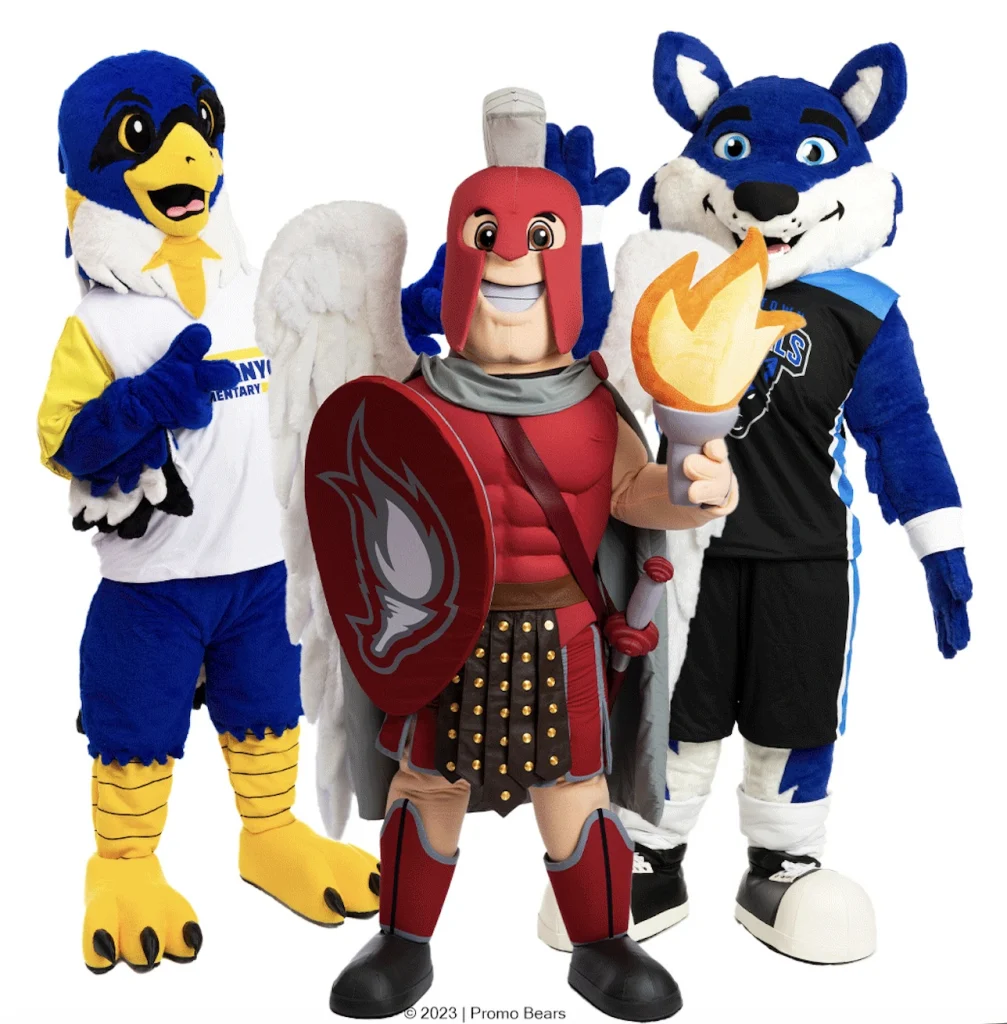
Choosing a sports mascot that truly represents your team comes down to three core decisions: the character type, the personality, and how it connects to your team’s identity, values, and community. A great team mascot is not just a costume: it is a living symbol that fans rally around, opponents recognize, and sponsors want to associate with. The sections below walk through every key question to help you make a confident, lasting choice.
What makes a sports mascot truly represent a team?
A sports mascot represents a team when it reflects the team’s identity, values, and community in a way that fans immediately feel. The best mascots carry meaning: they connect to a city’s history, a school’s culture, or a brand’s personality, and they express that meaning through a distinctive look and an energetic presence that is instantly recognizable.
Representation goes beyond appearance. A mascot that genuinely fits a team feels like a natural extension of the organization rather than a generic character dropped in from outside. Think about what your team stands for: strength, speed, community pride, a regional heritage, or a competitive spirit. The mascot should embody those qualities visually and behaviorally.
Consistency matters too. A mascot that shows up at every game, interacts with fans in the same energetic way, and appears across merchandise, social media, and signage builds familiarity over time. That familiarity is what turns a mascot character into a true symbol of team pride.
What are the most popular types of sports mascots?
The most popular types of sports mascots fall into four broad categories: animals, human archetypes, mythical creatures, and object or product characters. Animal mascots are by far the most common in North American sports, appearing across professional leagues, college athletics, and youth sports organizations at every level.
- Animal mascots: Bears, eagles, wolves, bulls, and big cats dominate because they project power, speed, and instinct, qualities that resonate with competitive sports.
- Human archetype mascots: Warriors, knights, patriots, and similar figures communicate strength, honor, and tradition, often tied to regional or cultural heritage.
- Mythical creature mascots: Dragons, phoenixes, and similar characters offer creative freedom and a sense of the extraordinary, popular with teams that want a unique identity.
- Object or brand mascots: These are more common in corporate-sponsored sports and minor leagues, where a product or brand icon becomes the team’s face.
Animal mascots remain the safest starting point for most sports teams because they translate easily into expressive costume designs and connect with fans of all ages. However, the right type ultimately depends on your team’s story and the image you want to project.
How do you choose a mascot character that fits your sport?
To choose a mascot character that fits your sport, match the character’s personality and physical energy to the pace and culture of the game. A fast, agile animal suits a basketball or soccer team. A powerful, imposing figure suits football or wrestling. The mascot character should feel like it belongs on the field, not just in the stands.
Beyond physical energy, consider your audience. Youth sports teams benefit from friendly, approachable characters that children love. College and professional teams can lean into more intense, competitive designs that fire up a crowd. The mascot for a family-oriented minor league baseball team will look and behave very differently from one designed for a high-intensity college football program.
Local and regional connections add another layer of authenticity. A mascot rooted in something specific to your city, state, or school history carries more meaning than a generic choice. Fans feel a stronger bond with a character that reflects where they are from.
Should your mascot be custom-designed or based on an existing character?
Your sports mascot should almost always be custom-designed. A custom mascot is exclusive to your team, protects you from intellectual property conflicts, and can be built to match your exact colors, personality, and brand standards. Using an existing character, even one that feels close to your vision, limits your ownership and creative control.
Custom mascot design starts with your brief: your team name, colors, values, and the feeling you want the mascot to project. From there, a professional mascot designer translates those inputs into a concept illustration you can refine before a single stitch is sewn. This process ensures the final costume matches your vision exactly.
The investment in a custom mascot costume pays off over years of use. A well-made, exclusive character becomes a protected asset, one that no other team or organization can replicate. It also gives you full flexibility to extend the mascot across merchandise, digital graphics, signage, and promotional products without licensing restrictions.
What questions should you ask a mascot costume manufacturer?
Before committing to a mascot costume manufacturer, ask about their design process, production timeline, quality standards, and what is included in the price. The answers will quickly reveal whether the manufacturer is a genuine partner or simply a vendor selling a standard product with a logo slapped on it.
Here are the most important questions to ask:
- Do you provide a free concept illustration before I commit? A reputable manufacturer will show you exactly what the mascot will look like before production begins.
- How many revisions are included in the design process? Unlimited revisions signal confidence in the collaborative process.
- What is the production timeline? Custom mascot costumes typically take 12 to 16 weeks from design approval to delivery, so plan accordingly.
- What ventilation and comfort features are built into the costume? Performers wear mascot suits for extended periods, so airflow and wearability are non-negotiable.
- What quality control steps are taken before shipping? Ask whether final photos are shared for your approval before the costume is packed and sent.
- Who is my point of contact throughout the project? A dedicated project manager makes the process far smoother than dealing with a general support queue.
- What sizes does the costume fit, and can it be adjusted? Standard sizing covers most performers, but custom sizing should be available if needed.
The answers to these questions will tell you a great deal about the manufacturer’s professionalism and whether they treat your project as a priority.
How do you know if your sports mascot is working?
You know your sports mascot is working when it generates measurable fan engagement, increases merchandise sales, and becomes a recognizable part of your team’s public identity. A mascot that fans photograph, post about, and actively seek out at events is doing its job. One that stands quietly in a corner is not.
Engagement signals to watch include social media mentions and tags featuring the mascot, the volume of mascot-branded merchandise sold, crowd energy during mascot appearances, and media coverage that includes the mascot as part of the team’s story. These are practical indicators that the character has connected with your audience.
Long-term brand recognition is the deeper measure. When people outside your existing fan base recognize your mascot and associate it with your team, the character has become a genuine brand asset. That level of recognition takes consistency: regular appearances, quality merchandise, and a mascot personality that stays true to the team’s values season after season.
How Promo Bears helps you choose and create the right sports mascot
At Promo Bears, we guide sports teams and organizations through every step of the mascot creation process, from the very first concept to the finished costume delivered to your door. Here is what working with us looks like:
- Free concept illustration: We create a custom design based on your team’s colors, name, and brief, with unlimited revisions until it is exactly right.
- 19 years of mascot expertise: Our team has produced over 4,000 custom mascots for sports teams, schools, universities, and global brands.
- Built-in comfort and ventilation: Every costume features lifelike 3D eyes and an integrated ventilation system so performers stay comfortable during long appearances.
- Dedicated project manager: One point of contact oversees your project from design approval through quality control and delivery.
- 12- to 16-week production timeline: Rush options are available when your schedule demands it.
- Full merchandise range: Beyond the costume, we produce custom stress balls, plush toys, inflatables, and more to extend your mascot across every fan touchpoint.
Ready to bring your team mascot to life? Get a free quote and receive your complimentary concept illustration with no upfront commitment required.