
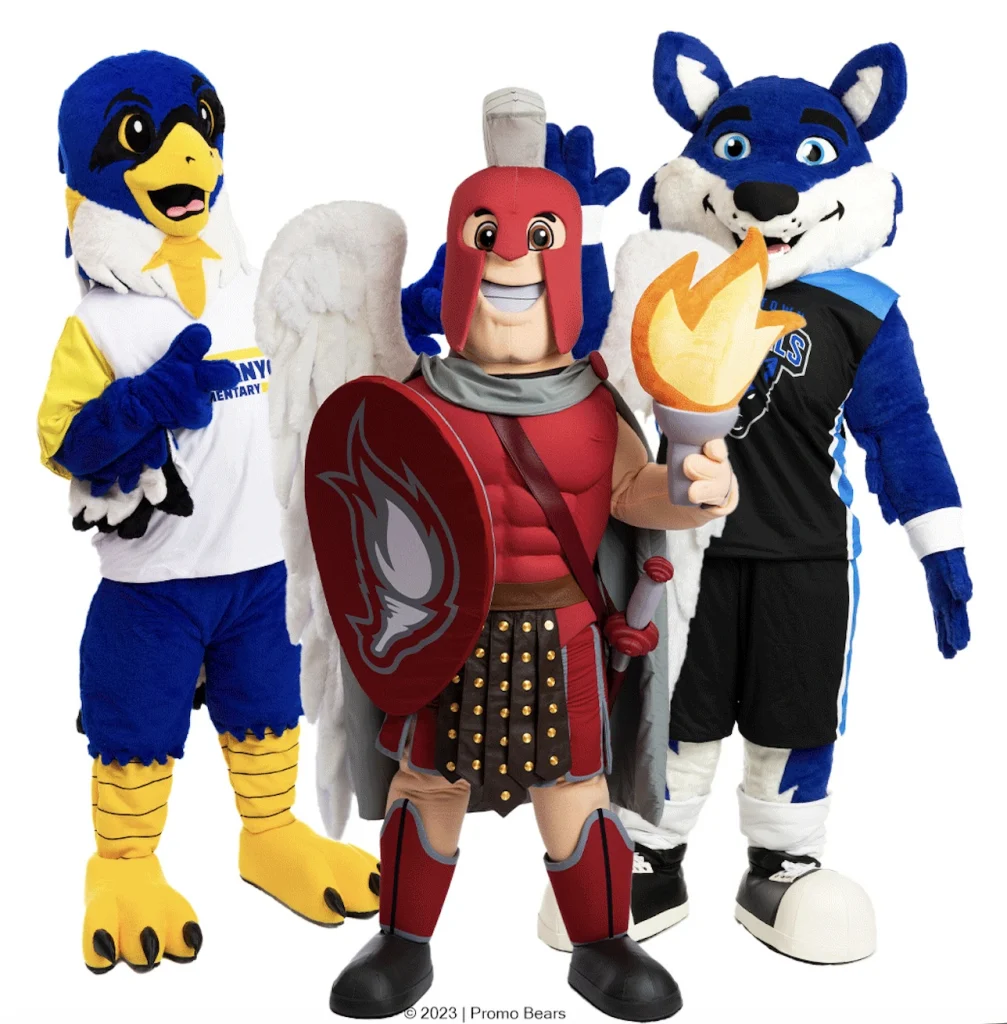
To design a logo stress ball that represents your brand, start by translating your logo or brand concept into a three-dimensional shape that works in foam. The most effective branded stress balls go beyond a flat print: they become a miniature sculpture of your brand identity, crafted to be instantly recognizable the moment someone picks one up.
The key is working with a production partner who can custom-mold your exact shape, match your brand colors precisely, and guide you through the design process before a single unit is produced. The sections below walk through every question you should be asking before you place your order.
What makes a stress ball design effective for brand recognition?
An effective logo stress ball design is one that communicates your brand instantly, through shape, color, and form, without needing a label to explain it. The most memorable branded stress balls are shaped like something directly connected to your brand: a product you sell, your mascot, your logo mark, or a concept your audience already associates with you.
Color plays a huge role here. Generic stress balls in a vague color with a small printed logo are easy to forget. When your stress ball uses your exact brand colors, matched to your specific PMS codes, it reinforces your visual identity every single time someone squeezes it.
Shape is equally powerful. A round ball with a logo printed on it is functional, but a stress ball shaped like your product, mascot, or icon becomes a conversation starter. People keep it on their desk, show it to colleagues, and remember where it came from. That kind of organic visibility is hard to buy through traditional advertising.
The tactile experience matters too. A stress ball that feels satisfying to squeeze, holds its shape over time, and maintains vivid colors through daily use creates a lasting positive association with your brand. Durability is not just a quality issue: it is a brand perception issue.
How do you translate a logo into a 3D stress ball shape?
Translating a logo into a 3D stress ball shape starts with identifying which element of your logo has the most visual impact and can be realistically sculpted in foam. Flat, text-heavy logos need to be interpreted creatively, typically by pulling out an icon, mascot, or product shape that lives within or alongside the logo.
The process usually works like this:
- Share your logo, brand guidelines, and any shape ideas with your production partner.
- Receive a free concept illustration showing how your brand translates into a 3D form.
- Review and refine the design through revisions until it captures exactly what you want.
- Approve a physical prototype before mass production begins.
- Confirm color accuracy against your PMS references before the full run is produced.
The concept illustration stage is critical. It is where a two-dimensional graphic becomes a three-dimensional object, and small decisions made here (like how to handle fine details, which angles to emphasize, and how to balance proportions) determine whether the final product is immediately recognizable or just vaguely familiar.
Custom tooling and injection molds are created specifically for your shape, which is why custom logo stress balls require a higher minimum order quantity than off-the-shelf options. That investment in tooling is what makes your stress ball genuinely yours, not a generic shape with your name on it.
What information do you need before ordering custom logo stress balls?
Before ordering custom logo stress balls, you need to have your brand assets ready, a clear sense of the shape you want, your target quantity, and your delivery deadline. The more specific you can be upfront, the smoother and faster the design process will be.
Here is what to gather before reaching out to a production partner:
- Logo files in vector format (AI, EPS, or SVG) so the design team can work with clean, scalable artwork
- PMS color codes for any colors that need to be matched precisely
- Shape concept or reference images if you have a specific form in mind beyond a round ball
- Target quantity so pricing and tooling costs can be calculated accurately
- Delivery deadline because custom stress balls take 10 to 12 weeks from design approval, and rush options should be discussed early
- End-use context such as trade show giveaway, employee wellness kit, or retail promotion, since this can influence size and shape decisions
You do not need to have everything finalized before making contact. A good production partner will work with you from the concept stage. But having your brand assets and timeline ready from the start avoids delays and ensures the free concept illustration reflects your actual brand, not a guess.
What are the most common stress ball shapes for branded merchandise?
The most common stress ball shapes for branded merchandise are round balls with a full-color print, but custom shapes, including product replicas, mascots, animals, food items, and logo icons, are increasingly popular because they create far stronger brand recall.
Round stress balls are a reliable starting point, especially when you want full-color printing across the entire surface. They are versatile, universally recognizable as stress balls, and easy to produce in large quantities. For brands that want simplicity and speed, a round ball with a precise color match and bold logo print is a solid choice.
Custom shapes take the concept further. Companies in food and beverage often choose shapes that mirror their products. Healthcare brands frequently use anatomy-inspired shapes. Sports teams and schools lean toward mascot-shaped stress balls that fans and students genuinely want to keep. The shape itself becomes a brand message.
Whatever shape you choose, the goal is the same: create something people will keep on their desk rather than drop in a drawer. The longer your stress ball stays visible, the more impressions it generates, and that is what separates a great promotional product from a forgettable one.
How do custom stress balls compare to other promotional giveaways?
Custom stress balls outperform many promotional giveaways in terms of longevity and daily visibility. Unlike brochures, flyers, or single-use items, a well-made stress ball sits on a desk, travels in a bag, and gets handled repeatedly, giving your brand repeated exposure from a single item.
Compared to items like pens or tote bags, a custom-shaped stress ball is more distinctive and harder to replicate generically. A pen with your logo is useful but forgettable. A stress ball shaped exactly like your product or mascot is a miniature brand ambassador that sparks curiosity and conversation.
The tactile nature of stress balls also sets them apart. People interact with them physically and repeatedly, which creates a stronger sensory connection to your brand than a printed flat item ever can. That repeated physical interaction builds familiarity in a way that passive promotional items simply cannot match.
From a cost-per-impression standpoint, custom stress balls deliver strong value over time. They are durable, compact enough to ship and distribute easily, and versatile enough to work at trade shows, in welcome kits, as event giveaways, or as part of seasonal campaigns.
Who should be involved in approving a stress ball design?
The stress ball design approval process should involve your brand or marketing team for visual accuracy, a senior decision-maker for final sign-off, and ideally a procurement or project lead to confirm quantities and timelines. Keeping the approval group focused prevents delays and conflicting feedback.
Brand managers or designers should review the concept illustration first to confirm that the shape, colors, and proportions align with your brand guidelines. This is the stage to flag anything that does not look right, before tooling is created and before production begins.
A senior stakeholder, such as a marketing director or brand director, should give final approval before the prototype is produced. This person confirms that the product aligns with the campaign strategy and justifies the investment. Having this sign-off documented also protects the project from scope changes later in the process.
If your organization has a procurement team, loop them in early to handle vendor paperwork, purchase orders, and budget allocation. The earlier they are involved, the less likely you are to hit administrative delays when the prototype is ready and you want to move quickly into mass production.
For large orders or high-stakes campaigns, requesting a physical prototype before approving the full run is always the right call. Seeing and feeling the actual product eliminates any ambiguity and gives every stakeholder the confidence to move forward.
How Promo Bears helps you design the perfect logo stress ball
We specialize in fully custom stress balls built entirely around your brand, not standard shapes with a simple one-color print. Here is what working with us looks like:
- Free concept illustration based on your logo or design idea, with unlimited revisions until it is exactly right
- Exact PMS color matching so your stress ball reflects your brand colors with precision
- Full-color printing available on round stress balls for maximum visual impact
- Physical prototype approval before mass production begins, so you know exactly what you are getting
- A dedicated project manager who guides your order from concept through to delivery
- Production in 10 to 12 weeks from design approval, with rush options available for tighter deadlines
- Worldwide shipping to clients across the USA, Canada, and beyond
Whether you want a mascot-shaped stress ball, a product replica, or a bold round ball in your exact brand colors, we have the expertise and tooling to bring it to life. Request a free quote today and let us show you what your brand looks like in 3D.
Frequently Asked Questions
What is the minimum order quantity for custom logo stress balls?
Minimum order quantities for custom-shaped stress balls are typically higher than for standard off-the-shelf options because each unique shape requires custom tooling and injection molds to be created specifically for your design. The exact minimum varies depending on the complexity of your shape and your production partner, so it is best to discuss your target quantity early in the process. If your quantity is on the lower end, a round stress ball with full-color printing may be a more accessible starting point while still delivering strong brand visibility.
How do I know if my logo will translate well into a 3D stress ball shape?
Logos with a distinct icon, mascot, or recognizable product shape tend to translate most effectively into 3D foam. Text-heavy or highly detailed logos may need to be simplified or reinterpreted, with a key visual element pulled out and sculpted as the primary form. The free concept illustration stage is specifically designed to answer this question for you: your production partner will show you exactly how your brand translates before any tooling or production commitment is made, giving you the chance to refine the direction with zero risk.
Can I order stress balls in multiple shapes or colors within the same order?
Splitting an order across multiple custom shapes typically means meeting the minimum order quantity for each shape individually, since each requires its own mold and tooling setup. Color variations within the same shape are generally more straightforward and may be achievable within a single production run, depending on the manufacturing process. If you are considering multiple variants, discuss this with your production partner upfront so they can structure the order in the most cost-effective way and flag any tooling implications early.
What is the best way to distribute custom stress balls to maximize brand impact?
The highest-impact distribution scenarios are those where your stress ball ends up in a space it will be seen repeatedly, such as on a recipient’s desk, in a home office, or in a shared workspace. Trade show giveaways, conference welcome kits, employee onboarding packages, and direct mail campaigns are all proven contexts where stress balls generate sustained visibility well beyond the initial handout. Pairing the stress ball with a short message that explains the shape or connects it to your brand story can also increase the likelihood that recipients keep it rather than discard it.
What happens if I am not happy with the prototype before mass production?
The prototype approval stage exists precisely to catch any issues before the full production run begins, and requesting revisions at this point is a normal and expected part of the process. A reputable production partner will work with you to adjust the shape, color accuracy, or proportions until the prototype meets your expectations before proceeding. This is why it is critical to involve your brand team and key stakeholders in the prototype review, so that any concerns are surfaced and resolved while changes are still straightforward to make.
Are custom stress balls safe and compliant with promotional product standards?
Quality custom stress balls produced by reputable manufacturers are made from non-toxic polyurethane foam and should comply with relevant safety standards, including those applicable to promotional products distributed in the US and Canadian markets. If your stress balls will be used in contexts involving children, such as school events or family-oriented campaigns, it is worth specifically asking your production partner about age-appropriateness and any applicable safety certifications. Always request documentation of compliance if you have specific regulatory requirements or are distributing through retail channels.
How far in advance should I start the ordering process for a specific event or campaign deadline?
Given that custom stress balls typically take 10 to 12 weeks from design approval to delivery, you should ideally begin the process at least 14 to 16 weeks before your target in-hand date to allow buffer time for the concept illustration, revisions, prototype approval, and any unforeseen production or shipping delays. For major trade shows, product launches, or seasonal campaigns with fixed dates, starting even earlier gives you more flexibility and access to standard production timelines rather than costly rush options. Contact your production partner as early as possible and share your deadline upfront so they can flag any risks immediately.
Related Articles
- How do you create a brand character that represents your organization?
- How do sports teams use mascots to build a child-friendly brand image?
- What are the benefits of promotion at trade shows?
- What is the difference between mascot design and logo design?
- What are the best promotional products for sports teams?