
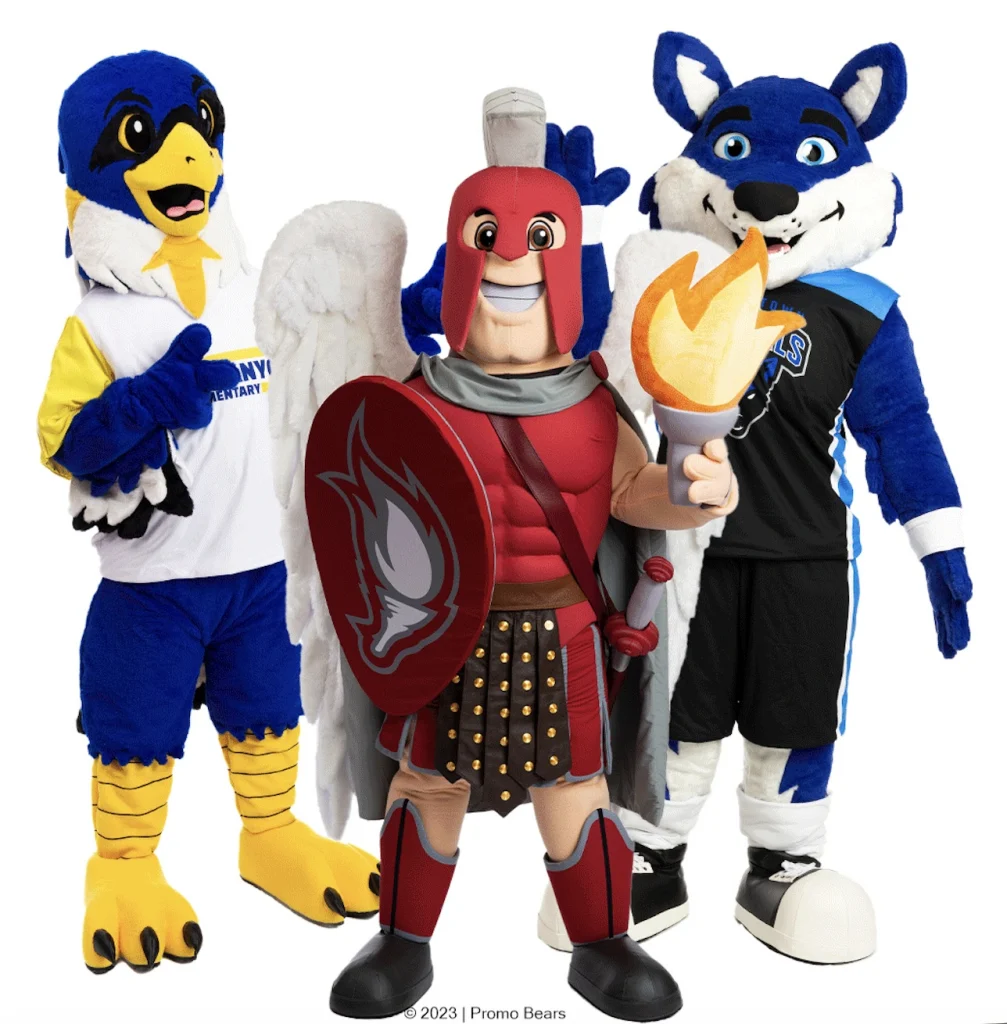
A recognizable brand character boosts revenue for children’s products by creating an emotional connection that drives repeat purchases, brand loyalty, and word-of-mouth referrals. When kids form a bond with a character, they actively request products associated with it, which gives brands a direct sales advantage over competitors without a character. Below, we break down exactly how this works and what it means for your brand strategy.
What makes a brand character stick with children and parents?
A brand character sticks with children and parents when it combines emotional warmth, a distinct personality, and a consistent visual identity. Kids connect with characters that feel friendly and safe, while parents respond to characters that feel trustworthy and age-appropriate. That combination creates a powerful dual appeal that keeps the character relevant across both audiences.
Children are highly visual and emotionally driven. A character with a memorable shape, bold colors, and a clear personality becomes easy to recognize and recall, even for very young audiences. The character does not need to be complex. In fact, simpler, more expressive designs tend to perform better because children can relate to them quickly.
Parents play an an equally important role. They control purchasing decisions, so a character that signals quality and safety earns their trust. When a character appears consistently across packaging, events, and promotional materials, it builds familiarity, and familiarity builds trust over time.
How does a brand character directly increase sales of children’s products?
A brand character directly increases sales by turning passive brand awareness into active product preference. When children recognize and love a character, they ask for products associated with it by name, which reduces price sensitivity and shortens the purchase decision cycle for parents.
This effect shows up in several concrete ways:
- Children request specific products at the point of sale, giving retailers and brands a measurable pull-through effect
- Character-branded products command premium pricing because the emotional value outweighs the functional comparison
- Merchandise featuring the character, such as plush toys, stickers, and keychains, creates additional revenue streams beyond the core product
- A beloved character generates organic social sharing from parents, extending reach without additional ad spend
- Brand characters anchor promotional campaigns, making seasonal and event-based marketing more effective
The revenue impact is not limited to direct product sales. A strong character also increases the lifetime value of a customer by encouraging repeat purchases and brand loyalty that grows alongside the child.
What types of brand characters work best for children’s products?
The brand characters that work best for children’s products are those with a friendly animal or creature design, an expressive face, and a personality that children can project emotions onto. Animal characters consistently outperform abstract or human-like characters in recognition and emotional engagement among younger audiences.
Beyond the visual design, personality matters just as much. Characters that are curious, playful, and slightly silly tend to resonate with children aged three to ten, while slightly older children respond better to characters with a sense of adventure or humor. The character’s personality should also reflect the brand’s values so that both the child and parent experience a consistent message.
Consistency across touchpoints is what separates a character that sticks from one that fades. A character that appears only on packaging but not at events, in digital content, or on promotional merchandise loses impact quickly. The more places a child encounters the character, the stronger the recognition and the stronger the sales connection.
How does a mascot character build long-term brand loyalty in young audiences?
A mascot character builds long-term brand loyalty in young audiences by becoming part of their emotional memory. Children who grow up with a character associate it with positive experiences, and that emotional imprint often carries into adulthood, creating lifelong brand affinity that extends well beyond childhood purchasing.
This process works in stages. In early childhood, the character creates recognition and comfort. As children grow, they develop a personal attachment to the character’s story and personality. By the time they reach adolescence, the character has become part of their personal history with the brand.
Parents reinforce this cycle. When a parent grew up with a character themselves, they are more likely to introduce their own children to the same brand, creating a multigenerational loyalty loop. This is one of the most valuable long-term outcomes of investing in a strong brand character for children’s products.
Live mascot appearances at events accelerate this process significantly. A child who meets a mascot in person forms a much stronger memory than one who only sees the character on a screen or package. That real-world interaction deepens the emotional connection in a way that digital marketing alone cannot replicate.
What’s the difference between a brand character and a brand mascot?
A brand character is a visual persona used across marketing and packaging to represent a brand’s identity, while a brand mascot is a physical, three-dimensional embodiment of that character, brought to life at events, activations, and in-store appearances. The two are closely related but serve different functions.
Think of the brand character as the concept and the mascot as the execution. A character lives in illustrations, animations, and printed materials. A mascot lives in the real world, interacting directly with children and creating live experiences that no printed image can match.
For children’s brands in particular, the mascot is where the character becomes truly memorable. A child who hugs a mascot, takes a photo with it, or watches it perform at a school event walks away with a story to tell. That story is the most powerful form of children’s marketing because it spreads naturally through peer groups and family conversations.
Many successful children’s brands use both in parallel. The character drives recognition through consistent visual branding, while the mascot drives emotional depth through live engagement. Together, they create a complete brand experience that works across every channel and every age group.
How do you turn a brand character into physical promotional products?
You turn a brand character into physical promotional products by starting with a clear, scalable character design and then selecting product formats that match your audience’s age group, your distribution channels, and your campaign goals. The character design should translate cleanly across different sizes and materials before production begins.
The most effective promotional products for children’s brands include:
- Plush toys: High perceived value, strong emotional connection, and a product children keep and display. Production typically takes 12 to 18 weeks including sea delivery.
- Stickers: Low cost, high distribution potential, and universally loved by children. Ready in as little as 7 to 10 days.
- Keychains and enamel pins: Collectible formats that appeal to slightly older children and parents. Most are ready within 3 to 6 weeks.
- Custom mascot costumes: The most impactful live activation tool, bringing the character to life for events, store openings, and school visits. These take 12 to 16 weeks to produce.
- Giant inflatables: Ideal for outdoor events and trade shows, with a production time of 3 to 4 weeks.
The key is to match the product to the moment. Stickers and keychains work well as giveaways at high-volume events. Plush toys are better suited to retail environments or loyalty rewards. A mascot costume is the right investment when live brand activation is part of your ongoing marketing strategy.
How Promo Bears helps you build a revenue-driving brand character for kids
We specialize in turning brand characters into physical products that children love and parents trust. Whether you are starting from scratch with a new character concept or ready to bring an existing one to life, we cover every format you need to build a complete brand experience.
Here is what we offer for children’s brands specifically:
- Free concept illustration based on your logo or character idea, with unlimited revisions until the design is exactly right
- Custom mascot costumes that bring your character to life at events, ready in 12 to 16 weeks
- Plush toys, stickers, keychains, enamel pins, and giant inflatables, all produced to match your character’s exact colors and design
- A dedicated project manager who oversees every step from design approval to delivery
- Over 19 years of experience producing custom mascot products for brands, schools, and organizations across North America
If you are ready to see what your brand character could look like as a mascot costume, plush toy, or full product range, get a free quote and we will put together a concept for you at no cost and with no commitment required.
Frequently Asked Questions
How long does it typically take to develop a brand character from scratch?
Developing a brand character from scratch can take anywhere from a few weeks to a couple of months, depending on the complexity of the design and how many revision rounds are needed. The process generally starts with a concept illustration based on your brand values, target age group, and visual identity, followed by refinements until the design is finalized. Working with an experienced partner who offers unlimited revisions, like Promo Bears, can significantly streamline this timeline and ensure the character is ready to move straight into production across multiple product formats.
What are the most common mistakes brands make when introducing a character for children's products?
The most common mistake is creating a character that appeals to adults but fails to connect with children — overly complex designs, muted color palettes, and abstract forms are frequent culprits. Another major pitfall is inconsistency: launching a character on packaging but not following through with mascot appearances, digital content, or promotional merchandise severely limits its impact. Finally, many brands underestimate the importance of personality, treating the character as a logo rather than a living persona with a story, which prevents the emotional connection that drives repeat purchases.
At what stage of business growth should a children's brand invest in a mascot costume?
A mascot costume makes the most sense once your brand has a defined character and a clear pipeline of live events, retail activations, or school visits where it will be used regularly. It is not just a one-time purchase — it is a long-term marketing asset, so brands that attend trade shows, sponsor community events, or run in-store promotions will see the strongest return on investment. If you are still in early-stage growth, starting with lower-cost touchpoints like stickers and plush toys to build character recognition first is a smart approach before committing to a costume.
Can a brand character work effectively for children's products sold primarily online, without live events?
Yes, a brand character can absolutely drive results in a purely digital and e-commerce environment, though the strategy needs to lean on consistent visual branding across your website, packaging, social media, and email marketing. Animated versions of the character used in video content and digital ads can replicate some of the emotional engagement that live mascot appearances create. Including physical touchpoints like character-branded packaging inserts, stickers, or a small plush toy with orders also gives children a tangible connection to the character even without in-person events.
How do I make sure my brand character appeals to both children and their parents at the same time?
The key is designing with a dual-audience mindset from the start: the character’s visual design, colors, and expressiveness should immediately attract children, while its overall presentation — quality, safety signals, and consistency — should reassure parents. Avoid humor or design elements that feel edgy or chaotic, as these can put parents off even if children enjoy them. Grounding the character in clear brand values, such as friendliness, curiosity, or care, gives parents a reason to trust it while still making it genuinely fun and engaging for kids.
Is it worth creating a range of promotional products around a character, or is it better to focus on one format first?
Starting with one or two core formats and expanding over time is generally the smarter approach, especially for brands with limited initial budgets. Stickers are an excellent entry point because they are low-cost, fast to produce, and widely loved by children, making them ideal for building early character recognition. Once the character has traction, adding a plush toy or mascot costume creates higher-value touchpoints that deepen the emotional connection and open up additional revenue streams like merchandise sales and live event activations.
How do I protect my brand character from being copied or misused once it is in circulation?
The most important step is to register your character design as a trademark and, where applicable, protect it under copyright law as soon as the design is finalized — ideally before it goes into production or public use. Work with an intellectual property attorney to ensure your character’s visual identity, name, and any associated stories or slogans are properly covered. Keeping detailed records of your design files, revision history, and first-use dates also strengthens your legal position if a dispute arises down the line.