
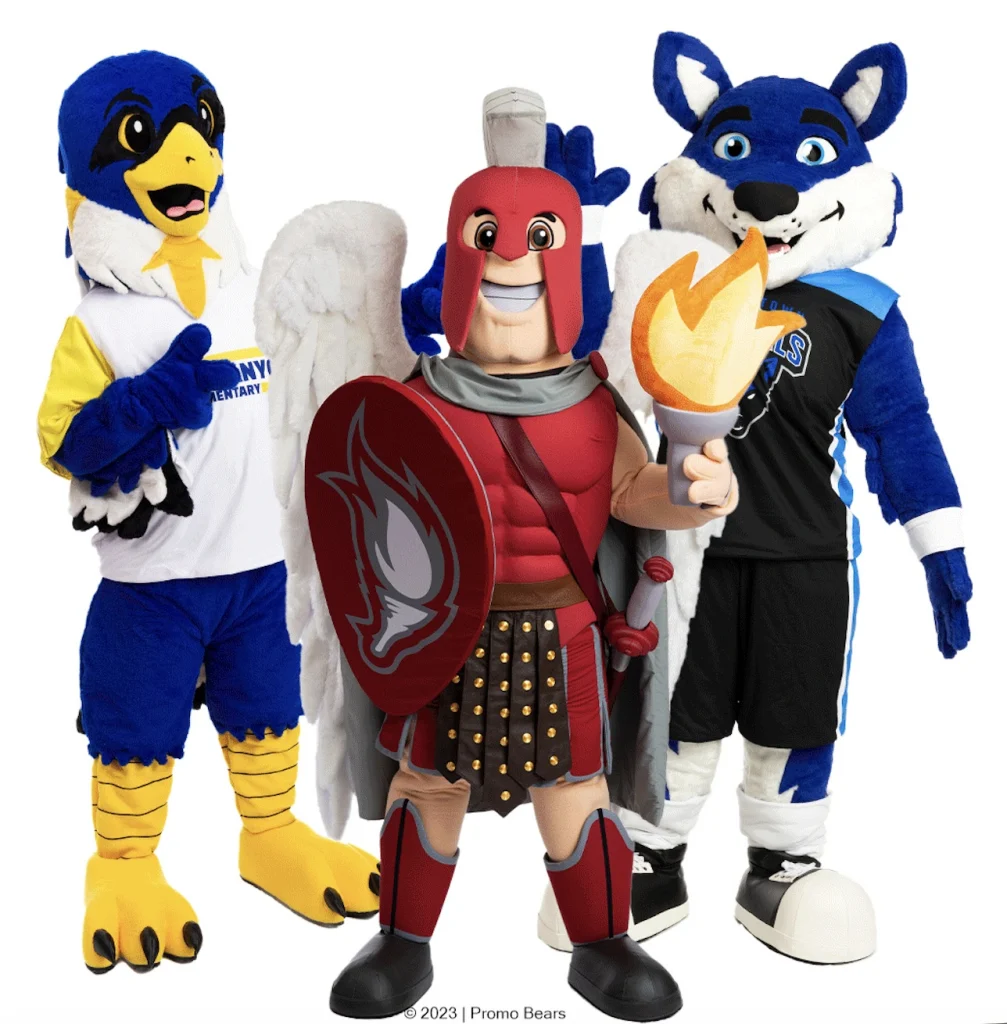
Developing a child-friendly brand image using a mascot typically takes between three and six months, from initial concept to meaningful brand recognition among young audiences. The design and production phase alone can run 12 to 16 weeks for a custom mascot costume, and building genuine recognition with kids requires consistent, repeated exposure across events, merchandise, and digital touchpoints. This article walks through the key questions brands ask when building a mascot strategy for younger audiences.
What makes a mascot appeal specifically to children?
A mascot appeals to children when it combines bright, bold colors with a friendly, rounded design and a clear personality that kids can instantly understand and relate to. Children respond to characters that feel approachable, playful, and safe. A mascot with sharp edges, muted tones, or an ambiguous expression will not connect the way a warm, expressive character does.
The most effective child-friendly mascots share a few common traits:
- Big, expressive eyes that convey emotion at a glance
- Soft, rounded shapes that feel safe and non-threatening
- A recognizable personality, whether that is silly, adventurous, or nurturing
- Bright, saturated colors that stand out in a crowded environment
- A name and backstory that kids can remember and retell
Beyond visual design, the mascot needs to behave consistently. Children build trust through repetition. When they see the same character at events, on merchandise, and in communications, the mascot becomes a familiar friend rather than a stranger in a costume. That familiarity is what turns a character into a genuine brand asset.
How long does the mascot design process typically take?
The mascot design process typically takes 12 to 16 weeks from concept approval to delivery of a finished custom mascot costume. This timeline covers concept illustration, design revisions, production, quality control, and shipping. Smaller mascot merchandise items like stickers or keychains can be ready in as little as three to six weeks.
Here is a practical breakdown of production timelines for the most common mascot-related products:
- Custom mascot costume: 12 to 16 weeks total, including design, production, and quality review
- Giant mascot inflatables: 3 to 4 weeks, making them a fast option for event launches
- Plush toys: 12 to 18 weeks, depending on whether you choose sea or air shipping
- Mascot stickers: approximately 4 weeks
- 2D keychains, enamel pins, and magnets: 3 to 6 weeks each
Smart brands plan their mascot launch in phases. A giant inflatable or a set of stickers can go into production first and be ready for an event while the full costume is still being made. This approach lets you build early buzz with kids before the main mascot costume even arrives.
The design phase itself should never be rushed. Getting the character right matters more than saving a week on the calendar. Starting with a free concept illustration and taking time for revisions ensures the final character genuinely connects with young audiences rather than needing a costly redesign later.
How quickly can a mascot improve brand recognition among kids?
A mascot can begin improving brand recognition among children within a few weeks of consistent exposure, but meaningful, lasting recognition among young audiences typically builds over three to six months of regular appearances. Children need to see a character multiple times before they start associating it with a brand and talking about it to others.
The speed of recognition depends heavily on how many touchpoints you create. A mascot that only appears at one annual event will take far longer to stick than one that shows up at school visits, on merchandise, in social media posts, and at community events throughout the year. Frequency and variety of exposure are the biggest drivers of how fast recognition grows.
Children also talk. When a kid sees a mascot at an event and then spots the same character on a sticker or a plush toy at home, the connection deepens. Word of mouth among children is genuinely powerful, and a well-designed character that kids find exciting will spread through playgrounds and classrooms faster than most traditional advertising.
What factors speed up or slow down mascot adoption by a young audience?
Mascot adoption by young audiences speeds up when the character appears frequently, has a consistent personality, and is accessible through merchandise kids can own. It slows down when the mascot is only seen occasionally, lacks a clear story, or feels more like a corporate logo than a real character children can connect with emotionally.
The factors that accelerate adoption include:
- Regular live appearances at schools, sports events, or community gatherings
- Merchandise children can take home, such as plush toys, stickers, or keychains
- A clear name and personality that adults and teachers can reinforce
- Interactive moments where kids can meet, hug, or photograph the mascot
- Consistency across every format, from the costume to printed materials
What slows adoption is equally worth understanding. A mascot that looks different across formats confuses children. A costume that is rarely seen outside of one annual event loses relevance quickly. And a character without a name or story gives kids nothing to hold onto. The emotional hook is everything when your audience is under twelve.
Should a brand use a costume mascot, an inflatable, or both for kids’ events?
For kids’ events, using both a costume mascot and a giant inflatable is the strongest approach. The costume creates direct, personal interaction that children remember, while the inflatable provides high-visibility signage that draws families toward your brand from a distance. Together, they create a complete brand experience that works at multiple levels simultaneously.
That said, the right choice also depends on your event format and budget. A costume mascot is ideal for meet-and-greet moments, photo opportunities, and interactive activities. Children can hug a costumed character, shake its hand, and have a one-on-one experience that feels genuinely special. These moments are the ones kids talk about afterward.
A giant mascot inflatable, which can be ready in just three to four weeks, serves a different purpose. It acts as a landmark. At a crowded fair, festival, or sports event, a towering inflatable version of your mascot tells families exactly where to find you before they even read a sign. It is also visible in photos and videos that parents share on social media, extending your reach well beyond the event itself.
For brands working with a phased budget, starting with an inflatable while the costume is in production is a practical strategy. The inflatable goes up fast, creates early awareness, and gives you a strong visual presence at your first event while the costume is being crafted to the highest standard.
How do you maintain a child-friendly brand image once the mascot is launched?
Maintaining a child-friendly brand image after launch requires keeping the mascot visible, consistent, and fresh through a steady mix of live appearances, new merchandise, and seasonal activations. A mascot that disappears after its debut quickly fades from children’s memory. Ongoing presence is what turns a character into a long-term brand icon.
Consistency matters most. The mascot’s colors, personality, and visual style must remain the same across every format. Whether a child sees the character on a sticker, a plush toy, or at a live event, the experience should feel like meeting the same familiar friend. Any inconsistency chips away at the trust you have built.
Introducing new merchandise over time also keeps the mascot relevant. A child who already has a keychain might want the matching plush toy next season. A school that started with stickers might add mascot-branded drawstring bags for a fundraiser. Each new product extends the character’s presence into kids’ daily lives and gives them fresh reasons to stay connected to the brand.
Seasonal appearances and themed activations are another powerful tool. A mascot that shows up at back-to-school events, holiday parties, and spring fairs becomes part of the annual rhythm of children’s lives. That kind of consistent, calendar-driven presence is what separates a mascot that endures from one that is forgotten after the launch event.
How Promo Bears helps you build a child-friendly brand image
Building a child-friendly brand image takes the right character, the right products, and a partner who can deliver both with consistency and quality. That is exactly what we do at Promo Bears. With over 19 years of experience and more than 4,000 custom mascots created for brands across North America, we handle every step from concept to delivery.
Here is what working with us looks like in practice:
- Free concept illustration based on your logo or design idea, with unlimited revisions until you are completely happy
- Custom mascot costumes ready in 12 to 16 weeks, featuring 3D realistic eyes, a built-in ventilation system, and a comfortable fit
- Giant mascot inflatables produced in just 3 to 4 weeks for fast event deployment
- Plush toys, stickers, keychains, and more to extend your mascot’s reach into kids’ everyday lives
- A dedicated project manager who oversees your entire project from design to delivery
Whether you are launching a new character or expanding an existing mascot into a full merchandise line, we are ready to help you make it happen. Get a free quote and start building a mascot that kids will love for years to come.
Frequently Asked Questions
What is the ideal age range to target when designing a child-friendly mascot?
The sweet spot for most child-friendly mascots is children aged 3 to 10, but the design approach should shift depending on where within that range your core audience falls. Younger children (ages 3–6) respond best to very simple shapes, exaggerated features, and nurturing personalities, while kids aged 7–10 tend to engage more with mascots that have a distinct backstory, a sense of humor, or an adventurous edge. Defining your target age group before the design phase begins ensures every visual and personality decision is made with the right child in mind.
How many live appearances should a mascot make per year to maintain strong recognition with kids?
As a general benchmark, aim for a minimum of 8 to 12 live appearances per year spread across different types of events — school visits, community fairs, sports events, and seasonal activations — to maintain meaningful recognition among young audiences. Clustering all appearances into one season and going quiet for the rest of the year significantly slows the trust-building process with children. The more varied and frequent the touchpoints, the faster the mascot becomes a familiar, trusted character rather than something kids only vaguely remember seeing once.
What is the biggest mistake brands make when launching a mascot for a young audience?
The most common and costly mistake is launching the mascot as a one-time event and failing to follow up with consistent appearances and merchandise. Many brands invest heavily in the costume and the launch event, then underestimate how much ongoing exposure children need to form a genuine emotional connection with the character. A strong launch is only the beginning — without a plan for regular appearances, merchandise rollouts, and seasonal activations, even a brilliantly designed mascot will fade from children’s memory within weeks.
Can an existing brand logo be turned into a child-friendly mascot, or does it need to be a completely new character?
An existing logo can absolutely serve as the foundation for a child-friendly mascot, and in many cases this is the preferred approach because it preserves brand continuity. The key is translating the logo’s core elements — colors, shapes, and brand personality — into a character with the expressive features, rounded design, and clear personality that children respond to. A skilled mascot designer will adapt rather than copy, ensuring the new character feels both true to the brand and genuinely engaging for young audiences.
What types of merchandise work best for keeping a mascot relevant in children's daily lives?
Merchandise that children can use, carry, or display in their personal spaces consistently delivers the highest daily visibility — think plush toys, stickers, keychains, drawstring bags, and water bottles. The goal is to place the mascot in environments where kids spend time: backpacks, bedrooms, lunchboxes, and lockers. Items with a lower price point, like stickers and keychains, are ideal for mass distribution at events, while higher-value items like plush toys become cherished possessions that reinforce the emotional bond children build with the character over time.
How do you ensure the mascot costume holds up to frequent use at high-energy kids' events?
Durability starts at the design and production stage — a quality custom mascot costume should be built with reinforced stitching, hard-wearing fabrics, and a proper ventilation system to handle the physical demands of live events. Before committing to a manufacturer, ask specifically about the materials used, the expected lifespan of the costume under regular use, and what the care and maintenance instructions look like. Budgeting for a costume performer who is trained in mascot handling also makes a significant difference, as proper technique reduces wear and extends the life of the costume considerably.
Is it worth investing in digital or animated versions of the mascot in addition to physical products?
Yes — a digital version of your mascot, whether as animated social media content, a printable activity sheet, or a character used in email communications, significantly extends the character’s reach beyond live events and physical merchandise. Parents share content featuring beloved characters, and children who encounter the mascot online between live appearances stay more emotionally connected to the brand. Starting with simple digital assets like a set of mascot stickers for messaging apps or short animated clips for social media is a cost-effective way to build a digital presence alongside your physical mascot rollout.