
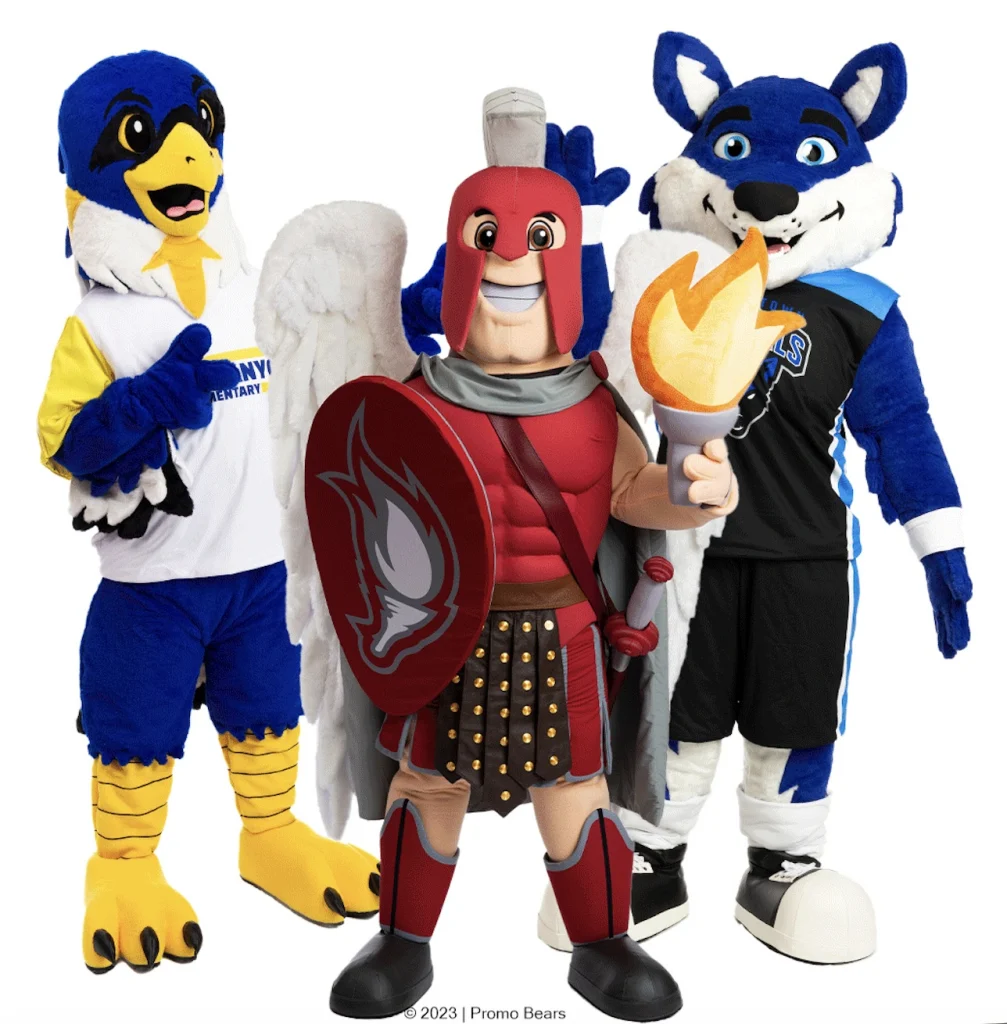
Chuck E. Cheese mascot performers typically earn between $10 and $15 per hour in 2026, depending on location and experience. This places the role in line with other entry-level entertainment and hospitality positions. Pay can vary based on the state minimum wage, local cost of living, and the specific responsibilities assigned during a shift.
The role is primarily a part-time position, making it popular with students, performers, and anyone looking to pick up flexible hours in a fun, high-energy environment. Below, we break down exactly what the job involves, what it pays compared to similar roles, and whether it is worth pursuing.
How much does a Chuck E. Cheese mascot performer earn per hour?
Chuck E. Cheese mascot performers generally earn between $10 and $15 per hour in 2026, with most reported wages clustering around the $11 to $13 range. The exact rate depends heavily on the state, the franchise location, and whether the position is classified as a general team member role or a dedicated character performer role.
In states with higher minimum wages, such as California or New York, performers can expect to land closer to the top of that range. In states with lower minimum wage floors, pay tends to sit closer to the $10 to $11 mark. Because the role is almost always part-time, total weekly earnings are modest, typically ranging from $100 to $250 depending on the hours scheduled.
It is also worth noting that at many Chuck E. Cheese locations, the mascot performer role is not always a standalone position. Team members are often rotated into the costume as part of a broader entertainment or floor crew role, meaning the hourly rate reflects the full job rather than just the time spent in the suit.
What does a Chuck E. Cheese mascot performer actually do?
A Chuck E. Cheese mascot performer brings the brand’s iconic mouse character to life on the floor of the restaurant. The role involves wearing the full character costume, interacting with children and families, posing for photos, dancing, and participating in birthday celebrations and scheduled character appearances.
The physical demands of the job are real. Mascot costumes are warm, heavy, and limit visibility, so performers need to stay alert and move carefully around children. Shifts in the costume are typically kept short, often 20 to 30 minutes at a time, to manage heat and fatigue. Between appearances, the performer may assist with other floor duties such as game supervision or general guest interaction out of costume.
The emotional side of the job matters just as much as the physical side. Performers need to bring consistent energy and enthusiasm, especially during busy weekend shifts when the restaurant is packed with excited kids celebrating birthdays. Staying in character and keeping the energy positive is a core part of the role.
What skills and requirements does the job need?
Chuck E. Cheese mascot performer roles are entry-level and do not require formal qualifications. Most locations look for applicants who are enthusiastic, physically fit, comfortable in costume, and great with children. A genuine love of high-energy, people-focused environments goes a long way.
- Minimum age of 16 or 18 depending on the location and local labor laws
- Physical fitness to handle the costume’s weight and heat for repeated short shifts
- Strong comfort with children, including very young kids who may be nervous around costumed characters
- Reliability and punctuality, especially for scheduled character appearances tied to birthday bookings
- A positive, upbeat attitude that holds up through busy, noisy shifts
- Ability to communicate non-verbally while in costume, since the character does not speak
Some locations may require a food handler’s certification if the role overlaps with food service duties, but this is typically provided through on-the-job training. No prior performance or acting experience is required, though it can certainly help a candidate stand out during the hiring process.
How does Chuck E. Cheese mascot pay compare to other mascot jobs?
Chuck E. Cheese mascot pay sits in the middle of the broader mascot performer market. Theme park character performers at major parks can earn significantly more, with some unionized positions at large entertainment destinations paying $15 to $20 per hour or higher. Sports mascot roles at the professional team level are a different category entirely, often involving annual salaries rather than hourly rates.
At the other end of the scale, volunteer or low-paid mascot appearances at local events, school functions, or community promotions may pay little to nothing. Chuck E. Cheese sits between these extremes as a consistent, paid, part-time role with a structured schedule and a recognizable brand behind it.
For someone building experience as a mascot performer or character entertainer, a Chuck E. Cheese role provides a legitimate starting point. The skills developed, including physical endurance in costume, crowd reading, and non-verbal communication, are directly transferable to higher-paying mascot and character roles in sports, entertainment, and corporate brand activation.
What factors affect how much a mascot performer gets paid?
Several key factors influence what a mascot performer earns, regardless of whether the role is at Chuck E. Cheese or another organization.
- Location: State and city minimum wage laws set the floor. High cost-of-living markets push wages higher to attract and retain staff.
- Experience: Performers with prior character or entertainment experience may negotiate a higher starting rate, especially for roles outside the restaurant industry.
- Employer type: A franchise restaurant, a theme park, a sports team, and a corporate brand all have very different budget structures. Corporate and sports mascot roles tend to pay the most.
- Union membership: Some theme park and entertainment mascot roles are covered by union agreements, which set minimum rates and benefit structures that significantly improve total compensation.
- Frequency and scheduling: Part-time roles like Chuck E. Cheese cap total earnings by limiting hours. Full-time or salaried mascot roles at larger organizations offer far greater earning potential.
The quality and complexity of the mascot costume itself can also reflect the seriousness of the role. Professional-grade costumes used by major brands and sports teams represent a significant investment, and organizations that invest in premium mascot production tend to treat the performer role with a matching level of professionalism and compensation.
Is being a mascot performer a good career move?
Being a mascot performer is a genuinely rewarding experience, but it is best understood as a stepping stone rather than a long-term career path for most people. The role builds real, transferable skills in physical performance, crowd engagement, and brand representation. For someone interested in entertainment, events, or brand marketing, it is a meaningful line on a resume.
At the entry level, Chuck E. Cheese and similar roles offer flexible hours, a fun environment, and the chance to develop confidence in front of audiences. For students, aspiring performers, or anyone who thrives in high-energy social settings, it is a solid short-term choice.
The ceiling for mascot performance does exist, but it is higher than most people expect. Professional sports mascots, theme park character leads, and corporate brand mascot performers can build genuinely rewarding careers with competitive pay, especially when the role is tied to a strong brand identity and a high-quality costume that makes the character truly come alive for audiences.
How Promo Bears helps brands create mascots worth performing in
Understanding what a mascot performer earns puts one thing into sharp focus: the quality of the costume directly shapes the quality of the experience, for the performer and the audience alike. At Promo Bears, we design and produce custom mascot costumes built for exactly this kind of professional use.
Every mascot we create starts with a free concept illustration based on your brand, logo, or character idea. From there, our team works with you through unlimited revisions until the design is exactly right. Here is what every Promo Bears costume includes:
- Lifelike 3D eyes that bring the character to life from any angle
- A built-in ventilation system that keeps performers comfortable during extended appearances
- High-quality, easy-to-clean materials designed for repeated professional use
- Standard sizing for performers between 5’7″ and 6’1″, with custom sizing available
- A dedicated project manager overseeing every step from concept to delivery
Production takes 12 to 16 weeks, and every costume goes through a thorough quality control process before it ships. Whether you are a school, a sports team, a retail brand, or a corporate organization looking to make a lasting impression, a professionally produced mascot costume is one of the most powerful brand tools you can invest in.
Ready to bring your brand character to life? Get a free quote and receive your complimentary concept illustration today.
Frequently Asked Questions
How do I actually apply for a Chuck E. Cheese mascot performer position?
You can apply directly through the Chuck E. Cheese careers page at chuckecheese.com or through job boards like Indeed, where individual franchise locations post openings. When applying, highlight any experience working with children, performing, or working in high-energy hospitality environments — even if it’s informal. Showing up to an in-person application or interview with a visibly upbeat, energetic personality goes a long way, since managers are essentially auditioning your ability to bring enthusiasm to the floor.
Can I negotiate a higher hourly rate as a Chuck E. Cheese mascot performer?
Negotiating is possible but limited at the entry level, especially at franchise locations with set pay bands. Your best leverage is prior experience — if you’ve worked as a character performer, in children’s entertainment, or in a similar mascot role, mention it specifically during the hiring conversation. In high-demand markets or locations that struggle with staffing, there may also be more flexibility than the posted rate suggests, so it’s always worth asking politely after receiving an offer.
What are the biggest challenges first-time mascot performers run into?
The most common challenges are managing heat and physical fatigue inside the costume, and learning to communicate expressively without speaking or using facial expressions. New performers often underestimate how disorienting limited visibility can be, especially when navigating a crowded, fast-moving restaurant floor full of excited children. The best way to prepare is to practice moving slowly and deliberately, stay well-hydrated before shifts, and focus on using big, exaggerated body language to convey emotion and energy.
Does working as a Chuck E. Cheese mascot performer lead to better-paying mascot roles?
Yes — it’s one of the most practical entry points into the broader mascot and character performance industry. The experience demonstrates that you can handle costume work professionally, engage live audiences, and maintain character energy through demanding shifts, all of which are exactly what sports teams, theme parks, and corporate brands look for when hiring. Building a short portfolio or getting a reference from your manager can help you transition into higher-paying roles at regional sports teams, entertainment venues, or brand activation agencies.
Are there any tips for staying comfortable and safe while performing in a mascot costume?
Hydration is the single most important factor — drink water consistently before and between costume shifts, not just when you feel thirsty. Wear moisture-wicking base layers under the costume to help manage heat, and always communicate clearly with your floor team so they can monitor your time in the suit and pull you out if needed. Never push through signs of overheating like dizziness or nausea; the standard 20-to-30-minute rotation exists for good reason, and experienced performers treat it as a firm boundary, not a suggestion.
What should brands or organizations know before hiring their own dedicated mascot performer?
The quality of the costume has a direct impact on what you can reasonably ask of a performer and how audiences respond to the character. A poorly constructed costume limits visibility, increases heat risk, and makes it harder for performers to deliver the energy and expressiveness your brand needs. Investing in a professionally built costume with proper ventilation, lifelike features, and durable materials isn’t just about aesthetics — it’s about making the performer’s job manageable and ensuring every public appearance reflects well on your brand.
How long does it typically take to feel confident and comfortable in a mascot performer role?
Most new performers find their footing within the first three to five shifts, once they’ve adjusted to the physical demands of the costume and developed a feel for reading crowd energy without verbal cues. The emotional confidence — knowing how to handle a nervous toddler, a rowdy group, or an unexpectedly quiet crowd — tends to develop naturally over the first few weeks of regular shifts. Being observant, staying flexible, and watching how experienced team members handle tricky moments on the floor will accelerate that learning curve significantly.