
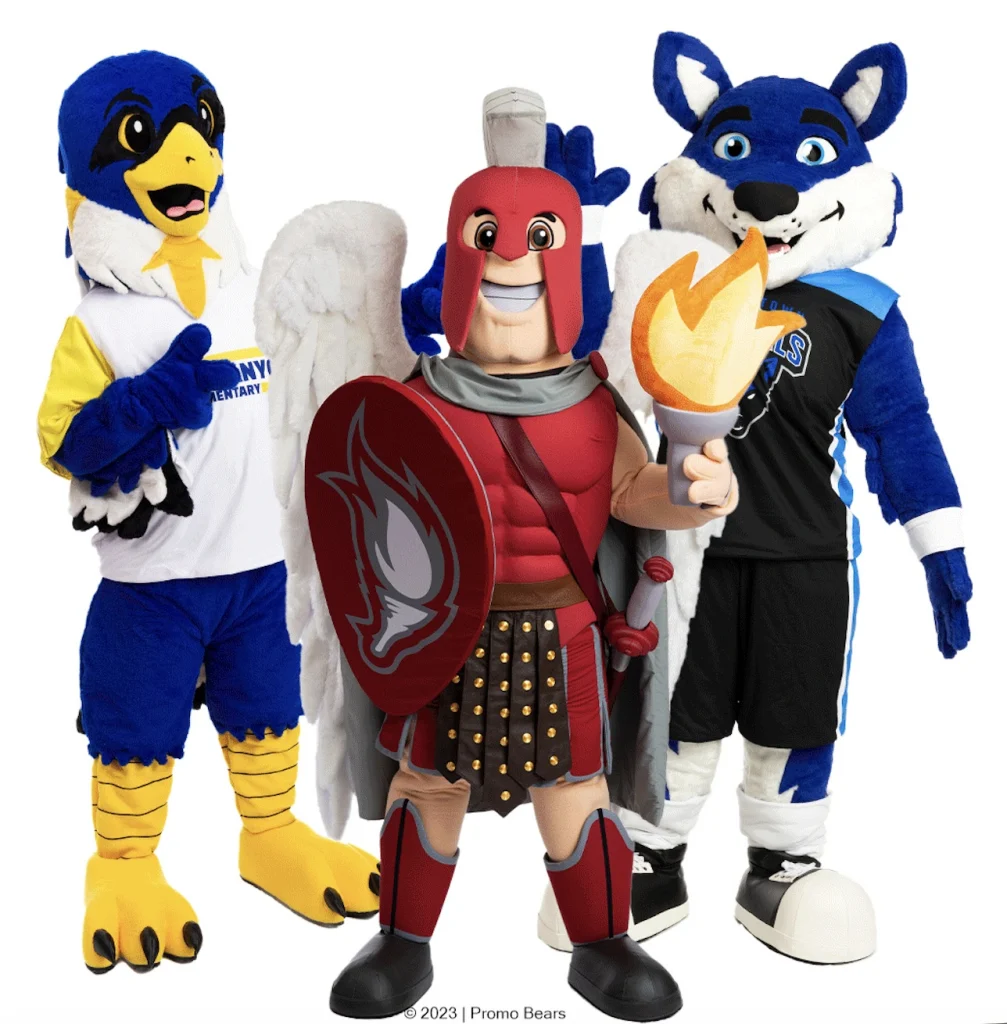
Yes, a sports club should rebrand its mascot when the current one no longer reflects the club’s identity, values, or the expectations of its fanbase. A mascot is one of the most visible symbols of a club’s culture, and when it feels outdated or disconnected, it can quietly work against the brand rather than for it. This article walks through the key questions every club should ask before making that call.
What are the signs a sports club mascot needs rebranding?
A sports club mascot needs rebranding when fans no longer connect with it, when the design looks visually dated, or when the character no longer reflects who the club is today. These are not small cosmetic issues. They are signals that the mascot has drifted away from its core job: representing the club with energy, pride, and relevance.
Here are the most common signs it is time for a change:
- Fans rarely engage with the mascot at events or on social media
- The design was created decades ago and has not evolved with the club’s visual identity
- The mascot costume is uncomfortable to wear, hard to maintain, or difficult to perform in
- The character feels generic and could belong to any club in the league
- New fans, especially younger audiences, do not recognize or respond to it
- The club has undergone a significant rebrand, merger, or name change
None of these signs mean the mascot has failed. They simply mean the club has grown, and the mascot needs to grow with it.
How does a mascot influence sports club identity?
A mascot influences sports club identity by giving the brand a physical, emotional, and memorable presence that a logo or color scheme alone cannot deliver. When done well, a mascot becomes the living embodiment of the club’s personality, showing up at games, community events, and marketing campaigns in a way that fans can genuinely connect with.
Think about what a mascot actually does for a club. It gives supporters something to rally behind. It creates moments of joy that fans remember long after the final whistle. For younger fans and families, the mascot is often the most memorable part of the matchday experience. That emotional connection builds loyalty over time, and loyalty is what fills seats season after season.
Beyond the emotional side, a strong mascot also strengthens club identity by creating visual consistency. When the mascot appears on merchandise, in-stadium activations, and across digital channels, it reinforces the club’s look and feel in a way that feels alive rather than static. A well-designed mascot for sports clubs becomes a brand asset with real commercial value.
Should a sports club rebrand its mascot or retire it entirely?
A sports club should rebrand its mascot rather than retire it when there is still genuine fan affection for the character, even if the design or execution needs updating. Retirement makes sense only when the mascot is actively damaging the club’s reputation or when there is no meaningful fan attachment left to preserve.
The key question is whether fans love the idea of the mascot even if they are not satisfied with its current form. If supporters have fond memories of the character, or if the mascot has a name and history that matters to the community, a rebrand preserves that emotional equity while modernizing everything around it. Retiring the mascot throws away years of built-up goodwill.
On the other hand, if the mascot was introduced without much thought, never gained traction, and has no real fanbase, retirement may be the cleaner path. Starting fresh gives the club the freedom to design something truly aligned with its identity rather than being constrained by a character nobody is attached to.
In most cases, rebranding is the smarter move. A thoughtful redesign keeps the continuity fans value while giving the club a mascot it can be genuinely proud of.
How do you rebrand a sports mascot without losing fan loyalty?
You rebrand a sports mascot without losing fan loyalty by involving the fanbase in the process, being transparent about the reasons for the change, and preserving the core elements of the character that fans already love. A mascot rebrand does not have to feel like a loss. When handled well, it can become a celebration of the club’s evolution.
Here is a practical approach that works:
- Listen first. Survey fans, run focus groups, or open social media polls to understand what they love about the current mascot and what they feel is missing.
- Communicate openly. Share why the rebrand is happening. Fans respond well to honesty. If the costume is aging or the design no longer fits the club’s direction, say so.
- Preserve the DNA. Keep the character’s name, species, or core personality traits. Change the visual execution while respecting what already exists.
- Reveal gradually. Build anticipation with teaser content before the full reveal. This turns a potential moment of resistance into a moment of excitement.
- Celebrate the launch. Introduce the new mascot at a meaningful game or event. Give it a proper debut that feels like a milestone, not a replacement.
Fan loyalty is rarely about the exact design of a mascot. It is about feeling heard and respected. When a club handles the rebrand with care, supporters tend to come along for the journey.
What does a professional mascot rebrand actually involve?
A professional mascot rebrand involves a full creative and production process that starts with concept design and ends with a finished costume ready to perform. It is not simply a new coat of paint on an old character. A proper rebrand addresses the design, the construction, the wearability, and the overall performance of the mascot as a live brand ambassador.
The design phase
The process starts with a concept illustration based on the club’s existing identity, colors, and the direction it wants to take the character. Good mascot designers offer unlimited revisions at this stage so the club can refine the concept until it is exactly right. No production begins until the design is fully approved. This is the most important phase because every decision made here shapes everything that follows.
The production phase
Once the design is approved, production begins. A high-quality mascot costume includes features that many clubs overlook when working with lower-end suppliers: lifelike 3D eyes, a built-in ventilation system for performer comfort, and materials that are durable, easy to clean, and able to withstand the demands of regular matchday use. The standard production timeline for a custom mascot costume runs between 12 and 16 weeks, so planning ahead is important, especially if the club has a specific event or season launch in mind.
A dedicated project manager overseeing the process from start to delivery makes a significant difference. It keeps the timeline on track and ensures the finished product matches what was approved in the design phase.
How much does it cost to rebrand a sports club mascot?
The cost to rebrand a sports club mascot varies depending on the complexity of the design, the quality of materials, and the level of customization required. A professionally produced custom mascot costume typically represents a meaningful investment, but it is one that pays back over years of matchday appearances, merchandise sales, and brand engagement.
Rather than focusing on the upfront cost alone, it helps to think about the total value the mascot delivers. A high-quality costume lasts significantly longer than a budget alternative, performs better in live environments, and creates a far stronger impression on fans and media. Clubs that cut costs at this stage often find themselves replacing the costume sooner than expected, which costs more in the long run.
The smartest approach is to request a free concept illustration and a fixed quote based on your specific design before committing to anything. That way, the club knows exactly what it is getting and what it will cost, with no surprises along the way.
How Promo Bears helps sports clubs strengthen their identity
We work with sports clubs of all sizes to bring mascot characters to life through professional design and custom costume production. Whether you are rebranding an existing mascot or creating one from scratch, we make the process straightforward and collaborative.
Here is what we bring to every project:
- A free concept illustration based on your design idea, with unlimited revisions
- A dedicated project manager from concept through to delivery
- Lifelike 3D eyes, a built-in ventilation system, and materials built for performance
- Custom mascot costumes ready in 12 to 16 weeks, with rush options available
- A full range of mascot merchandise including plush toys, stickers, keychains, and more to extend your mascot’s presence beyond the stadium
With over 4,000 mascots produced for clubs, brands, and organizations across North America and beyond, we know what it takes to create a mascot that fans genuinely love. If your club is ready to strengthen its identity with a mascot that truly represents who you are, get a free quote and let us show you what is possible.
Frequently Asked Questions
How long does a typical sports club mascot rebrand take from start to finish?
From the initial concept design through to a finished, delivery-ready costume, a full mascot rebrand typically takes between 16 and 20 weeks when you factor in the design approval phase and the 12–16 week production window. This is why clubs should begin planning well in advance of a target launch date, such as the start of a new season or a major home fixture. Rush production options are available if timelines are tight, but building in extra lead time gives the design phase the attention it deserves and reduces the risk of costly last-minute changes.
What if our fans are divided on whether the mascot should change — how do we manage that?
Fan division is actually a normal part of the process, and the best way to manage it is to give supporters a voice before the rebrand is finalised rather than after. Running polls, focus groups, or a community design input session signals that the club values fan opinion, which softens resistance significantly. Once the new mascot is revealed, framing it as an evolution rather than a replacement — and celebrating the launch as a club milestone — helps bring hesitant fans on board. Most opposition fades quickly once supporters see a mascot they are proud to get behind.
Can a small or lower-league club justify the investment in a professional mascot rebrand?
Absolutely — in fact, smaller clubs often see a proportionally greater return because a strong mascot can meaningfully differentiate them in a local market where community connection is everything. A professionally designed mascot drives merchandise revenue, boosts matchday atmosphere, and strengthens the club’s appeal to families and younger supporters who become long-term fans. The key is to think of the mascot as a multi-year brand asset rather than a one-off expense, and to request a fixed quote upfront so the investment is clearly scoped before any commitment is made.
What are the most common mistakes clubs make when rebranding a mascot?
The most common mistake is rushing the design phase to meet a deadline, which results in a costume that looks good on paper but does not perform well in a live matchday environment. Other frequent missteps include failing to involve fans in the process, choosing a budget supplier whose costume degrades quickly under regular use, and neglecting to plan a proper launch moment that generates excitement. Clubs also sometimes change too much at once — replacing the mascot’s name, species, and personality simultaneously — when preserving those familiar elements is precisely what maintains fan loyalty through the transition.
How do we extend the mascot's presence beyond matchdays to get more value from the rebrand?
The most effective clubs treat the mascot as a content and commercial asset that works year-round, not just on game days. This means deploying the mascot in social media content, school and community visits, sponsor activations, and seasonal campaigns to keep it visible and relevant between fixtures. On the merchandise side, extending the character into plush toys, keychains, stickers, and apparel gives fans — especially younger ones — a way to connect with the mascot at home. A consistent mascot presence across digital channels and physical merchandise compounds the brand value of the rebrand over time.
What makes a mascot design actually work well in a live performance environment?
A mascot that works well live is designed with the performer in mind from the very beginning, not as an afterthought. Key features include a built-in ventilation system to manage heat during extended appearances, a lightweight construction that allows freedom of movement, and lifelike 3D eyes that read clearly to fans at a distance and on camera. Durability also matters — seams, materials, and finishing details need to hold up through regular use, washing, and transport. Clubs should ask any prospective supplier specifically about performer comfort and costume maintenance before committing to a design, as these practical factors determine how much the mascot actually gets used.
Should the new mascot be revealed before or after the new season begins?
Revealing the new mascot just before the season begins is generally the most effective approach, as it builds pre-season excitement and gives the character an immediate stage to debut on. A well-timed reveal — paired with teaser content in the weeks prior — turns the rebrand into a genuine news moment for the club’s community and local media. Avoid revealing mid-season if possible, as the launch can get lost in the noise of ongoing fixtures and the mascot misses the natural momentum of a fresh start. If a specific home opener or season launch event is on the calendar, that is usually the ideal debut moment.