
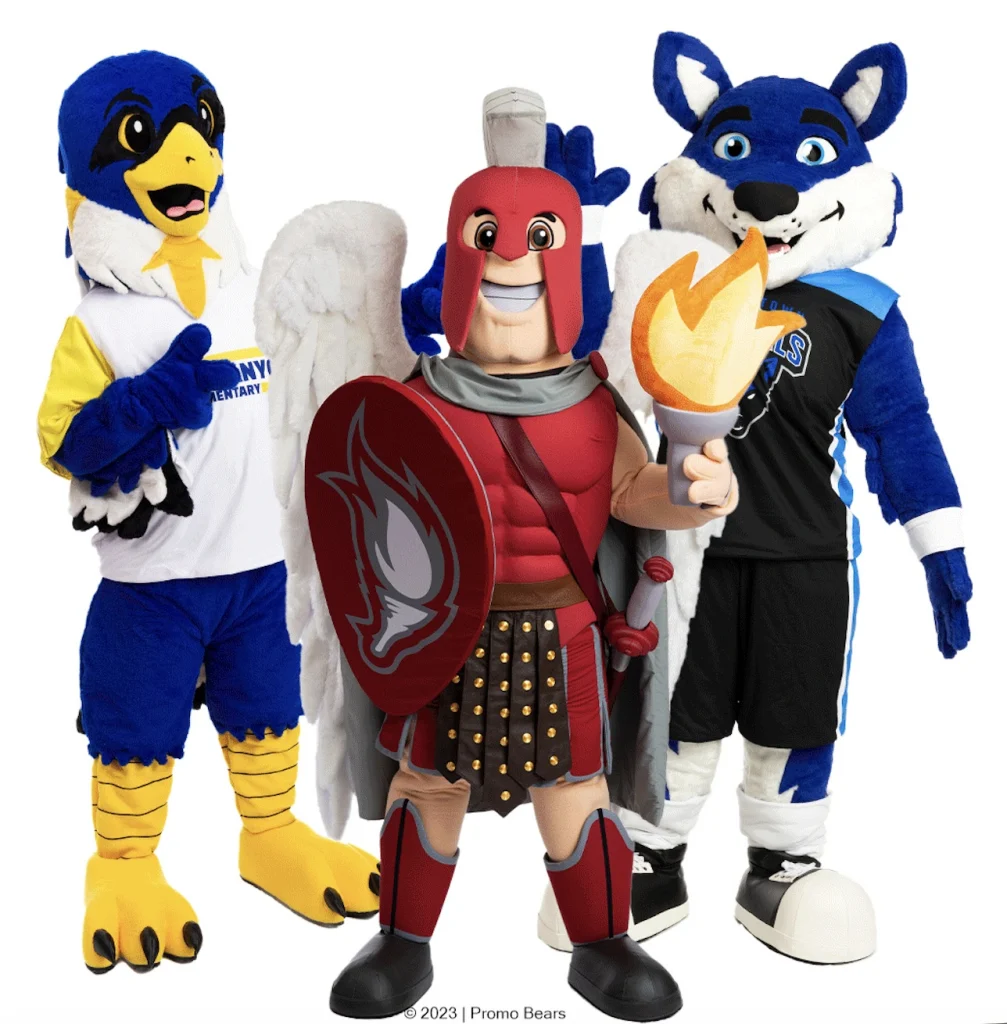
The biggest mistakes brands make with a child-friendly brand image come down to three core problems: inconsistent mascot use, design choices that feel more adult than approachable, and a fundamental confusion between marketing to children and building a brand that genuinely resonates with them. These missteps tend to erode trust with both kids and the parents who influence purchasing decisions. The sections below unpack each mistake and show you what to do differently.
How do brands typically fail to connect with younger audiences?
Brands typically fail to connect with younger audiences by applying adult marketing logic to child-friendly content. They prioritize sophistication over warmth, underestimate the role of visual storytelling, and treat children as a secondary audience rather than a primary one. The result is branding that feels cold, confusing, or simply forgettable to kids.
One of the most common patterns is an over-reliance on text and abstract concepts. Children process the world visually and emotionally before they process it intellectually. A brand that leads with a tagline or a corporate color palette without a strong, expressive visual character loses young audiences almost immediately.
Another frequent failure is assuming that “bright colors” are enough. Color is a starting point, not a strategy. Without a character, a story, or a personality that children can latch onto, even the most vibrant palette falls flat. Younger audiences respond to faces, movement, and emotional cues. A mascot with expressive features gives kids something to relate to in a way that a logo alone simply cannot.
Parents also play a major role here. When a brand feels trustworthy and warm to a child, it signals safety and quality to the parent. Brands that skip this emotional layer miss both audiences at once.
What makes a mascot design feel wrong for children?
A mascot design feels wrong for children when its features, proportions, or overall personality create discomfort rather than connection. Designs that are overly realistic, visually complex, or emotionally ambiguous tend to confuse or even unsettle young audiences. Children respond best to characters that feel safe, expressive, and immediately readable.
Several specific design choices consistently miss the mark with younger audiences:
- Realistic or uncanny eyes that lack warmth and feel unsettling rather than friendly
- Proportions that mirror adult figures rather than the rounder, softer shapes children naturally find approachable
- Overly detailed or busy designs that children cannot process quickly
- Neutral or ambiguous facial expressions that give no clear emotional signal
- Color schemes borrowed from corporate branding that feel corporate rather than playful
- A character concept tied too closely to an abstract product or service that children cannot connect with
The underlying principle is that children make snap emotional judgments about characters. A mascot either feels like a friend in the first few seconds or it does not. Designs that require explanation, context, or adult interpretation have already lost the child audience before the interaction begins.
It is also worth noting that what works for a teenage audience often fails completely with younger children, and vice versa. A mascot designed without a clear age target ends up resonating with no one in particular.
Why does inconsistent mascot use damage a child-friendly brand?
Inconsistent mascot use damages a child-friendly brand because children rely on repetition and familiarity to build trust with a character. When a mascot appears in different forms, colors, or proportions across different touchpoints, it breaks the sense of continuity that makes a character feel real and reliable to a young audience.
Think about the characters children love most. They appear the same way every time, in every format, on every product. That consistency is not accidental. It is the mechanism through which a character becomes familiar, and familiarity is the foundation of emotional attachment.
For brands, inconsistency often happens gradually. A mascot gets slightly redesigned for a new campaign. A different vendor produces a plush version that does not quite match the costume. A digital illustration uses different proportions than the physical character. Each individual change seems minor, but together they create a fragmented experience that children notice even if they cannot articulate why.
Adults can fill in gaps and recognize a brand across variations. Children are much more literal. If the mascot looks different, it is different to them. That gap between the character they know and the one they are seeing introduces doubt, and doubt is the opposite of what a child-friendly brand needs to build.
Consistency across formats, from event costumes to plush toys to stickers, is not a production detail. It is a brand strategy decision that directly affects how strongly children connect with your character.
What’s the difference between child-friendly and child-focused branding?
Child-friendly branding is accessible and appealing to children without excluding other audiences, while child-focused branding is designed primarily or exclusively for children as the end consumer. The distinction matters because many brands need to speak to children and parents simultaneously, and the strategy for each is meaningfully different.
A child-focused brand, such as a toy company or a children’s media property, can go all-in on elements that appeal directly to kids because the child is both the audience and the decision-making influence. The entire visual language, tone, and character design can be built around what resonates with a specific age group.
A child-friendly brand, by contrast, serves a broader audience but wants to signal warmth, approachability, and safety to families. Think of a family restaurant, a children’s hospital, a school, or a retail brand that sells to households. These organizations need characters and imagery that children enjoy without alienating the adults who make the actual purchasing decisions.
The practical difference shows up in design choices. Child-focused brands can use louder, more chaotic visual energy. Child-friendly brands benefit from warmth and approachability without visual overwhelm. The mascot for a child-friendly brand needs to work at an adult event and a school visit without feeling out of place in either setting.
Getting this distinction wrong is a common source of brand image problems. A brand that goes too far into child-focused territory when it serves a mixed audience can feel immature to adult stakeholders. A brand that stays too restrained in the name of adult appeal ends up feeling cold and unwelcoming to families.
How can brands fix a mascot that isn’t resonating with kids?
Brands can fix a mascot that is not resonating with kids by first diagnosing whether the issue is design, deployment, or consistency, then making targeted changes rather than starting from scratch. A full redesign is rarely necessary. Most underperforming mascots have specific, fixable problems that can be addressed through refinement.
Here is a practical approach to working through the problem:
- Audit the current design against child-friendly principles. Look at the eyes, the facial expression, the proportions, and the color palette. Identify what feels cold, complex, or ambiguous.
- Gather direct feedback from your target age group. Watch how children physically respond to the mascot at events. Do they approach it or avoid it? Their behavior tells you more than a survey will.
- Check consistency across all formats. Compare the costume, the digital illustration, the plush toy, and any printed materials. If they do not match closely, inconsistency may be the primary issue rather than the design itself.
- Refine the emotional signal first. Before changing colors or shapes, focus on making the character’s expression warmer and more readable. A genuinely friendly face solves more problems than any other single change.
- Increase the mascot’s presence at child-facing touchpoints. Sometimes a mascot fails to connect simply because children have not seen it enough. Familiarity builds affection, but only if the design is solid.
- Work with a production partner who understands character integrity. A redesign that looks great in illustration but does not translate into a physical costume or merchandise loses its impact at the moment of real-world interaction.
The goal is not to make children like your mascot through clever marketing. It is to create a character that children find genuinely appealing, then make sure that character shows up consistently everywhere they encounter your brand.
What should brands look for when choosing a mascot production partner?
Brands should look for a mascot production partner who can deliver consistent quality across every format the character appears in, from wearable costumes to merchandise, and who provides transparent pricing and a clear design process before any production begins. The production partner you choose directly determines whether your mascot holds up across real-world applications.
A few qualities separate strong production partners from unreliable ones:
- A free concept illustration before any financial commitment, so you can see the character before you commit
- Unlimited design revisions until the result genuinely matches your vision
- A dedicated project manager who oversees the process from design through delivery
- Demonstrated experience producing mascots that translate well from 2D design to physical costume and merchandise
- A clear quality control process with result photos shared before shipping
- Realistic production timelines communicated upfront, not vague estimates
Production timelines matter more than many brands expect. A custom mascot costume typically takes 12 to 16 weeks from design approval to delivery. Plush toys run 12 to 18 weeks depending on shipping method. Smaller items like stickers, keychains, and enamel pins can be ready in 3 to 6 weeks. Knowing these timelines before you commit helps you plan campaigns, events, and product launches without last-minute pressure.
Also pay attention to how a potential partner handles character consistency across product types. A mascot that looks one way in a costume and another way on a stress ball or keychain creates exactly the kind of fragmentation that undermines a child-friendly brand image. The best partners treat every product format as an extension of the same character, not a separate design project.
How Promo Bears helps you build a child-friendly brand image that actually works
We have worked through every one of these challenges with brands across retail, sports, education, and entertainment. Our process is built specifically to avoid the mistakes covered in this article, starting with a free concept illustration so you can see and refine your character before a single dollar goes into production.
Here is what we bring to every mascot and merchandise project:
- Custom mascot costume production with 3D realistic eyes, built-in ventilation, and a design that holds up at live events and school visits alike
- Full merchandise range including plush toys, stress balls (ready in 10 to 12 weeks), keychains, stickers, and giant inflatables so your character stays consistent across every format
- Unlimited design revisions with a dedicated project manager overseeing every step
- Over 4,000 mascots created for organizations including NASA, Amazon, Walmart, and hundreds of schools and sports teams
- Transparent timelines and fixed quotes based on your exclusive design, not vague estimates
If your current mascot is not connecting with younger audiences, or if you are starting from scratch and want to get it right from the beginning, we are ready to help. Get a free quote and see what your character could look like before you commit to anything.
Frequently Asked Questions
At what age should a brand start tailoring its mascot design to a specific child audience?
Mascot design should account for age targeting as early as the concept stage, since what resonates with a 4-year-old is meaningfully different from what appeals to a 10-year-old. Younger children (ages 2–6) respond best to very simple shapes, large expressive eyes, and soft rounded forms, while older children (ages 7–12) can engage with slightly more complex characters that have distinct personalities and backstories. Defining your primary age range before design begins prevents you from creating a character that tries to appeal to everyone and ends up connecting with no one.
How do I know if my mascot is making parents feel comfortable, not just kids?
A mascot that parents trust typically communicates warmth, safety, and approachability through its design — think gentle expressions, non-threatening proportions, and a color palette that feels inviting rather than chaotic or aggressive. The practical test is to observe parent behavior at live events: are they encouraging their children to interact with the mascot, or are they hesitant? Parents who feel comfortable will actively facilitate the interaction, while those who feel uncertain will hold their children back. If parents are consistently hesitant, the mascot’s design or behavior likely needs refinement to signal greater warmth and safety.
What's the most common mistake brands make when rolling out a new mascot at live events?
The most common mistake is deploying a mascot at a live event before establishing any prior familiarity with the audience — essentially expecting children to immediately bond with a character they have never seen before. Familiarity drives affection, so building pre-event exposure through social media, signage, or in-store appearances dramatically improves how children respond when they meet the character in person. Additionally, brands often underestimate the importance of performer training: a great costume worn by an untrained performer who moves awkwardly or stays static defeats the purpose of having an expressive, child-friendly character.
Can an existing logo character be converted into a child-friendly mascot, or is it better to start fresh?
An existing logo character can often be adapted into a child-friendly mascot, but only if its core visual elements — shape, expression, and proportions — are compatible with the adjustments needed to make it warm and approachable. The most common refinements include softening sharp edges, enlarging and warming up the eyes, simplifying busy details, and adding a clearer emotional expression. However, if the original character is built around abstract, corporate, or adult-oriented visual logic, a fresh concept may ultimately be faster and more cost-effective than trying to retrofit child-friendly qualities onto a fundamentally misaligned design.
How many touchpoints should a mascot appear across before it starts building real recognition with children?
There is no fixed number, but research on how children build character recognition suggests that repeated exposure across multiple formats — physical, digital, and print — accelerates familiarity far more than high-frequency exposure in a single channel. A mascot that appears on a product, at an event, on a website, and on merchandise creates a sense of the character existing in the child’s world rather than just one corner of it. Aim for at least three to five consistent touchpoints before evaluating whether the mascot is resonating, and ensure the character looks identical across all of them.
What should a brand do if children respond well to the mascot but parents seem indifferent or skeptical?
Parental skepticism usually signals that the brand’s overall communication is not reinforcing the trust and safety cues that adults look for alongside child appeal. The mascot itself may be working, but the surrounding brand experience — packaging, messaging, event presentation, or staff behavior — may be failing to address parent concerns. Bridging this gap often involves adding messaging that speaks directly to parents’ values (safety, quality, transparency) while keeping the child-facing visual experience intact, rather than altering the mascot design itself.
How far in advance should a brand begin the mascot production process before a planned campaign or event launch?
Brands should ideally begin the mascot production process at least five to six months before a planned launch date to accommodate design revisions, production, quality control, and shipping without last-minute pressure. Custom mascot costumes typically require 12 to 16 weeks from design approval to delivery, and plush toys can run 12 to 18 weeks depending on shipping method — meaning the design phase needs to be completed well before those clocks start. Starting early also gives you time to build pre-launch familiarity with the character across digital and print channels before the mascot appears in person.