
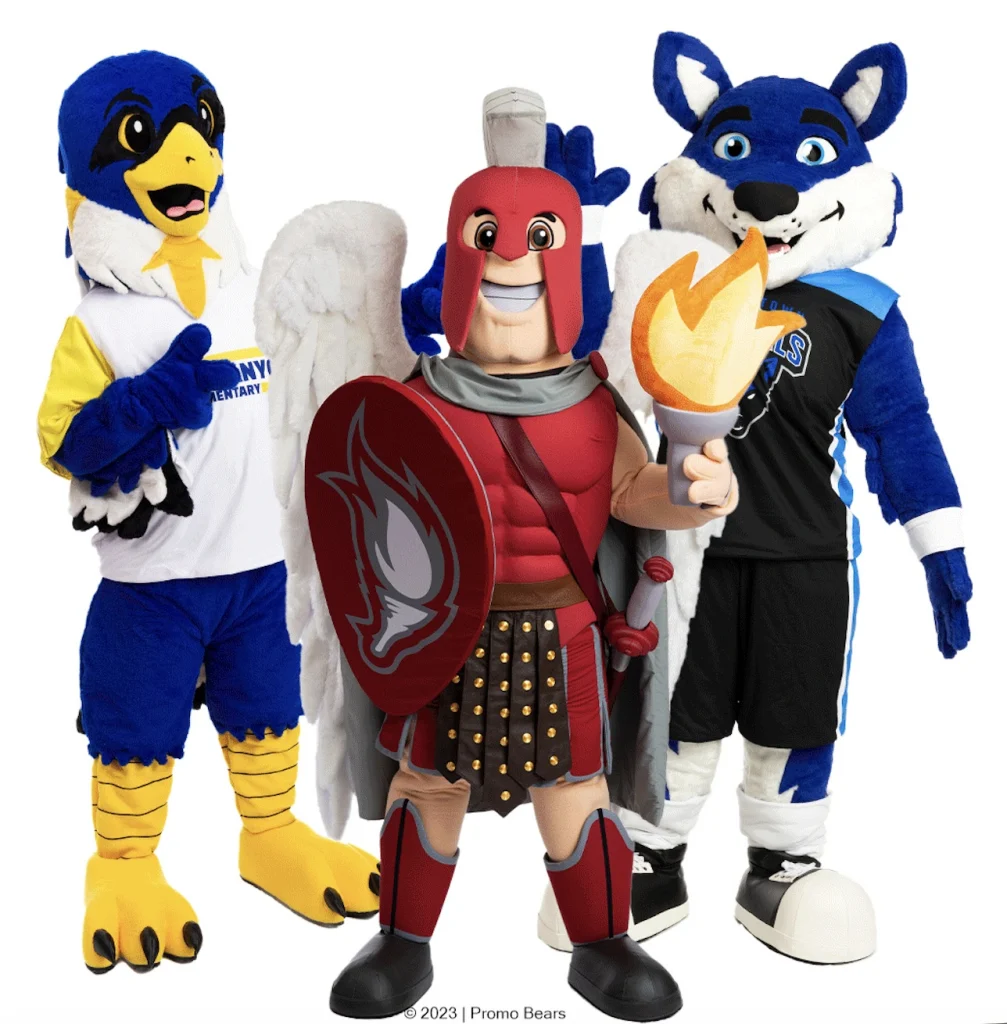
Several clothing brands have become just as famous for their mascots as for their products. The most iconic examples include Lacoste’s crocodile, Polo Ralph Lauren’s polo player, and the penguin from Munsingwear. These characters go far beyond a simple logo — they carry personality, heritage, and emotional meaning that resonates with consumers at every touchpoint. Below, we unpack the key questions around clothing brand mascots and what makes them so powerful.
Which clothing brands are most famous for their mascots?
The most recognizable clothing brand mascots belong to Lacoste (the crocodile), Polo Ralph Lauren (the polo player on horseback), Original Penguin (the Munsingwear penguin), and Hollister (the seagull). Each of these characters has become synonymous with the brand’s identity, appearing on garments, marketing, and retail environments for decades.
Lacoste’s crocodile is arguably the most famous of all. René Lacoste earned the nickname “the Crocodile” on the tennis circuit in the 1920s, and the brand has worn that identity with pride ever since. It is one of the earliest examples of a personal story being transformed into a lasting brand mascot.
Original Penguin, launched in 1955, built an entire brand personality around a cartoon penguin wearing a bow tie. The character gave the brand a sense of humor and approachability that helped it stand out in a crowded menswear market. Hollister’s seagull, meanwhile, became a status symbol for a generation of teenagers, appearing prominently on T-shirts and storefronts as a badge of belonging.
What these brands share is consistency. Their mascots have been used continuously across products, advertising, and retail spaces for years, building the kind of deep brand recognition that is genuinely difficult to achieve through logo design alone.
Why do clothing brands use mascot characters?
Clothing brands use mascots because they create an emotional connection that a wordmark or abstract logo cannot. A mascot gives a brand a face, a personality, and a story. Consumers remember characters far more easily than typographic logos, which makes mascots a powerful tool for building long-term brand recognition and loyalty.
Mascots also give brands flexibility. A character can be adapted for seasonal campaigns, limited-edition products, social media content, and in-store experiences without losing its core identity. This adaptability makes the mascot a versatile creative asset that can evolve alongside the brand.
For clothing brands in particular, mascots serve another purpose: they signal belonging. When a customer wears a garment featuring a recognizable mascot, they are communicating something about their identity and values. That social signal is enormously valuable in fashion, where peer recognition drives purchasing decisions more than almost any other factor.
What’s the difference between a brand logo and a brand mascot?
A brand logo is a graphic mark that identifies a company, while a brand mascot is a character that personifies it. The key distinction is personality. A logo communicates who a brand is through shape, color, and typography. A mascot communicates how a brand feels, behaves, and connects with its audience through a recognizable character with human or animal traits.
Logos are designed to be consistent and static. They appear on labels, packaging, and signage as a fixed identifier. Mascots, by contrast, are dynamic. They can be placed in different scenarios, given expressions, and used to tell stories across a wide range of media.
Some brands successfully use both. Lacoste’s wordmark and its crocodile serve different functions but reinforce each other. The wordmark anchors the brand in formal contexts, while the crocodile carries the emotional weight and storytelling. Together, they create a more complete and memorable brand identity than either element could achieve alone.
How do clothing brands bring mascots to life beyond the label?
Clothing brands bring their mascots to life through physical experiences, retail environments, social media characters, and live brand activations. Moving a mascot off the garment and into the real world transforms it from a design element into a genuine brand experience that consumers can interact with and share.
Some of the most effective ways clothing brands activate their mascots include:
- Custom mascot costumes worn at events, store openings, and sponsorships to create memorable face-to-face moments with fans and customers
- Plush toys and collectibles that let consumers take the mascot home and build an emotional attachment beyond the clothing itself
- Giant inflatables used at outdoor events and retail locations to create visual impact and draw foot traffic
- Branded merchandise such as keychains, stickers, and enamel pins that turn the mascot into a collectible and keep the brand visible in everyday life
- Social media characters where the mascot takes on a voice and personality across platforms, engaging directly with the brand’s community
The most successful clothing brands treat their mascot as a living ambassador rather than a static graphic. When a mascot appears in person at a major event, it creates the kind of shareable, authentic moment that no paid advertisement can replicate.
What makes a clothing brand mascot successful?
A successful clothing brand mascot is distinctive, emotionally resonant, and consistently applied across every brand touchpoint. The character needs to reflect the brand’s core values in a way that feels authentic, not forced. Consumers are quick to sense when a mascot has been bolted on as a marketing tactic rather than grown organically from the brand’s identity.
Consistency is the single most important factor. A mascot that appears in one campaign and then disappears builds nothing. The brands with the most powerful mascots have committed to their characters for years, sometimes decades, allowing them to accumulate meaning and recognition over time.
Distinctiveness matters equally. A mascot that blends in with competitors or relies on generic imagery fails to carve out the mental space that makes a character memorable. The crocodile works for Lacoste precisely because no other major clothing brand owns that animal with the same clarity and heritage.
Finally, the mascot needs to translate across formats. A character that looks great on a T-shirt but cannot be rendered as a costume, a plush toy, or a social media avatar is limited in its reach. The most valuable mascots are those that can be brought to life in multiple dimensions without losing their core identity.
Can a new clothing brand create its own mascot?
Yes, absolutely. A new clothing brand can create its own mascot, and doing so early in the brand’s development can be a significant strategic advantage. A well-designed mascot gives a new brand an immediate personality and a memorable visual anchor at a stage when recognition is still being built.
The process starts with a clear understanding of the brand’s values, target audience, and long-term vision. The mascot should feel like a natural expression of those elements rather than a generic character layered on top. From there, the design process involves concept development, refinement, and testing to ensure the character resonates with the intended audience.
New brands should also think beyond the logo stage from the very beginning. A mascot that is designed with future activation in mind — as a costume, an inflatable, a plush toy, a sticker — will deliver far more value than one created purely as a flat graphic. Building that versatility into the character from day one saves significant time and investment later.
The barrier to entry for mascot creation has never been lower. With the right creative partner, even a brand at an early stage can develop a professional, distinctive mascot character that stands alongside those of much larger competitors.
How Promo Bears helps clothing brands build mascot identities
We work with clothing brands, retailers, and marketing teams who are ready to take their mascot beyond the label and into the real world. Whether you are launching a new character or activating an existing one, we offer the full range of tools to bring your mascot to life as a physical brand experience.
Here is what we bring to every project:
- Free concept illustration based on your logo or design idea, with unlimited revisions until the result is exactly right
- Custom mascot costumes ready in 12 to 16 weeks, built with 3D realistic eyes, an integrated ventilation system, and a dedicated project manager overseeing every step
- Plush toys and branded merchandise including keychains, enamel pins, stickers, and stress balls, produced to your exact specifications with PMS color matching available
- Giant mascot inflatables ready in 3 to 4 weeks, ideal for retail activations, events, and outdoor brand moments that stop people in their tracks
- End-to-end support from concept through quality control to delivery, with no upfront commitment required to get started
We have created over 4,000 mascots for brands including NASA, Walmart, Red Bull, and Amazon. If you are ready to give your clothing brand a character that people remember, we would love to help you build it. Get your free quote and let’s bring your mascot to life.
Frequently Asked Questions
How much does it typically cost to develop a mascot costume for a clothing brand?
The cost of a custom mascot costume varies depending on complexity, materials, and level of detail, but most professional-grade costumes range from a few thousand dollars to upward of $10,000 or more for highly detailed, performance-ready characters. While this may feel like a significant investment for a newer brand, it is important to think of the costume as a long-term brand asset rather than a one-time expense — a well-built costume can last years with proper care. Working with a partner like Promo Bears, which offers free concept illustrations before any financial commitment, allows brands to explore the process without upfront risk.
What are the most common mistakes clothing brands make when launching a mascot?
The most common mistake is designing a mascot purely as a flat graphic without considering how it will translate into three-dimensional formats like costumes, plush toys, or inflatables. Brands also frequently underestimate the importance of consistency — introducing a mascot in one campaign and then abandoning it before it has had time to build recognition. A third common pitfall is choosing a character that feels generic or that unintentionally resembles a competitor’s mascot, which dilutes the brand’s distinctiveness rather than strengthening it.
How do I know if a mascot is the right fit for my clothing brand's identity?
A mascot is a strong fit when your brand has a clear personality, a defined target audience, and a story worth telling through a character. If your brand values — whether that is playfulness, heritage, athleticism, or community — can be embodied naturally in an animal, person, or creature, a mascot will amplify those values far more effectively than typography or abstract shapes alone. A useful test is to ask whether your target customer would proudly wear or display the character; if the answer is yes, you likely have the foundation for a successful mascot.
Can an existing mascot be refreshed or modernized without losing brand equity?
Yes, and many of the most iconic clothing brand mascots have been subtly updated over the decades without losing their core identity. The key is evolution rather than reinvention — adjusting proportions, refining linework, or updating color palettes while preserving the character traits and silhouette that consumers already recognize. Abrupt or dramatic redesigns risk alienating loyal customers who have an emotional attachment to the original, so changes should feel like a natural progression rather than a departure.
What types of brand activations work best for clothing brand mascots at live events?
The most effective live activations combine visibility with interaction — a mascot costume character greeting customers at a store opening, appearing at a sponsored sporting event, or walking a festival creates shareable moments that paid advertising simply cannot replicate. Pairing the costumed character with complementary elements like giant inflatables for outdoor visibility and branded merchandise for giveaways creates a layered experience that keeps the mascot front of mind long after the event ends. Photo opportunities with the mascot character are particularly powerful in the social media era, as attendees become organic brand ambassadors when they share those moments with their own audiences.
How long does it take to go from mascot concept to a fully produced costume or plush toy?
Timelines vary by product type — custom mascot costumes typically require 12 to 16 weeks from approved design to delivery, while giant inflatables can be produced in as little as 3 to 4 weeks. Plush toys and smaller branded merchandise items generally fall somewhere in between depending on order volume and complexity. Planning ahead is essential, especially if you intend to debut your mascot at a specific event or seasonal campaign, so it is worth initiating the design process well in advance of your target launch date.
Do I need to trademark my clothing brand mascot, and how does that process work?
Trademarking your mascot is strongly recommended, particularly if you plan to use it extensively across products, marketing, and retail environments — a registered trademark gives you legal protection against imitation and strengthens your brand’s intellectual property portfolio. The process involves filing an application with the relevant trademark authority (such as the USPTO in the United States) for the specific classes of goods and services your brand operates in, which typically includes apparel and promotional merchandise. Consulting with an intellectual property attorney early in the mascot development process ensures that your character is both legally protectable and clear of any conflicts with existing registered marks.