
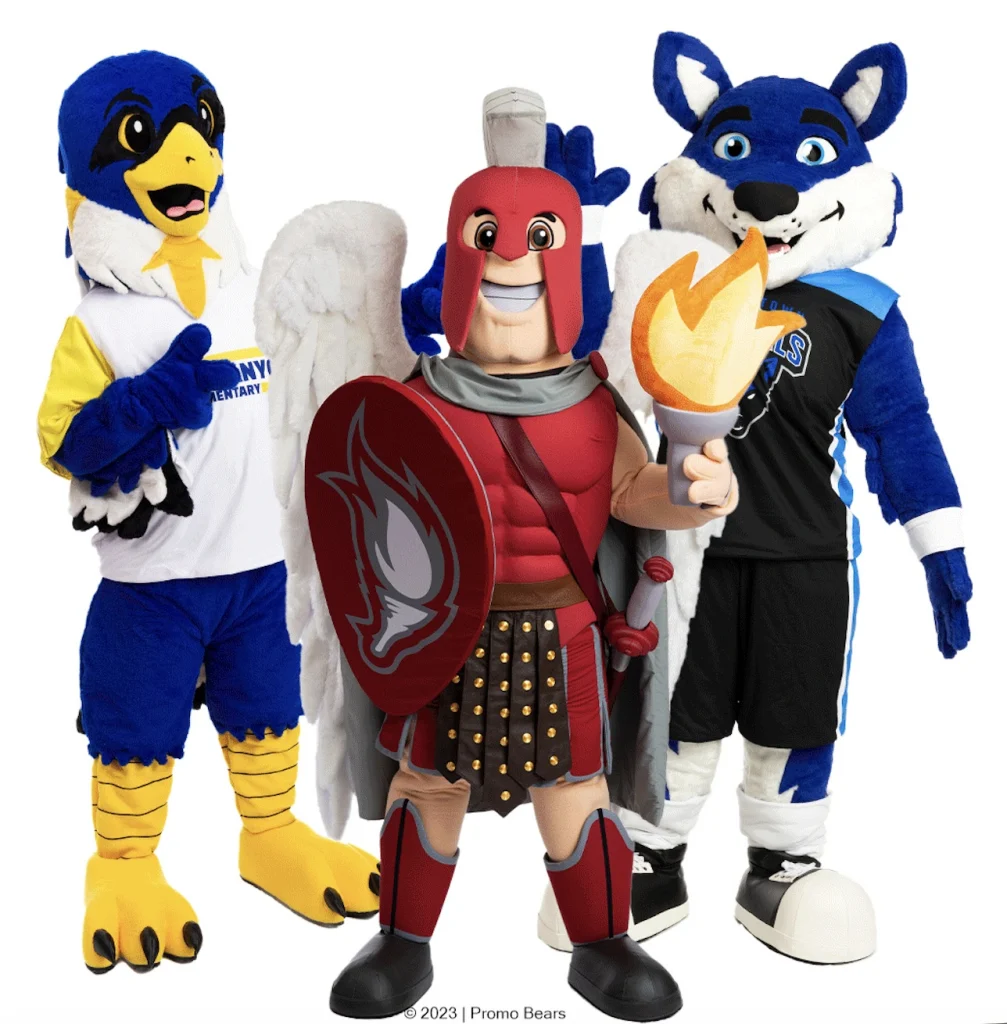
The event activations that actually drive engagement in 2026 go well beyond photo booths and giveaways. The formats generating real results are immersive, interactive, and built around your brand identity rather than a generic experience anyone could replicate. Think live demonstrations, mascot activations, branded games, and experiential zones that give attendees something to do, feel, and remember. Below, we break down the most important questions brands are asking about event engagement right now.
Why do photo booths and giveaways stop driving engagement?
Photo booths and giveaways stop driving engagement because they are passive. Attendees receive something without forming a meaningful connection to your brand. When every booth at an event offers a similar experience, nothing stands out. The novelty has worn off, and audiences in 2026 expect more than a branded selfie or a tote bag they will forget about by Monday.
The core problem is that these tactics create a transaction, not a relationship. A giveaway gets someone to your table. It does not make them remember who you are, what you stand for, or why they should care about your brand next week. When the goal is genuine brand engagement, passive activations simply do not move the needle.
There is also the attention economy to consider. Event attendees are surrounded by stimulation. To cut through, your activation needs to invite participation, spark conversation, or create a moment worth sharing organically. A free pen does not do that. An experience that surprises, delights, or genuinely entertains does.
What types of event activations generate the most engagement?
The event activations that generate the most engagement are interactive, sensory, and tied to a clear brand story. Formats that invite participation rather than passive reception consistently outperform static displays and traditional giveaways. The best activations give attendees a reason to stop, stay, and share.
Here are the activation formats that consistently perform well at events:
- Mascot activations: A live branded character draws crowds, creates photo opportunities, and gives your brand a personality people connect with emotionally.
- Branded games and competitions: Spin-to-win wheels, skill challenges, and leaderboards keep people engaged longer and create a sense of fun around your brand.
- Live product demonstrations: Letting people experience your product firsthand builds trust and creates natural conversation starters.
- Interactive digital experiences: Touchscreen activations, AR filters, and gamified apps give attendees something to do and something to share.
- Giant inflatables and branded structures: Oversized visual elements are impossible to ignore and function as landmarks that draw foot traffic from across the venue.
- Sampling and sensory experiences: When your product can be tasted, smelled, touched, or tried, the memory of your brand becomes physical and lasting.
The common thread across all of these is participation. When someone does something at your activation, they invest attention and energy. That investment makes the memory stick.
How do mascot activations drive deeper brand engagement at events?
Mascot activations drive deeper brand engagement because they make your brand tangible, approachable, and emotionally resonant. A well-designed mascot gives your organization a face and a personality. Attendees, whether they are children, consumers, or corporate buyers, respond to characters in a way they simply do not respond to a banner or a brochure.
At events, a mascot does several things simultaneously. It attracts attention from a distance, invites people to come closer, and creates a natural photo opportunity that attendees share on their own social channels. That organic sharing extends your event experience far beyond the venue walls without any additional media spend.
Mascots also lower the barrier to conversation. When a brand representative approaches a stranger at an event, it can feel like a sales pitch. When a mascot approaches, it feels playful and fun. That shift in tone opens the door to genuine interaction, which is where real brand engagement begins.
For organizations that invest in custom mascot costumes, the activation potential extends across multiple events and campaigns. A mascot is a reusable, versatile brand asset that grows in recognition over time. The more audiences see it, the stronger the association with your brand becomes.
What’s the difference between a brand activation and a brand experience?
A brand activation is a specific, time-bound event or campaign designed to drive a particular action, such as a product launch, a sampling campaign, or a trade show presence. A brand experience is the broader, ongoing emotional relationship a person has with your brand across every touchpoint. Activations are moments. Brand experience is the sum of all those moments.
The distinction matters because it changes how you design your event strategy. If you treat every activation as a standalone tactic, you miss the opportunity to build something cumulative. The most effective brands design activations that feed into a consistent brand experience, reinforcing the same values, personality, and visual identity every time someone encounters them.
A mascot is a useful example here. Used once at a single event, it is an activation. Used consistently across events, digital content, merchandise, and in-store appearances, it becomes a core part of the brand experience. The activation plants the seed. The experience grows the relationship.
How do you measure the ROI of an event activation?
You measure the ROI of an event activation by connecting it to specific, pre-defined business outcomes rather than treating engagement as its own reward. The right metrics depend on your goals, but the most useful indicators fall into a few clear categories: reach, engagement depth, lead generation, and downstream conversion.
- Reach: How many people interacted with your activation? Track foot traffic, impressions, and social media mentions tied to the event.
- Engagement depth: How long did people stay? Did they participate actively or just walk past? Dwell time and participation rates signal genuine interest.
- Lead capture: How many qualified contacts did you collect? Email sign-ups, app downloads, and contest entries are measurable outcomes.
- Social amplification: How much organic sharing did your activation generate? User-generated content is a strong signal of emotional resonance.
- Post-event conversion: Did event contacts convert to customers, partners, or followers at a higher rate than other channels? This is the clearest link between activation and revenue.
The key is to set your measurement framework before the event, not after. Decide what success looks like, instrument your activation to capture the right data, and then evaluate performance against those benchmarks. Gut feel is not a substitute for numbers when you are justifying budget to a leadership team.
What should brands look for when choosing an event activation partner?
When choosing an event activation partner, brands should prioritize proven creative capability, end-to-end production experience, and transparent timelines. The right partner does not just execute your idea. They help you develop it, flag potential issues early, and deliver a finished product that matches what was promised at the start.
A few qualities worth evaluating before you commit:
- Portfolio depth: Have they produced activations for organizations similar to yours in scale and industry?
- Design process: Do they offer concept illustrations before production begins, so you can see and approve the direction before money is spent?
- Dedicated project management: Is there a single point of contact who owns your project from start to finish?
- Realistic timelines: Can they give you firm production windows, not vague estimates? For reference, custom mascot costumes typically take 12 to 16 weeks, while giant inflatables take 3 to 4 weeks.
- Quality control: Do they share result photos and get your final approval before shipping?
The partner you choose becomes an extension of your brand team. That means reliability, communication, and creative alignment matter just as much as price. A partner who delivers surprises at the end of production is not a partner worth keeping.
How Promo Bears helps you build event activations that actually work
We specialize in the branded elements that make event activations memorable, from custom mascot costumes and giant inflatables to plush toys, stress balls, and smaller merchandise that keeps your brand in people’s hands long after the event ends.
Here is what working with us looks like in practice:
- Free concept illustration based on your logo or design idea, with unlimited revisions
- A dedicated project manager who oversees your project from first sketch to final delivery
- Custom mascot costumes ready in 12 to 16 weeks, with rush options available
- Giant mascot inflatables produced in 3 to 4 weeks for faster campaign timelines
- Custom stress balls in 10 to 12 weeks, fully tailored to your shape and PMS color specs
- Thorough quality control with result photos shared for your approval before shipping
Whether you are planning a single flagship event or a full-year activation calendar, we have the production capability and the creative experience to bring your brand to life in a way that people actually remember. Ready to get started? Request a free quote and we will put together a concept for you at no cost and no commitment.
Frequently Asked Questions
How far in advance should we start planning an event activation?
For most event activations, planning should begin at least 3 to 6 months before your event date, especially if custom-produced elements like mascot costumes or branded structures are involved. Custom mascot costumes alone require 12 to 16 weeks of production time, which means waiting until 6 weeks out puts you in rush territory — or leaves you without the centerpiece of your activation. Start with your event date and work backward: lock in your concept first, then align production timelines to your deadlines before committing to any specific format.
Can a small brand or startup benefit from mascot activations, or are they only practical for large companies?
Mascot activations are actually a strong strategic move for smaller brands precisely because they create outsized presence on a limited budget. A well-designed mascot commands attention at any event, regardless of how large or well-known the brand behind it is — attendees respond to the character, not the company’s market cap. For startups and growing brands, a mascot also accelerates recognition by giving audiences something memorable to associate with you from early on. The investment pays dividends across every subsequent event, campaign, and social post where the character appears.
What if our brand doesn't have a mascot yet — how do we create one that actually fits our identity?
Start by identifying the core personality traits your brand wants to project — whether that’s playful, bold, trustworthy, innovative, or something else — and let those traits drive the character concept rather than defaulting to a generic animal or shape. Work with a production partner that offers concept illustrations before any physical production begins, so you can see and refine the character’s look before committing to manufacturing. The best mascots feel like a natural extension of your existing brand colors, tone, and values rather than something bolted on as an afterthought. Unlimited revision rounds during the design phase are worth prioritizing when evaluating partners.
How do we keep event attendees engaged at our activation for longer than just a few seconds?
The key to extending dwell time is layering your activation with multiple points of interaction rather than a single touchpoint. For example, a mascot draws people in, a branded game or competition keeps them there, and a lead capture mechanic (like a contest entry or app download) gives them a reason to engage one more time before leaving. Gamification elements like leaderboards, spin-to-win mechanics, or timed challenges are particularly effective because they create a natural incentive to stay and try again. The more your activation feels like an experience rather than a display, the longer people will linger.
What's the biggest mistake brands make when designing an event activation?
The most common mistake is designing the activation around what looks impressive rather than what drives a specific business outcome. A visually stunning installation that generates no leads, no social sharing, and no brand recall is an expensive backdrop — not an activation. Before finalizing any creative concept, define exactly what you want attendees to do, feel, and remember, and then reverse-engineer the experience to deliver those outcomes. Measurement frameworks, as covered in the post, should be built into the design from day one, not treated as an afterthought once the event is over.
Can the same activation assets — like a mascot costume or inflatable — be reused across multiple events and campaigns?
Yes, and this reusability is one of the strongest arguments for investing in high-quality custom assets rather than renting generic alternatives. A custom mascot costume, for instance, can be used across trade shows, community events, retail activations, social media content, and in-store appearances — building cumulative brand recognition with every appearance. Giant inflatables are similarly versatile and can be transported, stored, and redeployed across multiple events throughout the year. The per-event cost drops significantly the more you use the asset, making the upfront investment far more economical over a full activation calendar.
How do we get internal buy-in and budget approval for a more ambitious event activation strategy?
Frame the conversation around measurable business outcomes rather than creative concepts — leadership teams approve budgets based on projected returns, not enthusiasm for a mascot idea. Present a clear measurement framework showing how the activation will be tracked against KPIs like lead generation, social amplification, and post-event conversion rates, and benchmark those projections against what your current passive tactics are delivering. If possible, propose a pilot activation at a single event with defined success criteria before asking for a full-year commitment. A low-risk proof of concept with strong results is almost always more persuasive than a large upfront ask.