
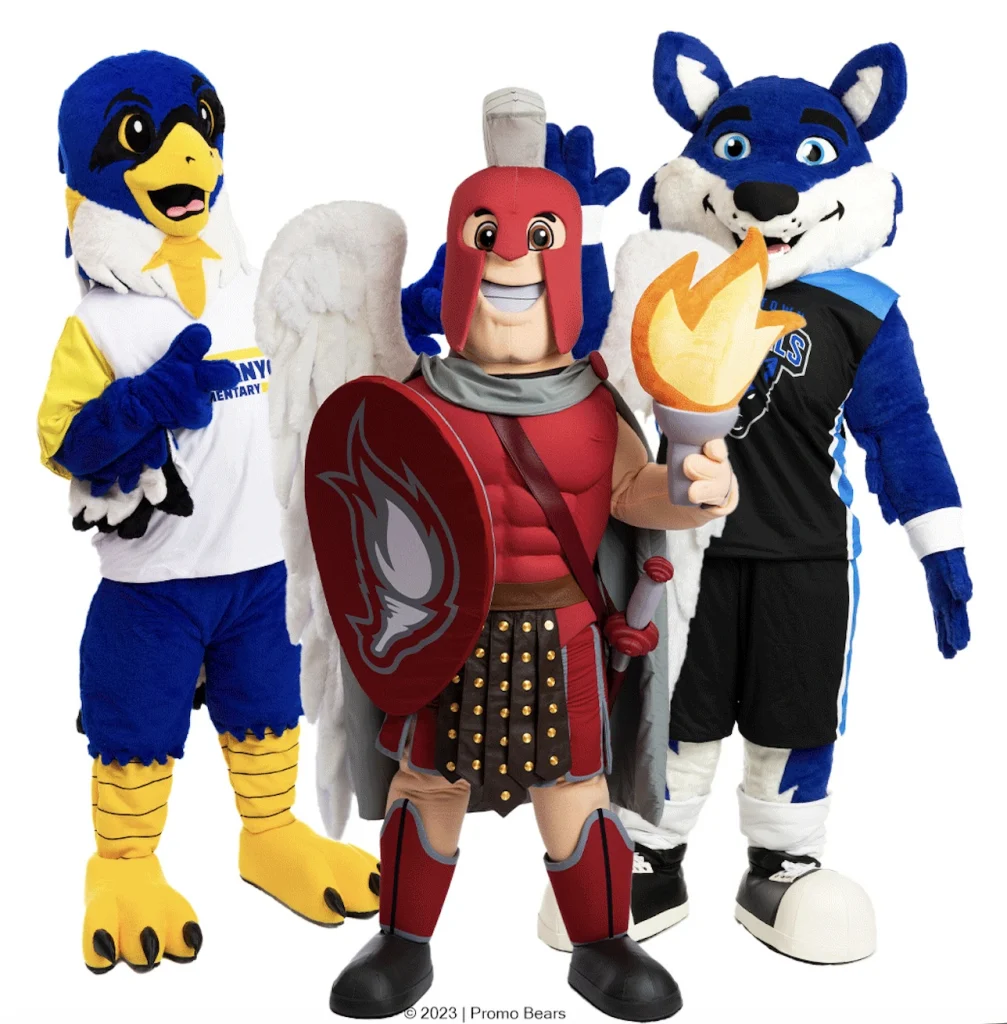
A brand character is a visual persona that represents a company’s values, personality, and identity in a way that audiences can instantly recognize and emotionally connect with. Unlike a logo or tagline, a brand character is a living, expressive figure, whether illustrated, costumed, or animated, that gives a brand a human face. The sections below unpack everything you need to know, from how brand characters differ from logos to when the right time to invest in one actually is.
How does a brand character differ from a logo?
A logo is a static visual mark, a symbol, wordmark, or icon that identifies a brand. A brand character, or brand mascot, is a dynamic personality that embodies what the brand stands for. While a logo answers the question “Who are we?”, a brand character answers “How do we make people feel?” The two work together, but they serve fundamentally different functions.
A logo communicates identity at a glance. It lives on packaging, signage, and digital assets as a consistent identifier. A brand character, by contrast, can tell stories, react to situations, and connect with audiences across events, social media, merchandise, and live experiences. It is adaptable in a way a logo simply cannot be.
Think of a well-known cereal brand. The logo on the box is recognizable, but it is the animated character on the front that children remember, ask for by name, and form an emotional bond with. That emotional layer is what separates a brand character from any other brand asset.
What makes a brand character effective?
An effective brand character is distinctive, consistent, and emotionally resonant. It reflects the brand’s core personality, appeals directly to the target audience, and appears consistently across every touchpoint. The most successful promotional characters share a clear visual identity, a defined personality, and a role that feels natural within the brand’s world.
Several qualities separate memorable brand characters from forgettable ones:
- Distinctive design: The character should be instantly recognizable even without the brand name present. Unique shapes, colors, and expressions create visual ownership.
- Consistent personality: Whether playful, authoritative, or warm, the character’s tone should never contradict the brand’s voice.
- Audience alignment: A character that resonates with a five-year-old looks very different from one built for a corporate B2B audience. The design must speak directly to the people the brand is trying to reach.
- Versatility: Effective brand characters translate across formats, from a custom mascot costume at a live event to a stress ball sitting on someone’s desk.
- Emotional hook: The best characters make people feel something, whether that is delight, trust, excitement, or nostalgia.
A character that checks all of these boxes becomes a brand asset with genuine long-term value. It is not just decoration; it is a strategic communication tool.
How does a brand character improve customer engagement?
A brand character improves customer engagement by giving people something to interact with, respond to, and remember. Humans are wired to connect with faces and personalities rather than abstract symbols. When a brand presents a recognizable character, audiences engage more deeply, spend more time with the content, and are far more likely to share the experience with others.
At live events, a custom mascot costume transforms passive attendees into active participants. People approach, pose for photos, and share those moments online, generating organic reach that no paid ad can replicate. The character becomes the center of the brand experience rather than a backdrop to it.
Beyond events, brand characters drive engagement through merchandise. When a fan wears a character on a t-shirt or keeps a branded plush toy on their desk, they carry the brand into their daily life. That kind of sustained visibility builds familiarity, and familiarity builds trust. Over time, trust converts into loyalty and advocacy, the most valuable forms of customer engagement any brand can earn.
Brand recognition also compounds. Every time someone sees the character, on packaging, at a game, or in a social post, the mental association strengthens. A well-deployed promotional character creates a feedback loop where visibility drives engagement and engagement drives further visibility.
What types of brand characters do companies use?
Companies use several distinct types of brand characters depending on their industry, audience, and brand personality. The most common formats are mascot costumes, illustrated characters, animated figures, and product-based characters. Each serves a different purpose and works best in specific contexts.
Here is a breakdown of the most widely used types:
- Mascot costumes: Full-body wearable characters that appear at events, games, store openings, and promotional activations. They create high-impact, in-person brand experiences and generate significant social media content.
- Illustrated characters: Flat or stylized figures used across print, digital, and packaging. These are cost-effective to produce and highly versatile across marketing materials.
- Animated characters: Moving versions of a brand character used in video content, apps, and digital advertising. Animation adds expressiveness and is particularly effective for storytelling.
- Product-based characters: Characters derived from the brand’s actual product, a talking bottle, a personified ingredient, or an anthropomorphized tool. These work especially well in FMCG and retail.
- Merchandise characters: Characters that live primarily on branded merchandise like plush toys, custom stress balls, keychains, and stickers. These extend brand identity into the physical world and serve as long-lasting touchpoints.
Many brands use a combination of these formats. A mascot costume at events, an illustrated version for digital campaigns, and a plush toy for retail merchandise can all represent the same character consistently across very different contexts.
When should a company invest in a brand character?
A company should invest in a brand character when it wants to build stronger emotional connections with its audience, differentiate itself in a crowded market, or create a more engaging presence at events and across merchandise. Brand characters deliver the highest return when a company has a clear brand identity to build from and a consistent strategy for deploying the character across multiple touchpoints.
Specific moments that signal readiness for a brand character investment include launching into a new market, refreshing a brand identity, preparing for a major event or sponsorship, or scaling a merchandise program. If a company is already spending on events and branded merchandise but lacks a unifying character to tie those assets together, a brand mascot is often the missing piece.
It is also worth considering the audience. Companies targeting consumers who attend live events, families, sports fans, or communities with strong group identity tend to see the fastest return from a brand character. That said, B2B brands that invest in distinctive characters consistently report stronger brand recall among prospects and clients than those relying on logos and taglines alone.
The earlier a brand character is introduced in a company’s growth journey, the more equity it builds over time. Starting with a well-designed character and deploying it consistently compounds its recognition value year after year.
How Promo Bears helps you build a brand character that works
We specialize in turning brand identities into physical, memorable characters that audiences genuinely connect with. Whether you are starting from a logo, a rough concept, or a fully developed design, we bring it to life across the formats that matter most to your brand. Here is what working with us looks like:
- A free concept illustration based on your logo or design idea, with unlimited revisions until it is exactly right
- Custom mascot costume production ready in 12 to 16 weeks, built for comfort, durability, and visual impact
- A full range of branded merchandise to extend your character across every touchpoint, from plush toys to stress balls
- A dedicated project manager who oversees every stage from design through to delivery
- Quality control and result photos shared before shipping, so you approve the final product before it leaves our hands
We have created over 4,000 custom mascots for organizations across North America and beyond, including some of the world’s most recognized brands. If you are ready to give your brand a character that people remember, get a free quote and let us show you what is possible.