
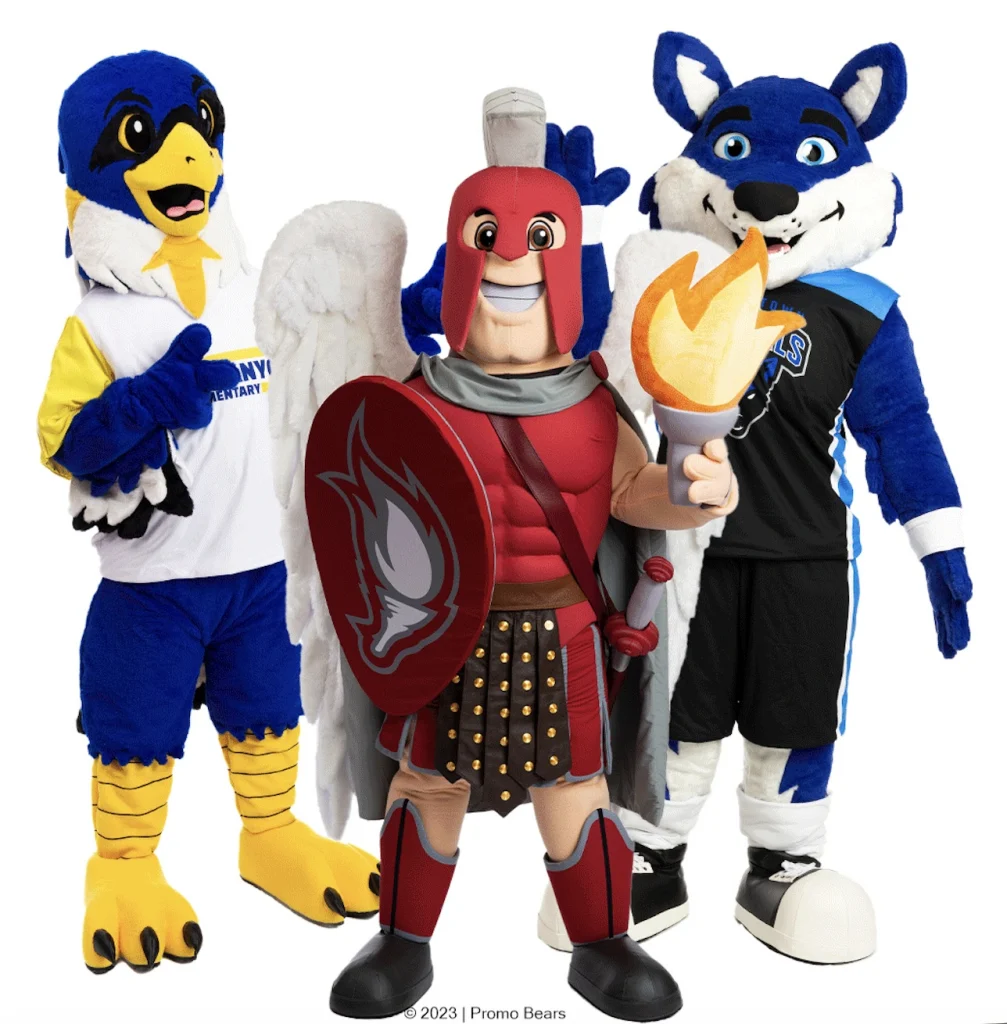
The best materials for mascot costume durability are high-quality faux fur on the exterior and dense polyurethane foam for the structural base. These two materials work together to create a costume that holds its shape, resists wear, and survives repeated use at events, games, and appearances. The sections below break down how each material performs across comfort, cleaning, hard parts, and indoor versus outdoor conditions.
Which materials hold up longest in a mascot costume?
Faux fur and high-density polyurethane foam are the longest-lasting materials in a mascot costume. Faux fur resists matting and fraying under regular use, while dense foam maintains its structural integrity through hundreds of hours of wear. Together, they form the backbone of a costume built to last across seasons and events.
The outer fabric layer takes the most abuse in daily use, so the quality of the faux fur matters enormously. Premium faux fur is woven tightly, holds color well, and bounces back after compression. Lower-grade alternatives flatten quickly and start looking worn after just a few appearances.
Beneath the fur, the foam core determines how well the costume keeps its shape. Polyurethane foam is the industry standard because it is lightweight, resilient, and resistant to deformation. When a mascot head or body panel is bumped, squeezed, or sat on repeatedly, high-density foam recovers its original form where cheaper materials would stay dented or misshapen.
Other durable materials used in specific areas include:
- Mesh fabric for ventilation panels, which stays breathable without tearing
- Hard ABS plastic or fiberglass for structural elements like the head frame
- Reinforced stitching at all stress points, including armholes, neck openings, and zipper seams
- Durable zippers and Velcro closures rated for repeated opening and closing
A mascot costume that combines these materials correctly can realistically last several years with proper care, even under heavy use at sporting events, school appearances, and promotional campaigns.
How does mascot costume material affect comfort and wearability?
Mascot costume material directly affects how long a performer can wear the costume comfortably and safely. Breathable mesh panels, lightweight foam, and moisture-wicking interior linings reduce heat buildup and physical strain, allowing performers to stay active and energetic during appearances without overheating.
Heat management is the biggest comfort challenge in any mascot costume. A performer inside a full-body suit generates significant body heat, and without proper airflow, that heat has nowhere to go. The best mascot costumes address this with built-in ventilation systems that channel air through the costume, particularly around the head where heat concentrates most.
The weight of the materials also plays a significant role. Foam that is too dense adds unnecessary weight to the head and body, causing neck strain and fatigue over time. The goal is to find foam that is firm enough to hold its shape but light enough that wearing the costume for an extended appearance does not become exhausting.
Interior lining materials matter just as much as the exterior. A soft, moisture-wicking fabric against the performer’s skin absorbs sweat and prevents chafing, making a real difference during long events. Rough or non-breathable linings turn a beautiful costume into an uncomfortable experience very quickly.
What’s the difference between faux fur and foam in mascot construction?
Faux fur is the outer skin of a mascot costume, providing texture, color, and visual character. Foam is the structural core that gives the costume its shape and three-dimensional form. They serve completely different functions and work together rather than as alternatives to each other.
Think of foam as the skeleton and faux fur as the skin. The foam is carved and sculpted into the shapes that define the mascot’s body, head, snout, ears, and other features. Without foam, the faux fur would be limp and shapeless. Without faux fur, the foam would look unfinished and would not hold up to outdoor exposure.
Faux fur comes in many pile lengths and textures. Short pile faux fur gives a sleeker, more polished look and is easier to keep clean. Long pile fur creates a fluffy, expressive appearance that reads well from a distance at large events. The choice between them depends on the character design and the environment where the mascot will appear most often.
Foam density is measured in pounds per cubic foot, and the right density depends on where in the costume it is used. The head typically uses firmer foam to hold its shape under handling, while body panels may use slightly softer foam to allow for movement and flexibility. Getting this balance right is one of the key skills in professional mascot construction.
How does material choice affect how easy a mascot is to clean?
Material choice is one of the biggest factors in how easy a mascot costume is to clean. Faux fur can typically be spot cleaned or hand washed, while certain foam cores can be wiped down directly. Costumes built with cleanability in mind use removable, washable lining panels and sealed foam that does not absorb moisture deeply.
A mascot costume that cannot be cleaned efficiently becomes a hygiene problem fast, especially when multiple performers share it or when it is used at high-contact events. Sweat, outdoor dirt, food spills, and general handling all accumulate quickly, so the ability to clean the costume thoroughly between uses is a practical necessity.
The best mascot costumes are designed with cleaning in mind from the start. This means:
- Removable interior linings that can be machine washed separately
- Faux fur exteriors that respond well to gentle spot cleaning and air drying
- Foam cores that are sealed or treated to resist moisture absorption
- Accessible zipper placements that allow the costume to be opened fully for thorough cleaning
- A care manual included with the costume that outlines the correct cleaning process for each material
Avoiding harsh chemicals and excessive water saturation is important for extending the life of both the fur and the foam. Following the manufacturer’s care instructions preserves color, texture, and structural integrity over the long term.
What materials are used for mascot costume eyes and hard parts?
Mascot costume eyes and hard structural parts are typically made from acrylic, ABS plastic, or fiberglass. These rigid materials are shaped, painted, and finished to create the lifelike, expressive features that define a great mascot’s personality. The eyes in particular are critical because they are the focal point of the entire costume.
High-quality mascot eyes use a 3D acrylic lens that creates depth and realism. The lens is designed so that the performer can see out clearly while the character’s eyes appear solid and expressive to everyone on the outside. This one-way visibility is a standard feature of professionally built costumes and makes a significant difference in how lifelike the finished mascot looks.
Hard parts beyond the eyes include the beak or snout on animal characters, horns, teeth, and any structural elements that need to hold a fixed shape. These are typically formed from ABS plastic or fiberglass because both materials are strong, lightweight, and can be painted or finished in any color. ABS plastic is slightly more flexible and impact-resistant, while fiberglass allows for more complex sculptural shapes.
The connection points between hard parts and soft foam or fur sections are reinforced carefully to prevent cracking or separation over time. A mascot that gets handled, hugged, and transported frequently puts stress on these joints, so the quality of construction at these transition points directly affects the long-term durability of the costume.
Should you choose different materials for indoor versus outdoor mascots?
Yes, the environment where a mascot will be used most often should influence material choices. Outdoor mascots benefit from UV-resistant faux fur and sealed foam that handles moisture and temperature changes, while indoor mascots can prioritize comfort and visual detail without needing the same level of weather resistance.
Outdoor appearances expose a mascot costume to sunlight, humidity, rain, and rough terrain. UV exposure fades faux fur over time, so outdoor costumes should use fur treated for color stability. Moisture is a bigger concern outdoors because wet foam takes a long time to dry and can develop odors if not managed properly. Sealed or treated foam cores and water-resistant outer layers address this directly.
Indoor mascots, such as those used at retail locations, school events, or corporate offices, face different challenges. The focus shifts toward extended comfort for the performer, visual impact at close range, and fine detailing that reads well in controlled lighting. Long pile faux fur and intricate painted features work beautifully indoors where weather is not a factor.
Temperature also matters. Outdoor summer events create extreme heat inside a costume, so ventilation becomes even more critical. An integrated airflow system is not optional for outdoor summer use; it is a necessity for performer safety. Indoor venues with climate control give the performer more tolerance, though good ventilation remains important regardless of setting.
For organizations that use their mascot in both environments throughout the year, the smart approach is to build for outdoor conditions as the baseline. A costume built to handle the outdoors will always perform well indoors, but an indoor-optimized costume may deteriorate quickly when exposed to outdoor conditions regularly.
How Promo Bears helps you get a durable, high-quality mascot costume
At Promo Bears, we build every custom mascot costume with durability, comfort, and cleanability at the core of the design. With over 19 years of experience and more than 4,000 mascots produced for clients including NASA, Amazon, and Walmart, we know exactly which materials perform best for each part of the costume and each type of use.
Every mascot we produce features:
- Premium faux fur and high-density foam for long-lasting structure and appearance
- Lifelike 3D acrylic eyes with built-in performer visibility
- An integrated ventilation system for performer comfort and safety
- Removable, washable interior linings for easy maintenance
- A dedicated project manager from concept to delivery
- A care manual included with every order so your costume stays in top condition
The process starts with zero commitment. You receive a free concept illustration based on your logo or design idea, with unlimited revisions until the design is exactly right. Production only begins once you are fully satisfied. Standard production takes 12 to 16 weeks, with rush options available for tighter timelines.
Ready to invest in a mascot costume built to last? get your free quote today and let our team bring your mascot to life.
Frequently Asked Questions
How long should a professionally built mascot costume realistically last?
A professionally built mascot costume using premium faux fur and high-density polyurethane foam can last anywhere from 3 to 7 years with proper care and regular maintenance. The actual lifespan depends heavily on how frequently the costume is used, how many performers wear it, and whether it is primarily used indoors or outdoors. Costumes used at multiple events per week will naturally show more wear than those used occasionally, but following the manufacturer’s care instructions and addressing small repairs early can significantly extend the costume’s life.
How do I know if a mascot costume is truly high quality before I buy it?
Ask the manufacturer for specifics about the foam density, faux fur grade, and construction methods used at stress points like seams, zipper placements, and hard-to-soft part transitions. A reputable builder should be able to tell you the exact materials used in each section of the costume and why those choices were made. Requesting photos or videos of completed costumes in active use, reading client testimonials, and checking whether the company includes a care manual and dedicated support are all strong indicators of a quality-focused manufacturer.
Can a mascot costume be repaired if a section gets damaged, or does it need to be fully replaced?
Most mascot costume damage, including torn faux fur seams, dented foam sections, cracked hard parts, or broken zippers, can be repaired without replacing the entire costume. Many professional mascot builders offer repair and refurbishment services, and minor fixes like re-stitching seams or replacing a zipper can often be done locally by a skilled seamstress or costume technician. Keeping a small repair kit on hand with matching faux fur fabric and strong thread allows you to address minor issues quickly between events before they become larger problems.
What is the biggest mistake organizations make when caring for a mascot costume?
The most common mistake is saturating the costume with water or harsh cleaning chemicals in an attempt to deep clean it, which can damage both the faux fur fibers and the foam core. Over-wetting the foam leads to slow drying times, potential mold or mildew growth, and eventual structural breakdown. The correct approach is to spot clean the exterior with a gentle solution, remove and machine wash the interior linings separately, and always allow every section to air dry completely before storing or using the costume again.
How should a mascot costume be stored between uses to protect the materials?
Mascot costumes should be stored in a cool, dry environment away from direct sunlight, which can fade and degrade faux fur over time. The head should be stored upright or on a dedicated stand to prevent the foam from being compressed into a misshapen position. Avoid folding or cramming the costume into a tight storage bag, as sustained pressure on foam panels can cause permanent deformation; a large, breathable garment bag or a dedicated costume case is the ideal storage solution.
Is it safe for multiple performers to share the same mascot costume, and how should hygiene be managed?
Yes, mascot costumes are commonly shared among multiple performers, but a consistent hygiene routine is essential to keep the costume safe and comfortable for everyone. The removable interior lining should be washed after every use, and performers should wear a moisture-wicking undergarment to minimize direct contact with the costume’s interior. Allowing the costume to air out fully between uses and periodically sanitizing the interior with a fabric-safe spray will prevent odor buildup and maintain a hygienic experience for all performers.
How far in advance should I order a custom mascot costume for an upcoming event or season?
Standard production for a custom mascot costume typically takes 12 to 16 weeks from final design approval, so ordering at least four to five months before your target event date is strongly recommended. This timeline accounts for the design revision process, material sourcing, construction, and shipping, and it leaves a buffer for any unexpected delays. If your deadline is tighter, ask your manufacturer about rush production options, but keep in mind that planning ahead gives you the most flexibility for revisions and ensures the finished costume meets your expectations without time pressure.