
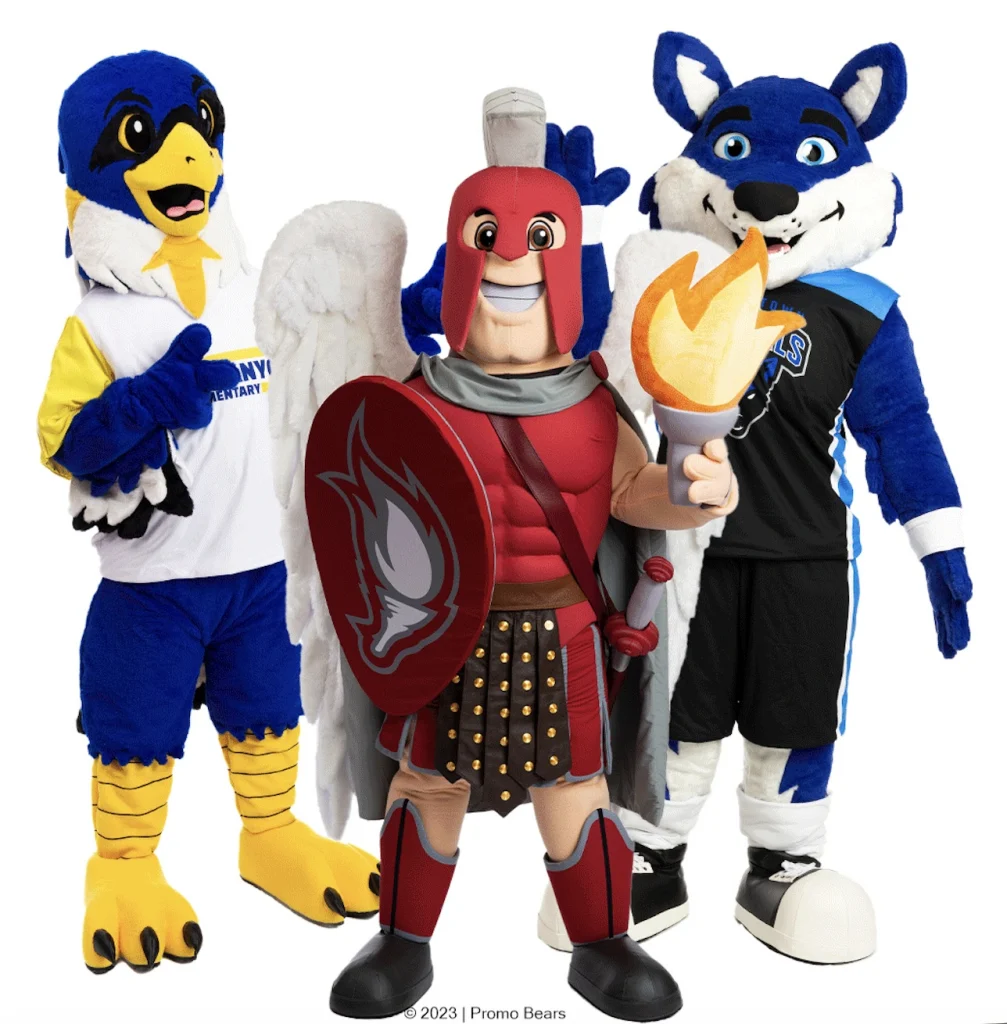
The best strategy to improve brand recognition in retail combines a consistent visual identity with high-impact, tangible touchpoints that customers encounter repeatedly. Branded merchandise, in-store characters, and custom promotional products create lasting impressions that digital advertising simply cannot replicate. The sections below break down the most effective tactics, explain the psychology behind them, and help you decide when and how to invest.
What tactics consistently drive brand recognition in retail environments?
The tactics that most reliably improve brand recognition in retail are visual consistency, memorable brand characters, and physical branded items that customers take home or interact with repeatedly. When people see your colors, logo, and personality across multiple touchpoints, recall builds naturally over time without requiring a massive media budget.
Retail environments are crowded and competitive. Shoppers move fast, and attention is short. The brands that break through are the ones that create a sensory and emotional connection, not just a logo on a shelf. Here are the core tactics that deliver results:
- Consistent visual identity across signage, packaging, staff uniforms, and in-store displays
- Brand characters or mascots that give your brand a face and personality customers can connect with
- Custom promotional merchandise such as tote bags, keychains, or stress balls that travel beyond the store
- Experiential moments like mascot appearances, interactive displays, or giveaway events
- Repetition across channels so in-store experiences reinforce what customers see online and in advertising
The key is not doing all of these at once, but choosing the right combination for your audience and budget, then executing it consistently over time.
How does branded merchandise improve customer recall in retail?
Branded merchandise improves customer recall because it creates repeated exposure after the initial purchase or interaction. Every time someone uses a branded item, they see your logo and associate it with a positive experience. Unlike a digital ad that disappears after a few seconds, a physical product can generate impressions for months or even years.
This is sometimes called the “walking billboard” effect. A customer who receives a branded tote bag, stress ball, or keychain becomes a passive ambassador for your brand every time they use it in public. Others notice, and your brand gains organic visibility at no extra cost.
There is also a psychological dimension at play. Receiving a physical gift, even a small one, triggers a sense of reciprocity. Customers feel positively toward the brand that gave it to them, which makes them more likely to return and more likely to recommend the brand to others. That emotional connection is what turns a one-time shopper into a loyal customer.
The most effective branded merchandise is useful, well-made, and visually aligned with your brand identity. Items that feel cheap or generic can actually do more harm than good, so quality matters as much as visibility.
What’s the difference between brand recognition and brand awareness?
Brand recognition is the ability of a customer to identify your brand when they see it, for example, recognizing your logo, colors, or mascot without being told the brand name. Brand awareness is broader: it refers to whether customers know your brand exists at all. Recognition is a deeper, more specific form of awareness.
Think of it this way. Brand awareness is the first step: a potential customer hears your name or sees your product for the first time. Brand recognition is what happens after consistent exposure: they can pick your packaging out of a lineup, identify your mascot at an event, or recall your brand when making a purchase decision.
For retail brands specifically, recognition is the more commercially valuable metric. A shopper standing in an aisle who recognizes your brand is far more likely to choose it over an unfamiliar competitor. That recognition is built through repetition, visual consistency, and memorable brand assets like characters, colors, and custom merchandise.
Investing in strategies that build recognition rather than just awareness means focusing on depth of impression, not just reach. It is better to be deeply familiar to your core audience than vaguely known to a much larger one.
How can mascots and characters strengthen retail brand identity?
Mascots and brand characters strengthen retail brand identity by giving your brand a personality that customers can emotionally connect with. A well-designed mascot makes your brand instantly recognizable, creates memorable experiences at retail events, and gives marketing teams a versatile asset that works across physical and digital channels.
Characters humanize brands in a way that logos and taglines alone cannot. When a mascot appears at a store opening, a trade show, or a promotional event, it creates a moment of genuine engagement. Customers stop, interact, take photos, and share those moments. That organic content extends your brand’s reach far beyond the event itself.
Mascots also provide continuity. A brand character can appear on packaging, in-store displays, social media, plush toys, stickers, and live appearances, all while reinforcing the same visual identity. This consistency across formats is exactly what builds the kind of deep recognition that drives purchase decisions.
For retail brands targeting families, sports fans, or community-oriented audiences, a mascot can become the most recognizable element of the entire brand. Some of the world’s most successful retail and consumer brands have built decades of loyalty on the strength of a single character. The investment in a custom mascot costume or inflatable pays dividends every time it appears in front of your audience. You can explore custom mascot options to see how this works in practice.
When should a retail brand invest in custom promotional products?
A retail brand should invest in custom promotional products when it has a clear brand identity to reinforce, a specific audience to reach, and an event or campaign to anchor the investment. The most effective timing is ahead of a store launch, seasonal campaign, trade show, or brand refresh, when promotional items can amplify momentum rather than exist in isolation.
Timing matters because promotional products work best as part of a broader strategy. A custom stress ball or branded keychain handed out at a product launch creates a tangible memory of that moment. The same item mailed cold to a prospect list has far less impact because there is no experience attached to it.
Here are the situations where the investment makes the most sense:
- New store or product launches where you need to make a strong first impression quickly
- Seasonal retail campaigns such as back to school, holiday, or summer promotions
- Trade shows and industry events where standing out in a crowded environment is critical
- Loyalty and reward programs where branded gifts reinforce the customer relationship
- Community sponsorships or local events where brand visibility among a targeted audience is the goal
One practical consideration is lead time. Custom stress balls, for example, take around 10 to 12 weeks from design approval to delivery. Custom mascot costumes take 12 to 16 weeks. Planning promotional product orders well in advance of your campaign date is important so the items arrive when you actually need them.
What makes a retail brand recognition strategy measurable?
A retail brand recognition strategy becomes measurable when you define specific indicators before the campaign begins and track them consistently over time. The most useful metrics include unaided brand recall in customer surveys, repeat purchase rates, social media mentions, and foot traffic changes tied to specific brand activations.
Many retail brands struggle to justify brand investment internally because they treat recognition as a soft, intangible outcome. But recognition absolutely can be measured. The approach is to establish a baseline first, then compare against it after a defined period or campaign.
Useful measurement methods include:
- Pre and post campaign surveys asking customers to name brands in your category without prompting
- Tracking branded search volume over time using tools like Google Search Console
- Monitoring social media mentions and user-generated content tied to mascot appearances or merchandise
- Measuring repeat visits or purchase rates among customers who received branded merchandise
- Tracking foot traffic or event attendance linked to mascot or promotional activations
The most important thing is consistency. Brand recognition builds over months and years, not overnight. Measuring it at a single point in time tells you very little. Tracking it across multiple campaigns and seasons shows you whether your investment is actually moving the needle.
How Promo Bears helps you improve brand recognition
We specialize in exactly the kind of high-quality, custom branded products that make retail brand recognition strategies work in the real world. From custom mascot costumes that bring your brand to life at events to promotional merchandise that customers actually want to keep, we offer a full range of solutions built around your specific identity.
Here is what we bring to the table:
- Custom mascot costumes ready in 12 to 16 weeks, with a free concept illustration and unlimited revisions before production starts
- Custom stress balls in fully bespoke shapes with PMS color matching, ready in 10 to 12 weeks
- Giant mascot inflatables that create instant visual impact at retail events, ready in 3 to 4 weeks
- A dedicated project manager who handles everything from design to delivery, so you are never managing the process alone
- A free quote and concept illustration with no upfront commitment, so you can see the vision before you invest
With over 19 years of experience and more than 4,000 mascots created for brands like NASA, Walmart, and Amazon, we know what it takes to build recognition that lasts. Ready to get started? Get your free quote today and let us show you what your brand could look like.
Frequently Asked Questions
How long does it typically take to see results from a retail brand recognition strategy?
Brand recognition builds gradually over consistent, repeated exposure, so most retail brands begin to see measurable shifts in recall and repeat purchase behavior within 3 to 6 months of sustained effort. However, meaningful long-term recognition, the kind that influences purchase decisions automatically, typically takes 12 to 24 months of consistent execution across multiple touchpoints. The key is not to measure too early or too narrowly; track trends across campaigns rather than expecting a single activation to move the needle.
What are the most common mistakes retail brands make with branded merchandise?
The most common mistake is prioritizing low cost over quality and relevance, resulting in generic items that customers discard rather than use. A cheap pen or flimsy bag with a logo does little for brand perception and can actually signal low brand value. The second most common mistake is distributing merchandise without a strategic context, such as handing out items at random rather than tying them to a launch, event, or loyalty milestone where the emotional connection reinforces the brand memory.
How do I choose the right promotional products for my specific retail audience?
Start by thinking about your customer’s daily life and what items they would genuinely use and appreciate. A grocery brand targeting families might invest in branded tote bags or lunch accessories, while a sports retailer might opt for branded water bottles or stress balls for game-day giveaways. The best promotional products are ones that align with your brand’s personality, get used repeatedly in public, and feel like a natural extension of what your brand stands for, not just a logo on a random object.
Can a small or independent retail brand benefit from a mascot, or is that only realistic for large companies?
Mascots are absolutely viable for small and independent retail brands, and in many cases they provide a bigger competitive advantage at that scale because they create a memorable, human identity that large corporate brands often struggle to replicate authentically. A local grocery store, boutique, or regional chain with a distinctive mascot can build community recognition and loyalty that far outpaces its media budget. The investment in a custom mascot costume is a one-time cost that pays dividends across years of events, social media content, and in-store appearances.
What should I look for when evaluating a supplier for custom mascots or promotional merchandise?
Look for a supplier that offers a dedicated point of contact, a clear design-to-delivery timeline, and a revision process before production begins so you are not locked into a result you did not approve. Quality of materials matters significantly, especially for mascot costumes that need to withstand repeated use in event environments. Ask for a portfolio of past work, client references, and clarity on what is included in the quoted price, such as whether concept illustrations, revisions, and shipping are covered.
How do I integrate branded merchandise and mascot appearances into a cohesive retail marketing calendar?
Map your promotional product orders and mascot appearance bookings directly onto your retail marketing calendar at the start of each quarter, working backward from your campaign dates to account for production lead times. For example, if you have a major holiday campaign in November, custom merchandise orders should be placed by late July or early August and mascot costumes should be ordered even earlier. Tie each activation to a specific campaign goal, such as a store opening, seasonal promotion, or loyalty event, so every branded touchpoint has a clear purpose and measurable outcome.
Is it worth investing in both a mascot costume and promotional merchandise, or should I choose one?
Ideally, both work together and reinforce each other most effectively when used as a system. A mascot creates a live, memorable experience at events while branded merchandise extends that memory into customers’ everyday lives long after the event ends. If budget requires prioritizing one, consider your primary marketing challenge: if you need immediate event impact and a long-term brand asset, start with the mascot; if you need broad, ongoing customer touchpoints and gifting opportunities, start with merchandise. Many brands begin with one and add the other as they see results.