
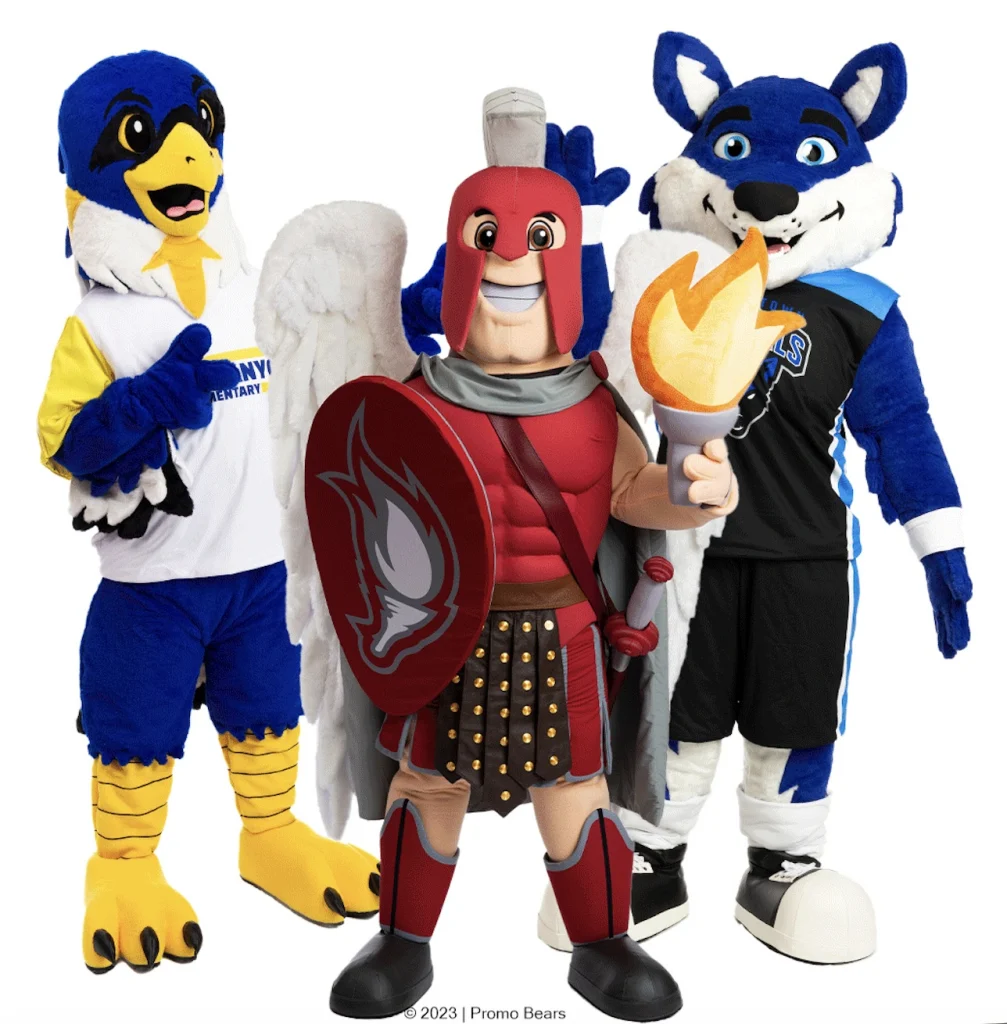
Mascot design and logo design are two distinct creative disciplines that serve different purposes for a brand. A logo is a graphic symbol or wordmark that identifies a company at a glance, while mascot design is the creation of a character with personality, story, and emotional presence. Both can represent a brand, but they do it in fundamentally different ways.
Understanding the difference helps you make smarter decisions about how to build brand recognition and connect with your audience. The questions below break down exactly how these two approaches compare and when each one makes the most sense.
Can a mascot replace a logo for brand identity?
A mascot cannot fully replace a logo for brand identity. A logo functions as a universal identifier that works across every touchpoint, from business cards to invoices to app icons. A mascot is a character that builds emotional connection and personality. The two serve different roles, and most strong brands use them together rather than choosing one over the other.
That said, a well-designed mascot can carry an enormous amount of brand weight. Think about how instantly recognizable certain brand characters are, even without a wordmark in sight. A mascot communicates warmth, humor, energy, or trust in ways that a geometric symbol simply cannot.
Where logos excel at identification, mascots excel at engagement. A logo tells people who you are. A mascot tells people what it feels like to be around your brand. For organizations focused on customer experience, fan engagement, or community building, a mascot can actually do more heavy lifting than a logo in day-to-day brand interactions.
What does a mascot designer actually create?
A mascot designer creates a fully developed character that represents a brand, team, school, or organization. This goes far beyond a simple illustration. The designer defines the character’s shape, personality, color palette, proportions, expressions, and how it moves or behaves across different contexts.
The output of mascot design typically includes:
- A core character concept with defined visual traits and personality
- Multiple poses and expressions to cover different use cases
- Color specifications that align with the brand’s existing identity
- Guidelines for how the character should appear across print, digital, and physical applications
- In many cases, a physical embodiment such as a custom mascot costume, plush toy, or inflatable
This is a much broader creative scope than logo design. A mascot designer has to think about how the character looks in motion, how it translates into three dimensions, and how it will feel to an audience over time. The character needs to be consistent enough to be recognizable, but flexible enough to work across many different situations.
How does mascot design differ from logo design in the creative process?
Mascot design and logo design differ significantly in their creative process. Logo design prioritizes simplicity, scalability, and instant recognition. Mascot design prioritizes character depth, emotional resonance, and storytelling. A logo is typically refined down to its most essential elements, while a mascot is built up with personality, detail, and life.
The logo design process
Logo designers start with brand strategy, then move into sketching concepts that communicate the brand’s core identity in a single mark. The goal is something that works at any size, in any color, and in any context. Revisions focus on clarity, balance, and versatility. The final deliverable is usually a set of files in different formats ready for immediate use.
The mascot design process
Mascot design starts with character development. Who is this character? What does it represent? What emotions should it trigger? Designers explore personality traits before they ever draw a single line. From there, the process moves into concept illustrations, feedback rounds, and refinement of the character’s look and feel. If the mascot will become a physical product, additional technical work goes into adapting the 2D design for production in fabric, foam, or other materials.
The mascot design process is typically longer and more iterative because there are more variables to get right. A logo might go through three or four rounds of revisions. A mascot design, especially one heading into physical production, often involves many more touchpoints to ensure the character looks right from every angle and in every format.
Which industries benefit most from a mascot over a logo alone?
Industries that benefit most from a mascot are those where emotional connection, audience engagement, and memorable experiences drive business results. This includes sports teams, schools and universities, retail brands, food and beverage companies, entertainment organizations, and any business that regularly interacts with consumers at events or in physical spaces.
Here is why these industries get so much value from mascot design specifically:
- Sports teams: Mascots create fan identity and generate merchandise revenue that a logo alone cannot match
- Schools and universities: A mascot builds school spirit and gives students something to rally around beyond a crest or wordmark
- Retail and FMCG brands: A character creates shelf presence and word-of-mouth in ways that abstract logos rarely achieve
- Entertainment and hospitality: Mascots create memorable guest experiences and become photo opportunities that spread organically on social media
- Non-profits and community organizations: A friendly, approachable character makes the organization feel more human and accessible to the communities it serves
For B2B companies, mascots are less common but still powerful at trade shows, corporate events, and branded experiences where standing out from a sea of identical booths is a real challenge.
Should your brand have both a mascot and a logo?
Yes, most brands benefit from having both a mascot and a logo. A logo handles the functional side of brand identity, working quietly in the background across every touchpoint. A mascot handles the emotional side, creating personality, engagement, and memorable moments that a logo simply cannot generate on its own.
The two work best when they are designed to complement each other. Your mascot’s color palette should align with your logo’s brand colors. The character’s personality should reflect your brand’s tone of voice. When both elements feel like they belong to the same world, your overall brand identity becomes significantly stronger and more consistent.
The practical question is not really whether to have both, but when to invest in a mascot. If your brand already has a strong logo and you are looking for ways to deepen customer engagement, increase merchandise opportunities, or create more memorable event experiences, a mascot is a logical and high-impact next step.
How Promo Bears helps with mascot design
We specialize in bringing mascot concepts to life from the very first sketch all the way through to physical production. Whether you need a fully realized mascot costume, a plush toy, or a giant inflatable, we handle the entire process in-house, with a dedicated project manager guiding every step.
Here is what working with us looks like:
- A free concept illustration based on your logo or design idea, with unlimited revisions until it is exactly right
- A team with over 19 years of experience in mascot design and production
- Custom mascot costumes ready in 12 to 16 weeks, built with 3D realistic eyes, an integrated ventilation system, and a comfortable fit
- A full range of mascot merchandise, including plush toys, stress balls (ready in 10 to 12 weeks), giant inflatables (ready in 3 to 4 weeks), and more
- Quality control and result photos shared before shipping so you approve the final product before it leaves our hands
If you are ready to take your brand identity to the next level with a character that your audience will remember, we would love to show you what is possible. Get your free quote and let us create something great together.
Frequently Asked Questions
How much does professional mascot design typically cost compared to logo design?
Mascot design is generally a larger investment than logo design because of the broader creative scope involved. A professional logo design might range from a few hundred to a few thousand dollars depending on the designer or agency, while a full mascot design package, especially one that includes a physical costume, plush toy, or inflatable, can range from several thousand to tens of thousands of dollars. The cost reflects the complexity of character development, multiple poses and expressions, and the technical work required for physical production. Thinking of it as a long-term brand asset rather than a one-time expense helps put the investment in perspective.
What information should I prepare before starting a mascot design project?
Before kicking off a mascot design project, it helps to have your existing brand assets ready, including your logo, brand color codes, and any brand guidelines you already use. Beyond the visuals, think about your mascot’s intended personality, the audience it will interact with most, and the primary contexts where it will appear, such as events, social media, merchandise, or physical spaces. The more clearly you can articulate what feeling or message the character should communicate, the faster and more accurately a designer can bring that vision to life. If you have reference images or characters that inspire the direction you want, those are incredibly useful to share early in the process.
Can an existing logo be turned into a mascot character?
Yes, and this is actually one of the most common starting points for mascot design. Many brands take an element from their existing logo, such as an animal, symbol, or abstract shape, and work with a designer to develop it into a full character with personality, expressions, and poses. This approach has the advantage of keeping the mascot visually connected to your existing brand identity, making both elements feel cohesive rather than disconnected. A skilled mascot designer can take even a simple logo mark and build a rich, expressive character around it that feels like a natural extension of your brand.
What are the most common mistakes brands make when commissioning a mascot?
One of the most common mistakes is designing a mascot in isolation from the rest of the brand, resulting in a character that looks visually disconnected from the logo, colors, or tone of voice. Another frequent misstep is over-complicating the design with too much detail, which makes the character difficult to reproduce consistently across different formats and sizes. Brands also sometimes underestimate the importance of defining the mascot’s personality before the visual design begins, which leads to a character that looks interesting but feels hollow or inconsistent in use. Finally, failing to think about physical production early in the process can mean a 2D design that looks great on screen but is impractical or expensive to manufacture as a costume or merchandise item.
How do I protect my mascot design legally once it is created?
Once your mascot design is finalized, you should work with an intellectual property attorney to register it as a trademark, which protects the character as a brand identifier and gives you legal recourse if others copy or imitate it. Copyright protection also applies automatically to original creative works, but formal registration strengthens your position significantly if you ever need to enforce your rights. Make sure your contract with the designer clearly establishes that full ownership of the final artwork transfers to you upon completion and payment. If your mascot will appear on merchandise or licensed products, a trademark registration becomes especially important before you go to market.
How do I introduce a new mascot to my audience without it feeling forced or out of place?
The most effective mascot launches treat the character as a genuine brand story rather than a marketing asset being rolled out. Give your mascot a name, a backstory, and a clear personality, and introduce it consistently across your channels so audiences get to know it over time rather than encountering it once and forgetting it. Starting with high-engagement touchpoints like events, social media, or in-store experiences tends to generate the most organic enthusiasm and word-of-mouth. Consistency is key in the early stages: the more your audience sees the character behaving in a way that feels true to your brand, the faster it becomes a recognizable and beloved part of your identity.
How long does a full mascot design and production project typically take from start to finish?
The timeline for a mascot project depends heavily on what deliverables are included. The design phase alone, covering concept development, revisions, and finalized artwork, can take anywhere from two to six weeks depending on complexity and feedback turnaround. Physical production adds significant time on top of that: custom mascot costumes typically require 12 to 16 weeks, while items like giant inflatables can be ready in as little as 3 to 4 weeks and plush toys or stress balls generally fall somewhere in between. Planning your project well in advance of any event, season, or campaign launch is strongly recommended to avoid rushed timelines that can compromise quality.