
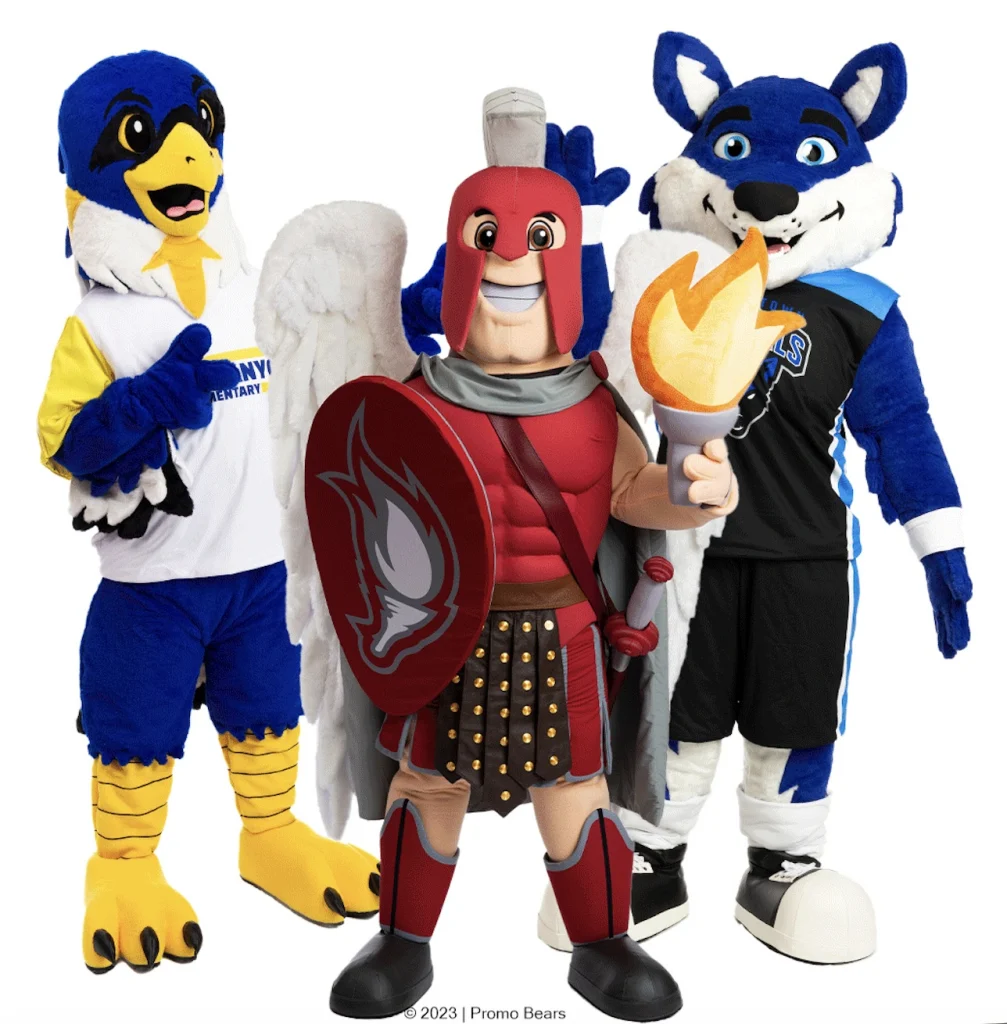
A Gen Z mascot is a brand character designed to resonate with Generation Z audiences through authenticity, cultural relevance, humor, and a distinct visual personality that feels more like a real character than a polished corporate symbol. Unlike traditional mascots built for broad appeal, Gen Z mascots lean into internet culture, self-awareness, and emotional connection. This article unpacks what makes these characters work and what brands can learn from them.
What makes a mascot appeal to Gen Z?
A mascot appeals to Gen Z when it feels genuine, expressive, and culturally aware. Gen Z consumers are highly attuned to inauthenticity, so a brand mascot that comes across as overly polished or corporate will fall flat. What resonates instead is a character with a real personality, a sense of humor, and the ability to participate in culture rather than just advertise to it.
Gen Z grew up with social media, memes, and content creators, so they expect brand characters to exist in that same space. A mascot that only appears on product packaging or TV spots simply does not connect the way it once did. The mascots that earn genuine affection from this generation show up consistently across digital platforms, react to trends, and feel like they have an actual point of view.
Relatability is a key driver. Gen Z responds to characters that reflect their values, including inclusivity, self-expression, and a rejection of perfectionism. A mascot that is a little weird, a little imperfect, or unapologetically itself will always outperform one that tries too hard to be cool.
How does a Gen Z mascot differ from a traditional brand mascot?
The core difference between a Gen Z mascot and a traditional brand mascot is personality depth versus function. Traditional mascots were designed primarily as visual identifiers, friendly faces that made a brand recognizable and approachable. Gen Z mascots are expected to behave like characters with their own voice, opinions, and cultural presence.
Traditional mascots often communicated a single trait, like energetic, friendly, or trustworthy, and stayed firmly within brand guidelines. Gen Z mascots are more layered. They can be ironic, self-deprecating, or emotionally vulnerable in ways that older brand characters never were. This shift reflects how Gen Z consumes media: they want depth, not just decoration.
Another significant difference is platform behavior. A traditional mascot might anchor a television campaign or appear at sponsored events. A Gen Z mascot lives on TikTok, shows up in comment sections, and gets turned into fan art. The relationship between the character and the audience is more participatory and less one-directional.
Which brands have successfully used Gen Z mascots?
Several brands have built genuine Gen Z followings through mascot-driven strategies that prioritize character over promotion. The most successful examples share a commitment to consistency, cultural fluency, and a willingness to let the mascot take on a life of its own.
Duolingo’s owl, Duo, is one of the clearest examples. The character evolved from a simple app icon into a full-blown social media personality with a darkly comic edge, playing into memes and internet humor in a way that felt native rather than forced. The mascot became a cultural talking point, which drove enormous organic reach.
Scrub Daddy, the sponge brand, built its identity around a simple smiley face product that became a mascot in its own right, earning a devoted Gen Z following through TikTok content that was entertaining first and promotional second.
What these examples share is that the mascot was treated as a content asset rather than just a branding tool. The character was given room to be funny, unpredictable, and genuinely engaging, which is exactly what Gen Z rewards.
What design elements define a Gen Z mascot?
Gen Z mascots tend to share a recognizable visual language that sets them apart from earlier brand characters. The design choices are deliberate and often rooted in internet aesthetics, animation culture, and a preference for expressive over polished.
- Exaggerated facial expressions: Big eyes, dynamic mouths, and emotive features that translate well to digital content and sticker formats
- Bold, saturated color palettes: Colors that pop on screen and feel energetic rather than corporate
- Imperfect or hand-drawn aesthetics: Slightly rough edges or an illustrative quality that signals authenticity over corporate polish
- Distinctive silhouettes: Shapes that are immediately recognizable at small sizes, which matters enormously for social media thumbnails and profile images
- Versatile expressions: A mascot designed to convey a range of emotions, not just a single neutral smile
The underlying principle is that Gen Z mascot design prioritizes expressiveness and memorability over refinement. A character that can convey a reaction, a mood, or a joke through its design alone is far more valuable in a social media context than one that simply looks clean and professional.
Should your brand adopt a Gen Z mascot style?
Whether your brand should adopt a Gen Z mascot style depends on your audience, your brand voice, and your willingness to commit to a character-driven content strategy. If Gen Z is a primary or growing audience for your brand, investing in a mascot with genuine personality is a strong strategic move. If your audience skews older or your brand operates in a highly formal sector, a full Gen Z aesthetic may not be the right fit, though some of its principles still apply.
The biggest mistake brands make is adopting the visual style of a Gen Z mascot without the commitment to bring it to life consistently. A character with a bold design but no real personality or content strategy will not land with this audience. Gen Z is quick to identify when a brand is mimicking a trend without understanding it.
That said, the core values behind Gen Z mascot design, authenticity, expressiveness, cultural awareness, and character depth, are genuinely useful for any brand looking to build stronger emotional connections with its audience. You do not need to go fully ironic or meme-forward to benefit from these principles.
How do you bring a Gen Z mascot to life as a physical costume?
Bringing a Gen Z mascot to life as a physical costume means translating its digital personality into a three-dimensional character that can show up at events, activations, and brand experiences with the same energy it has online. The key is working with experienced mascot designers who understand how to carry expressive design elements from screen to costume without losing what makes the character distinctive.
The most important design considerations for a Gen Z mascot costume include the eyes, the overall silhouette, and the color accuracy. Gen Z mascots often feature large, expressive eyes, and a well-made costume will use 3D realistic eyes that capture that same energy in person. The silhouette needs to read clearly from a distance, and color matching should be precise so the physical costume aligns with the digital character audiences already know.
- Start with a finalized digital design that captures the mascot’s key visual traits
- Work with a mascot production team to translate those traits into a wearable form, paying close attention to eye design, color accuracy, and silhouette
- Ensure the costume includes a ventilation system so the performer can stay comfortable during extended appearances
- Plan how the costume will be used, whether at events, in video content, or both, so the design supports those specific use cases
- Build a content strategy around the physical mascot so it extends the character’s presence beyond live appearances
Physical mascot costumes typically take 12 to 16 weeks to produce, so planning ahead is essential, especially if you have a product launch or event deadline in mind.
How Promo Bears helps you create a Gen Z mascot that stands out
We specialize in turning bold mascot concepts into high-quality physical costumes that bring your brand character to life at events, activations, and beyond. Whether you are starting from a finished design or a rough idea, our team of mascot experts with over 19 years of experience will guide you through every step.
Here is what we offer every client:
- A free concept illustration based on your logo or design idea, with unlimited revisions until it is exactly right
- 3D realistic eyes and an integrated ventilation system built into every costume for expressiveness and performer comfort
- A dedicated project manager who oversees your project from first sketch to final delivery
- Production completed in 12 to 16 weeks, with rush options available for tight timelines
- Thorough quality control with result photos shared for your approval before shipping
We have created over 4,000 mascots for brands ranging from global corporations to universities and sports teams, and we know what it takes to make a character that genuinely connects with audiences. If you are ready to take your Gen Z mascot from concept to costume, get a free quote and let us show you what is possible.
Frequently Asked Questions
How much does it typically cost to have a Gen Z mascot costume professionally made?
The cost of a professionally made mascot costume varies depending on complexity, size, and materials, but most custom full-body mascot costumes range from $2,000 to $8,000 or more. Factors like intricate detailing, animatronic features, or premium materials can push the price higher. It is best to request a free quote from a mascot production company like Promo Bears to get an accurate estimate based on your specific design.
What if my brand already has an existing mascot — can it be redesigned to appeal to Gen Z without losing brand recognition?
Yes, and many brands have done exactly this by evolving their mascots gradually rather than replacing them entirely. The key is to retain the core visual elements that make the character recognizable — the silhouette, color palette, and key features — while adding more expressive, personality-driven traits that resonate with Gen Z. A phased redesign approach, tested on social media before committing to new physical assets, is a smart way to modernize without alienating your existing audience.
How do I develop a consistent personality and voice for my Gen Z mascot across social media platforms?
Start by writing a character brief that defines your mascot’s personality traits, sense of humor, values, and the kind of content it would and would not engage with. Treat the mascot like a content creator with its own point of view, not just a brand spokesperson. Assign a dedicated social media manager or creative team who deeply understands Gen Z culture to run the mascot’s accounts, and establish clear content guidelines to keep the voice consistent across TikTok, Instagram, and other platforms.
What are the most common mistakes brands make when trying to appeal to Gen Z with a mascot?
The most common mistake is prioritizing aesthetics over authenticity — adopting a trendy visual style without building a real personality or content strategy behind it. Gen Z audiences will quickly recognize and call out a mascot that feels like a costume for corporate messaging rather than a genuine character. Other frequent missteps include inconsistent posting, ignoring audience interactions, and being too cautious or overly polished in the mascot’s tone, which strips away the relatability that makes these characters work.
Can a Gen Z mascot work for B2B brands or industries that are considered more formal or traditional?
While a fully ironic, meme-heavy mascot may not suit every B2B or formal industry context, the underlying principles — authenticity, expressiveness, and character depth — can still be applied in a more measured way. A B2B brand might develop a mascot with a distinct, approachable personality and a consistent presence at trade shows and on LinkedIn without leaning into humor or internet culture. The goal is to create a character that feels human and relatable, which is valuable regardless of industry.
How should I plan for a mascot costume if I have an upcoming product launch or event deadline?
Since professional mascot costumes typically require 12 to 16 weeks to produce, you should initiate the design and production process at least four to five months before your target event date. Start by finalizing your mascot’s digital design first, then immediately engage your mascot production team so the fabrication timeline can begin. If your deadline is tighter, ask your production partner about rush options, though these may come at an additional cost and should be confirmed early in the process.
What kind of content strategy works best for a mascot that exists both digitally and as a physical costume?
The most effective approach is to treat the digital and physical versions of your mascot as two expressions of the same character, with content planned around both. Use the physical costume for event appearances, behind-the-scenes videos, and experiential marketing moments, then repurpose that footage into social media content that extends the mascot’s reach far beyond the live event. Creating continuity between the online personality and the in-person experience — same voice, same energy, same visual identity — is what turns a mascot into a genuinely memorable brand asset.