
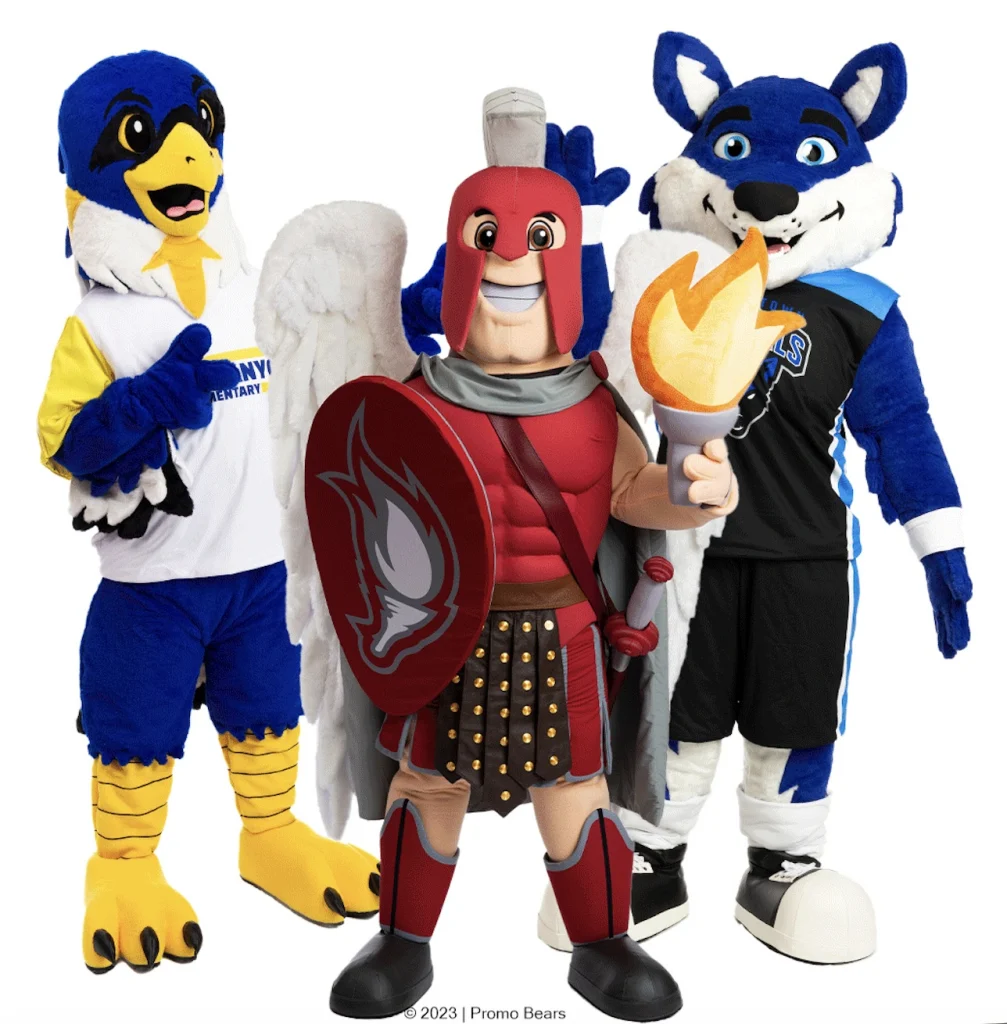
Kids respond best to advertising that is colorful, fun, character-driven, and emotionally engaging. Unlike adults, children are drawn to storytelling, playful visuals, and familiar mascot characters rather than product features or price comparisons. For brands targeting young audiences, the most effective children’s marketing ideas combine imagination, humor, and interactive experiences that feel like play rather than promotion.
Understanding what captures a child’s attention is not just a creative challenge — it is a strategic one. The right approach builds genuine emotional connections that influence not only the child but also the parent making the purchase decision. Below, we break down the key questions every brand should ask before reaching out to younger audiences.
Why do kids respond differently to advertising than adults?
Children process advertising differently because their cognitive and emotional development is still maturing. They are less able to recognize persuasive intent, more responsive to emotional cues, and far more likely to form strong attachments to characters and stories than to product benefits or logical arguments. This makes them a uniquely receptive — and uniquely vulnerable — audience.
Adults evaluate ads through a filter of experience and skepticism. Kids do not have that filter yet. A child watching a commercial is often fully immersed in the world being presented, which means that tone, color, sound, and character design carry enormous weight. Brands that understand this invest in creating consistent, lovable brand identities rather than one-off promotional messages.
It also helps to remember that children often influence household purchasing decisions far beyond their own pocket money. Research consistently shows that kids play a significant role in family choices around food, entertainment, travel, and even household products. That makes understanding how children respond to advertising a priority for many mainstream brands, not just those selling toys or snacks.
What types of advertising appeal most to children?
The advertising formats that appeal most to children are those that feel entertaining, immersive, and interactive. Children are naturally drawn to storytelling, bright visuals, music, humor, and characters they can identify with. Formats that feel like play — rather than a sales pitch — consistently outperform traditional approaches when targeting younger audiences.
Some of the most effective children’s marketing ideas include:
- Character-led storytelling: Ads built around a memorable mascot or animated character that children can follow across multiple touchpoints
- Music and jingles: Catchy audio that sticks in a child’s memory long after the ad has ended
- Interactive experiences: Games, events, and activities where children can participate rather than just watch
- Collectibles and physical merchandise: Tangible items like plush toys, stickers, and keychains that extend the brand experience into everyday life
- Humor and silliness: Light, playful content that makes children laugh and feel good about the brand
Physical and experiential marketing tends to have a lasting impact on younger audiences because it creates a personal connection. A child who receives a branded plush toy or wears a temporary tattoo at an event is far more likely to remember that brand than one who saw a banner ad online.
How do mascots and characters influence kids’ brand perception?
Mascots and brand characters are among the most powerful tools in children’s marketing because kids form genuine emotional bonds with them. A well-designed character becomes a trusted friend in a child’s mind, and that trust transfers directly to the brand the character represents. This emotional connection builds brand recognition early and can last well into adulthood.
Think about the most iconic brand mascots in history. Many of them became cultural touchstones precisely because they resonated so deeply with children. A mascot gives a brand a face, a personality, and a story — three things that children respond to far more readily than a logo or a tagline.
For brands targeting schools, sports teams, or family-oriented events, a custom mascot costume takes this a step further. When a child can meet a mascot in person — get a high-five, take a photo, or watch it perform — the experience becomes memorable in a way that no digital ad can replicate. That kind of physical, joyful encounter creates a positive brand association that sticks.
Mascot merchandise extends this connection into daily life. A child who carries a plush version of their favorite brand character to school, or who has a mascot sticker on their water bottle, is actively reinforcing that brand relationship every single day.
What role does fun and play have in advertising to children?
Fun and play are not optional extras in children’s advertising — they are the foundation. Children learn, connect, and form memories through play. Advertising that taps into a child’s natural desire to explore, create, and laugh is far more effective than content that simply delivers information. If a child is having fun, they are engaged, and engagement is what drives brand memory.
Experiential marketing events that incorporate games, activities, and live entertainment are particularly effective. A branded event where children can interact with a mascot, participate in activities, and take home a small piece of merchandise creates a layered experience that hits multiple emotional touchpoints at once.
Promotional products play a surprisingly important role here. Items like frisbees, beach balls, temporary tattoos, and drawstring bags are not just giveaways — they are invitations to play. When a child uses a branded frisbee at a family picnic or sticks a mascot sticker on their notebook, the brand becomes part of their world in the most natural way possible.
What are the ethical considerations when advertising to kids?
Advertising to children comes with real ethical responsibilities. Because children are less able to critically evaluate persuasive messaging, brands have an obligation to be honest, age-appropriate, and transparent. In the American and Canadian markets, advertising to children is regulated, and brands that push boundaries risk both legal consequences and serious reputational damage.
Key ethical principles that responsible brands follow include:
- Honesty about products: Never exaggerate what a product does or looks like in advertising aimed at children
- Age-appropriate content: Ensure that creative content, humor, and themes are genuinely suitable for the target age group
- Parental awareness: Recognize that parents are the decision-makers and design campaigns that respect that dynamic
- Avoiding pressure tactics: Steer clear of messaging that makes children feel excluded or inferior if they do not have a product
- Transparency in sponsorship: Clearly identify sponsored content so that children and parents understand the commercial nature of the communication
Ethical advertising to children is not just about avoiding harm — it is also smart business. Brands that earn the trust of parents build long-term loyalty that extends across the entire family. A brand seen as responsible and child-friendly is one that parents will actively choose and recommend.
How can brands use promotional products to connect with young audiences?
Promotional products are one of the most effective and underrated tools in children’s marketing. Unlike digital ads that disappear in seconds, a physical product stays in a child’s hands, bedroom, or backpack for months. That ongoing presence keeps the brand top of mind and creates repeated positive associations without any additional media spend.
The most effective promotional products for young audiences are those that feel fun, useful, or collectible. Stickers, plush toys, keychains, temporary tattoos, and small branded items all perform well because they fit naturally into a child’s daily life. When these items also feature a beloved mascot or character, their emotional value increases significantly.
For brands planning events, school activations, or community outreach, combining live mascot appearances with take-home merchandise creates a complete brand experience. The child meets the mascot, feels the excitement of that moment, and then takes home a physical reminder that keeps that feeling alive long after the event ends.
How Promo Bears helps brands connect with younger audiences
We specialize in creating the exact tools that make children’s marketing ideas come to life. From custom mascot costumes to branded plush toys, stickers, and promotional merchandise, we offer a complete range of products designed to build emotional connections with young audiences.
Here is what we bring to the table for brands targeting kids:
- Custom mascot costumes ready in 12 to 16 weeks, featuring lifelike 3D eyes, a built-in ventilation system, and a free concept illustration to start
- Custom stress balls in fully custom shapes with PMS color matching, produced in 10 to 12 weeks after design approval
- Plush toys that bring brand characters to life as collectible take-home items
- Stickers, keychains, and temporary tattoos that are perfect for events and school activations
- Giant mascot inflatables that create instant visual impact at events, ready in just 3 to 4 weeks
- A dedicated project manager who handles everything from first concept to final delivery
Every project starts with a free concept illustration and unlimited revisions, so you know exactly what you are getting before production begins. Whether you are planning a school tour, a family event, or a large-scale brand activation, we are ready to help you create something that kids will genuinely love.
Ready to bring your brand to life for younger audiences? Get your free quote today and let us show you what is possible.
Frequently Asked Questions
What age groups should we target differently when planning a children's marketing campaign?
Children’s marketing is not one-size-fits-all — a campaign that resonates with a 4-year-old will likely miss the mark with a 10-year-old. Toddlers and preschoolers respond best to bright colors, simple characters, and repetitive audio like jingles, while children aged 6–9 engage more with storytelling, humor, and interactive play. Tweens (ages 10–12) begin developing more adult-like skepticism and respond better to peer relevance, cool factor, and a sense of independence. Segmenting your campaign by age group — even slightly — will dramatically improve its effectiveness.
How do we get parents on board when our primary audience is kids?
The most effective children’s campaigns speak to both audiences simultaneously — entertaining the child while reassuring the parent. Parents respond to messaging that emphasizes safety, quality, educational value, or shared family experiences, so weaving those themes into your creative approach builds trust on both sides of the purchase decision. Ethical, transparent advertising (as outlined above) is your strongest tool here: parents actively seek out brands they feel respect their children rather than exploit them. Events and experiential activations are especially powerful because parents witness their child’s positive reaction firsthand, which is more persuasive than any ad.
How do we measure whether our children's marketing campaign is actually working?
For event-based and experiential campaigns, key indicators include attendance numbers, merchandise pickup rates, social media sharing by parents, and post-event brand recall surveys. For broader campaigns, tracking metrics like brand awareness lift among target age groups, increases in family-oriented web traffic, and sales uplift in family product categories can help quantify impact. Qualitative feedback — such as children asking for a brand by name or referencing a mascot character — is also a strong signal that emotional connection has been established. If you are distributing promotional products, tracking redemption rates or follow-up engagement tied to those items can provide useful attribution data.
What are the most common mistakes brands make when advertising to children?
The most frequent mistake is treating children like small adults — leading with product features, price points, or logical benefits that simply do not register with young audiences. Another common pitfall is inconsistency: introducing a mascot or character in one campaign and then abandoning it, which breaks the emotional continuity that makes character-driven marketing so effective. Brands also underestimate the importance of physical, tangible touchpoints — relying too heavily on digital ads that children scroll past without engaging. Finally, ignoring parental sensibilities or pushing ethical boundaries might generate short-term buzz but almost always results in long-term brand damage.
How far in advance should we plan a mascot or promotional product campaign for a school or community event?
For a well-executed event, we recommend starting the planning process at least 4 to 6 months in advance, especially if custom mascot costumes or branded merchandise are involved. Custom mascot costumes typically require 12 to 16 weeks from design approval to delivery, and promotional products like plush toys or custom stress balls need 10 to 12 weeks. Building in extra lead time allows for design revisions, shipping contingencies, and event logistics without last-minute pressure. If your timeline is tighter, giant mascot inflatables — which are ready in just 3 to 4 weeks — can serve as a high-impact visual centerpiece while other items are still in production.
Can a small or local brand benefit from mascot-based marketing, or is this only practical for large companies?
Mascot-based marketing is absolutely viable for small and local brands — in fact, a community-level mascot often creates a deeper personal connection than a national campaign ever could. A local sports team, school, family restaurant, or regional event can use a custom mascot to build a loyal following within their specific community, where the character becomes genuinely familiar and beloved. The key is consistency: using the mascot across every touchpoint — events, merchandise, social media, and signage — so that recognition builds over time. Starting with a single well-designed costume and a set of take-home merchandise items is a cost-effective entry point that scales as your brand grows.
What should we look for when choosing a supplier for custom mascot costumes and children's promotional products?
Look for a supplier that offers end-to-end project support, including concept illustration, design revisions, and a dedicated point of contact — because children’s marketing products require precise creative alignment and there is little room for miscommunication. Quality and safety standards are non-negotiable: costumes should be built with performer comfort in mind (ventilation systems, visibility, and durability), and any product handled by children must meet relevant safety certifications. Transparency around production timelines and clear revision policies before production begins will protect your budget and your deadlines. A supplier with specific experience in children’s branding will also bring creative insight that goes beyond simply manufacturing what you describe.