
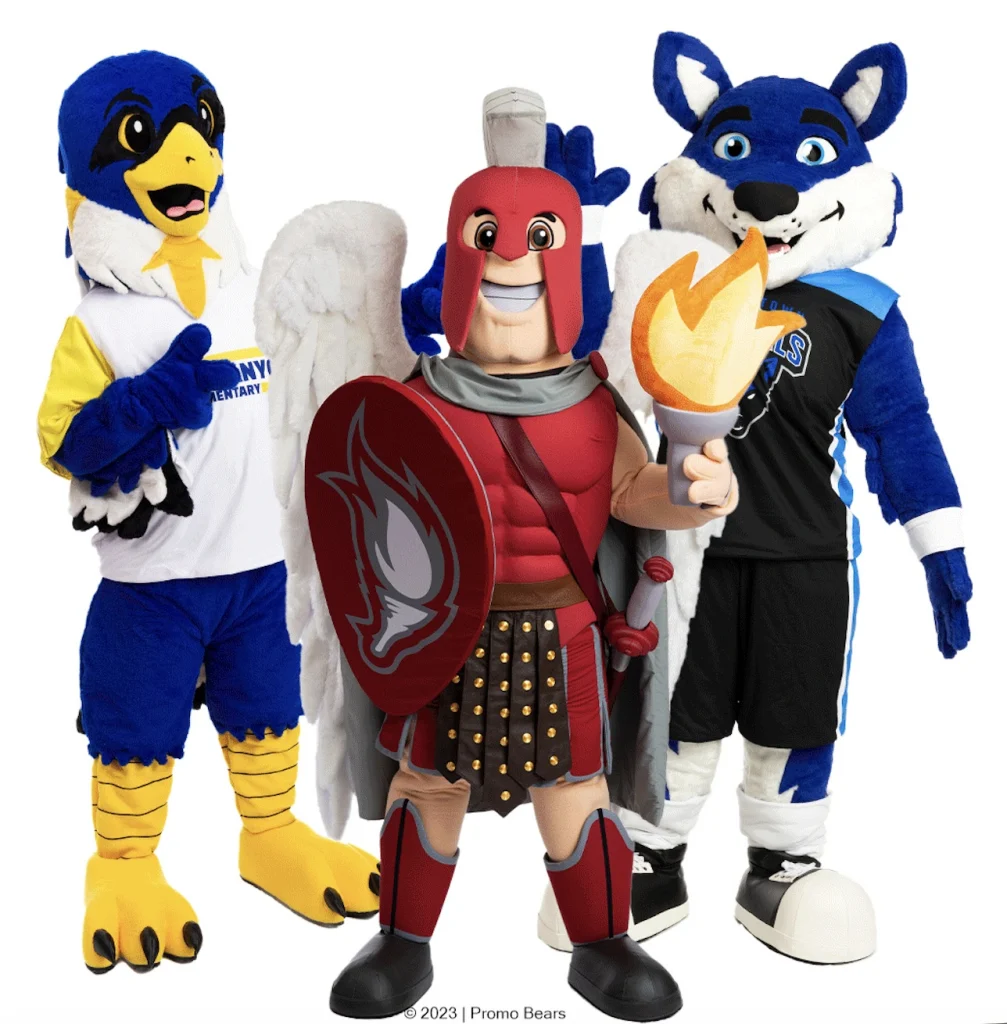
Brands become truly recognizable and memorable to children when they combine vivid visuals, consistent characters, and emotional experiences that kids can connect with on their own terms. Children process the world differently from adults, so the brands that stick are the ones that speak their language through color, personality, and play. The sections below break down exactly how that happens and what it means for your brand strategy.
Why do children remember some brands and forget others?
Children remember brands that give them something to feel, not just something to see. When a brand creates a repeated emotional experience tied to a character, a color, or a sound, it builds a memory anchor in a child’s mind. Brands that rely on abstract logos or text-heavy messaging fade quickly because they don’t connect with how young audiences actually process information.
Young children are highly sensory learners. They respond to bold shapes, bright colors, friendly faces, and sounds they recognize. A brand that shows up consistently in the places kids already spend time, whether that’s a school event, a sports game, or a retail store, becomes part of their everyday world. Repetition and familiarity are powerful forces at this age.
Contrast that with brands that only appear once or in a single format. Without repeated exposure and a clear, recognizable identity, even a well-designed brand can disappear from a child’s memory within days.
What role do mascots play in building brand recognition with kids?
Mascots are one of the most effective tools for building brand recognition with children because they transform an abstract brand into a personality kids can relate to, root for, and remember. A well-designed mascot gives a brand a face, a name, and a character, making it far easier for young audiences to form a genuine connection.
Children naturally anthropomorphize the world around them. They assign feelings and personalities to animals, objects, and characters. A mascot taps directly into that instinct. When a child sees a friendly bear or a playful lion representing a brand, they don’t just notice the brand. They feel something about it.
Mascots also create continuity. Whether a child sees the mascot on a product, at a live event, or on a piece of merchandise, the character ties every experience back to the brand. That consistency is what turns initial recognition into long-term recall. For brands targeting younger audiences, a mascot is not a decorative extra. It is a strategic asset.
What visual elements make a brand instantly recognizable to children?
The visual elements that make a brand instantly recognizable to children are bold colors, simple shapes, expressive faces, and consistent visual repetition. Children’s brains are wired to notice contrast and pattern, so brands that use strong, saturated colors and clean, uncomplicated imagery register faster and stay longer in memory.
Here are the key visual elements that work best with young audiences:
- Bold, saturated colors: Bright primaries and high-contrast combinations catch a child’s eye quickly and are easier to recall than muted or complex palettes.
- Simple, rounded shapes: Rounded edges and simplified forms feel friendly and approachable, which builds positive associations from the first glance.
- Expressive faces: Whether on a mascot, a character, or a product illustration, faces with clear emotions help children read the brand’s personality instantly.
- Consistent visual identity: When the same colors, shapes, and characters appear across every touchpoint, children recognize the brand even before they can read the name.
- Movement and life: Characters that feel dynamic, whether through posture, expression, or physical presence at events, create a stronger impression than static logos.
The brands that children recognize most quickly are rarely the most visually complex. They are the most visually consistent.
How does emotional connection influence brand loyalty in children?
Emotional connection is the foundation of brand loyalty in children. When a child associates a brand with a positive feeling, such as excitement at an event, comfort from a familiar character, or pride in owning a piece of merchandise, that feeling becomes the brand’s most powerful asset. Logic plays almost no role in how young children choose the brands they love.
Children form emotional memories quickly and hold onto them for a long time. A mascot they met at a school event, a plush toy they carried everywhere, or a sticker they put on their backpack all create emotional touchpoints that link back to the brand behind them. Those associations shape preferences that often persist well into adulthood.
For marketing managers and brand directors, this means the quality and warmth of a brand experience matters enormously. A low-effort interaction leaves no emotional residue. A high-quality, engaging experience, especially one anchored by a memorable character or physical product, creates the kind of loyalty that no advertisement alone can buy.
What’s the difference between brands children recognize and brands they love?
Recognition means a child can identify a brand when they see it. Love means a child actively seeks it out, talks about it, and feels something when it appears. The gap between the two comes down to emotional depth and personal relevance. A brand can achieve recognition through repetition alone, but love requires genuine connection.
Brands children love tend to share a few common qualities. They feel like they belong in the child’s world, not just the adult world of commerce. They offer something to interact with, whether that’s a character to follow, a product to collect, or an experience to participate in. And they show up consistently in ways that feel meaningful rather than purely transactional.
Recognition is a starting point. It gets a brand noticed. But the brands that generate real word of mouth among young audiences, the ones kids tell their friends about, are the ones that have moved beyond recognition into genuine emotional territory. That transition happens through experiences, characters, and merchandise that children can actually hold, wear, or engage with.
How can brands create consistent, child-friendly experiences across touchpoints?
Brands create consistent, child-friendly experiences by anchoring every touchpoint to the same visual identity, character, and emotional tone. Whether a child encounters the brand at a live event, in a store, on a piece of merchandise, or at school, the experience should feel like it comes from the same place. Consistency builds trust, and trust builds loyalty.
The most effective approach is to start with a central brand character or mascot and then extend that character across every format that reaches children. A mascot costume at a live event, plush toys and keychains as take-home merchandise, stickers for everyday use, and inflatables at outdoor activations all reinforce the same identity in different contexts.
Practical steps to create that consistency include:
- Define the character first: Before producing any merchandise or planning any event, establish who the brand character is, what they look like, and how they behave. Every touchpoint flows from that foundation.
- Match the visual identity across all products: Colors, shapes, and expressions should be identical whether the character appears on a stress ball, a plush toy, or a full mascot costume.
- Show up where children already are: Schools, sports events, family-oriented retail environments, and community gatherings are all high-value touchpoints for reaching young audiences in a natural, non-intrusive way.
- Give children something to take home: Physical merchandise extends the brand experience beyond the event itself. A child who carries a keychain or wears a sticker becomes a walking ambassador for the brand.
- Keep the tone warm and playful: Every interaction, whether live or through a product, should feel fun, friendly, and appropriate for the age group. The tone is as important as the visuals.
How Promo Bears helps brands connect with younger audiences
Building a recognizable, lovable brand for children starts with having the right tools. We work with marketing managers, brand directors, and event teams to bring brand characters to life across every format that matters to young audiences.
Here is what we can produce to support your children’s marketing strategy:
- Custom mascot costumes ready in 12 to 16 weeks, built around your design with lifelike 3D eyes, a built-in ventilation system, and unlimited revisions before production begins
- Plush toys that give children a take-home connection to your brand character
- Stress balls in fully custom shapes with PMS color matching, ready in 10 to 12 weeks
- Giant mascot inflatables for outdoor events and activations, delivered in just 3 to 4 weeks
- Stickers, keychains, and enamel pins for affordable, high-volume giveaways that keep your brand in children’s hands long after the event
Every project starts with a free concept illustration and zero upfront commitment. A dedicated project manager guides the process from first sketch to final delivery, so you get a consistent brand character across every product you order. If you are ready to build something children will remember, get your free quote and let’s get started.
Frequently Asked Questions
At what age do children start forming strong brand preferences?
Children begin recognizing logos and brand identities as early as age 2 to 3, but strong emotional brand preferences typically start forming between ages 4 and 7. During this window, repeated positive experiences with a character or product have an outsized impact on long-term loyalty. This is why early, consistent exposure through mascots and take-home merchandise is so strategically valuable for brands targeting young audiences.
How do I know if my existing mascot or brand character is resonating with children?
The clearest signals are behavioral: children who spontaneously point out, ask for, or talk about your character are showing genuine connection. You can also observe engagement at live events — do kids approach the mascot eagerly, want photos, or ask for merchandise? If interactions feel forced or children move on quickly, it may be time to revisit the character’s design, expressiveness, or personality to ensure it feels approachable and emotionally engaging for the target age group.
What are the most common mistakes brands make when trying to market to children?
The biggest mistake is designing for parents rather than children — using muted colors, complex logos, or overly polished aesthetics that appeal to adult sensibilities but fail to grab a child’s attention. Another common error is inconsistency: introducing a mascot at one event but not carrying it through to merchandise, digital touchpoints, or in-store experiences. Without that repetition across formats, even a well-designed character won’t build the memory anchors children need to form lasting brand recognition.
How much does it cost to get started with a custom mascot or branded merchandise for a children's campaign?
Costs vary widely depending on the product type, quantity, and complexity of your design. Custom mascot costumes represent a larger upfront investment but deliver long-term value across dozens or hundreds of events. Smaller items like stickers, keychains, and stress balls are highly cost-effective for high-volume giveaways. The best starting point is requesting a free concept illustration and quote — this gives you a concrete scope and pricing without any upfront commitment, so you can plan your budget accurately before production begins.
Can a brand without an existing mascot still connect effectively with children?
Absolutely — and in some ways, starting from scratch is an advantage because you can design a character specifically optimized for young audiences rather than retrofitting an existing identity. The key is to develop the mascot with children’s visual and emotional preferences in mind from the very beginning: bold colors, rounded shapes, expressive features, and a clear personality. Once that foundation is in place, extending it across merchandise and live experiences builds recognition quickly, even for brands that are new to the children’s market.
How do branded giveaways like stickers and plush toys actually extend a brand's reach among children?
Physical branded items act as portable touchpoints that keep your character present in a child’s daily life long after the initial event or interaction. A sticker on a water bottle, a plush toy on a bed, or a keychain on a backpack exposes the brand not just to that child but to every peer, sibling, and adult who sees it. Children also tend to share and show off items they’re proud of, which generates organic word-of-mouth among exactly the audience you’re trying to reach.
How long does it typically take to go from concept to a fully deployed children's brand campaign with mascots and merchandise?
Timeline depends on the products involved, but a realistic planning window for a full campaign launch is 12 to 16 weeks if a custom mascot costume is included, since that is typically the longest lead-time item. Merchandise like stickers, keychains, and stress balls can often be produced in 10 to 12 weeks, while giant inflatables can be ready in as little as 3 to 4 weeks. Working with a single supplier who can manage your mascot costume, plush toys, and giveaway items simultaneously is the most efficient way to ensure every product is consistent and campaign-ready at the same time.