
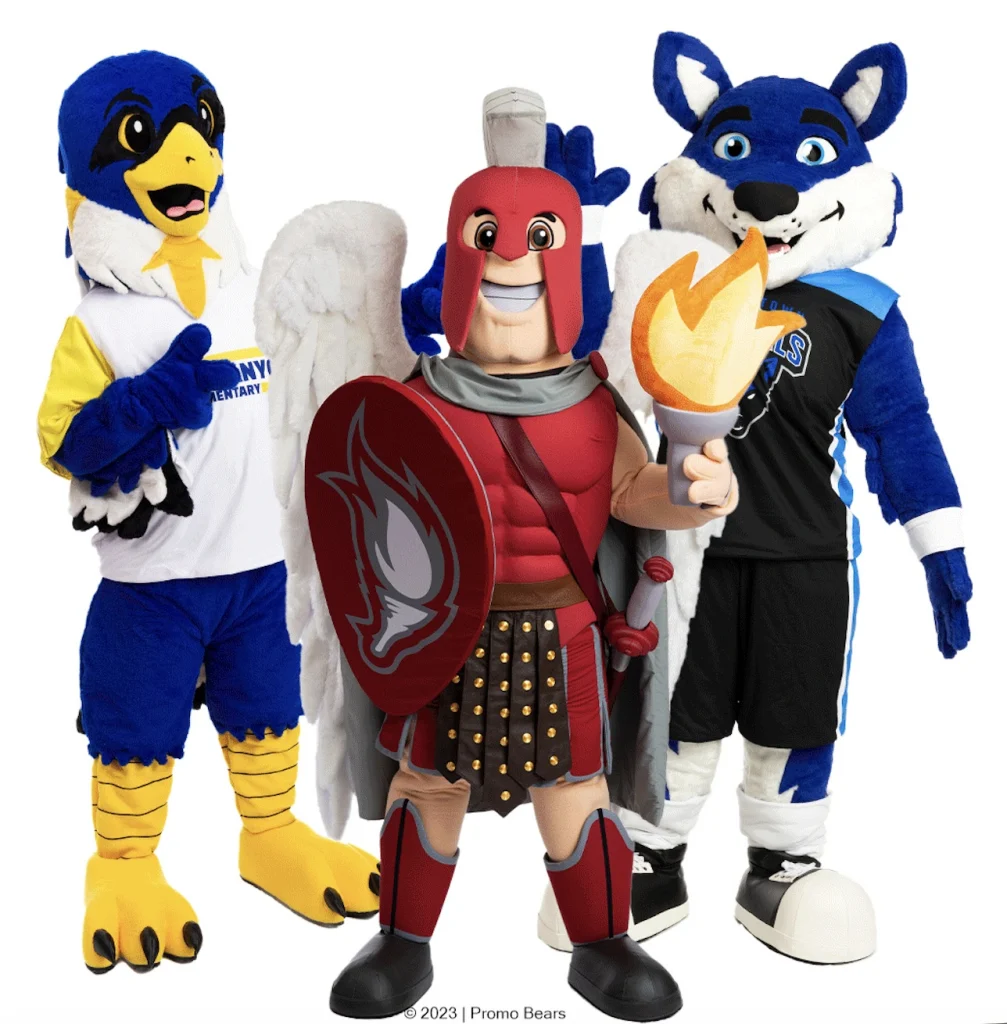
A sports club mascot costume should include breathable, non-toxic materials, a built-in ventilation system, wide visibility panels, and easy-access fastenings so the performer can stay safe and comfortable throughout an entire event. These features are not just nice to have — they directly affect how long your mascot can perform and how well they represent your club.
Whether you are ordering your first mascot for a sports club or upgrading an existing one, understanding what separates a well-built costume from a poorly made one will save you time, money, and a lot of headaches on game day. Below, we break down every key feature you should look for before placing an order.
What materials make a mascot costume safe to wear for long periods?
A mascot costume designed for long-term wear should be made from lightweight, breathable foam and fabric that does not trap heat or cause skin irritation. The outer shell is typically constructed from durable faux fur or fleece, while the inner lining should be a moisture-wicking fabric that keeps the performer dry and comfortable during extended use.
The foam used in the head and body structure matters more than most people realize. High-density EVA foam provides shape and protection without adding excessive weight. Cheaper alternatives often use rigid materials that press against the performer’s head and shoulders, leading to discomfort within minutes.
Look for these material qualities when evaluating a costume:
- Moisture-wicking inner lining to manage sweat during active performances
- Lightweight EVA foam in the head for shape without strain
- Durable outer fabric that holds color and resists wear over multiple uses
- Non-toxic, hypoallergenic materials throughout, especially near the face
- Reinforced seams at high-stress points like the shoulders and waist
Material quality also affects how easy the costume is to clean between uses, which we will cover further below. A well-chosen fabric combination makes the difference between a costume that lasts one season and one that serves your club for years.
How does ventilation work inside a mascot costume head?
Ventilation inside a mascot costume head works through a combination of strategically placed mesh panels and, in higher-quality costumes, a built-in battery-powered fan system that actively circulates air around the performer’s face and head. Without proper airflow, heat builds up rapidly inside the enclosed head, which can cause discomfort and, in serious cases, heat exhaustion.
Passive ventilation relies on mesh panels hidden within the eye area or mouth opening. These allow some natural airflow but depend heavily on the performer moving around. Active ventilation systems use small, quiet fans installed inside the head to push fresh air in and pull warm air out continuously, regardless of movement.
For a mascot performing at a sports event — running along the sidelines, high-fiving fans, and leading crowd chants — active ventilation is a significant advantage. It keeps the performer cooler for longer, which directly extends how much time they can spend on the field before needing a break.
When evaluating ventilation quality, ask the manufacturer specifically whether the system is passive or active, where the airflow is directed, and how loud the fans are during operation. A noisy fan can distract from the mascot’s performance and draw attention away from the character.
What visibility and mobility features should a sports mascot costume have?
A sports mascot costume should provide the performer with a clear line of sight through mesh or tinted panels positioned at eye level, and the body suit should allow a full range of motion, including running, jumping, and crouching, without restriction. Poor visibility and limited mobility are the two most common reasons performers get injured or struggle to engage effectively with a crowd.
Visibility design
The eyes of the mascot costume are typically the primary visibility point. In well-designed costumes, the performer looks out through mesh panels built into the character’s eyes or mouth. These panels should be fine enough to maintain the illusion of a solid eye from the outside while giving the performer a clear, unobstructed view of their surroundings.
Some costumes use tinted mesh that allows the performer to see clearly in bright outdoor environments. This is particularly useful at outdoor sports events where strong sunlight can reduce visibility through standard mesh.
Mobility design
The body suit and padding should be cut to allow natural movement at the hips, shoulders, and knees. Oversized or poorly fitted suits restrict movement and increase the risk of trips and falls. The costume should fit the performer’s body proportions as closely as possible while still maintaining the character’s visual shape.
Footwear is another mobility consideration that often gets overlooked. Custom mascot shoes or boot covers should have non-slip soles and enough flexibility for the performer to walk and run safely on gym floors, turf, and outdoor surfaces.
How easy should a mascot costume be to put on and take off quickly?
A mascot costume should be designed so that one person can put it on and remove it within a few minutes, using large zippers, Velcro fastenings, or snap closures that are easy to operate even while wearing gloves. At sports events, performers often need to change quickly between appearances or cool down rapidly during breaks, so fast access is genuinely important.
The head should detach cleanly from the body suit without requiring tools or a second person. A secure but simple locking mechanism keeps the head stable during performance while still allowing fast removal when the performer needs air.
Body suits that use a single back zipper are the most straightforward to operate with minimal assistance. Avoid designs with multiple small closures that require precise alignment under time pressure. The simpler the fastening system, the faster and safer the costume change will be.
If your club’s mascot performs multiple times during an event, quick removal also supports hygiene. A performer who can take the costume off quickly between appearances allows the lining to air out, which reduces moisture buildup and extends the life of the costume.
How do you keep a mascot costume hygienic between uses?
Keeping a mascot costume hygienic between uses requires a removable, washable inner lining, regular airing of the head and body components, and periodic spot cleaning of the outer fabric. Because mascot costumes are worn close to the body during physical activity, moisture and bacteria can accumulate quickly if the costume is not maintained properly after each use.
The inner lining is the most critical hygiene component. A well-designed costume will have a removable lining that can be machine washed regularly. Without this feature, the only option is spot cleaning or professional cleaning, which is both time-consuming and expensive over a full season.
After each use, follow these steps to maintain hygiene and extend the costume’s life:
- Remove the inner lining and wash it according to the manufacturer’s instructions
- Allow the head and body components to air out fully before storing
- Use a fabric-safe deodorizing spray on the interior surfaces
- Spot clean any visible stains on the outer fabric with a mild detergent
- Store the costume in a cool, dry place away from direct sunlight to prevent color fading
- Inspect seams and fastenings regularly and address any wear before it becomes a larger repair
Clubs that share a mascot costume between multiple performers should pay particular attention to hygiene protocols. A consistent cleaning routine protects the health of every performer and keeps the costume looking sharp throughout the season.
What’s the difference between a professional mascot costume and a cheap alternative?
The core difference between a professional mascot costume and a cheap alternative is build quality, comfort, and longevity. Professional costumes use higher-grade materials, purpose-built ventilation, and custom construction that holds up over hundreds of uses. Cheap alternatives cut corners on all three, resulting in a costume that looks flat, overheats performers quickly, and deteriorates within a single season.
Beyond materials, the design process itself separates professional production from budget options. A professional costume is built around the specific character your club wants to project, with lifelike 3D eyes, accurate color matching, and proportions that read well from a distance. A cheap alternative typically offers a generic shape with a simple print, which rarely translates into a strong on-field presence.
The cost difference also needs to be understood in context. A professionally made costume that lasts five or more seasons with proper care is a better investment than replacing a budget costume every year or two. When you factor in the cost of repairs, replacements, and the reputational impact of a mascot that looks worn or unconvincing, the math strongly favors quality from the start.
Cheap costumes also tend to lack the safety features that matter most during active performance. Inadequate ventilation, poor visibility panels, and weak fastenings all increase the risk of performer discomfort or injury. For a club that takes its brand and its people seriously, those are not acceptable trade-offs.
How Promo Bears helps you strengthen club identity with the right mascot costume
If you want a mascot for your sports club that genuinely checks every box above, we build custom mascot costumes from the ground up based on your club’s character, colors, and identity. Every costume we produce includes a built-in ventilation system, lifelike 3D eyes, and a washable inner lining as standard features — not optional upgrades.
Here is what working with us looks like in practice:
- Free concept illustration based on your logo or design idea, with unlimited revisions
- Dedicated project manager from first sketch through to delivery
- 3D realistic eyes and integrated ventilation built into every costume
- Easy-to-clean construction with a removable inner lining
- Production completed in 12 to 16 weeks, with rush options available
- Final result photos shared for your approval before shipping
We have built over 4,000 mascots for sports teams, schools, and major brands across North America and beyond. If you are ready to give your club a mascot that performs as well as it looks, get your free quote and we will start with a no-commitment concept illustration today.
Frequently Asked Questions
How do I know what size mascot costume to order for my performer?
Most professional mascot costume makers will ask for the performer’s height, weight, shoulder width, and head circumference to build a costume that fits correctly. It is best to identify your primary performer before placing an order, since a costume built around one person’s measurements will always perform better than a one-size-fits-all design. If your club plans to rotate multiple performers, share all their measurements with the manufacturer so they can find a middle-ground fit or recommend adjustments that accommodate the full range.
How long can a performer safely wear a mascot costume without a break?
As a general guideline, performers should take a break every 20 to 30 minutes when wearing a full mascot costume, particularly in warm or outdoor environments. Costumes with active ventilation systems can extend this window somewhat, but heat buildup inside the head is still a real concern during high-energy performances. Always have a cool, shaded area set aside for the performer to rest, hydrate, and remove the head between appearances — this protects their health and keeps their energy level up for the next performance.
What if my club's mascot character doesn't exist yet — can a costume still be made from scratch?
Absolutely — in fact, building a costume from a brand-new character concept is one of the most common scenarios for professional mascot makers. You can start with nothing more than a rough idea, a color scheme, or your club’s logo, and a skilled manufacturer will develop the character design through illustrated concepts before any physical construction begins. This process ensures the final costume reflects your club’s identity accurately rather than forcing your brand into a generic template.
Can a mascot costume be repaired if it gets damaged during the season?
Yes, most professional mascot costumes can be repaired, and many manufacturers offer repair services for costumes they originally produced. Common repairs include reattaching seams, replacing worn fastenings, patching outer fabric, and servicing or replacing ventilation fans. To make repairs easier and more cost-effective, keep any leftover fabric or materials provided by the manufacturer, and address minor damage early before it spreads into a more expensive fix.
How should we store a mascot costume during the off-season?
Before storing the costume for an extended period, clean the inner lining thoroughly, allow all components to air out completely, and inspect the entire costume for any damage that should be repaired before next season. Store the head and body separately in breathable storage bags — never sealed plastic, which traps moisture and can cause mold or fabric degradation. Keep the costume in a cool, dry location away from direct sunlight, which fades color over time, and avoid stacking heavy items on top of the head, which can deform the foam structure.
What common mistakes should clubs avoid when ordering their first mascot costume?
The most common mistakes are prioritizing upfront cost over quality, failing to measure the performer before ordering, and rushing the design approval process. Choosing the cheapest available option almost always results in a costume that underperforms on safety, comfort, and durability — and ends up costing more in replacements and repairs over time. Take the time to review design concepts carefully before production begins, since changes are straightforward at the illustration stage but expensive once construction is underway.
Is it possible to get a mascot costume that works for both indoor and outdoor events?
Yes, and a well-built professional costume should handle both environments without requiring separate versions. The key features to confirm are non-slip, multi-surface footwear that performs on gym floors and outdoor turf, tinted mesh visibility panels that reduce glare in bright sunlight, and an active ventilation system that keeps the performer comfortable regardless of ambient temperature. Letting your manufacturer know upfront that the costume will be used in both indoor and outdoor settings allows them to tailor these details during the build.