
When budgets get cut, prioritize event experience elements that create direct audience engagement, build lasting brand memory, and can be reused across future events. Single-use decorations and generic giveaways are usually the first things to go. The smartest move is to protect the elements that make people stop, interact, and remember your brand long after the event ends. The sections below break down exactly how to make those calls.
What makes an event experience element worth keeping?
An event experience element is worth keeping if it drives meaningful interaction, reinforces your brand identity, or produces value beyond the event itself. The clearest test is simple: if the element disappeared tomorrow, would attendees notice or remember less? If the answer is yes, it earns its place in the budget.
Worth keeping usually means the element does at least one of the following things well:
- It creates a moment people want to photograph and share
- It gives attendees something tangible to take home or use afterward
- It communicates your brand story without needing a sales pitch
- It can be deployed again at the next event, reducing cost per use
Elements that only serve an aesthetic purpose, like generic table centerpieces or printed banners that carry no message, tend to score low on all four of those criteria. When the budget shrinks, those are the first things to question.
Which event elements get cut first — and should they?
The elements that get cut first in a budget crunch are typically ambient decor, printed single-use signage, large catering upgrades, and entertainment acts with no direct brand connection. In many cases, cutting these is the right call. They consume significant budget without producing measurable engagement or brand recall.
That said, some cuts are made out of habit rather than strategy. A few elements that commonly get removed deserve a second look before they go:
- Branded giveaways: Cheap giveaways get cut, but high-quality branded merchandise that people actually use keeps your brand visible for months after the event.
- Interactive brand activations: These feel like a luxury, but they are often the single most-shared moment of the event. Cutting them can eliminate the only thing that would have generated organic social reach.
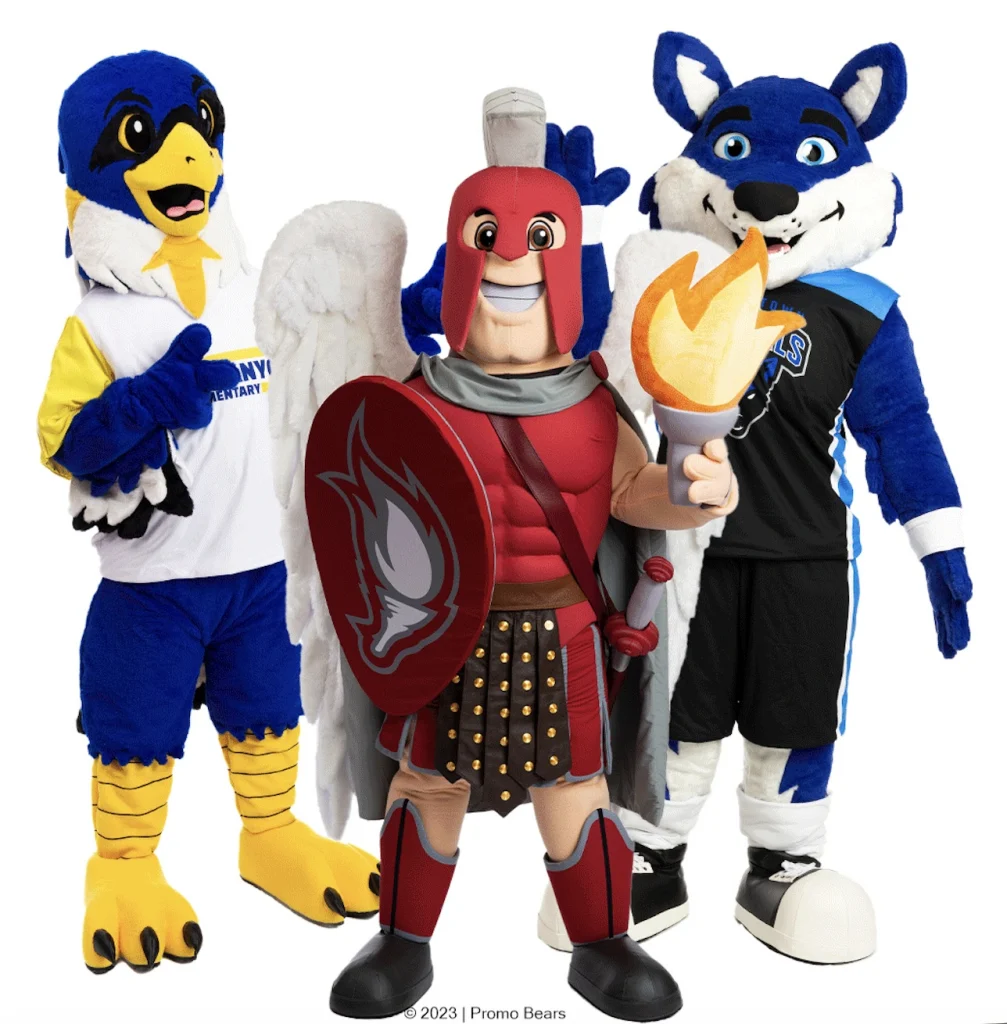
- Mascot or character appearances: These are frequently seen as optional, but they create the kind of human, memorable interaction that no printed banner can replicate.
The question to ask before cutting anything is not “does this cost money?” but rather “does removing this reduce the reason people would attend, share, or remember this event?”
How do you rank event elements by engagement ROI?
To rank event elements by engagement ROI, score each element across three dimensions: the depth of interaction it creates, the reach it generates beyond the event, and whether it produces value after the event day is over. Elements that score high on all three are your non-negotiables. Elements that score low on all three are candidates for removal.
Here is a practical way to think about it. Place every planned element into one of three categories:
- High ROI: Creates interaction, generates shareable content, and produces post-event value. Examples include custom mascot appearances, branded merchandise, and hands-on product demonstrations.
- Medium ROI: Serves a functional purpose but does not drive active engagement. Examples include informational displays, branded seating, and event programs.
- Low ROI: Exists for atmosphere but does not connect to your brand or drive action. Examples include generic floral arrangements, background music with no brand tie-in, and decorative lighting with no interactive component.
When cuts are necessary, work from the bottom of that list upward. Protect the high-ROI elements even if they feel more expensive, because they are doing the work that justifies the entire event investment.
What’s the difference between brand experience and event logistics?
Brand experience refers to everything an attendee feels, sees, and takes away that connects them emotionally to your brand. Event logistics refers to everything that makes the event function correctly, including venue setup, scheduling, staffing, and technical infrastructure. Both matter, but they serve completely different purposes and should never compete for the same budget pool.
The confusion between the two is where most budget mistakes happen. When a team cuts the mascot appearance to save money on AV equipment, they are trading a brand experience element for a logistics element. The event still runs, but it becomes forgettable.
A useful rule of thumb: logistics are the floor, and brand experience is the ceiling. You need logistics to make the event happen, but you need brand experience to make the event matter. When budgets are tight, fund the floor first, then protect as much of the ceiling as possible rather than spending everything on logistics and leaving brand experience as an afterthought.
Should you invest in reusable brand assets over single-use event items?
Yes, reusable brand assets almost always deliver better value than single-use event items, especially when budgets are under pressure. A custom mascot costume, a set of branded inflatables, or a high-quality display structure can appear at dozens of events over several years. The cost per event drops significantly with each use, while the brand consistency compounds over time.
Single-use items are not always wrong. Printed event programs, temporary signage, and consumable giveaways all have a place. But they should be funded with what remains after reusable assets are secured, not the other way around.
When evaluating a purchase, divide the total cost by the realistic number of events the asset will attend. A mascot costume used at ten events per year for three years has a very different cost-per-activation than a custom-printed backdrop used once and discarded. That math changes the conversation quickly.
How can a mascot costume replace multiple event experience elements?
A custom mascot costume can replace several separate event experience elements at once because it functions as a photo opportunity, a brand ambassador, a crowd engagement tool, and a social media content generator simultaneously. Instead of budgeting separately for a character appearance, a photo activation, and a brand storytelling station, a single mascot handles all three in one.
Think about what a mascot actually does at an event. It draws a crowd, which eliminates the need for paid entertainment to create foot traffic. It gives attendees a reason to stop and interact, which replaces passive displays. It creates shareable photo moments, which generate organic social content without a dedicated content activation budget. And it communicates your brand personality in a way that no banner or brochure can match.
For organizations that attend multiple events per year, a mascot costume is one of the highest-ROI investments available. The upfront production timeline of 12 to 16 weeks means planning ahead is important, but once the costume is in your hands, it works for you at every event you bring it to.
How Promo Bears helps you get more from a tighter event budget
We work with marketing managers and brand teams who need to make every dollar count at events. Our custom mascot costumes are built to do exactly what this article describes: replace multiple single-use event elements with one reusable, high-impact brand asset that shows up for you event after event.
Here is what working with us looks like in practice:
- You receive a free concept illustration based on your logo or design idea, with unlimited revisions until it is exactly right
- Every mascot features lifelike 3D eyes, a built-in ventilation system, and genuine wearing comfort
- A dedicated project manager handles the process from design approval through to delivery
- Production takes 12 to 16 weeks, with rush options available for tighter timelines
- Each costume ships with a care manual so your team can keep it looking great for years
If you are planning your next event and want to protect the elements that actually move the needle, request a free quote and we will show you exactly what is possible within your budget.
Frequently Asked Questions
How do I convince stakeholders to protect brand experience elements when finance is pushing for across-the-board cuts?
Frame brand experience elements in the language of measurable outcomes rather than creative value. Pull data from past events — social impressions generated, photos shared, foot traffic to activation areas — and tie those numbers to leads, brand awareness lift, or post-event sales. When stakeholders can see that a mascot appearance drove 3x more social content than the entire decor budget combined, the conversation shifts from ‘this feels expensive’ to ‘this is the one thing we can’t afford to cut.’
What's a realistic minimum budget for a custom mascot costume, and what should I expect at different price points?
Professional custom mascot costumes typically start around $2,000–$3,500 for a basic full-body design and can range up to $8,000 or more for highly detailed, performance-grade builds. At the lower end, you can expect solid construction and brand accuracy; at the higher end, you gain enhanced ventilation, more intricate sculpting, and materials built for heavy use across many events. The most important thing to evaluate is cost-per-activation — a $5,000 costume used at 30 events over three years costs under $170 per event, which is difficult to beat with any single-use alternative.
How do we handle mascot appearances at events if we don't have a dedicated performer on staff?
Many brands successfully train an existing team member — often someone in marketing, events, or even a brand-enthusiastic volunteer — to perform in the costume with minimal preparation. The key is a short briefing on crowd interaction basics: how to move expressively, how to engage children versus adults, and how to pace wear time with rest breaks. Alternatively, local event staffing agencies can supply experienced costume performers for individual activations, giving you professional energy without a long-term hire.
Can a mascot costume work for B2B events and trade shows, or is it only effective for consumer-facing brands?
Mascot costumes work extremely well in B2B environments precisely because they are unexpected — in a trade show hall full of identical booth setups, a well-designed mascot creates an immediate crowd draw and gives attendees a memorable visual anchor to associate with your brand. B2B buyers are still people, and a distinctive brand character generates the same stop-and-engage response regardless of the industry context. Many B2B companies report that their mascot becomes the single most-photographed element of their booth, driving organic social visibility among a professional audience.
What's the biggest mistake brands make when trying to cut event costs without hurting the attendee experience?
The most common mistake is cutting high-visibility, high-interaction elements to preserve behind-the-scenes logistics upgrades that attendees never notice. Upgrading to premium AV equipment or a larger venue footprint while eliminating the interactive activation or branded giveaway leaves attendees with a technically polished but emotionally flat experience. The better approach is to hold logistics to a functional minimum and redirect savings toward the one or two elements that attendees will actually photograph, talk about, and remember.
How far in advance should we start planning a custom mascot if we have a specific event deadline?
Work backward from your event date with a minimum of 16–18 weeks of lead time to be comfortable, accounting for the standard 12–16 week production window plus time for concept approval, revisions, and shipping. If your timeline is tighter, ask about rush production options early in the conversation rather than at the last minute, as rush availability depends on the manufacturer’s current workload. Starting the quote and design process even before your full event budget is approved is a smart move — locking in your design early protects your timeline without requiring full commitment upfront.
How do we measure whether our mascot or brand activation actually performed well at an event?
Track a combination of on-site and post-event metrics: foot traffic to the activation area, number of photos taken with the mascot, social posts and tags generated during and after the event, and any direct leads or conversations initiated by mascot interactions. On the post-event side, monitor branded hashtag volume and compare organic social reach from mascot content against other event content you published. Over multiple events, these numbers build a clear performance baseline that makes it easy to calculate ROI and justify continued investment in the asset.