
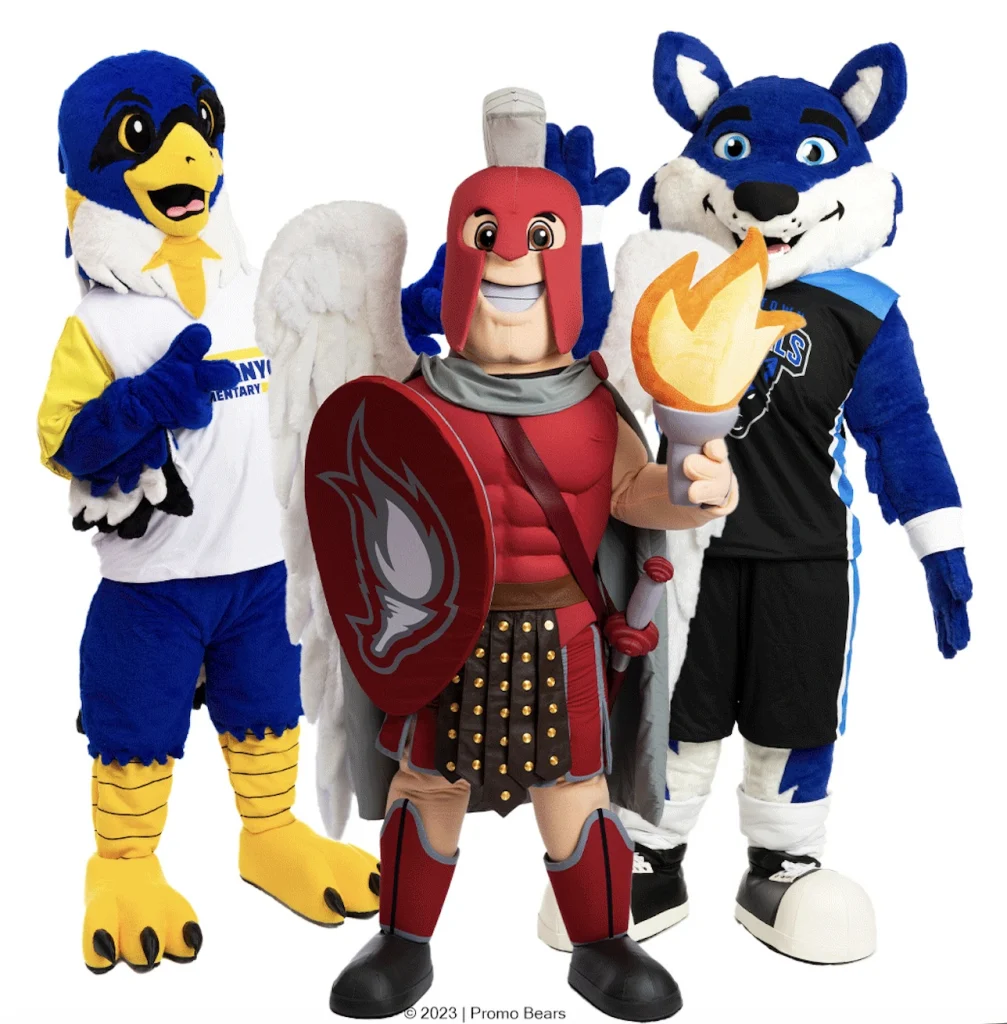
The most famous brand mascot in the world is widely considered to be Mickey Mouse, created by Walt Disney in 1928. While Mickey belongs to entertainment rather than a traditional product brand, in the commercial space, mascots like the Michelin Man, Tony the Tiger, and the GEICO Gecko consistently rank among the most recognized and beloved brand characters globally. What makes them stand out is not just longevity, but the emotional connection they create with audiences across generations. This article unpacks what separates a truly iconic brand mascot from a forgettable one, and how your organization can build that same kind of lasting recognition.
What makes a brand mascot truly iconic?
A truly iconic brand mascot is one that becomes inseparable from the brand itself, instantly recognizable without a logo or tagline in sight. Iconic mascots share three core traits: a distinct visual personality, emotional resonance with the target audience, and consistent use across every brand touchpoint over time. When a character achieves all three, it stops being a marketing tool and starts being a cultural symbol.
Think about what the Michelin Man communicates without a single word. He is round, approachable, and built from tires, which makes him both product-relevant and visually memorable. Tony the Tiger radiates energy and confidence, which aligns perfectly with Kellogg’s Frosted Flakes positioning as a breakfast for champions. These are not accidents. They are the result of deliberate design choices that connect character to brand values at every level.
Consistency is the multiplier. A mascot that appears in one campaign and disappears does very little for brand equity. The mascots that become truly iconic are the ones that show up year after year, in advertising, at events, on packaging, and in digital content, reinforcing the same personality and promise every single time.
Which brand mascots are the most recognized worldwide?
The most recognized brand mascots worldwide include the Michelin Man (Bibendum), Tony the Tiger, the GEICO Gecko, Ronald McDonald, the Pillsbury Doughboy, Mr. Clean, and the Energizer Bunny. Each of these characters has been in continuous use for decades and has become synonymous with the brand they represent, often outlasting the marketing campaigns that introduced them.
Here is a closer look at what makes several of these characters stand out:
- The Michelin Man (Bibendum): Introduced in 1898, he is one of the oldest brand mascots still in active use. His design is directly tied to the product, making him instantly relevant.
- Tony the Tiger: Launched in 1952, Tony has remained the face of Frosted Flakes for over 70 years, with his “They’re Grrreat!” catchphrase becoming part of popular culture.
- The GEICO Gecko: A more modern example, introduced in 1999, proving that a well-executed mascot can build enormous brand recognition in a relatively short time.
- Ronald McDonald: One of the most globally recognized brand characters ever created, Ronald transformed McDonald’s from a fast-food chain into an experience, especially for families with children.
- The Pillsbury Doughboy: Affectionately known as Poppin’ Fresh, this character has driven emotional warmth and product trust for the Pillsbury brand since 1965.
What these mascots share is a clear personality that complements the brand promise, a design that works across formats, and the kind of staying power that only comes from long-term investment in the character.
How do brand mascots boost recognition and revenue?
Brand mascots boost recognition and revenue by giving consumers a human-like character to connect with emotionally, which makes the brand more memorable and easier to recall at the point of purchase. Research in consumer psychology consistently shows that people form stronger emotional bonds with characters than with abstract logos or taglines, and emotional connection is one of the strongest drivers of brand loyalty.
From a recognition standpoint, a mascot gives your brand a face. That face can appear on product packaging, at live events, in digital advertising, on social media, and in physical retail environments. Every appearance reinforces the same visual identity, building cumulative brand equity over time without requiring the audience to read a single word of copy.
From a revenue perspective, the impact is equally direct. Mascots drive purchase intent by making products feel more trustworthy and familiar. They also create merchandising opportunities. A beloved mascot character can be turned into plush toys, keychains, stickers, inflatables, and other branded merchandise that fans and customers actively want to own. This transforms your marketing spend into a revenue stream rather than a pure cost center.
At live events and activations, a physical mascot costume creates shareable moments that generate organic social media content. That kind of earned visibility is difficult to buy through traditional advertising and can significantly extend the reach of a campaign without increasing the budget.
What’s the difference between a logo and a brand mascot?
A logo is a static visual mark that identifies a brand, while a brand mascot is a character with personality, emotion, and behavior that personifies the brand. The key distinction is that a logo communicates identity, while a mascot communicates character. Both serve brand recognition, but they do so in fundamentally different ways and at different emotional depths.
A logo works through visual consistency. When you see the golden arches or the Nike swoosh, you recognize the brand immediately. That recognition is built through repetition and association, but the logo itself does not feel anything or express anything beyond the brand’s visual identity.
A mascot operates differently. It can smile, wave, celebrate, or comfort. It can adapt to different contexts while maintaining a consistent personality. It gives audiences something to root for, laugh with, or feel affection toward. That emotional layer is something a logo simply cannot replicate on its own.
Many of the world’s strongest brands use both. The logo handles identification. The mascot handles connection. Together, they create a brand presence that is both instantly recognizable and genuinely memorable across every channel and touchpoint.
How do companies create their own iconic mascot?
Companies create iconic mascots by starting with a clear understanding of their brand values and target audience, then translating those insights into a character with a distinct visual design and consistent personality. The process is equal parts creative strategy and disciplined execution, and the most successful mascots are built with long-term use in mind from day one.
Here is how the process typically unfolds:
- Define the brand personality: Before any character is sketched, the brand needs to articulate what it stands for and how it wants its audience to feel. Energetic? Trustworthy? Playful? These values become the foundation of the mascot’s character.
- Identify the audience: A mascot designed for children needs different visual cues than one designed for corporate decision-makers. Understanding who the mascot needs to connect with shapes every design decision.
- Develop the concept: A professional design team translates the brand values and audience insights into a character concept, including shape, color palette, expression, and proportions. This is where the mascot begins to take visual form.
- Refine through iteration: The best mascots are rarely perfect on the first pass. Multiple rounds of feedback and revision are essential to ensure the character truly represents the brand.
- Build out the mascot ecosystem: Once the design is approved, the mascot is brought to life across formats, including a physical costume for events, digital assets for advertising, and merchandise for fans and customers.
The most important factor is treating the mascot as a long-term brand asset rather than a one-off campaign element. Icons are built through consistent, sustained use over time, not through a single launch moment.
How Promo Bears helps you build an iconic brand mascot
We specialize in turning brand characters into fully realized mascot experiences that drive recognition, engagement, and revenue. Whether you are starting from a rough concept or a finished illustration, our team of mascot experts with over 19 years of experience will guide you through every step of the process.
Here is what working with us looks like:
- Free concept illustration: Every project starts with a no-commitment concept illustration based on your logo or design idea, with unlimited revisions until you are completely satisfied.
- Custom mascot costumes: Built with lifelike 3D eyes, an integrated ventilation system, and exceptional comfort for the wearer, our custom mascot costumes are ready in 12 to 16 weeks and delivered to your door.
- Mascot merchandise: From plush toys and stickers to giant inflatables and stress balls, we produce the full range of branded merchandise that turns your mascot into a revenue-generating ecosystem. Custom stress balls, for example, are produced in fully custom shapes with PMS color matching and are ready in 10 to 12 weeks after design approval.
- Dedicated project manager: One point of contact oversees your project from the first sketch through to final delivery, ensuring quality, accuracy, and on-time production.
We have created over 4,000 mascots for brands ranging from schools and sports teams to globally recognized names like NASA, Red Bull, and Amazon. If you are ready to give your brand a face that people will remember, we would love to help you build something iconic.
Get your free concept illustration and take the first step toward your brand’s most memorable asset.
Frequently Asked Questions
How long does it typically take to see brand recognition results after introducing a mascot?
Brand mascots generally begin generating measurable recognition within 6 to 12 months of consistent, multi-channel deployment, but the compounding benefits build significantly over years of sustained use. The key is frequency and consistency — the more touchpoints your mascot appears on (packaging, advertising, events, social media), the faster audiences form a mental association. Think of it as an investment that appreciates over time rather than a campaign with a defined end date.
What if my business is small — can a brand mascot still be worth the investment?
Absolutely. Mascots are not exclusively for Fortune 500 companies — in fact, small and mid-sized businesses often see outsized returns because a strong mascot helps them stand out in crowded markets where competitors rely on generic branding. A local sports team, regional food brand, or growing e-commerce business can build a loyal following around a well-designed character just as effectively as a national brand. The key is starting with a clear brand personality and committing to consistent use across your available channels.
What are the most common mistakes brands make when creating a mascot?
The most common mistakes include designing a mascot without a clearly defined brand personality to anchor it, creating a character that appeals to the designers rather than the target audience, and treating the mascot as a short-term campaign asset rather than a long-term brand investment. Another frequent pitfall is failing to build out the mascot across multiple formats — a character that only exists in one ad or on one platform will never achieve the cultural saturation needed to become truly iconic. Starting with a strategic brief and committing to multi-channel deployment from day one dramatically improves the odds of success.
Should my mascot be based on an animal, a person, or something entirely original?
There is no single right answer — the best choice depends entirely on your brand values, target audience, and competitive landscape. Animals tend to be universally approachable and work especially well for brands targeting families or children, while humanoid characters can convey professionalism and relatability for broader audiences. Entirely original characters, like the Michelin Man, can be the most distinctive option because they are ownable in a way that generic animals or human figures are not. A professional mascot design team can help you evaluate which character type best translates your brand’s unique personality into a visual form.
Can an existing logo or illustration be turned into a mascot costume and merchandise?
Yes — and this is actually one of the most efficient starting points for mascot development. If your brand already has an established character or illustrated figure, that existing asset can be adapted into a three-dimensional costume and a full range of merchandise while preserving the visual identity your audience already recognizes. The adaptation process involves translating 2D design elements into wearable, durable, and physically proportioned forms, which requires expertise in both character design and costume construction. Working with a specialist who handles both the creative and production sides ensures the final product stays true to the original character.
How do I make sure my mascot stays relevant as my brand evolves over time?
The most successful long-lived mascots — like the Michelin Man and Tony the Tiger — have undergone subtle visual updates over the decades to stay contemporary without losing the core identity that made them recognizable in the first place. The rule of thumb is to evolve the style gradually while keeping the defining traits (color, shape, personality, expression) intact. Major personality or design overhauls risk erasing the brand equity you have already built, so any updates should be incremental and tested with your existing audience before full rollout.
What types of events and activations work best for a physical mascot costume?
Physical mascot costumes deliver the highest impact at events where direct audience interaction is possible — trade shows, sporting events, grand openings, school visits, community festivals, and in-store promotions are all proven formats. These settings create natural opportunities for photos, social media sharing, and memorable one-on-one moments that digital advertising simply cannot replicate. For maximum return, plan activations around high-foot-traffic moments in your marketing calendar and equip your mascot performer with clear interaction guidelines so every appearance reinforces the same brand personality.
Related Articles
- 7 benefits of choosing a professional mascot costume maker in the USA
- What is mascot manufacturing and how does the process work?
- How do you maintain and clean a custom mascot costume after events?
- What are the legal risks of using a mascot that resembles a competitor's?
- What is the best foam for mascot heads?