
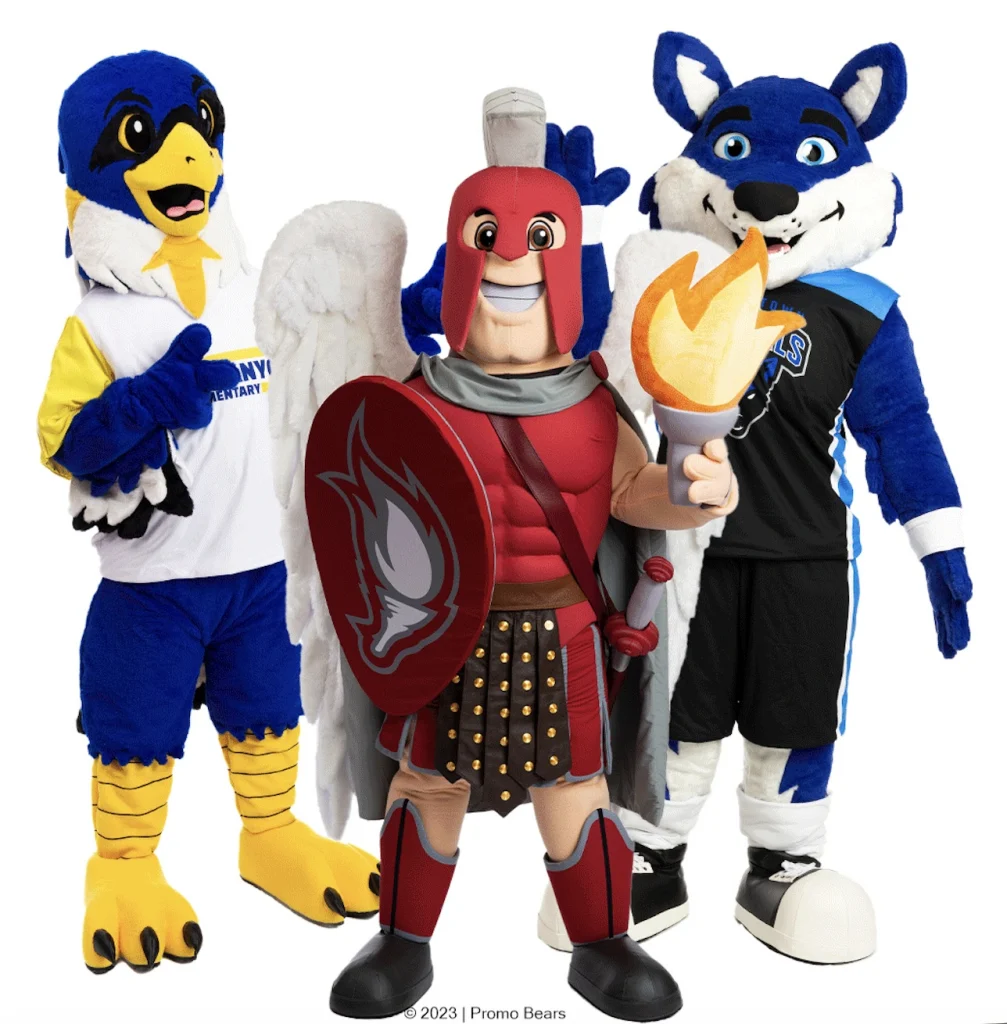
Kids respond so strongly to mascot-based brand identities because mascots speak the visual and emotional language children naturally understand. Unlike abstract logos or taglines, mascot characters feel alive, approachable, and relatable to young minds. This article unpacks the psychology behind that connection and explores how brands can use it strategically.
How do children’s brains process mascot characters differently than logos?
Children’s brains process mascot characters as social beings rather than design elements. While adults can interpret a logo as a symbol of brand value, young children rely on face recognition and social cues to make sense of the world around them. A mascot with eyes, a smile, and a personality triggers the same neural pathways as meeting a real person or a favorite cartoon character.
Logos require abstract thinking, which is a cognitive skill that develops gradually through childhood. A geometric shape or wordmark simply does not carry meaning for a five-year-old the way a friendly bear or a grinning lion does. Mascot characters bypass that cognitive barrier entirely by offering something children already know how to respond to: a face.
This is why children can recall a brand mascot after a single exposure, while they may need repeated contact with a logo before it registers at all. The emotional and social processing centers of a child’s brain activate instantly when they see a character with expressive features, making mascots one of the most powerful tools in children’s marketing.
What emotional connection do kids form with mascot characters?
Children form genuine emotional bonds with mascot characters, treating them more like friends or companions than advertising symbols. This connection is rooted in a concept called parasocial relationships, where a person develops a one-sided but emotionally real sense of friendship with a character they see repeatedly. For children, this bond forms quickly and runs deep.
When a child sees a brand mascot at an event, on packaging, or in a TV spot, they are not processing a sales message. They are recognizing a friend. That recognition triggers warmth, excitement, and trust, all emotions that transfer directly to the brand the mascot represents.
This emotional attachment also creates a sense of safety. A recognizable mascot signals familiarity, and children are naturally drawn to what feels familiar and safe. Brands that invest in a consistent, well-designed character give young audiences something to anchor to, which makes the brand itself feel trustworthy over time.
Why do mascots influence children’s purchase decisions and brand loyalty?
Mascots influence children’s purchase decisions because kids actively advocate for brands they feel emotionally connected to. A child who loves a brand’s mascot will point to that product on a shelf, ask for it by name, and resist switching to a competitor. That advocacy often shapes household purchasing decisions, making children a powerful indirect audience for brand investment.
Brand loyalty formed in childhood is also remarkably durable. Research in consumer psychology consistently shows that positive brand associations formed early in life tend to persist into adulthood. A mascot that a child grows up with becomes part of their personal history, creating a nostalgic pull that keeps adults returning to brands they encountered as kids.
For companies building a recognizable brand for kids, this long-term loyalty represents genuine business value. The emotional investment a child makes in a mascot today can translate into decades of brand preference.
Which industries benefit most from mascot-based marketing to children?
Several industries see outsized returns from mascot-based marketing when children are part of the target audience. The sectors that benefit most share one common trait: they rely on repeat engagement, emotional connection, or family purchasing decisions.
- Food and beverage: Grocery brands, snack companies, and fast food chains use mascots to build instant shelf recognition and drive pester power at the point of sale.
- Sports and entertainment: Teams and leagues use mascots to bring young fans into the fold early, building lifelong supporters who grow up attending games and buying merchandise.
- Education: Schools and universities use mascots to create school spirit and a sense of belonging that resonates with students from elementary age onward.
- Retail and consumer goods: Brands selling toys, clothing, or household products use mascots to make their products feel fun and approachable to young shoppers.
- Healthcare and nonprofits: Organizations that need children to feel safe and comfortable, such as children’s hospitals or youth charities, use mascots to reduce anxiety and build trust.
Each of these industries benefits from the same underlying dynamic: children respond to characters, and a strong mascot turns a brand into something a child genuinely wants to engage with.
What makes a mascot character memorable and effective for young audiences?
A mascot becomes memorable for young audiences when it combines a clear visual identity, expressive emotion, and a consistent personality. Children need to be able to recognize and recall a character instantly, which means the design must be simple enough to read at a glance but distinctive enough to stand out from everything else competing for a child’s attention.
The most effective mascots for kids share several key qualities:
- Expressive eyes and face: Children read faces first. A mascot with lifelike, expressive eyes communicates emotion immediately and creates an instant sense of connection.
- A clear personality: Whether the character is brave, funny, nurturing, or adventurous, a defined personality makes the mascot feel like a real individual rather than a generic shape.
- Consistent appearance across touchpoints: From a costume at an event to a plush toy on a shelf, the mascot needs to look and feel the same everywhere a child encounters it.
- Relatability: The best mascots for children reflect something kids aspire to or identify with, whether that is playfulness, curiosity, or a love of adventure.
- Color and energy: Bright, bold colors and dynamic poses signal energy and fun, both qualities that attract and hold children’s attention.
These are not just design preferences. They are the functional requirements of a character that needs to compete with professionally produced entertainment content for a child’s attention and affection.
How can brands use mascots beyond events to maintain kids’ engagement year-round?
Brands can maintain children’s engagement year-round by extending the mascot across multiple touchpoints rather than limiting it to live appearances. A mascot that only shows up at events is a missed opportunity. The real power of a character comes from consistent, repeated exposure across the places where children spend their time.
Some of the most effective ways to keep kids connected to a mascot throughout the year include placing the character on everyday products like plush toys, stickers, and keychains that children carry with them. When a child owns a physical version of a mascot, that character becomes part of their daily life rather than a memory from a single event.
Digital content is another strong channel. Mascots that appear in social media content, apps, or online games give children a reason to engage with a brand between events and purchases. Seasonal campaigns, where the mascot appears in themed content tied to back-to-school, holidays, or summer, keep the character fresh and give kids something to look forward to.
Partnerships with schools or community programs also extend mascot visibility in contexts where children are already engaged and receptive. A mascot that shows up at a school reading program or a youth sports event builds associations with positive experiences that go well beyond a standard advertising impression.
How Promo Bears helps brands connect with young audiences
Building a mascot that genuinely resonates with children takes more than a good idea. It takes the right production partner. We work with marketing teams and brand directors across North America to bring mascot characters to life in formats that keep kids engaged all year long.
Here is what we bring to every project:
- A free concept illustration based on your logo or design idea, with unlimited revisions until it is exactly right
- Custom mascot costumes with lifelike 3D eyes, built-in ventilation, and professional-grade comfort, ready in 12 to 16 weeks
- Plush toys, stickers, keychains, and other branded merchandise that extend your mascot into everyday life
- A dedicated project manager who handles everything from design approval to delivery
- Over 4,000 mascots created for globally recognized brands and institutions
Whether you are launching a new character or expanding an existing one across new product formats, we make the process straightforward and the results something kids will genuinely love. Get a free quote and let’s build something your audience will remember.
Frequently Asked Questions
At what age do children start forming strong emotional bonds with mascot characters?
Children begin responding to expressive faces and character-like figures as early as infancy, but the deeper emotional bonds associated with brand mascots typically develop between ages 3 and 7. This is the window when parasocial relationships with characters become most intense and brand impressions are most lasting. Brands targeting this age group have a particularly powerful opportunity to create early loyalty that can persist well into adulthood.
How do we know if our current mascot is actually resonating with kids, or just with adults on our team?
The most reliable way to test mascot effectiveness with children is direct observation and age-appropriate research, such as watching how kids react to the character at events, conducting simple preference tests with your target age group, or gathering feedback from parents. Internal team approval is not a reliable proxy for child appeal since adults and children respond to very different visual and emotional cues. If kids are not immediately drawn to the character, engaging, asking questions about it, or wanting to interact with it, the design or personality may need refinement.
What are the most common mistakes brands make when designing a mascot for a children's audience?
The most frequent mistakes include making the mascot too complex or detailed for young children to quickly recognize and recall, designing for adult aesthetic preferences rather than child psychology, and failing to give the character a defined personality beyond a generic ‘friendly’ expression. Another critical error is inconsistency — when a mascot looks noticeably different across a costume, a plush toy, and digital content, it breaks the sense of familiarity that makes characters feel trustworthy to kids. A strong brief that locks in the character’s core visual identity and personality traits before production begins prevents most of these issues.
How much does it cost to bring a custom mascot character to life, and is it worth the investment for smaller brands?
Costs vary depending on the scope of the project, including whether you need a costume, merchandise, digital assets, or all three, but a professionally produced mascot costume typically represents a multi-thousand-dollar investment. For smaller brands, the key is to think in terms of long-term cost-per-impression rather than upfront spend, since a well-built mascot can serve as a brand asset for years across events, packaging, and digital channels. Starting with a single high-quality format, such as a costume or a plush toy line, and expanding from there is a practical approach that keeps initial costs manageable while building toward a fuller character ecosystem.
Can a mascot be too childish and alienate the parents who actually make the purchasing decisions?
This is a real design tension, but it is manageable with intentional character development. The most successful children’s mascots are designed to delight kids while feeling professionally crafted and trustworthy to the adults evaluating them. Avoiding overly juvenile humor, maintaining clean and polished production quality, and giving the mascot a clear, positive brand association all help ensure that parents view the character as an asset rather than a red flag. Think of how brands like LEGO or Disney create characters that kids love and parents respect simultaneously.
How often should a mascot be updated or refreshed to stay relevant with new generations of kids?
Mascots benefit from stability far more than frequent reinvention, since consistency is what builds the familiarity and trust that children respond to. Minor refinements to modernize proportions, colors, or expressions every 10 to 15 years are generally appropriate, but major redesigns should be approached with caution because they can alienate existing fans and erase accumulated brand equity. When updates are necessary, a gradual evolution rather than an abrupt overhaul is the safest strategy, keeping the character recognizable while signaling a fresh, contemporary look.
What is the best way to introduce a brand-new mascot to a children's audience for the first time?
A successful mascot launch for a children’s audience works best when the character is introduced across multiple touchpoints simultaneously rather than through a single campaign. Combining a live event appearance with product placement, digital content, and a small merchandise item like a sticker or mini plush gives kids multiple moments of first contact, which accelerates the familiarity that emotional bonding depends on. Storytelling is also powerful at launch — giving the mascot a simple origin, a name, and a personality trait children can immediately grasp turns an introduction into an event kids want to be part of.