
Strong brands invest in making their culture visible because culture is what turns a logo into something people actually connect with. When your values, personality, and energy show up in the physical world, customers and employees alike start to feel them rather than just read about them. This article unpacks the key questions behind that shift and how forward-thinking organizations are acting on it in 2026.
What does it mean to make brand culture visible?
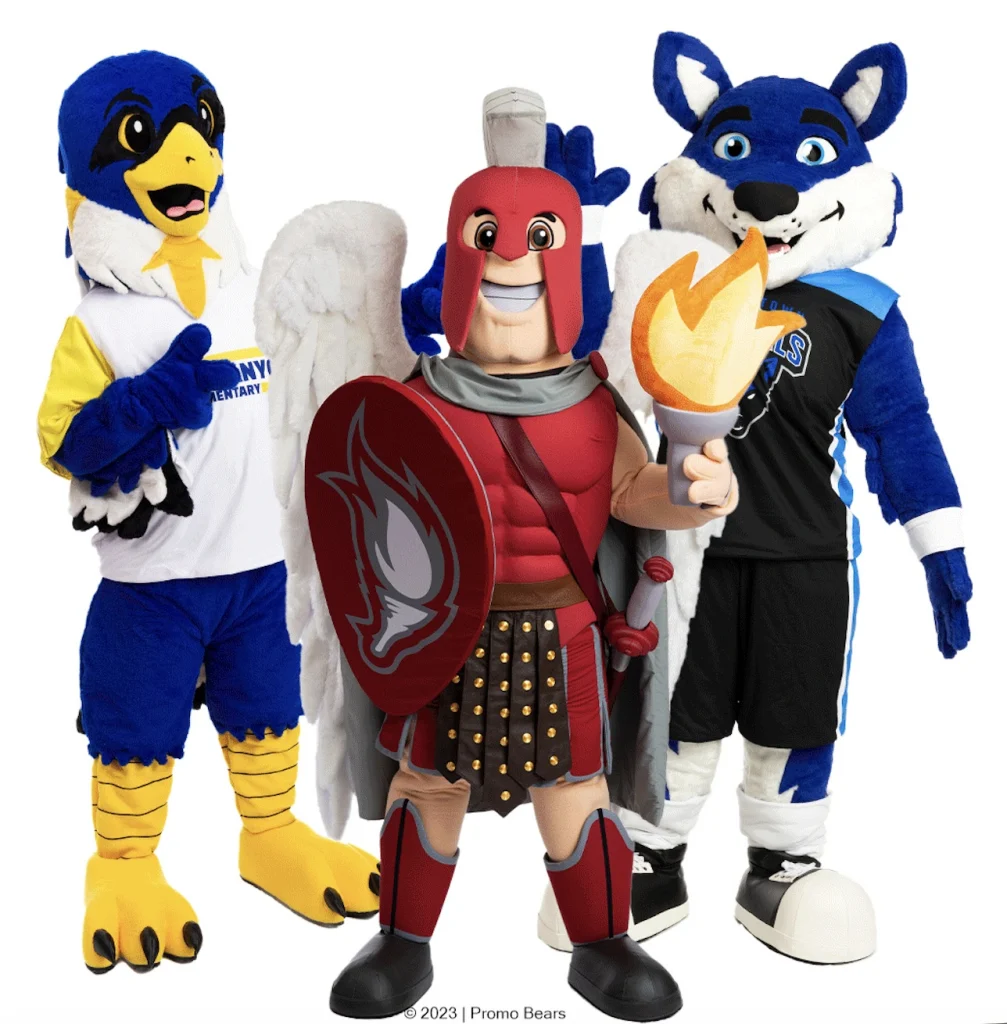
Making brand culture visible means translating your organization’s values, personality, and identity into tangible experiences that people can see, touch, and feel. It goes beyond a logo on a website. Visible culture shows up in the way your team presents itself at events, the merchandise you hand out, the mascot that greets visitors, and the branded products that travel home with customers.
Think of it this way: culture is what your organization believes, and visibility is how you prove it. A company that values community might show that through a friendly mascot at local events. A brand built on energy and fun might express that with bold inflatables at a product launch. The goal is alignment between what you say and what people actually experience.
For marketing managers and brand directors, this is where strategy meets execution. Making culture visible is not just a creative exercise. It is a deliberate decision to give your brand a physical presence that reinforces your messaging at every touchpoint.
Why are strong brands prioritizing culture visibility in 2026?
In 2026, strong brands are prioritizing culture visibility because the competition for attention has never been more intense. Digital channels are saturated, and consumers have become skilled at scrolling past content that does not immediately resonate. Physical, tangible brand expressions cut through that noise in a way that a banner ad simply cannot.
There is also a deeper shift happening in how people choose the brands they support. Buyers, fans, and employees increasingly want to align themselves with organizations that stand for something real. When your culture is visible, it gives people a reason to choose you, stay with you, and talk about you.
For B2B organizations in particular, visible brand culture signals professionalism and confidence. Showing up to a trade show with a custom mascot costume, branded merchandise, and a cohesive visual identity communicates that you take your brand seriously. That perception builds trust with partners, clients, and prospects before a single conversation takes place.
How does visible brand culture drive revenue and customer engagement?
Visible brand culture drives revenue and customer engagement by creating memorable moments that people want to share. When someone encounters a brand in a physical, experiential way, whether through a mascot, a branded giveaway, or a giant inflatable at an event, that moment sticks. People photograph it, share it, and talk about it. That organic word of mouth is one of the most cost-effective growth tools available.
Engagement also deepens when customers feel emotionally connected to a brand. A mascot that represents your school, team, or company becomes a symbol people rally around. Merchandise that carries your brand’s personality becomes something fans are proud to own and display. These are not just products. They are relationship builders.
From a revenue standpoint, branded merchandise and mascot products can generate direct income through sales, licensing, and event activation. Beyond that, they increase the lifetime value of existing customers by strengthening loyalty and reinforcing positive associations with your brand every time someone sees or uses the product.
What types of branded assets best express company culture?
The branded assets that best express company culture are the ones that feel like an extension of your identity rather than a generic giveaway. The most effective options combine visual impact with practical value or emotional resonance.
Here are the asset types that consistently deliver strong results for culture-driven brands:
- Custom mascot costumes: A mascot brings your brand to life in the most human way possible. It creates an instant connection at events, games, and activations, and becomes a recognizable face for your organization. Production typically takes 12 to 16 weeks, so planning ahead is important.
- Giant inflatables: These command attention at outdoor events, stadiums, and retail environments. A giant mascot inflatable can be ready in as little as 3 to 4 weeks and creates a visual landmark that draws people in.
- Plush toys and mascot merchandise: Smaller versions of your mascot or character give fans something to take home. These products extend your brand into everyday life and are especially effective for schools, sports teams, and family-oriented brands.
- Custom stress balls: A surprisingly powerful tool for trade shows and corporate gifting. When shaped to match your product or mascot, they become a conversation starter that people keep on their desks for months. Production takes 10 to 12 weeks.
- Keychains, pins, and stickers: Fast to produce and easy to distribute at scale, these smaller items are ideal for building brand familiarity across a wide audience.
The right mix depends on your audience, your events calendar, and the story you want to tell. A university might lean into plush mascots and mascot stickers for game day. A corporate brand might focus on premium stress balls and branded merchandise for client events.
Which organizations benefit most from investing in brand culture products?
Organizations that benefit most from investing in brand culture products are those where emotional connection, community, and identity play a central role in how they attract and retain their audience. That covers a wider range of sectors than many people expect.
Schools and universities see immediate returns because mascots and branded merchandise fuel school spirit, alumni engagement, and recruitment. Sports teams use mascots and inflatables to energize fans and create shareable game-day moments. Retail brands use mascot characters and branded giveaways to turn shoppers into advocates.
Beyond those obvious fits, organizations in hospitality, entertainment, FMCG, and corporate services also gain significant value. A hotel brand that shows up at a travel expo with a memorable mascot stands out. A consumer goods company that distributes custom merchandise at a product launch creates a moment people photograph and post. Even non-profits and government organizations use branded culture products to build community trust and increase visibility for their mission.
The common thread is this: any organization that wants its audience to feel something, not just know something, benefits from making its culture visible through physical branded assets.
How do you choose the right partner to bring brand culture to life?
Choosing the right partner to bring brand culture to life comes down to three things: creative capability, production reliability, and end-to-end support. A partner who can only handle one product type or offers vague timelines will create problems the moment your campaign scales or your deadline moves.
When evaluating a vendor, look for these qualities:
- Free concept illustration before any commitment: You should be able to see what your mascot or product will look like before you spend a dollar. A reputable partner provides this upfront, with unlimited revisions until the design is exactly right.
- Transparent pricing based on your specific design: Avoid vendors who give generic quotes. Your custom product deserves a fixed quote based on your actual design, not a ballpark figure that changes later.
- A dedicated project manager: Someone who owns your project from design approval through to delivery keeps things on track and gives you a single point of contact when questions come up.
- Proven experience across product types: If you want mascot costumes, inflatables, plush toys, and smaller merchandise from one source, make sure your partner has a documented track record across all of them.
- Quality control with result photos before shipping: A partner who shares photos of the finished product before it ships shows confidence in their work and gives you final sign-off before anything leaves the facility.
The goal is a partner who functions as a true extension of your team, someone who understands your brand, manages the complexity of production, and delivers on time without surprises.
How Promo Bears helps you make company culture visible
We work with marketing managers, brand directors, and senior decision-makers who want their brand culture to show up in the real world, not just on a slide deck. As a 360-degree partner with over 19 years of experience, we handle everything from the first sketch to the final delivery.
Here is what working with us looks like in practice:
- A free concept illustration based on your logo or design idea, with unlimited revisions until it is exactly right
- Custom mascot costumes ready in 12 to 16 weeks, with 3D realistic eyes, a built-in ventilation system, and exceptional comfort
- Custom stress balls shaped to your design, with PMS color matching and full-color print options, ready in 10 to 12 weeks
- Giant mascot inflatables ready in 3 to 4 weeks for events, activations, and retail environments
- A dedicated project manager on every order, with quality control photos shared before shipping
We have created over 4,000 mascots for organizations ranging from schools and sports teams to globally recognized brands. If you are ready to make your brand culture impossible to ignore, get your free quote and let us show you what is possible.
Frequently Asked Questions
How far in advance should we start planning branded culture products for a major event?
Lead times vary by product, so your planning timeline should work backward from your event date. Custom mascot costumes require 12 to 16 weeks, custom stress balls take 10 to 12 weeks, and giant inflatables can be ready in as little as 3 to 4 weeks. As a general rule, starting the conversation with your production partner at least four to five months before a major event gives you enough buffer for design revisions, approvals, and any unexpected delays.
What if we don't have an existing mascot or character — can we still create branded culture products?
Absolutely. Many organizations start from scratch with nothing more than a logo, a brand color palette, and a general idea of the personality they want to project. A strong production partner will provide a free concept illustration based on those inputs, then refine the design through unlimited revisions until it captures your brand identity perfectly. Starting without a mascot is actually an opportunity to build one that is purpose-built for your audience and goals, rather than retrofitting an existing character.
How do we measure the ROI of investing in brand culture products like mascots and merchandise?
ROI from brand culture products shows up in both direct and indirect ways. Direct revenue can come from merchandise sales, licensing arrangements, and event activations. Indirect returns are measured through metrics like social media impressions generated at events, increases in brand recall scores, employee engagement levels, and customer retention rates. Tracking how often your mascot or branded assets appear in user-generated social content is one of the most practical ways to quantify organic reach and word-of-mouth impact.
Can branded culture products work for B2B companies, or are they mainly for consumer-facing brands?
Branded culture products are highly effective for B2B companies, particularly at trade shows, industry conferences, and client appreciation events. A custom mascot or a well-designed branded giveaway like a shaped stress ball creates a memorable impression that differentiates you from competitors who show up with only brochures and business cards. In B2B environments where relationships and trust drive purchasing decisions, a tangible, personality-driven brand presence communicates confidence and professionalism before a single sales conversation begins.
What are the most common mistakes organizations make when ordering custom branded products for the first time?
The three most common mistakes are underestimating lead times, choosing a vendor based on price alone, and ordering without a clear brief. Rushing production to meet a deadline often results in quality compromises or missed event windows entirely. Selecting a vendor purely on cost without evaluating their creative capability or quality control process can lead to products that misrepresent your brand. Before placing any order, have a clear picture of your target audience, the events you are activating at, and the specific impression you want to create — that clarity leads to far better outcomes.
How do we keep brand culture products consistent with our existing visual identity and brand guidelines?
Consistency starts with sharing your full brand guidelines — including logo files, PMS color codes, typography, and tone of voice — with your production partner at the very beginning of the process. A partner with strong creative capability will translate those guidelines into the physical product through PMS color matching, accurate logo reproduction, and design choices that reflect your brand’s personality. Reviewing a concept illustration before production begins and requesting quality control photos before shipping are the two most important checkpoints for catching any inconsistencies before they become costly problems.
Is it possible to order multiple types of branded products — mascot costumes, inflatables, and merchandise — from a single partner?
Yes, and working with a single end-to-end partner for multiple product types is strongly recommended over managing several separate vendors. A unified partner ensures visual consistency across all assets, simplifies project management through a single point of contact, and often reduces the risk of timeline misalignment when multiple products need to be ready for the same event. When evaluating partners, ask for documented examples of each product type you need to confirm they have genuine experience across the full range, not just one specialty.