
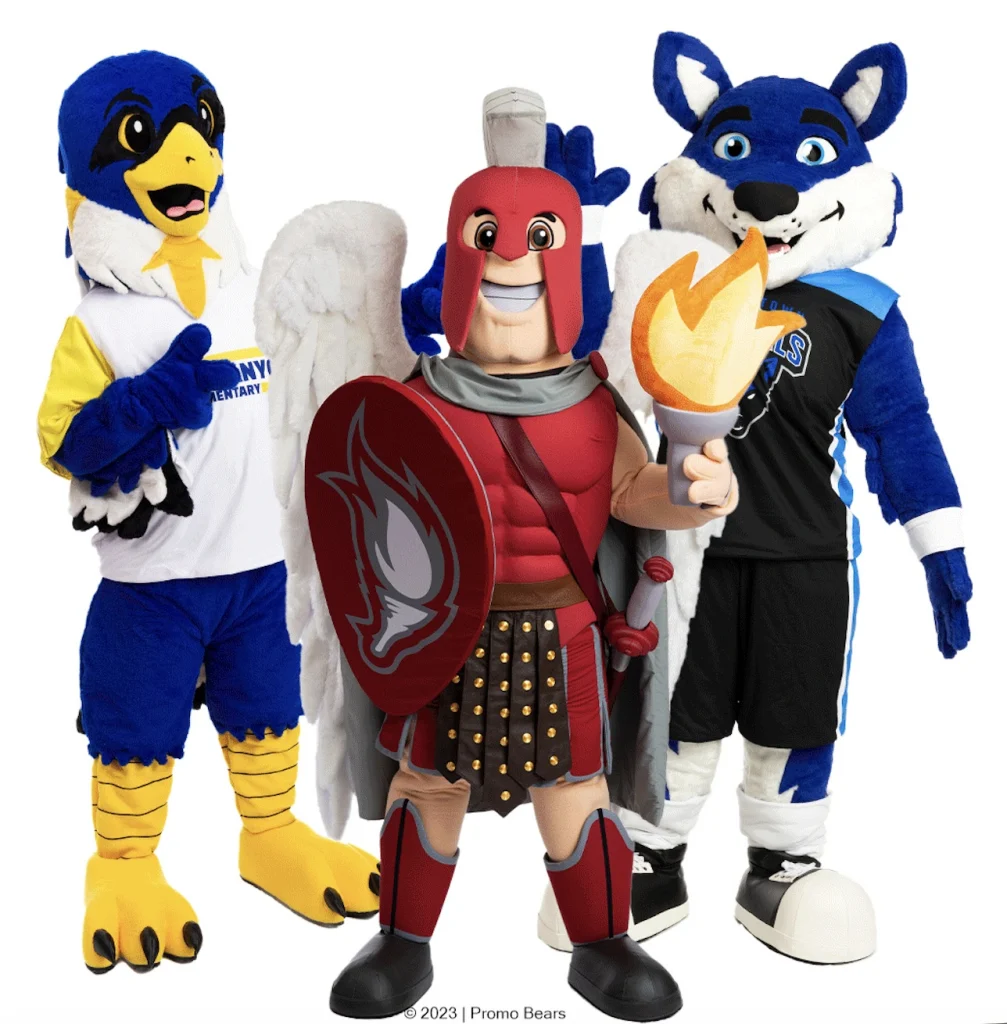
A strong club identity is important for sports organizations because it creates a shared sense of belonging that unites players, staff, fans, and the wider community around a common purpose. When people feel connected to something bigger than a single game or season, they show up consistently, spend more, and bring others along with them. The sections below break down what builds that identity, how it drives loyalty, and what practical steps organizations can take to strengthen it.
What makes a sports club identity strong?
A strong sports club identity is built on a clear set of values, a recognizable visual brand, and a consistent story that resonates with both players and supporters. It goes beyond a logo or a team color. The strongest identities reflect something authentic about the club’s history, community, and character, and they communicate that consistently across every touchpoint.
Several elements work together to create that strength:
- A distinct visual identity including a logo, color palette, and typography that are applied consistently across uniforms, signage, merchandise, and digital channels
- A clear set of values that guide how the club behaves on and off the field
- A compelling origin story or community connection that gives fans something to feel proud of
- Recognizable characters or symbols such as a mascot, that make the brand feel alive and approachable
- Consistent messaging across social media, press releases, and fan communications
When all of these elements align, the club stops being just a team and becomes a brand that people want to represent.
How does club identity affect fan loyalty and engagement?
Club identity directly drives fan loyalty by giving supporters an emotional reason to stay connected beyond wins and losses. When fans identify with a club’s values, history, and symbols, they develop a sense of ownership over the brand. That emotional investment translates into longer-term support, higher merchandise sales, and stronger word-of-mouth growth.
Research in sports marketing consistently shows that fans who feel a strong sense of club identity are more likely to attend games, renew season tickets, and advocate for the club in their social circles. They are also more forgiving during difficult seasons because their loyalty is tied to identity, not just results.
Engagement follows the same pattern. A club with a strong identity gives fans more reasons to interact, whether through community events, social media campaigns, or branded merchandise that sparks conversation. Every interaction reinforces the connection and deepens the relationship between the club and its supporters.
What role does a mascot play in sports club branding?
A mascot for a sports club gives the brand a face, a personality, and an emotional anchor that connects with fans of all ages. It transforms abstract values like team spirit and community pride into something tangible and memorable. A well-designed mascot becomes one of the most recognized symbols a club owns.
On game day, a mascot energizes the crowd, entertains families, and creates moments that fans remember and share. Off the field, it extends the club’s reach through merchandise, social media content, and community appearances. A mascot also makes the club more accessible to younger audiences, which is important for long-term fan development.
For organizations looking to strengthen club identity, a custom mascot costume is one of the most versatile branding tools available. It shows up at events, anchors merchandise lines, and gives the club a consistent character that fans can rally around. When the mascot reflects the club’s actual values and community, the connection it creates feels genuine rather than manufactured.
How can a sports organization build a consistent brand identity?
A sports organization builds a consistent brand identity by defining its core values first, then translating those values into visual and verbal standards that every department follows. Consistency is the key word here. A brand that looks different across platforms, merchandise, and communications confuses fans and weakens the overall impression.
Here is a practical approach to building that consistency:
- Define your brand foundation. Agree on the club’s mission, values, and the story you want to tell. This becomes the filter for every creative decision.
- Create a visual identity guide. Document your logo usage, color codes, typography, and photography style so every piece of content looks like it belongs to the same family.
- Develop a mascot or brand character. A recognizable mascot for your sports club gives the brand a consistent personality that travels across all formats.
- Train your team. Coaches, staff, and players are brand ambassadors. They should understand and reflect the club’s values in how they communicate publicly.
- Audit regularly. Review your brand touchpoints at least once a year to catch inconsistencies before they become habits.
Building consistency takes time, but once it is in place, every new piece of content or merchandise reinforces the identity rather than diluting it.
What types of merchandise reinforce sports club identity?
Merchandise reinforces sports club identity by turning fans into walking brand ambassadors. The most effective items are those that fans genuinely want to use or wear in everyday life, not just at games. When supporters carry a club’s brand into their daily routines, the club’s visibility grows far beyond the stadium.
The most impactful merchandise categories for sports organizations include:
- Apparel such as jerseys, hats, and hoodies that fans wear in public year-round
- Plush toys and mascot figures that appeal to families and younger fans
- Keychains, enamel pins, and stickers that are affordable, collectible, and easy to distribute at events
- Custom inflatables and mascot costumes that create memorable experiences at games and community events
- Stress balls and other promotional giveaways that keep the club’s brand visible in everyday settings
The strongest merchandise programs are built around the club’s mascot and visual identity, so every item feels like part of a cohesive collection rather than a random assortment of products. Production timelines vary depending on the product. Plush toys typically take 12 to 18 weeks from design to delivery, while smaller items like keychains and enamel pins can be ready in 3 to 6 weeks. Planning ahead ensures you have the right merchandise ready for the right moments in your season.
When should a sports organization invest in rebranding?
A sports organization should consider rebranding when its current identity no longer reflects who the club actually is or who it wants to attract. This can happen after a significant change in leadership, a move to a new market, a major shift in the club’s values, or when the existing brand simply feels dated and disconnected from the current fan base.
Rebranding does not always mean starting from scratch. Sometimes it means refreshing a logo, introducing a new mascot, or updating the merchandise line to better reflect the club’s current direction. The goal is to close the gap between how the club sees itself and how it is perceived by fans and the broader community.
The right time to rebrand is when the current identity is actively holding the club back, not simply because something looks old. A rebrand that is driven by a clear strategic reason, and executed with genuine community input, tends to land well. One that feels cosmetic or rushed can create confusion and alienate the fans who were loyal to the original brand.
How Promo Bears helps you strengthen club identity
If you are ready to take your club’s brand to the next level, we can help you build the merchandise and mascot program that makes it happen. At Promo Bears, we specialize in custom mascot costume production and a full range of branded merchandise designed to reinforce your club identity at every touchpoint.
Here is what we bring to the table:
- A free concept illustration based on your logo or design idea, with unlimited revisions until you are completely happy
- Custom mascot costumes ready in 12 to 16 weeks, built with 3D realistic eyes, a built-in ventilation system, and a dedicated project manager guiding the process
- A full merchandise lineup including plush toys, enamel pins, keychains, stress balls, and custom inflatables to cover every fan engagement moment
- Over 4,000 mascots created for organizations ranging from local sports clubs to globally recognized brands
Whether you are building a mascot for your sports club from the ground up or refreshing an existing brand, we are here to make it easy and enjoyable from start to finish. Get a free quote and let us show you what is possible.
Frequently Asked Questions
How long does it take to develop a mascot costume from concept to delivery?
The timeline for a custom mascot costume typically runs 12 to 16 weeks from the point where the design is finalized. This includes concept development, revisions, fabrication, and quality checks before shipping. To avoid missing key moments in your season — such as opening day, playoffs, or a major community event — it is best to start the process at least four to five months in advance. Working with a dedicated project manager, as Promo Bears provides, helps keep the process on track and reduces surprises along the way.
What if our club doesn't have a large budget for branding? Where should we start?
Start with the elements that have the widest reach for the lowest cost. Defining your brand values and creating a simple visual identity guide costs very little but pays dividends across every piece of content you produce. From there, affordable merchandise like enamel pins, stickers, and keychains can extend your brand visibility without a major investment. A mascot costume is a longer-term investment, but it pays for itself quickly through merchandise tie-ins, event appearances, and the fan engagement it generates over many seasons.
How do we know if our current club identity is actually resonating with fans?
The clearest signals come from fan behavior rather than opinions. Look at merchandise sales, social media engagement, game attendance trends, and season ticket renewal rates — these numbers tell you whether fans feel connected enough to invest. You can also run simple surveys or focus groups with your existing supporters to understand what they associate with the club and what feels missing. If fans struggle to describe what makes your club distinctive, that is a strong indicator that the identity needs sharpening.
Can a mascot work for a smaller or community-level sports club, or is it only worth it for professional teams?
Mascots are arguably even more impactful for smaller and community-level clubs because those organizations rely more heavily on local relationships and grassroots engagement. A mascot gives a community club a recognizable identity that stands out at local events, schools, and youth programs, which is exactly where long-term fan loyalty is built. The investment scales with the organization — a well-designed mascot costume does not have to be elaborate to be effective, and the brand equity it builds compounds over time regardless of the level of competition.
What are the most common mistakes sports organizations make when trying to build their brand identity?
The most common mistake is prioritizing aesthetics over authenticity — creating a visual brand that looks polished but does not reflect anything real about the club’s history, community, or values. Another frequent misstep is inconsistency: using different logos, color variations, or messaging tones across different platforms, which fragments the brand impression over time. Organizations also often underestimate how much their players, coaches, and staff contribute to brand perception, and fail to align them with the club’s identity strategy. A strong brand is built from the inside out, not just from the design team outward.
How should we involve our fan community when developing or refreshing our club's identity?
Involving fans early in the process — through polls, open feedback sessions, or a dedicated supporter advisory group — creates a sense of shared ownership that makes the final identity land much more effectively. This is especially important during a rebrand, where existing fans may feel protective of the old identity. Sharing behind-the-scenes updates throughout the development process, rather than revealing everything at once, also builds anticipation and goodwill. Fans who feel like contributors rather than just recipients are far more likely to champion the new identity in their own networks.
How do we keep our club identity consistent as the organization grows and new staff join?
The most practical tool is a documented brand guide that is easy to access and simple enough that non-designers can follow it. This should cover logo usage, color codes, typography, tone of voice, and examples of on-brand versus off-brand content. Beyond the document itself, make brand orientation part of the onboarding process for new staff, volunteers, and even players so that everyone who represents the club publicly understands the standards. Scheduling an annual brand audit — reviewing all active touchpoints from social media to merchandise — helps catch drift before it becomes a pattern.