
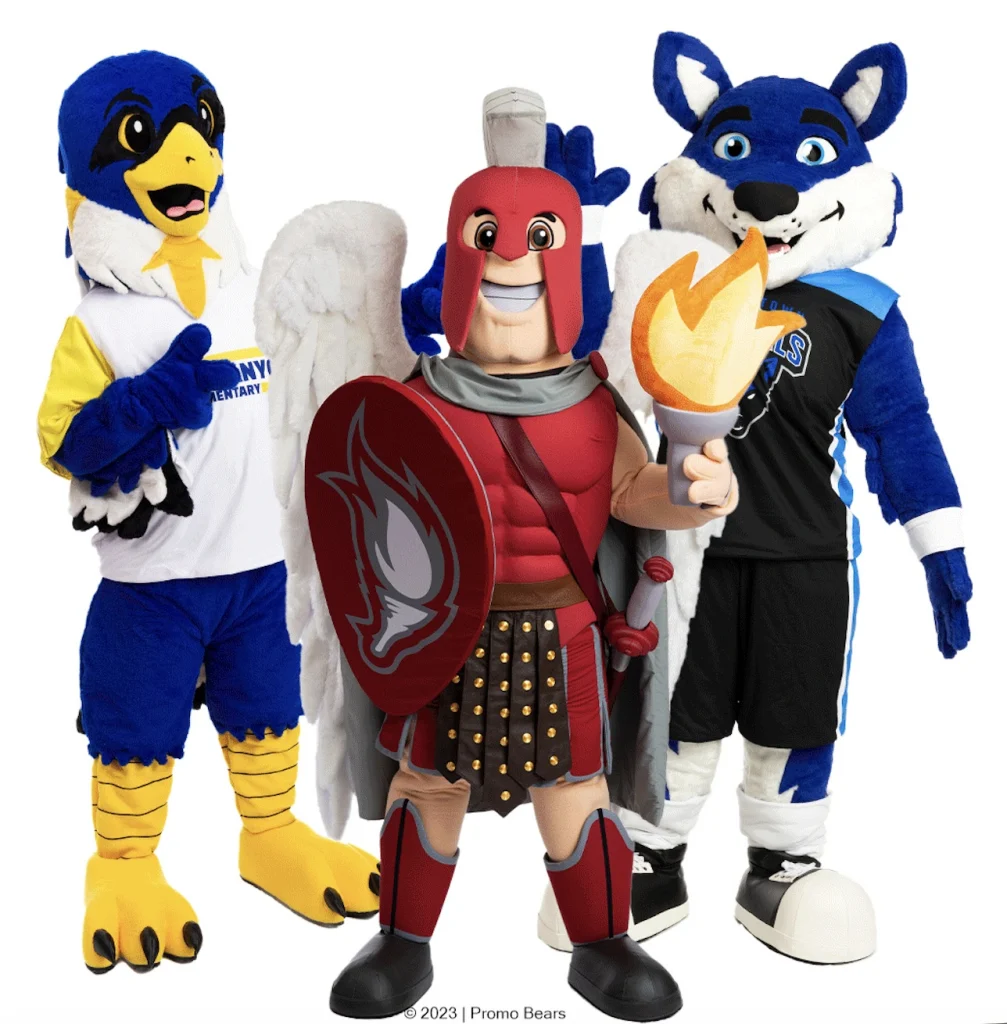
Mascot design is important for sports teams and schools because it gives an organization a recognizable visual identity that people can rally behind. A well-designed mascot becomes the face of your team or institution, building an emotional connection among players, students, fans, and alumni. The sections below unpack exactly how that works, from strengthening team spirit to knowing when it is time for a fresh look.
How does a mascot design strengthen team identity?
A mascot design strengthens team identity by giving everyone associated with the organization a shared symbol to represent their values, pride, and community. When players, students, and fans all connect with the same character, it creates a sense of belonging that goes far beyond a logo on a jersey. That shared symbol becomes shorthand for everything the team or school stands for.
Think about the most memorable sports teams and schools you know. Chances are their mascot comes to mind almost instantly. That is not an accident. A strong mascot design acts as a visual anchor that ties together uniforms, merchandise, social media, game-day experiences, and everything in between. It gives the community something tangible to celebrate.
For schools in particular, a well-crafted mascot helps new students feel like they belong from day one. For sports teams, it gives players a symbol of collective purpose that motivates performance both on and off the field. Over time, the mascot becomes inseparable from the organization’s reputation.
What makes a mascot design effective for schools and sports teams?
An effective mascot design for schools and sports teams is bold, memorable, and directly connected to the values or character of the organization. It should be instantly recognizable at any size, whether printed on a sticker or displayed on a giant inflatable at a game-day event. Consistency across all uses is what transforms a design into a true brand asset.
Several qualities separate a mascot that works from one that gets forgotten:
- Simplicity with personality: The best mascot designs have a clear silhouette that reads well from a distance and a personality that fans genuinely like.
- Relevance to the community: A mascot that reflects local history, school values, or team culture resonates far more deeply than a generic character.
- Versatility: The design needs to work across multiple formats, from digital graphics and printed merchandise to a full custom mascot costume worn at live events.
- Emotional appeal: Whether the mascot is fierce, friendly, or playful, it should trigger a genuine emotional response that people want to associate with.
- Scalability: A great design holds up whether it appears on a keychain or a stadium banner.
When all of these elements come together, the mascot stops being just a drawing and starts functioning as a living piece of the organization’s identity.
How does mascot design impact fan engagement and school spirit?
Mascot design directly impacts fan engagement and school spirit by giving people a character to emotionally invest in. A compelling mascot creates energy at events, drives merchandise sales, and gives fans a rallying point that feels personal rather than corporate. Schools and sports teams with strong mascot identities consistently see higher attendance, louder crowds, and more active alumni communities.
When a mascot appears at games in costume form, the effect is amplified significantly. A live mascot interacts with fans, entertains children, fires up student sections, and creates photo moments that spread organically across social media. That kind of real-world presence turns passive supporters into active participants.
School spirit is also a practical concern for administrators and athletic directors. Students who feel connected to their school’s identity are more likely to attend events, participate in activities, and stay engaged with the institution long after graduation. A strong mascot design is one of the most cost-effective tools for building that connection.
What’s the difference between a mascot costume and a mascot logo?
A mascot logo is a two-dimensional graphic representation of the mascot character, used across digital and print materials. A mascot costume is a three-dimensional, wearable version of that character brought to life at events, games, and public appearances. Both serve the same identity but operate in completely different contexts and deliver different kinds of impact.
The mascot logo is the foundation. It appears on team jerseys, websites, social media profiles, merchandise, and signage. It needs to be clean, scalable, and consistent so that it communicates the same message across every platform.
The mascot costume takes that character off the screen and puts it in the room with your fans. A person wearing a well-crafted costume becomes a walking, waving, high-fiving embodiment of your brand. The emotional response people have to a physical mascot at a live event is something a logo simply cannot replicate.
For schools and sports teams that want maximum impact, the two work best together. The logo builds recognition every day, while the costume delivers unforgettable moments at the events that matter most.
When should a school or sports team redesign their mascot?
A school or sports team should consider redesigning their mascot when the current design no longer reflects the organization’s values, looks outdated compared to modern standards, or fails to resonate with the current community. A redesign is also worth considering after a significant rebranding effort, a change in team name, or when the existing design simply does not translate well across digital platforms and merchandise.
Some clear signals that a redesign makes sense include:
- The mascot looks noticeably different across different applications because the original artwork was never properly standardized.
- Students, players, or fans have stopped engaging with the mascot in a meaningful way.
- The design was created decades ago and feels disconnected from the current community’s identity.
- The organization has evolved its values or culture, and the mascot no longer reflects that evolution.
- The current design does not work well in digital formats like social media profile images or app icons.
A redesign does not have to mean abandoning everything familiar. Many successful mascot refreshes preserve the core character while modernizing the style, improving proportions, and ensuring the design works seamlessly across all modern uses.
How do you create a custom mascot design from scratch?
Creating a custom mascot design from scratch starts with defining the character’s personality, values, and role within the organization. From there, the process moves through concept illustration, revision, and refinement before the final design is applied across merchandise, digital assets, and potentially a physical costume. The key is building a design that is intentional from the very beginning rather than improvised.
Here is how the process typically unfolds:
Start with your identity. Before any artwork is created, get clear on what your mascot needs to communicate. Is it fierce and competitive? Friendly and community-focused? Rooted in local history? Those answers shape every design decision that follows.
Work with experienced designers. Mascot design is a specialized skill. A designer who understands how characters translate across 2D graphics, merchandise, and 3D costume production will save you significant time and money compared to starting over after discovering the design does not work in all formats.
Revise until it is right. The concept illustration phase is where you refine the character’s look, expression, proportions, and color palette. Do not rush this stage. Getting the design right before production begins protects your investment across every application.
Plan for all uses from the start. A mascot design created only for a jersey patch will not automatically work on a stress ball, a plush toy, or a full costume. Think about where the character will appear and make sure the design is built to work in all of those contexts.
How Promo Bears helps with mascot design
We work with schools, universities, and sports teams across the US and Canada to bring mascot designs to life at every level. Whether you are starting from a rough concept or a finished logo, our team of mascot experts builds the character out into a full suite of products tailored to your needs.
Here is what we bring to the table:
- A free concept illustration based on your logo or design idea, with unlimited revisions until you love it
- Custom mascot costumes ready in 12 to 16 weeks, featuring lifelike 3D eyes, a built-in ventilation system, and genuine all-day comfort
- Mascot merchandise including plush toys, stickers, keychains, and stress balls (stress balls take 10 to 12 weeks) to extend your mascot’s reach beyond game day
- Giant mascot inflatables ready in 3 to 4 weeks for high-impact event presence
- A dedicated project manager who oversees your project from the first sketch to delivery at your door
We have created more than 4,000 mascots for organizations that take their brand seriously. If you are ready to build a mascot identity that your community will rally behind for years to come, get your free quote and let us show you what is possible.
Frequently Asked Questions
How much does a custom mascot design typically cost?
The cost of a custom mascot design varies depending on the scope of the project, including whether you need just a logo, a full costume, merchandise, or all three. A mascot costume alone can range from a few thousand dollars to significantly more depending on complexity, materials, and features like ventilation systems and lifelike details. The best approach is to request a free quote early in the process so you can plan your budget around the specific deliverables your organization needs, rather than making decisions based on general estimates.
How do we get our community involved in the mascot design process?
Involving your community in the mascot design process is one of the most effective ways to build early buy-in and long-term emotional investment. Consider running a naming contest, hosting a vote between two or three concept directions, or gathering input through surveys before the design phase begins. Even small gestures of inclusion, like revealing the final design at a school event or game, can turn the launch into a memorable moment that deepens community connection from day one.
What if our mascot design needs to work for both a school and its athletic teams?
When a mascot needs to serve both an academic institution and its athletic programs, the design should be flexible enough to adapt across different contexts without losing its core identity. This typically means creating a primary mascot mark alongside a set of alternate versions, such as a more aggressive athletic pose for sports and a friendlier stance for general school use. Working with a designer experienced in mascot systems, rather than single-use logos, ensures the character stays consistent and recognizable no matter where it appears.
How do we maintain mascot consistency after the design is finalized?
Maintaining consistency after a mascot is finalized comes down to having a clear set of brand guidelines that define exactly how the character should and should not be used. These guidelines should cover approved color codes, minimum size requirements, acceptable backgrounds, and rules around altering the design. Distributing these guidelines to everyone who produces materials for your organization, from the school print shop to third-party merchandise vendors, prevents the gradual inconsistency that erodes mascot recognition over time.
Can a mascot design be trademarked or legally protected?
Yes, a custom mascot design can be protected through trademark registration, which gives your organization exclusive rights to use that character in connection with your team or institution. Registering your mascot as a trademark is especially important if you plan to sell licensed merchandise or if your brand is likely to grow in visibility over time. It is worth consulting with an intellectual property attorney early in the process to understand the registration steps and ensure your design does not unintentionally conflict with an existing mark.
What is the best way to introduce a new or redesigned mascot to our community?
A well-planned mascot reveal can generate significant excitement and set the tone for how the community embraces the new identity. Tying the debut to a high-energy moment, like a season opener, homecoming game, or school assembly, gives the mascot an immediate emotional context and a memorable first impression. Supporting the launch with social media content, behind-the-scenes design previews, and branded merchandise available on day one helps sustain momentum well beyond the initial reveal.
How do we choose between a human-style mascot character and an animal or creature-based one?
The right mascot type depends on the values, culture, and existing identity of your organization rather than personal preference alone. Animal and creature-based mascots tend to be highly versatile, universally recognizable, and easy to adapt into both aggressive athletic and friendly community-facing versions. Human or warrior-style characters can communicate strength and tradition effectively but may require more nuance to ensure they feel inclusive and resonate across a diverse community. Reviewing how similar organizations in your region or sport use their mascots can help clarify which direction will feel most authentic and ownable for your specific brand.