
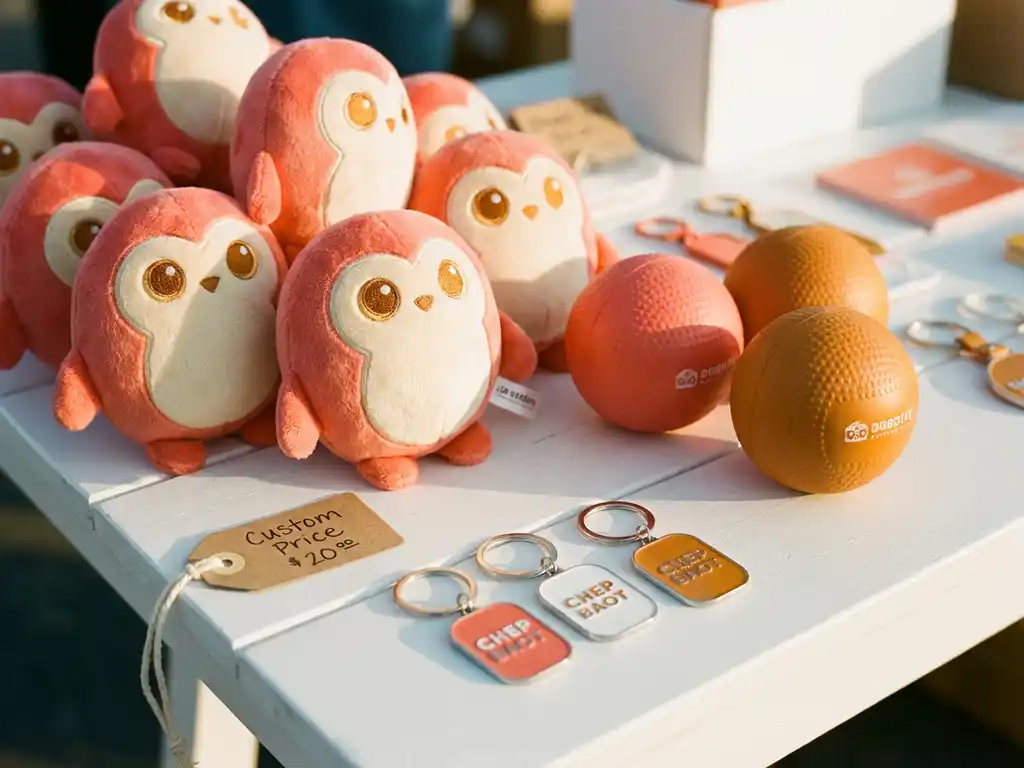
Selling promotional products is a common and completely legitimate business activity—but like any commercial venture involving branded goods, it comes with legal considerations worth understanding. Whether you’re a marketing professional sourcing custom merchandise or a supplier creating branded items for clients, knowing where the legal lines are drawn protects your business and your reputation.
The good news is that most promotional product activity is entirely lawful when handled correctly. The key is understanding which laws apply, when you need permission, and how to structure your business to stay on the right side of intellectual property and consumer protection regulations. Let’s walk through the most common questions people ask on this topic.
What laws apply to selling branded merchandise?
Several areas of law govern the sale of promotional products, including intellectual property law, trademark law, and consumer protection regulations. The most relevant are trademark law, which protects brand names and logos, and copyright law, which covers original designs and artwork. Consumer protection rules may also apply depending on the product type and target audience.
Trademark law is particularly important in the promotional products industry. A logo, brand name, or distinctive visual element registered as a trademark is legally protected, meaning you cannot reproduce or sell items featuring that mark without authorization from the rights holder. Copyright law similarly protects original creative works, including mascot designs, illustrations, and custom artwork.
Beyond intellectual property, certain product categories carry additional regulatory requirements. Promotional products intended for children, for example, may need to meet safety standards. Food-related promotional items often fall under health and safety rules. Understanding which regulations apply to your specific product type is an essential step before going to market.
Can you sell promotional products with someone else’s logo?
No, you cannot legally sell promotional products featuring someone else’s logo without their explicit permission. Using a trademarked logo or copyrighted design on merchandise without authorization constitutes trademark infringement or copyright infringement, both of which can result in legal action, financial penalties, and product seizure.
There are two legitimate routes to using another organization’s branding on merchandise. The first is obtaining a formal license agreement, which grants you the right to produce and sell goods bearing their intellectual property in exchange for agreed-upon terms, often including royalty payments. The second is operating as an authorized supplier or vendor, where the brand owner commissions you to produce merchandise on their behalf.
It is worth noting that even well-intentioned use can cross legal lines. Creating fan merchandise, parody products, or items that closely resemble a protected brand without permission can still trigger infringement claims. When in doubt, always seek written authorization before proceeding with any design that incorporates an existing brand’s visual identity.
What’s the difference between promotional products and counterfeit goods?
The key distinction between promotional products and counterfeit goods is authorization. Promotional products are legitimately produced merchandise, often custom-made for a brand with its full knowledge and approval. Counterfeit goods are unauthorized copies of branded items, produced and sold with the intent to deceive buyers into thinking they are purchasing genuine products.
Counterfeiting is a serious criminal offense in most jurisdictions, not merely a civil matter. It involves deliberate deception, whereas a legitimate promotional product supplier operates transparently, typically as a direct partner to the brand they are producing for.
There is also a category sometimes called “gray market” goods, which are genuine branded products sold through unauthorized channels. These are distinct from counterfeits but can still carry legal risk depending on the territory and the terms of the original distribution agreement. The clearest way to stay on the right side of this distinction is to always work directly with the brand or hold a documented license for any branded merchandise you produce or distribute.
Do you need a license to sell custom promotional merchandise?
Whether you need a license depends on whose branding appears on the merchandise. If you are selling fully custom promotional products based on your own original designs or your client’s proprietary artwork, no special license is typically required beyond standard business registration. If the merchandise features third-party trademarks, sports team logos, university insignia, or entertainment properties, a licensing agreement is almost always necessary.
Many large organizations, sports leagues, universities, and entertainment brands operate formal licensing programs. These programs define who is authorized to produce merchandise, what quality standards must be met, and what royalty fees apply. Applying to become a licensed vendor through these programs is the correct route for anyone wanting to produce and sell merchandise featuring those brands.
For businesses producing custom merchandise exclusively for their own clients, where the client owns the brand or design in question, the licensing question is generally straightforward. The client is the rights holder, and by commissioning the work, they are granting implicit or explicit permission for production. Documenting this authorization in a clear agreement protects all parties involved.
How can you sell promotional products legally and safely?
Selling promotional products legally and safely comes down to a clear set of practices around intellectual property, documentation, and product compliance. Following these principles protects your business from legal exposure and builds trust with clients.
- Always verify ownership of any logo or design before beginning production. Confirm that your client owns the intellectual property or holds the rights to use it commercially.
- Get written authorization for any design that incorporates third-party trademarks, licensed characters, or protected artwork.
- Use original artwork or properly licensed designs when creating custom merchandise. Avoid replicating existing logos or brand marks without documented permission.
- Ensure product compliance with any applicable safety standards for your target market, particularly for items intended for children or intended for food contact.
- Work with reputable suppliers who can provide documentation of material sourcing and production standards.
- Register your own original designs if you create proprietary mascot characters or artwork, to protect your intellectual property from unauthorized use by others.
Beyond legal compliance, transparency with clients throughout the production process reduces misunderstandings and protects both parties. Providing detailed design approvals before production begins and keeping clear records of all agreements creates a professional foundation that scales well as your promotional product activity grows.
How Promo Bears helps you create promotional products the right way
Navigating the legal side of promotional merchandise is much easier when you work with an experienced partner who builds compliance and quality into every step of the process. That is exactly what we do at Promo Bears.
When you work with us, every project starts with a free concept illustration based on your own logo or design idea, ensuring the artwork is rooted in your intellectual property from day one. Our process is built around your exclusive design, not generic templates that could create confusion with existing brands.
- Free concept artwork and unlimited revisions before any production begins
- A dedicated project manager overseeing every stage from design to delivery
- Fully custom custom stress balls shaped entirely around your brand, with PMS color matching and full-color print options available
- No standard shapes with generic prints—every item is built to your exact specifications using custom tooling
- Physical prototype approval available before committing to bulk production
- Production time of 10–12 weeks after design approval, with rush options available
Whether you need custom stress balls for a trade show campaign, mascot merchandise for a brand activation, or a full range of promotional items, we handle the creative and production process end to end. With over 19 years of experience and 4,000+ custom projects delivered to brands including NASA, Amazon, and Nestlé, we know how to deliver promotional products that are both legally sound and genuinely memorable.
Ready to get started? Contact us and let us show you what a fully custom promotional product can do for your brand.