
You turn trade show leads into loyal customers by following up fast, staying relevant, and giving people a reason to remember you. The contacts you collect at a trade show are warm but not committed. What you do in the days and weeks after the event determines whether those conversations become contracts. Below, we break down the most common questions marketers ask about post-show conversion.
Why do most trade show leads go cold after the event?
Most trade show leads go cold because there is no structured follow-up plan in place before the event ends. Attendees meet dozens of vendors in a single day, and without a timely, personalized touchpoint from your side, your brand fades into the background within 48 hours. The problem is rarely the quality of the lead. It is the silence that follows.
Think about it from the attendee’s perspective. They return to the office with a stack of business cards, a full inbox, and a backlog of work. If your follow-up arrives four days later with a generic “great to meet you” email, it does not stand out. Worse, if it never arrives at all, you have essentially handed a warm prospect to your competitors.
The brands that convert trade show contacts consistently are the ones that treat the post-show period as a continuation of the conversation, not a separate sales effort.
How quickly should you follow up with trade show leads?
You should follow up with trade show leads within 24 to 48 hours of meeting them. This window is when your brand is still fresh in their memory, and the conversation you had is still emotionally relevant. Waiting longer than 72 hours drops your chances of getting a response significantly.
Speed matters, but so does personalization. A fast, generic email is better than nothing, but a fast, specific email is far more effective. Reference something from your actual conversation. Mention the problem they described, the product they picked up, or the question they asked at your booth. That level of detail signals that you were listening, not just collecting contact information.
If you met a high volume of people, prioritize your hottest leads first. A quick personal note to your top ten prospects is worth more than a mass email blast to everyone on your list.
What role do promotional products play in post-show conversion?
Promotional products extend your brand’s presence long after the trade show floor is cleared. A well-chosen item keeps your name visible in the prospect’s daily environment, whether that is on their desk, in their bag, or on their office wall. This ongoing visibility reinforces familiarity, and familiarity builds trust over time.
The key is relevance. A generic pen gets tossed. A high-quality, custom item that connects to your brand story gets kept and noticed. Products like custom mascot merchandise or branded stress balls create a tactile memory of your brand that a digital ad simply cannot replicate.
When you send a physical follow-up item alongside your email outreach, you are operating on two channels at once. The email gets opened. The product gets placed on a desk. Together, they create multiple touchpoints without feeling pushy.
Timing matters here too. Smaller promotional items like stickers, keychains, or enamel pins can be produced in as little as three to six weeks, which makes them realistic options for post-show gifting campaigns. Stress balls take around 10 to 12 weeks to produce, so those need to be planned well in advance of the event itself.
How do you segment trade show leads for better follow-up?
You segment trade show leads by grouping them based on their level of interest, their buying authority, and their specific needs as expressed during the event. A one-size-fits-all follow-up sequence treats a casual visitor the same as a decision-maker who asked for a proposal. That approach wastes your time and theirs.
A simple three-tier system works well for most teams:
- Hot leads: People who expressed clear intent, requested a quote, or asked to schedule a meeting. Follow up within 24 hours with a personalized message and a specific next step.
- Warm leads: People who showed genuine interest but did not commit. Follow up within 48 hours with useful content or a relevant product example that addresses their specific situation.
- Cold leads: People who stopped by out of curiosity or took a giveaway without engaging deeply. Add them to a nurture sequence and follow up over a longer period with educational content.
The more detail your team captures at the booth, the better your segmentation will be. Train your booth staff to note not just contact details but also the prospect’s role, their main pain point, and what they responded to most positively.
What follow-up content actually converts trade show contacts?
Follow-up content that converts is specific, useful, and directly connected to the conversation you had at the event. Generic brochures and company overviews rarely move people to action. What works is content that solves a problem the prospect mentioned or demonstrates exactly how your product fits their situation.
The most effective post-show content formats include:
- A personalized recap email that references your conversation and includes one clear call to action, whether that is booking a call, reviewing a proposal, or requesting a sample.
- A short case study or example that mirrors the prospect’s industry or use case. Seeing that you have solved a similar problem for someone else builds confidence fast.
- A free concept or visual that shows what their branded product could look like. This works especially well for visual products. When someone can see their logo on a custom item, the conversation becomes much more concrete.
- A physical sample or branded gift sent to their office. This creates a moment of delight and keeps your brand present in their physical space.
The goal of every piece of follow-up content is to reduce friction and move the relationship one step forward. Not to close the deal in one email, but to earn the next conversation.
How do you turn a one-time buyer into a long-term brand partner?
You turn a one-time buyer into a long-term brand partner by delivering on your promises, staying in contact between purchases, and consistently adding value beyond the transaction. The first order is a test. If the experience is smooth, the quality is high, and the communication is clear, buyers come back. If any of those elements fall short, they move on.
Post-purchase communication is often underestimated. A simple check-in after delivery, asking how the product was received or how the event went, shows that you care about the outcome, not just the sale. That kind of relationship-building is what separates vendors from partners.
Long-term brand partners also tend to expand their product mix over time. A client who starts with branded merchandise for one event often becomes a client who orders custom mascot costumes, inflatables, and seasonal promotional items across multiple campaigns. That evolution happens naturally when you position yourself as a strategic resource rather than a product supplier.
Consistency is the foundation. Consistent quality, consistent communication, and consistent creativity give buyers confidence that they can rely on you for bigger and more visible projects.
How Promo Bears helps you convert trade show contacts into lasting relationships
If you are planning your promotion at trade shows and want your follow-up strategy to actually work, having the right products in hand makes a real difference. At Promo Bears, we help marketing managers and brand teams create custom promotional products that keep their brand visible long after the event ends.
Here is what we bring to your post-show strategy:
- Custom stress balls in fully unique shapes with PMS color matching, ready in 10 to 12 weeks
- Smaller items like enamel pins, keychains, and stickers that can be produced in three to six weeks for faster turnaround campaigns
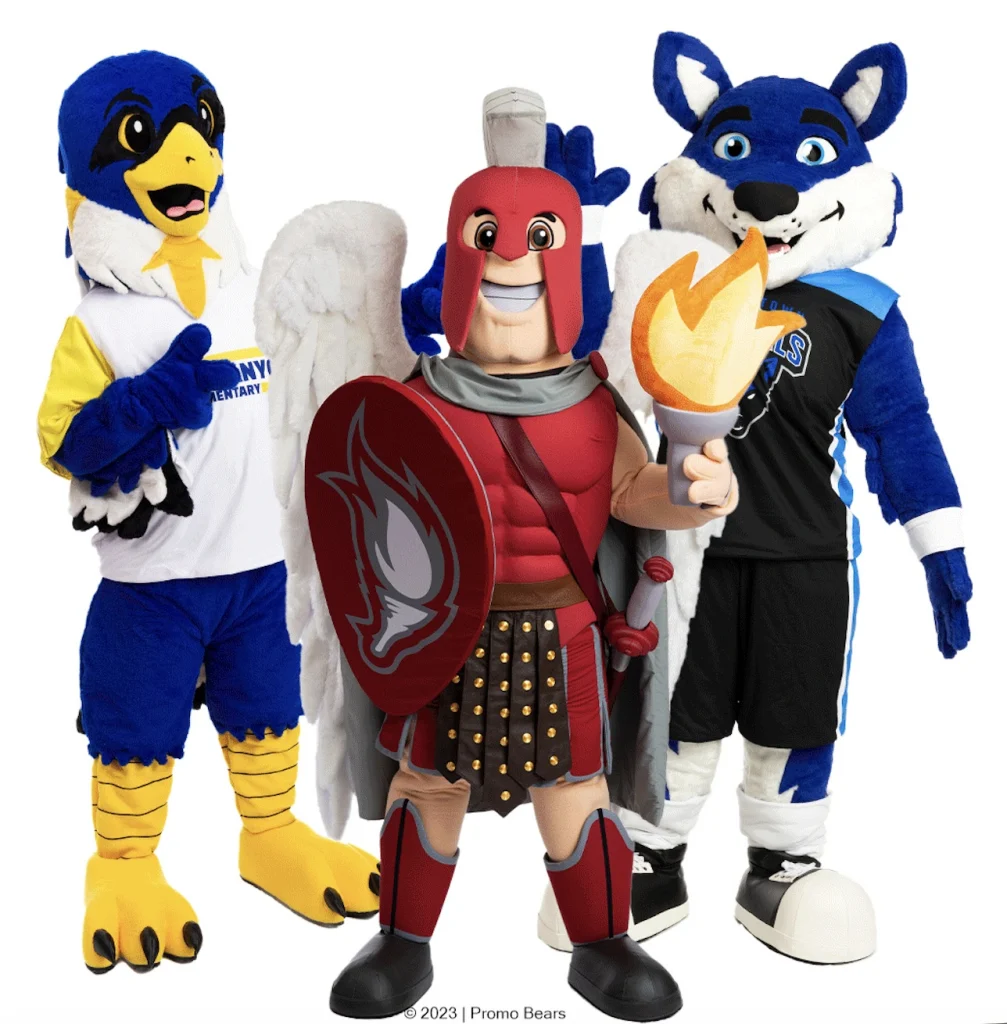
- Giant mascot inflatables and custom mascot costumes that make your booth unforgettable in the first place, with mascot costumes taking 12 to 16 weeks
- A free concept illustration before you commit, so you can see exactly what your branded product will look like
- A dedicated project manager who handles your order from design to delivery
We have helped over 4,000 organizations stand out, from global brands to local sports teams. If you want to build a follow-up strategy that people actually remember, get a free quote and let us show you what is possible.
Frequently Asked Questions
How many follow-up touchpoints should you plan before giving up on a trade show lead?
Most trade show leads require between five and eight touchpoints before they convert, so a single follow-up email is rarely enough. Plan a structured sequence that spans four to six weeks and mixes channels, such as email, a physical mailer, a LinkedIn connection, and a phone call. If a lead remains completely unresponsive after six to eight attempts across multiple channels, it is reasonable to move them to a long-term nurture list rather than continuing active outreach. The goal is persistence without being pushy, and spacing your touchpoints thoughtfully signals professionalism rather than desperation.
What is the biggest mistake companies make when following up after a trade show?
The single biggest mistake is sending a mass, one-size-fits-all email to every contact collected at the event without any personalization or segmentation. This approach signals to prospects that they were just a name on a list, which immediately undermines the rapport you built in person. A close second mistake is waiting too long, often because teams return from the event exhausted and let follow-up slip past the critical 48-hour window. Both mistakes are avoidable with a pre-planned follow-up workflow that your team can activate the moment the event ends.
How do you track whether your post-show follow-up strategy is actually working?
Start by defining clear metrics before the event, including email open rates, reply rates, meetings booked, proposals sent, and ultimately deals closed from trade show contacts. Use a CRM to tag all leads by event so you can measure conversion rates specific to that show and compare results across events over time. Tracking the time-to-first-response and the number of touchpoints required per conversion will also reveal which parts of your sequence are working and which need adjustment. Without this data, you are optimizing blind, so building measurement into your process from the start is just as important as the outreach itself.
Can promotional products really influence a B2B buying decision, or are they just a nice gesture?
Promotional products do more than create goodwill, they create repeated brand exposure at zero additional cost after the initial investment. Every time a prospect uses or sees your branded item on their desk, they are reminded of your company without you having to send another message, which keeps you top of mind during a buying cycle that can span weeks or months. Studies in promotional marketing consistently show that recipients of quality branded merchandise are significantly more likely to remember the brand and have a favorable impression of it compared to those who only received digital outreach. The key distinction is quality and relevance, a well-made item that fits the recipient’s daily routine reinforces your brand as thoughtful and professional, which directly supports B2B trust-building.
What should you do if a hot lead from the trade show suddenly goes quiet after initial contact?
A lead going quiet after initial engagement is common and does not necessarily mean they have lost interest. Wait two to three days, then send a brief, low-pressure check-in that offers something of value rather than asking for a decision, such as a relevant case study, a free product concept, or an answer to a question they raised at the show. If there is still no response after two more attempts, try switching channels entirely, for example moving from email to a LinkedIn message or a short phone call. Silence is often a signal of a busy schedule rather than disinterest, so your job is to make re-engaging easy and worthwhile for them.
How far in advance should you plan your post-show promotional product strategy?
Ideally, your post-show promotional product strategy should be planned at least three to four months before the event, especially if you want custom items with longer production timelines. Items like custom stress balls require 10 to 12 weeks, and mascot costumes can take 12 to 16 weeks, meaning last-minute orders are simply not an option for those product categories. Faster-turnaround items like enamel pins, stickers, and keychains with three to six week production windows give you more flexibility, but even those benefit from early planning so you can align designs with your broader campaign messaging. Building your product timeline backward from the event date, and accounting for shipping, is the most reliable way to ensure everything arrives when you need it.
Is it worth attending a trade show if you don't have a post-show follow-up plan ready?
Attending a trade show without a follow-up plan in place means you are investing in lead generation with no conversion strategy, which makes the entire investment difficult to justify. The trade show floor gets you in the room with qualified prospects, but the follow-up is where the revenue actually comes from. Before committing to any event, make sure you have at minimum a segmentation system, a follow-up email sequence, and a clear owner responsible for executing outreach within 48 hours of the event closing. If those elements are not in place, it is worth delaying attendance until they are, or you risk spending significant budget on conversations that never go anywhere.