
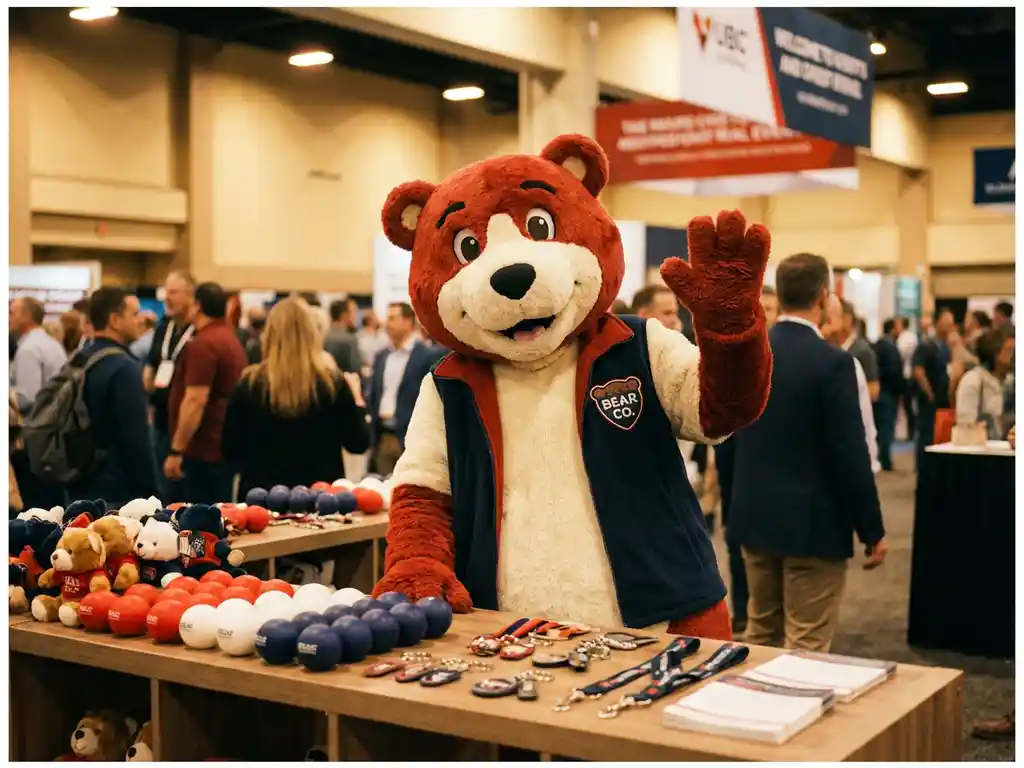
Promotional products are one of the oldest and most effective tools in a marketer’s toolkit—and they are more relevant today than ever. In a world saturated with digital ads and fleeting social media impressions, a well-chosen physical item cuts through the noise and creates a lasting connection between a brand and its audience. Whether you are planning a product launch, attending a trade show, or building long-term brand loyalty, promotional products can play a powerful role in your marketing strategy.
This guide answers the most common questions marketers ask about promotional products—from how they work to which types deliver the best results and how to choose the right ones for your campaign.
What are promotional products and how do they work in marketing?
Promotional products are branded physical items given to customers, prospects, or partners to increase brand awareness and strengthen relationships. They work by creating a tangible, lasting impression of your brand—every time a recipient uses or sees the item, they are reminded of your company, event, or message.
Unlike digital advertising, which disappears the moment a campaign ends, a well-made promotional product continues working long after it leaves your hands. A branded item sitting on someone’s desk, hanging from their bag, or displayed in their home becomes a passive ambassador for your brand. The mechanism is simple but powerful: repeated exposure builds familiarity, and familiarity builds trust.
Promotional products work best when they are relevant to the recipient’s life and clearly connected to the brand’s identity. A generic item with a small logo printed on it will have far less impact than a thoughtfully designed product that reflects your brand’s personality and delivers genuine value to the person receiving it.
Why do companies invest in promotional products for brand awareness?
Companies invest in promotional products because they generate repeated, long-term brand exposure at a relatively low cost per impression. A single item can be seen or used dozens or even hundreds of times, making it one of the most cost-efficient forms of brand communication available to marketers.
Brand awareness is built through consistent, repeated exposure to a brand’s name, logo, or visual identity. Promotional products deliver exactly that in a way that feels personal rather than intrusive. When someone receives a useful, high-quality branded item, they associate those positive qualities with your brand.
There is also a psychological dimension to consider. Receiving a gift—even a small one—triggers a sense of reciprocity. People naturally feel more favorable toward a brand that has given them something of value. This emotional connection is difficult to achieve through traditional advertising alone, and it is one of the key reasons promotional products remain a staple in brand marketing budgets worldwide.
What types of promotional products are most effective for marketing?
The most effective promotional products are those that are useful, relevant to the target audience, and strongly connected to the brand’s identity. Items that recipients use regularly—such as branded merchandise, desk accessories, or novelty items tied to a campaign theme—consistently outperform generic giveaways.
Effectiveness depends heavily on context. The right product for a corporate conference will differ from the right product for a school fair or a sports sponsorship activation. That said, some categories consistently perform well across sectors:
- Custom stress balls and novelty items: Tactile, memorable, and endlessly customizable—ideal for trade shows, healthcare campaigns, and corporate giveaways. A fully custom shape based on your brand or mascot makes these especially impactful.
- Plush toys and mascot merchandise: Highly effective for brands with a mascot or character, and popular with sports teams, universities, and family-oriented brands.
- Keychains and stickers: Affordable, portable, and practical—great for mass distribution at events or as add-ons to larger orders.
- Custom inflatables and mascot costumes: Best suited for events, activations, and brand experiences where you want to create a visual spectacle that stops people in their tracks.
The common thread among effective promotional products is that they feel intentional. A product that clearly reflects your brand’s personality and serves a purpose in the recipient’s daily life will always outperform a generic item chosen purely for its low price.
How do promotional products increase customer engagement at events?
Promotional products increase customer engagement at events by giving attendees a reason to stop, interact, and connect with your brand. A well-designed giveaway creates a moment of exchange that opens a conversation, encourages dwell time at your booth, and gives people something to take home—extending the event experience beyond the venue.
At trade shows, conferences, and brand activations, attention is the scarcest resource. Promotional products act as a magnet, drawing people toward your space and giving your team a natural opening to start a conversation. The product itself becomes a talking point—especially when it is creative, unusual, or directly tied to your brand story.
Beyond attracting foot traffic, promotional products also support post-event engagement. When someone takes a branded item home, it keeps your brand visible in their environment long after the event ends. If the item is distinctive enough, it may even spark conversations with others who ask about it—turning your customers into informal brand advocates without any additional effort on your part.
Who should use promotional products in their marketing strategy?
Promotional products are effective for almost any organization that wants to build brand recognition, strengthen relationships, or create memorable experiences. They are particularly valuable for companies, schools, sports teams, nonprofits, and event organizers who regularly interact with audiences in person or need to make a strong impression at scale.
In the B2B world, marketing managers and brand directors use promotional products to support trade show campaigns, client appreciation initiatives, product launches, and employee engagement programs. In the B2C world, brands use them to reward loyal customers, attract new audiences at events, and create shareable moments that generate organic word of mouth.
Organizations that benefit most from promotional products tend to share a few characteristics: they have a clear brand identity they want to reinforce, they interact with their audience at physical touchpoints, and they understand that brand building is a long-term investment rather than a one-off transaction. If that describes your organization, promotional products deserve a serious place in your marketing mix.
How do you choose the right promotional product for your campaign?
Choosing the right promotional product starts with understanding your audience, your campaign goal, and the context in which the product will be received. A product that delights the right person at the right moment will always outperform a more expensive item that misses the mark.
Follow these steps to make a confident, strategic choice:
- Define your goal. Are you building brand awareness, rewarding loyalty, driving event foot traffic, or creating a memorable experience? Your goal shapes everything else.
- Know your audience. Consider their lifestyle, interests, and what they would genuinely find useful or fun. A product that fits naturally into their daily routine will stay visible far longer.
- Match the product to your brand identity. The item should feel like a natural extension of your brand—in shape, color, tone, and quality. A mismatch between your brand and your giveaway undermines both.
- Think about longevity. Products that are used repeatedly deliver far more impressions over time than single-use items. Prioritize durability and everyday relevance.
- Consider production lead times. Custom products require time to design, approve, and produce. For fully custom items, factor in 10 to 12 weeks from design approval to delivery, and plan your campaign timeline accordingly.
- Set a realistic budget. Greater customization means higher tooling costs, but it also results in a far more distinctive and impactful product. Balance cost per unit against the impression value each item delivers.
The best promotional products feel like they were made specifically for the audience receiving them. That level of intentionality is what separates a forgettable freebie from a brand-building tool that keeps working long after the campaign ends.
How Promo Bears helps you get the most from promotional products
At Promo Bears, we have been designing and producing custom promotional products for over 19 years, helping brands across the globe turn their identity into tangible, memorable items that people actually keep. From custom mascot costumes and inflatables to plush toys and custom stress balls, we build every product to your specifications—starting with a free concept illustration and unlimited revisions until the design is exactly right.
Our custom stress balls are a great example of what sets us apart. Unlike standard suppliers who offer basic shapes with a one-color print, we create fully custom shapes based on your logo, mascot, or product concept—with precise PMS color matching and fine detail that makes your brand impossible to ignore. They are perfect for trade shows, corporate giveaways, healthcare campaigns, and seasonal activations. Here is what you get when you work with us:
- Fully custom shapes based on your own design or concept
- PMS color matching for brand-accurate results
- Free concept artwork and unlimited revisions
- A physical prototype option before bulk production
- A dedicated project manager from design to delivery
- Worldwide shipping to the USA, Canada, Europe, Australia, and beyond
Production takes 10 to 12 weeks after design approval, with rush options available for time-sensitive campaigns. Ready to turn your brand into something people can hold, squeeze, and remember? Contact us and let us show you what is possible.