
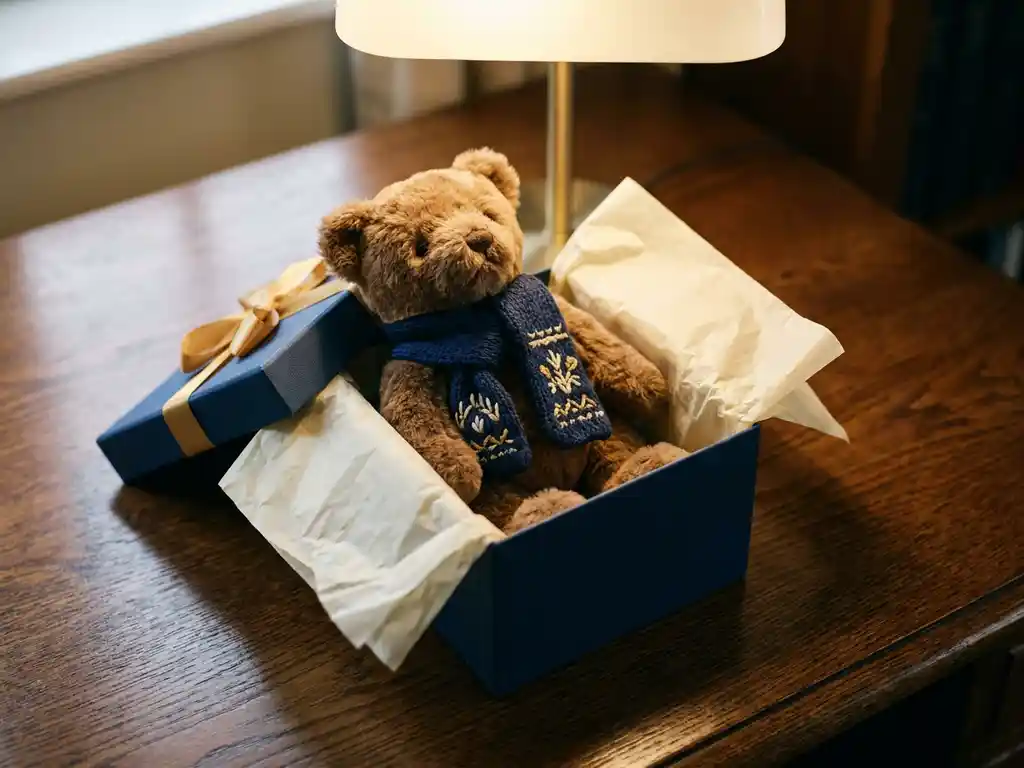
The best corporate gifts are practical, personalised, and aligned with your brand identity. Whether you are gifting clients, employees, or event attendees, the most effective choices combine usefulness with a clear brand message. From custom merchandise to experience-led giveaways, this article walks you through everything you need to know to make smart gifting decisions in 2026.
What makes a corporate gift truly memorable?
A corporate gift becomes memorable when it serves a purpose beyond the moment of giving. The best gifts are those that get used repeatedly, carry a strong visual identity, and feel genuinely thoughtful rather than generic. Relevance, quality, and personalisation are the three factors that separate a gift people keep from one that ends up in a drawer.
Think about the last branded item you actually kept. Chances are it was well-made, useful in your daily life, or so distinctive that it stood out from everything else on the table. That is the standard worth aiming for. A gift that reflects the recipient’s world and leaves a clear brand impression will continue working for you long after the event or campaign ends.
Personalisation does not have to mean printing someone’s name on a notebook. It can mean choosing a product that fits the audience’s lifestyle, designing something that reflects your brand’s character, or creating a shape or format that nobody else has done before. The more intentional the choice, the more memorable the result.
What are the most popular corporate gift categories?
The most popular corporate gift categories include branded merchandise, tech accessories, food and drink items, wellness products, and custom promotional items. Each category serves a different purpose and audience, and the best choice depends on your brand positioning, budget, and the context in which the gift will be given.
Here is a breakdown of the most common categories and what they are best suited for:
- Branded merchandise: Custom stress balls, plush toys, keychains, and tote bags. Ideal for events, trade shows, and giveaways where high volume and strong brand visibility matter.
- Tech accessories: Wireless chargers, USB hubs, and branded earbuds. Popular with corporate audiences and particularly effective as premium client gifts.
- Food and drink: Branded packaging, hampers, and specialty products. Work well for seasonal gifting and relationship-building with key accounts.
- Wellness products: Branded water bottles, yoga mats, and stress-relief items. Resonate strongly with health-conscious audiences and employee gifting programmes.
- Custom promotional items: Fully bespoke products shaped around your brand identity, such as custom-molded figures or mascot merchandise. These stand out precisely because they cannot be bought off the shelf.
The most effective corporate gifting strategies often combine categories, using a high-impact custom item as the centrepiece alongside more practical everyday products.
How do you choose the right corporate gift for your brand?
Choosing the right corporate gift starts with understanding your audience and your brand’s values. A gift that feels off-brand or irrelevant to the recipient will not generate the return you are looking for. The right choice reflects who you are as a company and delivers genuine value to the person receiving it.
Start by asking three questions. Who is receiving the gift? What impression do you want to leave? And how will the gift be used after the moment of giving? A gift handed out at a trade show needs to be portable and eye-catching. A gift sent to a key client should feel premium and considered. A gift given to employees should feel personal and appreciated.
From a brand perspective, consistency matters. The colours, materials, and overall aesthetic of your gift should align with your visual identity. A well-designed custom item that mirrors your brand’s character does far more for recognition than a generic product with a logo slapped on the side.
Finally, think about longevity. A gift that is used daily keeps your brand visible far longer than something consumed or discarded quickly. Products that sit on a desk, travel in a bag, or are displayed in a workspace give you ongoing exposure with every use.
What corporate gifts work best for large-scale events or campaigns?
For large-scale events and campaigns, the best corporate gifts are those that are visually striking, cost-effective at volume, and easy to distribute. Items that can be produced in high quantities without sacrificing quality are essential, and products with strong brand visibility tend to generate the most impact in busy environments like trade shows, festivals, or brand activations.
Custom stress balls are a strong example of this. They are compact, tactile, and impossible to ignore when they are shaped around your brand’s logo, mascot, or product. At Promo Bears, our custom stress balls are fully bespoke, crafted from high-quality PU foam, and produced with PMS colour matching to ensure your brand colours are reproduced accurately at scale.
Other strong performers for large events include branded tote bags, lanyards, and custom plush toys. The key is choosing something that attendees will carry with them throughout the event, effectively turning every recipient into a walking advertisement for your brand.
For campaigns rather than single events, consider a phased gifting approach. A teaser item sent in advance, a hero gift at the event, and a follow-up item afterwards can create a connected brand experience that builds momentum over time.
Should corporate gifts be branded or unbranded?
Corporate gifts should almost always be branded, particularly in a B2B context. Branding transforms a gift from a gesture into a marketing asset. An unbranded gift may feel more personal, but it misses the opportunity to reinforce your identity and keep your organisation top of mind after the interaction ends.
The key is to brand thoughtfully rather than aggressively. A gift where the branding feels integrated into the design will always outperform one where a logo has simply been printed on an existing product. When the shape, colour, and concept of the gift are built around your brand from the start, the branding becomes part of the experience rather than an afterthought.
There are exceptions. For very senior executive gifts or highly personal occasions, a more subtle approach, such as a premium unbranded item presented in branded packaging, can strike the right balance. But for the vast majority of corporate gifting scenarios, visible and well-executed branding is the right call.
How much should a company spend on corporate gifts?
How much a company should spend on corporate gifts depends on the purpose of the gift, the recipient, and the expected return on the investment. There is no universal figure, but a useful framework is to align spend with the relationship value. Employee gifts and mass event giveaways typically sit at a lower per-unit cost, while client appreciation gifts and executive-level items justify a higher investment.
As a general guide:
- Mass event giveaways: Lower per-unit spend focused on volume and visibility. The goal is broad brand exposure, so cost-efficiency matters more than premium materials.
- Employee recognition gifts: Mid-range spend that balances quality with scale. These gifts signal appreciation, so they should feel considered rather than cheap.
- Client gifting: Higher per-unit investment justified by the relationship value. A well-chosen premium gift can strengthen loyalty and open doors to new conversations.
- Executive or VIP gifts: The highest tier, where quality and personalisation matter most. These gifts represent your brand at its best and should reflect that standard.
Beyond the unit cost, factor in the total cost of the gifting programme, including design, production, packaging, and logistics. A gift that costs more per unit but requires no additional packaging or fulfilment effort may be more cost-effective overall than a cheaper item with complex delivery requirements.
How Promo Bears helps you find the perfect corporate gift
Finding a corporate gift that is both on-brand and genuinely impressive is easier when you work with a partner who handles everything from concept to delivery. At Promo Bears, we specialise in fully custom promotional products that are built around your brand identity, not adapted from a generic catalogue.
Our custom stress balls are one of our most popular solutions for corporate gifting, and here is why they work so well:
- Fully custom shapes based on your logo, mascot, or product concept
- Precise PMS colour matching to ensure brand consistency at scale
- High-quality PU foam construction with fine detail and vibrant colours
- Free concept artwork and unlimited revisions before production begins
- Option to approve a physical prototype before committing to a bulk order
- Production time of 10 to 12 weeks after design approval, with rush options available
- A dedicated project manager from first brief to final delivery
Whether you need a high-volume giveaway for a trade show, a branded gift for a seasonal campaign, or a standout item for a key client, we have the expertise and production capability to deliver. Ready to see what your brand could look like as a custom stress ball? Request a free quote and get a free concept illustration based on your design idea.
Frequently Asked Questions
How far in advance should we order corporate gifts to avoid delays?
For fully custom corporate gifts, planning at least 14–16 weeks ahead of your event or campaign launch is strongly recommended. This accounts for the design and approval phase, a physical prototype review if needed, and a standard production window of 10–12 weeks. If your timeline is tighter, ask your supplier about rush production options early in the process, as availability varies by product type and order volume.
What is the minimum order quantity for custom corporate gifts?
Minimum order quantities (MOQs) vary depending on the product and level of customisation involved. For fully bespoke items like custom-molded stress balls or shaped plush toys, MOQs typically start at 100–500 units, as the tooling and setup costs need to be spread across the run. If you need a smaller quantity, consider semi-custom options where your branding is applied to an existing product shape, which usually carry lower MOQs and shorter lead times.
How do we ensure our brand colours are reproduced accurately on custom gifts?
The most reliable way to ensure colour accuracy is to provide your supplier with your exact PMS (Pantone Matching System) colour codes rather than relying on digital colour references like hex codes or RGB values. PMS codes are the industry standard for physical print and production, and a reputable supplier will use them to match your brand colours precisely. Requesting a physical prototype or pre-production sample before the full run begins is also a smart safeguard, allowing you to sign off on colour, finish, and overall quality before committing to bulk production.
Can corporate gifts be used as part of a wider marketing or retention strategy?
Absolutely — and the most effective gifting programmes are deliberately built into broader marketing and retention strategies rather than treated as one-off gestures. For example, a phased gifting approach tied to a product launch, a seasonal campaign, or a client milestone creates multiple touchpoints that reinforce your brand over time. Pairing a physical gift with a personalised message, an exclusive offer, or an invitation to an event further amplifies its impact and gives recipients a clear next step in their relationship with your brand.
What are the most common mistakes companies make when choosing corporate gifts?
The most common mistake is prioritising low unit cost over perceived value, which results in gifts that feel cheap and reflect poorly on the brand. Other frequent missteps include choosing products that are too generic to be memorable, over-branding items in a way that feels promotional rather than thoughtful, and failing to consider how or where the gift will actually be used by the recipient. The fix is straightforward: start with the recipient’s experience in mind, choose quality over quantity where the relationship warrants it, and make sure the branding feels like a natural part of the product design rather than an add-on.
Are there any tax or compliance considerations we should be aware of when giving corporate gifts?
Yes — corporate gifting can have tax and compliance implications depending on your location, industry, and the value of the gifts given. In the US, for example, the IRS limits the tax deductibility of business gifts to $25 per recipient per year, while some regulated industries such as finance, healthcare, and legal services have strict internal or regulatory policies around receiving gifts. It is worth consulting your finance or legal team before launching a large gifting programme, particularly for high-value client gifts, to ensure your approach is fully compliant and properly documented.
How do we measure the return on investment (ROI) of a corporate gifting campaign?
Measuring gifting ROI requires defining your goal before the campaign launches — whether that is client retention, event engagement, lead generation, or employee satisfaction. For client and prospect gifting, you can track follow-up meeting rates, deal progression, or renewal rates among recipients versus a control group. For event giveaways, metrics like booth traffic, social media mentions, and post-event enquiries can indicate impact. While gifting ROI is rarely as direct as a paid ad campaign, the long-term brand visibility and relationship value generated by a well-chosen, frequently used gift can significantly outperform its upfront cost.