What Are Brand Mascots?
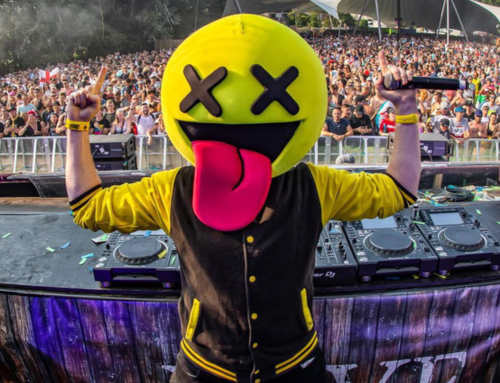
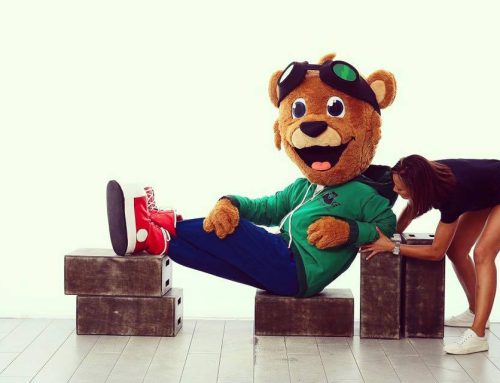
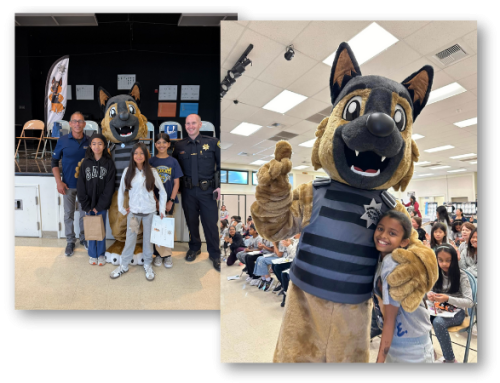
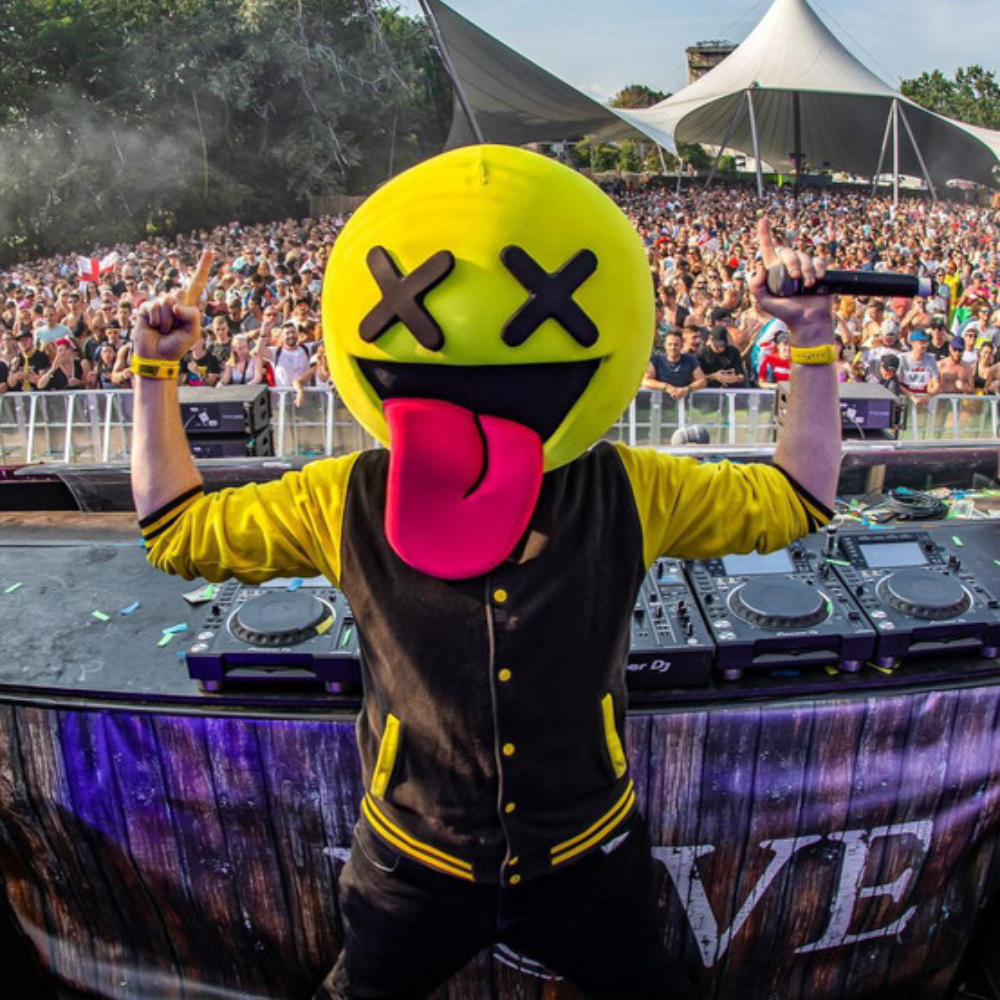
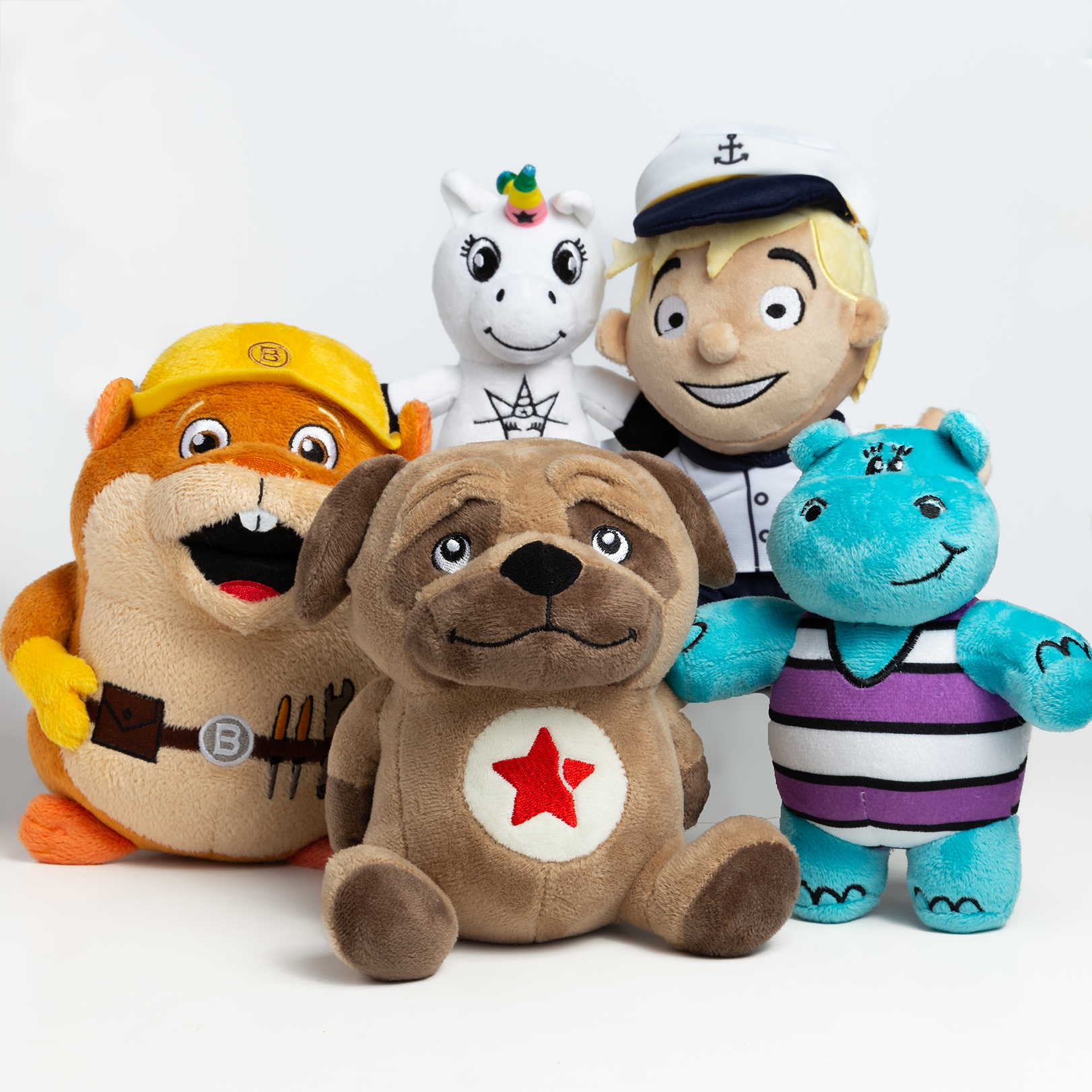
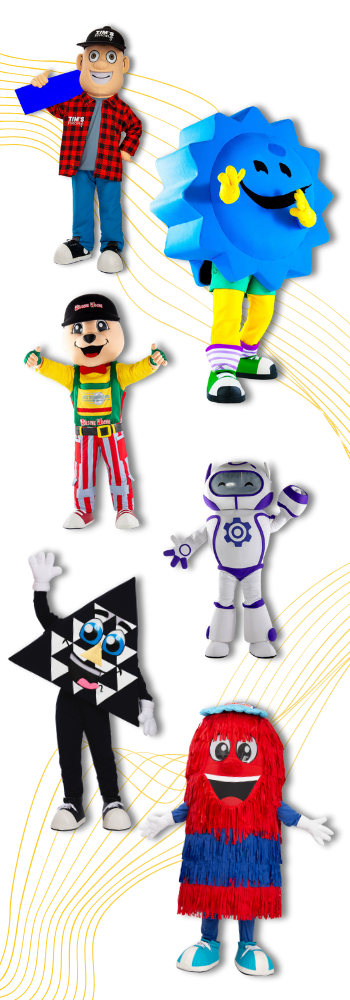
Brand mascots, also called corporate mascots are custom characters that personify your company’s identity, values, and message. They help you transform abstract branding into something visual and relatable. Often
brand mascots are characters used alongside or instead of celebrity endorsers to give a product a distinct, recognizable identity that customers can connect with over time [1].
With a business mascot, you have a living brand ambassador that tells your company’s story!
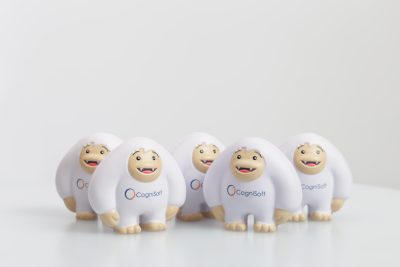
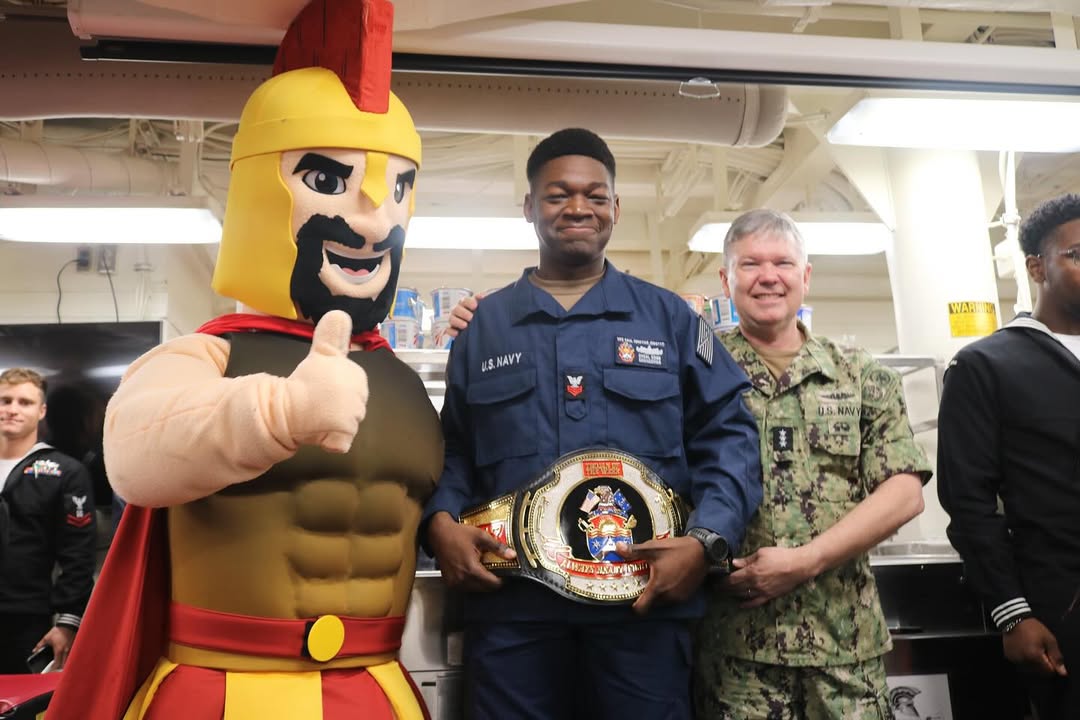
A brand mascot can exist in many forms: as a digital illustration, an animated character for campaigns, a physical mascot costume for live events, or even a line of branded merchandise. These can help you strengthen your brand recognition and create a unified message across every platform where your brand appears.
Types of Brand Mascots
Brand mascots come in many shapes and forms, each designed to achieve specific branding goals and connect with audiences in unique ways.
Animal Mascots
Animal mascots are a popular choice for brands looking to create a fun, approachable image. Think about the playful Chick-fil-A cows or the famous Ceico Gecko, both of which have become instantly recognizable figures in advertising campaigns.
Human Mascots
Human mascots, such as Colonel Sanders for Kentucky Fried Chicken and Ronald McDonald for McDonald’s, help brands forge a personal connection with customers. These characters often embody the brand’s values and story, making them beloved figures for the entire family.
Object Mascots
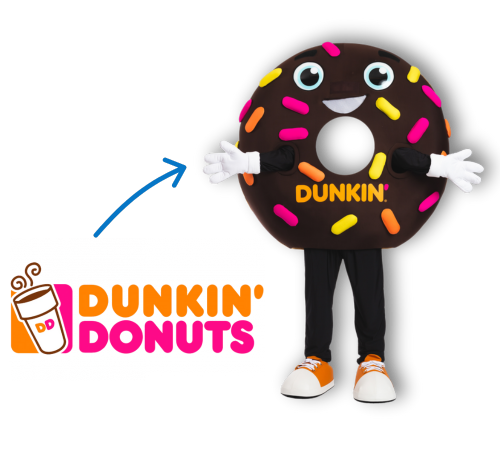
Object mascots, like the Michelin Man and the M&M’s characters, use creative mascot design to represent a brand’s personality and values in a memorable way. These mascots turn everyday products into iconic brand ambassadors.
No matter the type, a well-crafted mascot can become an integral part of a brand’s identity and marketing success.
Why Are Brand Mascots Such Powerful Branding Tools?

Emotional Connection & Brand Personification
Mascots enable a brand to turn an abstract corporate identity into a relatable character that consumers can engage with. Research shows that when a brand mascot is used to embody a brand’s personality, it positively influences consumer attitudes and purchase intentions (Sivaramakrishnan et al., 2007).
By making a company feel more human, mascots help consumers form an emotional bond (Reddy et al., 2024).
Simplified Brand Messages
Brands often struggle to translate what they do into what the consumer understands. A well-designed corporate mascot becomes a storytelling method, as it can embody a value, demonstrate a benefit, or engage in a narrative which makes the brand message more accessible.
Furthermore, mascots can deliver continuity across touchpoints such as packaging, advertisements, social media, and events. This reinforces the brand message and consistency, amplifying its effect as a memory anchor.
Trust, Recognition and Brand Recall
Studies also found that corporate mascots improved brand recall and recognition, especially among younger consumers (Tosun & Kalyoncu, 2014). Mascots are a distinctive visual element, and often narrative as well, which makes it function as a memory anchor.
Furthermore, industry sources claim that mascots may deliver a 37% higher recall rate compared to brands without mascot characters (Phillipe H., 2025). Another report states that corporate mascots can be up to six times more effective than celebrity endorsements when it comes to building long-term brand associations (Alpha.One Blog, n.d.).
This is especially relevant for business mascots and commercial mascots: when a company uses a mascot consistently in their marketing and branding efforts, across media, packaging, experiences, it creates a unified and memorable brand image!
Characteristics of Successful Brand Mascots
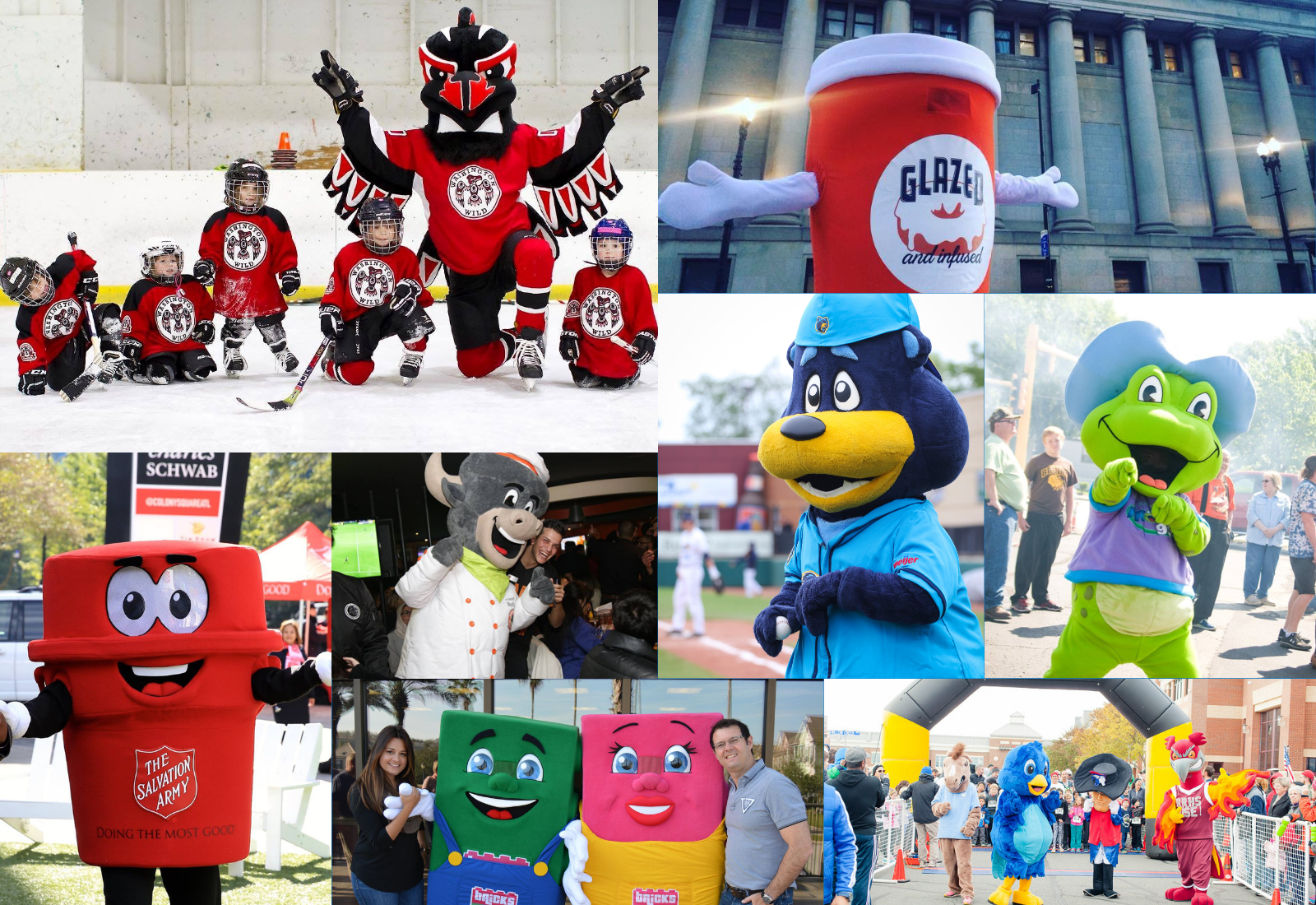
The most famous mascots share a few key characteristics that set them apart and ensure their lasting impression [3].
First and foremost, successful brand mascots have a strong, recognizable design that makes them stand out in any context. Think about your mascot on packaging, in TV commercials, or across digital platforms!
Furthermore, their visual appeal is matched by a clear and consistent personality, which helps build trust and emotional connection with customers. Mascots like the Jolly Green Giant and the Kool-Aid Man have become famous mascots not just because of their unique looks, but because they embody the spirit and values of their brands. With their cheerful personalities and approachable nature they have become an integral part of the brand’s identity, fostering loyalty and making the brand more memorable.
Famous Brand Mascots We’ve Brought to Life
Chester Cheetah
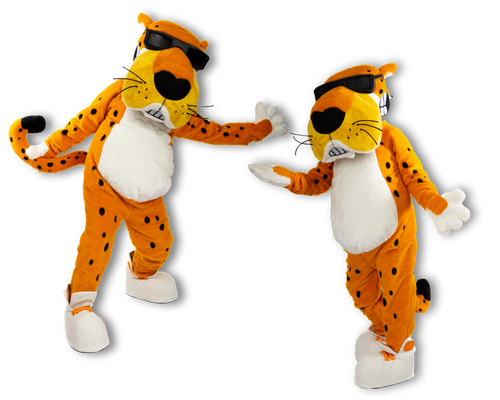
One of the most famous corporate mascots globally, Chester Cheetah has represented the Cheetos brand for decades. With his laid back personality and cool cat attitude, Promo Bears brought this legendary character off the screen by creating both a giant inflatable and a custom mascot costume. This allowed the brand to extend Chester’s presence beyond advertising and into live events and marketing experiences.
This project illustrates how business mascots can bridge digital campaigns and real-life interactions, turning a well-known commercial mascot into a tangible brand experience that excites the audience and boosts recall.
RJ the Frog
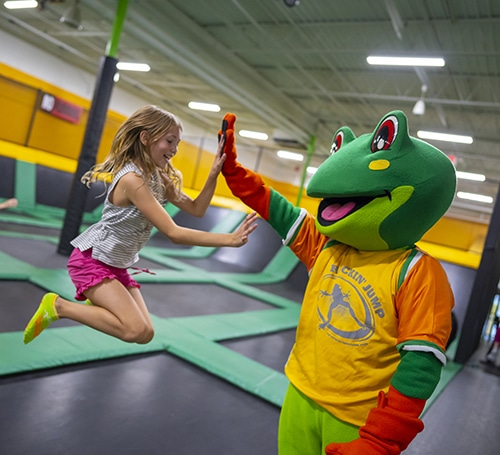
The famous trampoline-park franchise Rockin’ Jump partnered with Promo Bears to create RJ the Frog. This vibrant mascot is meant to embody the brand’s energy and fun!
Deployed across more than 60 franchise locations in the US, RJ serves as a unifying symbol for the company’s identity and guest experience. This large-scale rollout showcases how corporate mascots can function as strategic assets, not just for marketing campaigns but also for brand consistency across franchises.
RJ appears in live events, social media promotions, and themed merchandise, proving how a well-designed business mascot can be a versatile marketing asset.
You can read more about Rockin’ Jumps custom mascot costume RJ the Frog here.
Why Do Brand Characters Matter for Marketing Professionals?
For those assessing brand investments, viewing mascots as just cute characters misses the strategic value. When used thoughtfully,
In short: business mascots don’t just add charm; they function as strategic branding tools that can anchor a company’s identity, build consumer memory, and humanize the brand in a way that purely visual or verbal assets struggle to achieve.
How to Get Your Own Corporate Mascot?
With Promo Bears, bringing your character to life is easier than ever. Whether you’re starting with a fresh concept or already have a mascot in mind, we offer several options to fit your goals and budget.
Measuring the Success of Your Brand Mascot
To be able to effectively measure success, you need to use a mix of qualitative and quantitative metrics. Brand recognition is a key indicator, and using surveys or focus groups can reveal how well your mascot is remembered or associated with your brand. Furthermore, customer loyalty is another important metric, often measured through retention rates and participation in loyalty programs.
Social media engagement also provides real-time feedback on how your mascot resonates with audiences, while sales and revenue figures offer a clear picture of the mascot’s contribution to overall brand success.
By tracking these metrics, brands can assess the effectiveness of their mascots, make data-driven adjustments, and ensure their mascot remains a valuable asset in their branding strategy.
Frequently Asked Questions
Moisture-wicking athletic gear works best, keeping the skin dry and comfortable.
After every use, with deep cleaning every three months. Always follow the manufacturer’s manual to avoid damage.
Yes. They offer custom tailoring, breathable fabrics, removable linings, and built-in ventilation, features budget suits lack.
Use cooling vests, proper ventilation systems, moisture-wicking clothes, and schedule regular breaks.
By investing in a custom corporate mascot costume, you not only amplify your branding, but you also create a lasting impression that keeps your company in the hearts and minds of clients, colleagues, and friends.
Request a free quote. Our project managers are happy to help make your brand unforgettable!
References
- Malik, G., & Guptha, A. (2014). Impact of celebrity endorsements and brand mascots on consumer buying behavior. Journal of Global Marketing, 27(2), 128–143. https://doi.org/10.1080/08911762.2013.864374
- Bennett, D., & Thompson, P. (2016). Use of anthropomorphic brand mascots for student motivation and engagement: A promotional case study with Pablo the Penguin at the University of Portsmouth Library. New Review of Academic Librarianship, 22(2–3), 225–237. https://doi.org/10.1080/13614533.2016.1162179
- Ko, Y. J., Yun, L., & Kang, P. (2025). A conceptual framework for understanding brand connection to sport mascots. Sport Management Review, 28(4), 729–752. https://doi.org/10.1080/14413523.2025.2500124