
The best ways to make company culture visible externally are through consistent branded experiences, authentic storytelling, and physical touchpoints that people can see, share, and remember. Culture becomes visible when it moves beyond internal values statements and shows up in the way your brand looks, behaves, and engages with the world. This article walks through the most practical and proven approaches, from branded merchandise to live events to measuring real-world impact.
How does company culture show up in external brand perception?
Company culture shows up in external brand perception through every interaction a person has with your organization, whether that is a social media post, a product unboxing, a booth at a trade show, or a customer service exchange. People form impressions of your culture long before they ever step inside your building or speak to one of your employees.
Brand perception is shaped by signals, and culture produces signals constantly. The language your team uses in public communications, the quality of the merchandise you hand out at events, the energy your representatives bring to a conference, and even the design choices you make in your visual identity all tell outsiders what your organization actually values.
For marketing managers and brand directors, this means culture cannot be treated as an internal HR matter. It is a live, active component of your brand equity. If your internal culture prioritizes creativity, that creativity needs to be visible in your campaigns, your product design, and your event presence. If your culture is built around community, outsiders should feel that warmth every time they encounter your brand.
What are the most effective ways to communicate company culture externally?
The most effective ways to communicate company culture externally are through visual brand consistency, employee-generated content, community involvement, and branded physical experiences that reinforce your values at every touchpoint. The key is making culture tangible rather than leaving it as a set of abstract words on a website.
Here are the approaches that consistently deliver results:
- Visual identity alignment: Your logo, color palette, typography, and design language should reflect your cultural personality. A playful, people-first brand should look and feel different from a precision-focused engineering company.
- Employee advocacy: When team members share authentic content about their work experience, it gives outsiders a genuine window into your culture. This is more credible than polished corporate messaging.
- Community partnerships: Sponsoring local events, schools, or causes that align with your values demonstrates culture in action rather than just in words.
- Branded merchandise: Physical products that carry your identity into the world create ongoing cultural impressions every time someone uses or sees them.
- Consistent tone of voice: The way your brand communicates, across emails, social posts, and in-person conversations, should feel like a reflection of your people and your values.
Consistency is what separates brands that are perceived as having a strong culture from those that do not. One-off campaigns rarely build lasting impressions. Sustained, coherent signals do.
How can branded merchandise reinforce company culture to outsiders?
Branded merchandise reinforces company culture to outsiders by turning abstract values into physical, shareable objects that people encounter in their daily lives. When someone carries your branded bag, wears your custom apparel, or displays your merchandise at their desk, your culture travels with them into spaces your marketing budget cannot reach.
The quality and design of your merchandise send their own message. A thoughtfully designed, high-quality product signals that your organization cares about craft and detail. A generic, low-effort giveaway signals the opposite. For brands that want to be perceived as creative, premium, or community-driven, the merchandise needs to match that positioning.
Custom merchandise also creates conversation. Unique items, especially ones with character, humor, or strong visual identity, prompt people to ask questions. That organic curiosity is one of the most valuable forms of brand exposure because it is driven by genuine interest rather than paid promotion.
For organizations planning events or campaigns in 2026, it is worth noting that production timelines vary by product type. Stickers can be ready in as little as 7 to 10 days, while custom plush toys typically take 12 to 18 weeks from prototype to delivery. Planning ahead allows you to align merchandise drops with key cultural moments rather than scrambling at the last minute.
Why do mascots and brand characters help make culture tangible?
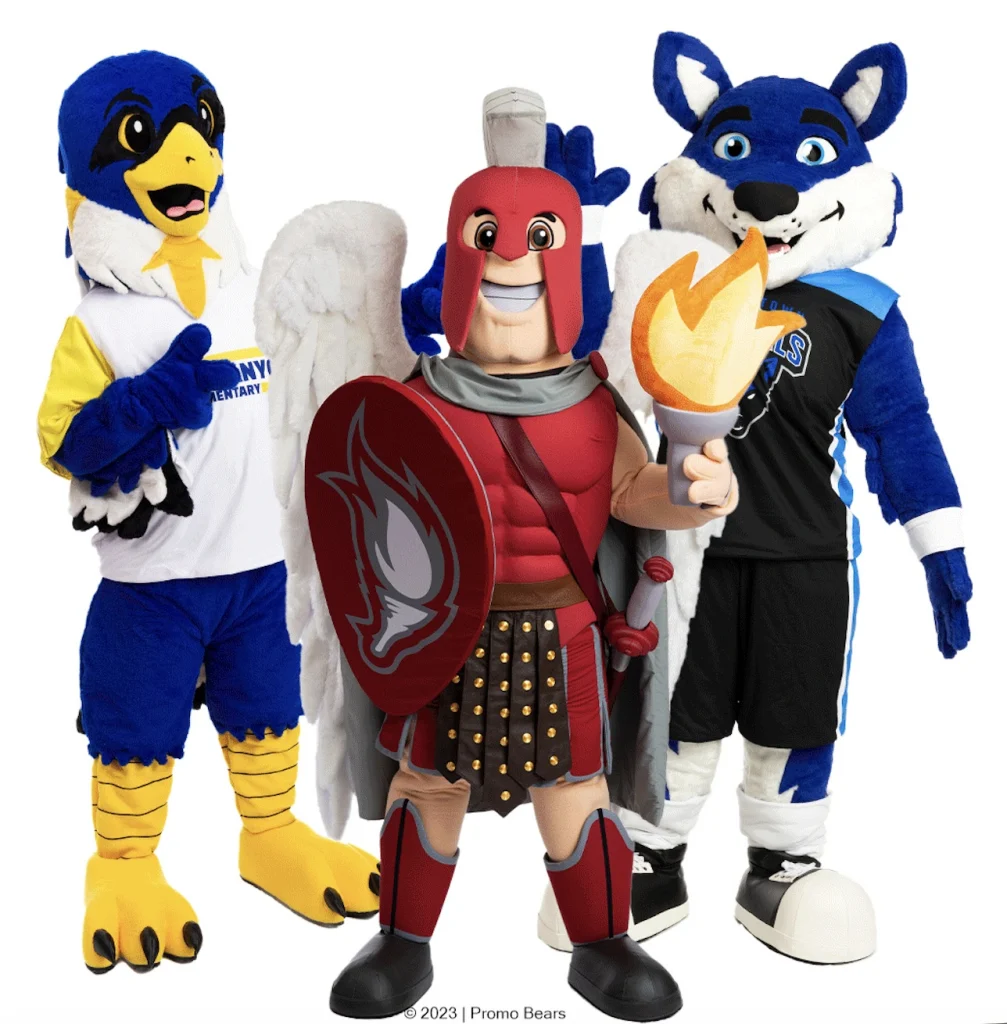
Mascots and brand characters help make culture tangible because they give your values a face, a personality, and a physical presence that people can connect with emotionally. A well-designed character communicates who you are as an organization in a way that a tagline or mission statement simply cannot.
Characters work because human beings are wired to connect with faces and personalities. When your culture is represented by a character, that character becomes a shorthand for everything your brand stands for. It shows up at events, on merchandise, in social content, and in marketing materials, creating a consistent and recognizable cultural signal across every channel.
For brands in retail, sports, entertainment, and education, a custom mascot costume takes this further by creating live, in-person cultural experiences. A mascot at a community event or a product launch does not just represent the brand; it embodies it. People take photos, share them, and associate the energy of that interaction with your organization. Custom mascot costumes typically take 12 to 16 weeks to produce, so building them into your event calendar early is important.
Giant mascot inflatables are another option worth considering. They create immediate visual impact at outdoor events and take only 3 to 4 weeks to produce, making them a faster route to high-visibility brand presence.
What role do company events play in cultural visibility?
Company events play a central role in cultural visibility because they create real-world moments where your culture is performed rather than described. Events give outsiders direct, sensory access to what your organization feels like, and those impressions tend to be far more memorable than any digital campaign.
Whether you are hosting a product launch, sponsoring a community festival, or setting up a booth at an industry conference, events are an opportunity to bring your culture to life through every detail: the design of your space, the energy of your team, the quality of your giveaways, and the experiences you create for attendees.
Events also generate content. When attendees share photos and videos from an experience your brand created, they are effectively broadcasting your culture to their networks. This earned reach extends your cultural visibility well beyond the people who were physically present.
The most culturally effective events are those where the experience itself reflects the brand’s values. A company that champions innovation should create interactive, forward-thinking experiences. A brand built around community should design events that bring people together rather than just showcase products.
How do you measure whether company culture is landing externally?
You can measure whether your company culture is landing externally by tracking brand sentiment, monitoring unsolicited mentions and earned media, analyzing engagement quality on cultural content, and gathering direct feedback from customers, partners, and event attendees. Measurement does not need to be complicated, but it does need to be intentional.
Here are the most practical indicators to track:
- Brand sentiment analysis: Use social listening tools to monitor what people say about your brand organically. Are the words they use aligned with the culture you want to project?
- Engagement on culture-driven content: Posts that showcase your team, your values, or your community involvement tend to generate different engagement patterns than product posts. Track which cultural content resonates most.
- Earned media and press coverage: When journalists or industry voices describe your brand, what language do they use? Does it reflect your cultural identity?
- Event and campaign feedback: Direct surveys after events or campaigns give you qualitative data on how outsiders experienced your brand.
- Referral and word-of-mouth patterns: If your culture is landing, people will talk about you unprompted. Track referral sources and ask new customers or partners how they heard about you.
The goal is not to chase a perfect score on every metric. It is to build a feedback loop that tells you whether the cultural signals you are sending are being received the way you intend. Over time, that feedback loop helps you refine your approach and double down on what is genuinely working.
How Promo Bears helps make your company culture visible
Making culture visible externally requires the right physical tools, and that is exactly where we come in. At Promo Bears, we help organizations translate their brand identity into tangible, high-quality products that carry their culture into the world.
Here is what we offer to support your cultural visibility goals:
- Custom mascot costumes: Fully bespoke characters built from your design, ready in 12 to 16 weeks, with 3D realistic eyes, a built-in ventilation system, and a dedicated project manager from concept to delivery.
- Giant mascot inflatables: High-impact outdoor presence ready in just 3 to 4 weeks.
- Custom stress balls: Fully custom shapes with PMS color matching and full-color print options, produced in 10 to 12 weeks.
- Branded merchandise: From stickers and keychains to plush toys and drawstring bags, we cover the full range of promotional products your brand needs.
Every project starts with a free concept illustration and unlimited revisions, so you never commit to production until the design is exactly right. With over 4,000 mascots created for brands like NASA, Amazon, and Walmart, we know what it takes to make a brand stand out.
Ready to bring your culture to life? Get a free quote and let us show you what is possible.
Frequently Asked Questions
How early should we start planning branded merchandise for a major event or product launch?
The earlier the better, but as a practical rule, you should begin planning at least 4 to 6 months before your event date to accommodate the full range of merchandise options. Items like custom mascot costumes and plush toys require 12 to 18 weeks from concept to delivery, so leaving yourself only a few weeks will severely limit what you can produce. Starting early also gives you time for design revisions, prototyping, and shipping without the added cost of rush production.
What if our company doesn't have a mascot or brand character — is it worth creating one from scratch?
Absolutely, and many of the most recognizable brand characters were created long after the company was established. The key is grounding the character in your existing cultural values rather than designing one in isolation. A well-developed mascot that authentically reflects your brand personality will outperform a generic one every time, so invest in the concept phase before committing to production. Start by identifying two or three core traits your culture is known for and build the character’s visual design and personality around those.
How do we avoid branded merchandise feeling cheap or disconnected from our culture?
The biggest mistake brands make is choosing merchandise based on price alone rather than alignment with their identity and audience. A premium, thoughtfully designed product that fewer people receive will do more for your cultural perception than thousands of forgettable giveaways. Ask yourself whether the item is something your target audience would genuinely use or display, and whether the quality of the product matches the quality your brand promises. Working with a supplier that offers custom shapes, PMS color matching, and design revisions helps ensure the final product actually looks and feels like your brand.
Can small or mid-sized companies realistically build strong external cultural visibility, or is this only achievable for large brands?
Cultural visibility is absolutely achievable for smaller organizations, and in some ways it is easier because smaller teams tend to have more authentic, consistent voices. The advantage large brands have is budget, not authenticity — and authenticity is what actually drives cultural perception. A focused strategy that combines employee advocacy, community involvement, and a few high-quality branded touchpoints can create a strong cultural presence even with limited resources. Prioritize depth over breadth: it is better to show up consistently in a few channels than to spread thinly across many.
What are the most common mistakes brands make when trying to communicate culture externally?
The most common mistake is treating external culture communication as a one-time campaign rather than an ongoing, consistent practice — a single values video or a branded giveaway at one event will not move the needle on its own. Another frequent misstep is a disconnect between what the brand claims its culture is and what outsiders actually experience, which erodes trust quickly. Brands also tend to over-rely on polished corporate messaging rather than letting employees and customers tell the story in their own words. The fix is to build culture communication into your regular marketing cadence and make sure every external touchpoint is evaluated against your cultural values.
How do we get employees genuinely involved in sharing company culture externally without it feeling forced?
The most effective employee advocacy happens when team members are given real stories worth telling and the freedom to tell them in their own voice, rather than being handed a script or a mandatory posting quota. Start by creating genuinely interesting internal experiences — milestone celebrations, community events, creative projects — that employees naturally want to share. Providing branded assets, photography, and simple guidelines (not mandates) makes it easier for people to participate without feeling like a corporate mouthpiece. Recognizing and amplifying the content employees do share also reinforces the behavior organically.
Which external cultural visibility tactics tend to deliver the best long-term return on investment?
Tactics that create lasting physical or emotional impressions consistently outperform those that generate short-term digital engagement. High-quality branded merchandise that people use daily, memorable live event experiences, and well-designed mascots or brand characters all continue generating cultural impressions long after the initial investment. Employee advocacy is also exceptionally high-ROI because it is ongoing and costs relatively little to sustain once a culture of sharing is established. The common thread across all high-ROI tactics is consistency — the brands that win culturally are those that show up repeatedly with a coherent identity rather than chasing one-off viral moments.