
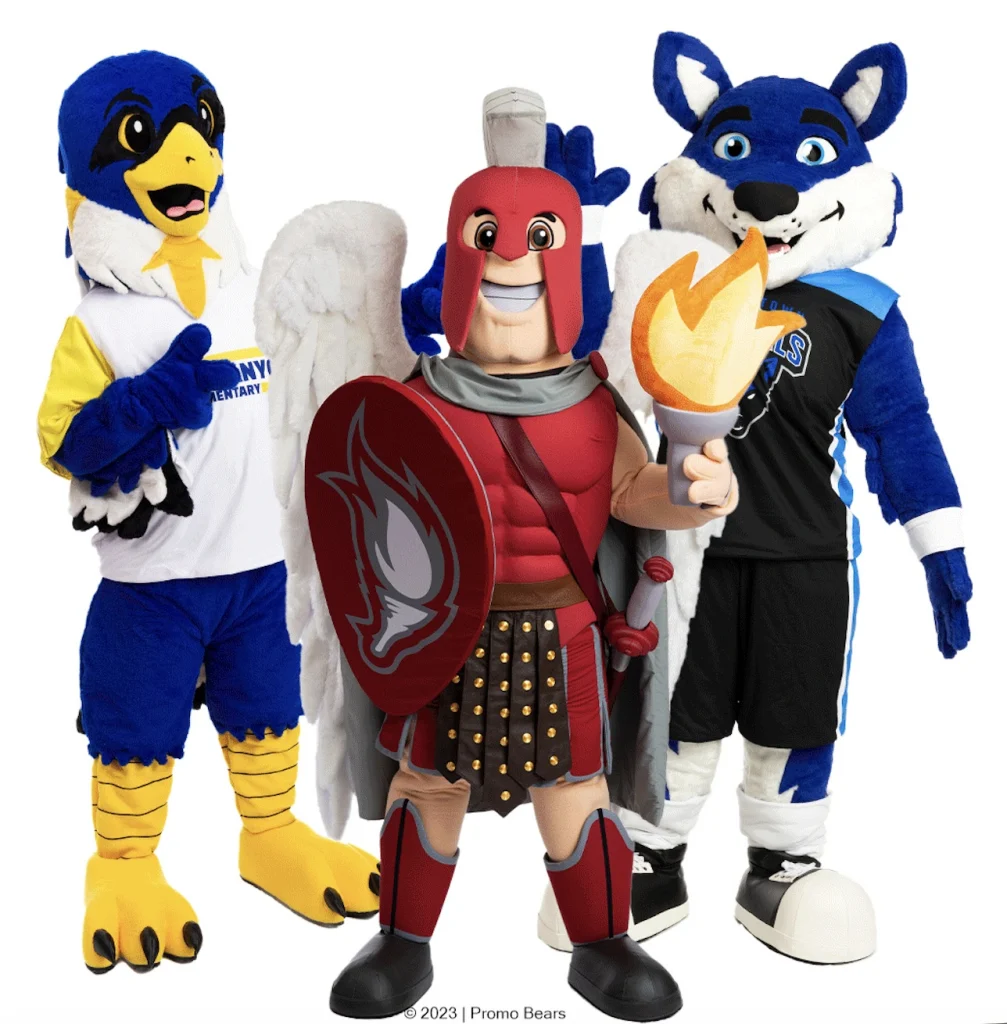
Promotional products make company culture visible by turning abstract values into physical, shareable objects that people interact with every day. When someone carries a branded tote, wears a team hoodie, or displays a custom mascot at an event, they are broadcasting what that organization stands for without saying a word. The questions below unpack how this works in practice, from choosing the right products to measuring their real impact.
How do promotional products communicate a brand’s values?
Promotional products communicate brand values through the design choices, materials, and context in which they are given. Every element of a branded item sends a signal: a high-quality product signals that a company cares about craftsmanship, while a thoughtfully designed shape or color palette signals creativity and intentionality. The object itself becomes a physical expression of what the brand believes in.
Think about what it means when a company hands out a cheaply printed pen versus a beautifully crafted custom item that reflects its mascot or brand identity. The first says “we needed to fill a bag.” The second says “we thought about you and we take our brand seriously.” Customers and employees read these signals instantly, even if they never consciously analyze them.
The most effective promotional products work because they align with the brand’s actual personality. A playful, people-first company might invest in a custom plush toy or a mascot sticker. A sustainability-focused organization might choose reusable items in its exact brand colors. The product does not just carry a logo. It carries a message about who you are and what you value.
What types of promotional products are most effective at expressing culture?
The most effective promotional products for expressing culture are those that reflect a brand’s unique identity rather than generic branded merchandise. Custom items built around a mascot, brand character, or specific design language tend to outperform standard products because they are immediately recognizable and difficult to replicate. They create a visual shorthand for everything the organization stands for.
Products that consistently perform well for culture expression include:
- Custom mascot costumes for live events and brand activations
- Plush toys and mascot figures that fans and customers keep for years
- Enamel pins and keychains that people choose to display on their own belongings
- Stickers and mascot stickers that travel across laptops, water bottles, and notebooks
- Custom stress balls in unique shapes with precise color matching
- Giant mascot inflatables that make a brand impossible to miss at events
The key difference between culture-building merchandise and forgettable giveaways is specificity. A stress ball shaped like your product or mascot, matched to your exact PMS colors, tells a story. A generic round stress ball with a printed logo does not. The more a product reflects your actual identity, the more effectively it communicates your culture.
How do mascots make organisational culture tangible?
Mascots make organizational culture tangible by giving abstract values a face, a personality, and a physical presence. A mascot is not just a character. It is a concentrated symbol of what an organization stands for, made visible and approachable. When people can see, touch, or interact with a mascot, culture stops being a slide in a presentation and becomes something real.
This works because mascots operate on an emotional level. They create moments of connection at events, build familiarity over time, and give communities something to rally around. A school mascot unites students, staff, and alumni. A corporate mascot gives a brand a relatable identity that customers remember long after an event ends.
The physical products that extend a mascot’s reach amplify this effect even further. When a mascot appears on a custom plush toy, a sticker, or an inflatable arch at a game or trade show, it creates multiple touchpoints across different contexts. Each one reinforces the same message and deepens the emotional connection people have with the organization.
Why do employees respond differently to branded merchandise than customers do?
Employees respond differently to branded merchandise because their relationship with the brand is personal and ongoing, not transactional. When a company gives an employee a high-quality branded item, it signals belonging, pride, and recognition. Customers see merchandise as a representation of a brand they like. Employees see it as a reflection of the team they are part of.
This distinction matters a great deal for culture-building. An employee who genuinely likes the branded gear they receive is far more likely to wear it outside of work, share it on social media, and talk about their employer positively. That organic advocacy is one of the most authentic forms of culture visibility an organization can generate.
On the other hand, low-quality or generic branded merchandise can actually backfire internally. Employees notice when a company invests in thoughtful, well-made items versus when they order the cheapest option available. The quality of the merchandise sends a message about how much the organization values its people. Custom, well-crafted products consistently outperform generic alternatives in building genuine employee pride.
When should organisations invest in custom promotional products over standard branded items?
Organizations should invest in custom promotional products whenever the goal is to build lasting brand recognition, express a distinct identity, or create a memorable experience rather than simply filling a goodie bag. Standard branded items make sense for high-volume, low-stakes situations. Custom products are the right choice when the impression you leave genuinely matters.
Specific situations that call for custom promotional products include:
- Brand launches or rebrands where you need to establish a new identity quickly and memorably
- Major events, trade shows, or sponsorships where you are competing for attention against many other brands
- Employee onboarding where you want new team members to feel a genuine sense of belonging from day one
- Fan or community engagement campaigns where the product needs to be something people actually want to keep
- Long-term mascot programs where consistent visual identity across multiple product types builds recognition over time
Custom products require more lead time and investment, which is worth planning for. A custom mascot costume, for example, takes 12 to 16 weeks from design approval to delivery. Plush toys typically take 12 to 18 weeks depending on the shipping method. Faster options like mascot stickers can be ready in about 4 weeks, and giant mascot inflatables in 3 to 4 weeks. Building these timelines into your event planning ensures you get the quality you need without rushing the process.
How do you measure whether promotional products are making culture visible?
You measure whether promotional products are making culture visible by tracking both behavioral signals and perception data before and after a campaign. There is no single metric, but a combination of indicators will tell you whether your branded merchandise is genuinely shifting how people experience and share your culture.
Behavioral signals worth tracking include how often employees wear or use branded items outside of work, how frequently mascot content appears in user-generated social posts, and whether event merchandise generates organic sharing. These actions indicate that people find the products genuinely valuable rather than just acceptable.
Perception data is equally important. Brand awareness surveys, employee engagement scores, and net promoter scores taken before and after a merchandise campaign can reveal whether the investment is moving the needle. If more people are associating your brand with specific values or feeling stronger loyalty after receiving custom products, the merchandise is doing its job.
One practical starting point is to track what happens to your products after they are distributed. Do people keep them, display them, or share them? A custom mascot plush that lives on someone’s desk for years is delivering ongoing cultural impact. A generic pen that ends up in a drawer is not. The longevity and visibility of a product in everyday life are one of the clearest indicators of whether it is making culture visible.
How Promo Bears helps make your culture visible
We work with marketing managers and brand directors across North America who want their culture to show up in the real world, not just in internal documents. Our fully custom products are built around your specific design, character, or mascot rather than adapted from a generic template.
Here is what we bring to every project:
- A free concept illustration based on your logo or design idea, with unlimited revisions before production begins
- Custom stress balls in unique shapes with precise PMS color matching and full color print options, ready in 10 to 12 weeks
- Custom mascot costumes with 3D realistic eyes, a built-in ventilation system, and a dedicated project manager overseeing your project from start to delivery in 12 to 16 weeks
- Giant mascot inflatables ready in just 3 to 4 weeks for events where you need maximum visibility fast
- A full range of smaller merchandise including enamel pins, keychains, plush toys, and mascot stickers to extend your brand across every touchpoint
With over 4,000 mascots created for organizations including NASA, Amazon, and Walmart, we know what it takes to turn a brand identity into something people genuinely connect with. Ready to see what your culture could look like in physical form? Get your free quote and let’s build something worth talking about.
Frequently Asked Questions
How much should we budget for a custom promotional products campaign?
Budget depends heavily on the product type, quantity, and level of customization, but a useful rule of thumb is to think in terms of cost-per-impression rather than unit cost. A custom mascot plush toy that sits on someone’s desk for three years delivers far more brand exposure per dollar than a cheap giveaway that gets discarded the same day. For organizations just getting started, smaller items like mascot stickers, enamel pins, or custom stress balls offer a lower entry point while still delivering the specificity that makes promotional products memorable.
What if we don't have a mascot yet — can we still create effective custom promotional products?
Absolutely. Many organizations start the process without a fully developed mascot and use the promotional product creation process itself as a catalyst for defining one. A custom plush or mascot costume project typically begins with a free concept illustration based on your logo, brand colors, or a rough character idea, which means the design process helps you develop and refine your visual identity at the same time. If you have strong brand colors, a recognizable logo, or even just a clear sense of your brand’s personality, that is enough to get started.
How do we choose the right promotional product for a specific event or campaign goal?
Start by matching the product to the context and the impression you want to leave. For high-traffic trade shows or outdoor events where visibility is the priority, giant mascot inflatables and mascot costumes create immediate impact from a distance. For employee onboarding or community campaigns where lasting emotional connection matters more, custom plush toys and enamel pins tend to perform best because people keep and display them over time. Ask yourself: what do we want someone to feel, do, or remember after receiving this item — then work backward to the product that best delivers that outcome.
What are the most common mistakes organizations make with branded merchandise?
The most common mistake is prioritizing low unit cost over product quality and relevance, which results in merchandise that recipients discard rather than keep. A second frequent mistake is ordering generic items with a logo slapped on rather than investing in products that reflect the brand’s actual identity and character. Finally, many organizations underestimate lead times and rush the process, which forces compromises on design quality — building a realistic production timeline into your event planning calendar is one of the simplest ways to get significantly better results.
Can promotional products work for internal culture-building, not just external marketing?
Yes, and this is one of the most underutilized applications of custom merchandise. High-quality branded products given during onboarding, team milestones, or company anniversaries send a clear internal message that the organization values its people and takes its identity seriously. Employees who receive merchandise they are genuinely proud of become organic brand ambassadors — wearing branded gear outside of work, posting about it on social media, and speaking positively about their employer in ways that no paid campaign can replicate. The internal and external culture-building effects are deeply connected.
How do we ensure our custom promotional products stay consistent with our brand identity across different product types?
Consistency starts with providing precise brand specifications — including exact PMS color codes, approved logo files, and any character or mascot guidelines — before production begins. Working with a single supplier who can produce multiple product types (costumes, plush toys, stickers, inflatables, stress balls) using the same design assets makes cross-product consistency significantly easier to maintain. Requesting pre-production samples or proofs for each new product type before full production runs is also a critical step that catches any color or design discrepancies before they become costly errors.
Is it worth investing in a mascot costume if we only have one or two major events per year?
For most organizations, yes — because a well-made mascot costume is a long-term asset, not a single-use expense. A professionally built costume with quality materials and construction can last for many years of regular use, meaning the cost per event decreases significantly over time. Beyond scheduled events, mascot costumes also generate value through photo and video content, social media appearances, and internal activations that extend their reach well beyond the events themselves. The key is treating it as a brand investment with a multi-year return rather than a line item in a single event budget.