
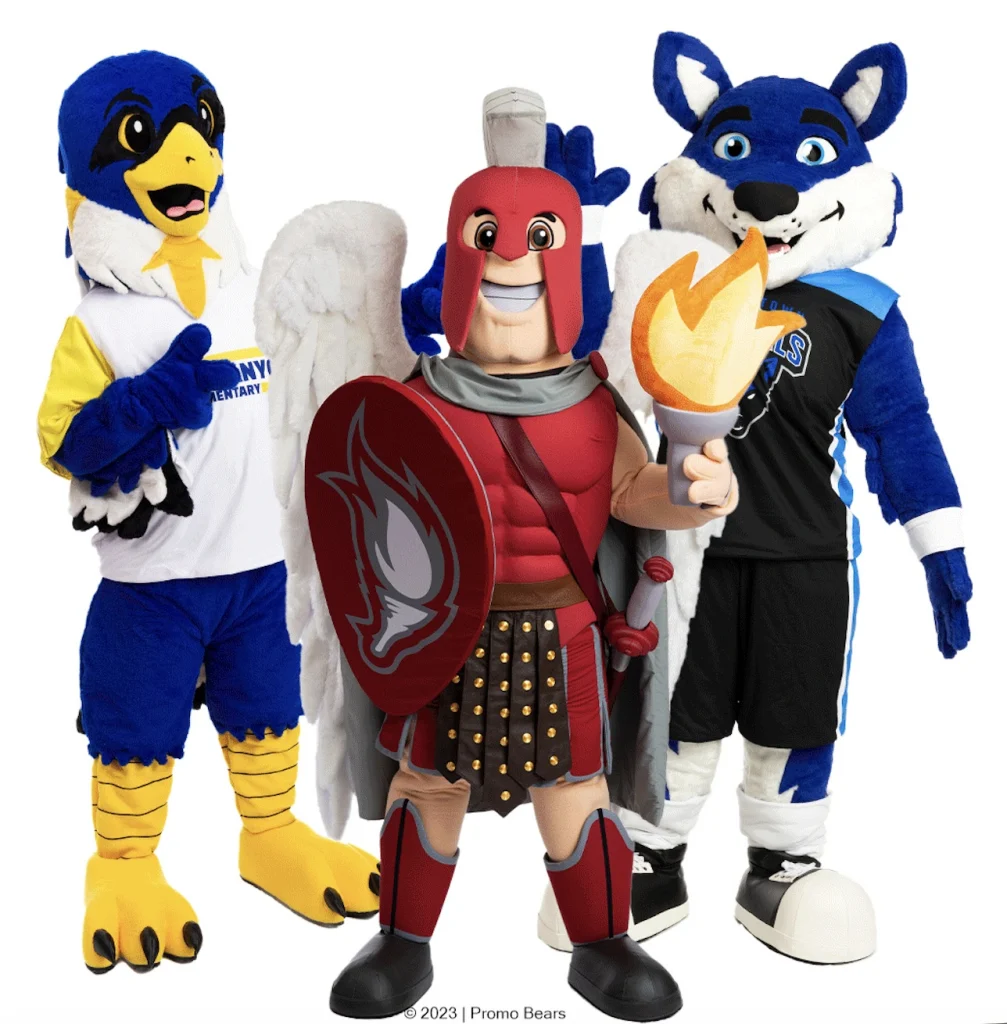
Creating a unique mascot starts with a clear understanding of your brand’s personality, values, and audience, then translating those qualities into a distinctive character with its own visual identity. The most memorable mascots combine a strong concept, purposeful design choices, and consistent execution across every product and touchpoint. Below, we walk through the key questions every brand should answer before bringing a mascot to life.
What makes a mascot truly unique and memorable?
A mascot becomes truly unique when it reflects something specific and authentic about your brand rather than borrowing from generic archetypes. The most memorable characters have a distinct personality, a recognizable silhouette, and an emotional connection with the audience they are meant to engage. Uniqueness is not just about looking different — it is about feeling right for your brand.
Think about what separates the mascots you remember from the ones you forget. The ones that stick tend to have a clear point of view. They feel like a real character with a backstory, not just a logo wearing a costume. That emotional depth is what drives engagement, sparks word of mouth, and turns casual customers into genuine fans.
Strong mascots also work across contexts. Whether they appear on a giant inflatable at a trade show, a plush toy in a gift shop, or a stress ball handed out at an event, the character reads clearly and consistently. That versatility is a sign of a well-conceived design from the very beginning.
How do you develop a mascot concept from scratch?
Developing a mascot concept from scratch begins with defining your brand’s core identity: who you are, who your audience is, and what feeling you want the mascot to evoke. From there, you move into character exploration, sketching different directions before committing to a final concept. The process is collaborative and iterative, not a single creative leap.
A practical starting point is to ask three foundational questions. What does your brand stand for? Who is your primary audience? And what emotion should the mascot trigger — excitement, trust, playfulness, or something else entirely? The answers to those questions shape every design decision that follows.
Once you have a creative direction, a professional mascot designer will produce concept illustrations based on your logo, brand colors, or a character idea you already have in mind. At Promo Bears, every project starts with a free concept illustration and unlimited revisions, so the design is fully refined before a single stitch is sewn. That zero-commitment starting point makes it easy to explore ideas without risk.
What design elements should a custom mascot include?
A well-designed custom mascot should include a distinctive silhouette, a consistent color palette tied to your brand, expressive facial features, and proportions that translate well across different formats and product types. These elements work together to make the character instantly recognizable and versatile enough to appear on everything from costumes to keychains.
Here are the core design elements every strong mascot should have:
- A clear silhouette: The character should be recognizable even in outline form, without color or detail.
- Brand-aligned colors: Use your existing brand palette or choose colors that complement it, ensuring consistency across all products.
- Expressive eyes: Eyes communicate personality more than any other feature. Lifelike 3D eyes, for example, make a physical costume far more engaging and approachable.
- Scalable proportions: The design should look just as strong on a small enamel pin as it does on a life-size costume.
- A defined personality trait: Whether the character is bold and energetic or warm and friendly, that trait should be visible in every pose and expression.
Getting these elements right from the start saves significant time and budget later. A character designed with scalability in mind will translate naturally onto merchandise, inflatables, and digital assets without needing to be redesigned for each format.
How do you choose the right mascot style for your brand?
Choosing the right mascot style depends on your industry, your target audience, and the tone your brand wants to project. A sports team mascot calls for energy and boldness, while a children’s education brand benefits from a softer, more approachable character. Matching the mascot’s visual style to the brand’s personality is what makes the character feel authentic rather than forced.
Consider these style directions and when they work best:
- Realistic and detailed: Works well for brands that want to project professionalism and quality, particularly in corporate or sports contexts.
- Cartoonish and exaggerated: A strong fit for family brands, children’s organizations, and entertainment companies where fun and approachability are priorities.
- Anthropomorphic animals: One of the most versatile styles, animals with human traits work across industries and age groups, from universities to retail brands.
- Abstract or product-based characters: Turning a product or logo element into a character creates a direct visual link between the mascot and what the brand sells.
The right choice is rarely obvious from the start, which is why working through several concept directions with an experienced mascot designer is so valuable. Seeing two or three different styles side by side makes the decision much clearer.
What types of mascot products can a custom character appear on?
A custom mascot character can appear on a wide range of products, from full wearable costumes and giant inflatables to plush toys, stress balls, keychains, stickers, enamel pins, and more. The strength of a well-designed mascot is that it scales across every format, creating a consistent brand presence at events, in stores, and in the hands of your audience.
The most impactful mascot programs use the character across multiple touchpoints at once. A life-size custom mascot costume creates a powerful presence at live events, while smaller merchandise like plush toys and keychains extend that connection long after the event ends. Giant inflatables and inflatable player tunnels make a statement at outdoor activations and sports venues, while stress balls and stickers serve as everyday brand reminders.
Choosing the right product mix depends on your campaign goals, your audience, and your budget. For brands running large-scale activations, a costume paired with inflatables and branded giveaways delivers the broadest reach. For organizations focused on fan engagement or retail, plush toys and collectible merchandise tend to drive the strongest emotional connection.
How long does it take to create a custom mascot?
A custom mascot costume typically takes 12 to 16 weeks from design approval to delivery. Timelines for other mascot products vary depending on the format, with giant inflatables ready in 3 to 4 weeks, mascot stickers in approximately 4 weeks, and plush toys in 12 to 18 weeks including shipping. Planning ahead is essential, especially if you have a specific event or campaign launch date in mind.
Here is a quick overview of typical production timelines for the most popular mascot products:
- Custom mascot costume: 12 to 16 weeks
- Giant mascot inflatables: 3 to 4 weeks
- Mascot stickers: Approximately 4 weeks
- Plush toys: 12 to 18 weeks (including sea delivery)
- Stress balls: 10 to 12 weeks
- Enamel pins, keychains, and magnets: 3 to 6 weeks
Rush options are available for certain products, so if your timeline is tight, it is worth discussing your deadline upfront. The key is to start the design process as early as possible, since production only begins once the concept is fully approved. The more time you allow for creative revisions, the stronger the final result will be.
How Promo Bears helps you create a unique mascot
We make the entire mascot creation process straightforward, creative, and risk-free from the very first conversation. Whether you need a full mascot costume, branded merchandise, or a complete product lineup built around a single character, we handle everything from concept to delivery as your dedicated 360° partner.
Here is what you get when you work with us:
- A free concept illustration based on your logo or design idea, with unlimited revisions
- Over 19 years of experience in mascot design and production
- A dedicated project manager overseeing your project from start to finish
- Custom mascot costumes with lifelike 3D eyes and a built-in ventilation system
- A full range of mascot merchandise, including stress balls (ready in 10 to 12 weeks), plush toys, inflatables, keychains, stickers, and more
- Delivery to your door with a care manual included and final approval photos before shipping
With more than 4,000 mascots created for clients including NASA, Walmart, Red Bull, and Amazon, we know what it takes to build a character that truly stands out. Ready to bring your mascot to life? Get your free quote and start with a free concept illustration today.
Frequently Asked Questions
How much does it cost to create a custom mascot?
The cost of a custom mascot varies depending on the product type, complexity of the design, and the number of items ordered. A full mascot costume is a more significant investment than smaller merchandise like keychains or stickers, but the long-term brand value it delivers makes it worthwhile. The best approach is to request a free quote early in the process — at Promo Bears, you can get a free concept illustration and a tailored quote with no commitment required, so you have a clear picture of costs before moving forward.
Can I create a mascot if I don't have an existing design or character idea?
Absolutely — you don’t need a finished design or even a rough sketch to get started. A professional mascot designer can build a concept from scratch based on your brand values, color palette, industry, and target audience. Sharing a few reference images, describing the personality you want the character to project, or simply explaining what your brand stands for is more than enough to kick off the creative process.
What are the most common mistakes brands make when designing a mascot?
One of the most frequent mistakes is designing a mascot in isolation from the rest of the brand — creating a character that looks visually interesting but doesn’t connect to the brand’s colors, tone, or audience. Another common pitfall is over-complicating the design with too many details, which makes the character difficult to reproduce consistently across different products and sizes. Starting with a simple, strong silhouette and a clear personality trait will prevent both of these issues from the start.
How do I make sure my mascot works well on both physical products and digital platforms?
The key is designing with versatility in mind from day one — a mascot that reads clearly at large scale (like a costume or inflatable) should also hold up at small sizes (like a favicon or social media avatar). Work with your designer to test the character across different formats and backgrounds early in the revision process. Establishing a set of approved mascot poses and expressions also makes it easier to adapt the character consistently for digital content, merchandise, and marketing materials.
What if I already have a mascot but want to refresh or update it?
Refreshing an existing mascot is a great option if the character has brand recognition you don’t want to lose but the design feels dated or isn’t translating well across modern formats. The goal of a refresh is to modernize the character — improving proportions, updating colors, or adding expressive detail — while preserving the core elements your audience already associates with your brand. A professional mascot designer can audit your existing character and recommend targeted updates rather than a full redesign, saving both time and budget.
How do I choose which mascot products to order first if I'm on a limited budget?
If budget is a constraint, prioritize the product that will have the highest visibility and the most direct impact on your campaign goals. For live events and brand activations, a mascot costume delivers the most immediate and memorable presence. If you’re focused on giveaways or fan engagement, starting with a high-volume, lower-cost item like stickers or keychains can extend your mascot’s reach efficiently. Once the character is established, you can expand the product lineup over time as your budget grows.
Can the same mascot design be used across multiple product types without looking inconsistent?
Yes — and this is actually one of the hallmarks of a well-designed mascot. When the character is built with scalable proportions, a clear silhouette, and a defined color palette from the beginning, it naturally adapts to different formats without losing consistency. Whether the mascot appears on a giant inflatable, a plush toy, or an enamel pin, the character should remain instantly recognizable. This is why investing in a thorough design phase upfront pays off significantly when it comes time to expand your product range.