
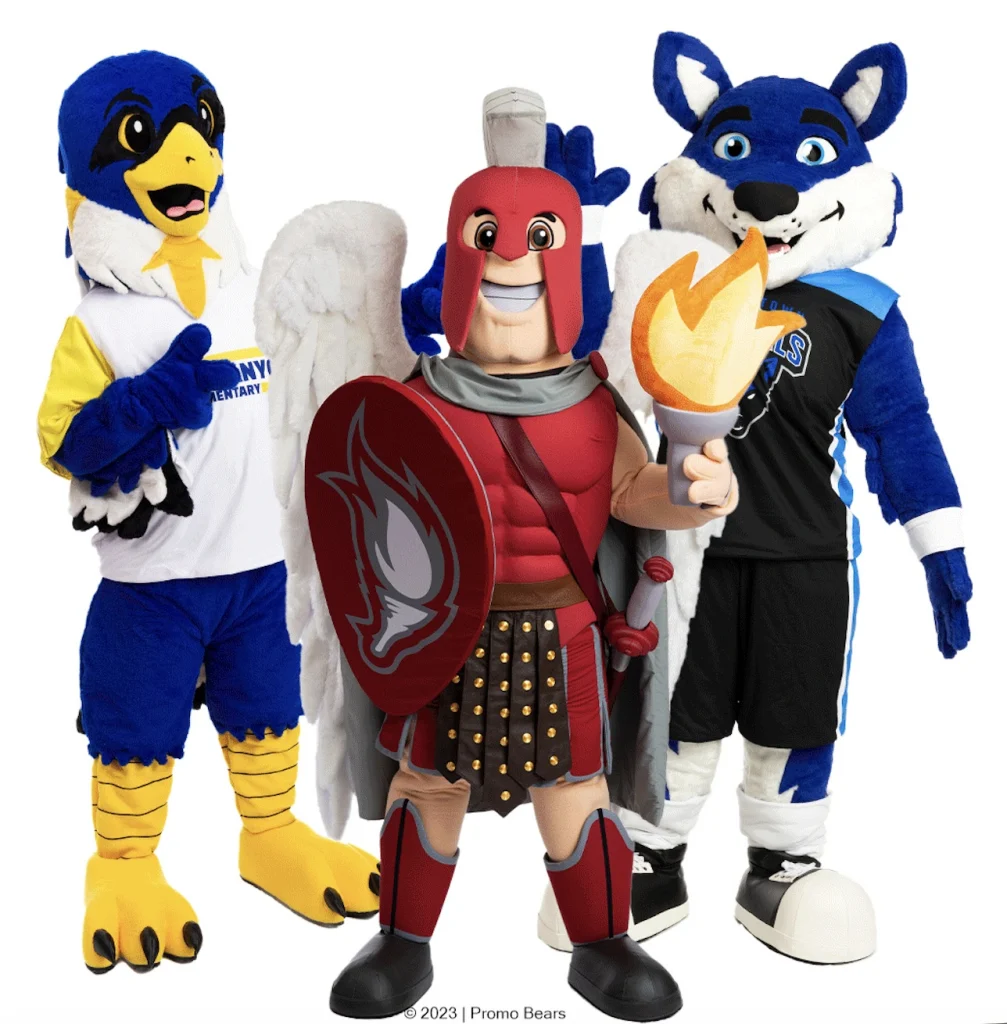
Mascot heads are most commonly made from a combination of foam and fiberglass, with a soft fabric exterior stretched over a shaped inner frame. The foam provides the lightweight, wearable structure, while fiberglass or a similar rigid material is used to reinforce specific areas that need to hold their shape under regular use. Understanding what goes into a mascot head helps you make smarter decisions when investing in a custom mascot costume for your brand or organization.
What materials are most commonly used inside a mascot head?
The interior of a mascot head is typically built from high-density foam, which is carved or molded into the desired shape. This foam forms the core structure of the head, creating the facial features, cheeks, snout, and overall silhouette. It is lightweight enough for a performer to wear comfortably for extended periods, yet firm enough to maintain its shape throughout an event.
In professionally made mascot heads, the foam interior often works alongside a lightweight internal frame or base that sits on the wearer’s head. This frame distributes the weight evenly and prevents the costume from slipping or shifting during use. Many high-quality mascot heads also incorporate an integrated ventilation system built directly into the interior, channeling airflow around the performer’s face to reduce heat buildup.
Here is what you will typically find inside a professionally built mascot head:
- High-density carved foam for facial structure and volume
- A rigid or semi-rigid inner frame to support the head and distribute weight
- A ventilation system to improve airflow and performer comfort
- Padding and lining materials for a comfortable, secure fit
- Mounting points or attachment systems for the eyes and other features
What is the outer shell of a mascot head made of?
The outer shell of a mascot head is most commonly made from short-pile or long-pile fur fabric, fleece, or a similar soft textile that is stretched and sewn over the foam interior. The fabric gives the mascot its color, texture, and finished appearance, and it is chosen based on the character design and the level of detail required.
For mascot heads that need a harder, more defined exterior, such as those with a smooth or sculpted look, the outer layer may include a fiberglass or plastic shell underneath the fabric. This rigid layer helps preserve sharp edges, defined jawlines, or structured features that foam alone cannot hold with precision.
The fabric used on the exterior is typically colorfast, meaning it is designed to resist fading even after repeated use and cleaning. Professional manufacturers will match fabric colors to specific PMS color standards to ensure the mascot accurately represents the client’s brand identity. The seams are carefully hidden or reinforced so the costume maintains a clean, polished look throughout its lifespan.
How are mascot eyes made and what are they made of?
Mascot eyes are typically made from a hard, clear plastic or acrylic material that is vacuum-formed or injection-molded into a dome shape. The eye is then painted or printed from the inside, which protects the finish from wear and gives the eye a deep, lifelike appearance. This technique creates the three-dimensional, realistic look that distinguishes a professional mascot from a basic costume.
The mesh or screen behind the eye serves a dual purpose. It allows the performer inside the costume to see out clearly while completely concealing their face from the outside. The mesh is usually dark colored so it blends into the pupil area and remains invisible to onlookers.
High-quality mascot eyes are designed to be expressive and engaging, which matters enormously when the mascot is interacting with fans, children, or event attendees. A well-crafted eye catches light naturally and gives the character a sense of life and personality that flat, printed eyes simply cannot replicate.
How much does a custom mascot head weigh?
A professionally made custom mascot head typically weighs between 3 and 6 pounds, depending on its size, the materials used, and the complexity of the design. Larger heads with more structural elements, such as horns, wide jaws, or extended features, will naturally weigh more than a compact, simple design.
Weight management is one of the most important considerations in professional mascot construction. A head that is too heavy becomes uncomfortable and unsafe for the performer, particularly during longer appearances at sporting events, school visits, or brand activations. Skilled manufacturers balance the need for structural integrity with the goal of keeping the overall weight as low as possible.
Foam is the primary material used to keep weight down, since it provides excellent volume and shape without adding significant mass. The ventilation system inside the head also contributes to comfort, helping performers stay cooler and more alert even when wearing a heavier costume for an extended period.
Are mascot heads easy to clean and maintain?
Yes, a well-made mascot head is designed to be cleaned and maintained without damaging the materials or construction. The exterior fabric can typically be spot-cleaned with a mild detergent and a soft cloth, and many professional mascots are built with removable liners or inner padding that can be washed separately on a regular basis.
Proper maintenance extends the lifespan of the costume significantly. After each use, performers should allow the head to air out fully before storing it, which prevents moisture buildup and reduces odor. Storing the head in a dedicated bag or case also protects the shape and the fabric from unnecessary wear.
For the hard acrylic eyes, a gentle wipe-down with a non-abrasive cloth keeps them clear and scratch-free. Avoid harsh chemical cleaners on any part of the mascot head, as these can degrade foam, fade fabric, or cloud the plastic eye surfaces over time. Every Promo Bears mascot costume ships with a care manual that walks you through exactly how to look after your specific costume.
What makes a professionally made mascot head different from a cheap one?
A professionally made mascot head stands apart from a cheap alternative in three critical areas: structural quality, performer comfort, and visual impact. Budget mascot heads are often made from low-density foam that compresses and loses its shape quickly, covered with fabric that fades or pills after limited use, and fitted with flat, printed eyes that look unconvincing up close.
Professional mascot heads, by contrast, are engineered to perform. The foam is carved with precision, the fabric is selected for durability and color accuracy, and the eyes are three-dimensional and lifelike. The interior is fitted with proper ventilation and padding so the performer can wear the costume safely and comfortably for hours at a time.
There is also a significant difference in how the two types of mascots represent a brand. A cheap mascot can undermine the professionalism and credibility of an organization, particularly for brands that invest heavily in their image. A high-quality mascot, on the other hand, becomes a powerful brand ambassador that generates genuine excitement, encourages social sharing, and creates lasting impressions with audiences.
The production process itself is another differentiator. Professional mascot manufacturers work from a detailed concept design, refine it through revisions, and conduct thorough quality checks before the costume ever ships. That level of oversight simply does not exist with low-cost costume suppliers.
How Promo Bears helps you get a mascot head built to last
We build every custom mascot costume from high-quality materials designed for real-world performance. With over 19 years of experience and more than 4,000 mascots created for organizations across the USA, Canada, and beyond, we know exactly what it takes to produce a mascot head that looks incredible, performs reliably, and represents your brand with confidence.
Here is what you get when you work with us:
- A free concept illustration based on your logo or design idea, with unlimited revisions
- Lifelike 3D acrylic eyes that catch light and engage audiences
- An integrated ventilation system for performer comfort during long appearances
- High-density foam construction covered in durable, colorfast fabric
- A dedicated project manager overseeing your project from first sketch to final delivery
- A thorough quality control review with result photos shared before shipping
- A care manual included with every order so your mascot stays in top condition
Custom mascot costumes are ready in 12 to 16 weeks, with rush options available for time-sensitive projects. If you are ready to bring your mascot to life with a head that is built to impress, get your free quote today and let our team show you what is possible.
Frequently Asked Questions
How long does a professionally made mascot head typically last?
A high-quality mascot head built from professional-grade materials can last anywhere from 3 to 10 years, depending on how frequently it is used and how well it is maintained. Mascots that appear at regular weekly events will naturally show more wear than those used a few times per year. Following a proper care routine — airing out after each use, spot-cleaning the fabric, and storing the head in a protective case — is the single biggest factor in maximizing its lifespan.
Can a mascot head be repaired if it gets damaged?
Yes, most professionally made mascot heads can be repaired, and many manufacturers offer repair services for costumes they have built. Common repairs include re-gluing foam sections, reattaching or replacing fabric panels, and swapping out scratched or cracked acrylic eyes. It is always worth contacting your original manufacturer first, since they will already have your design files, material records, and construction details on hand, making the repair process faster and more accurate.
What should I look for when reviewing a mascot head design concept before production begins?
Before approving a design concept, pay close attention to how the character’s key brand elements — colors, logo details, and facial expression — are translated into three dimensions. Make sure the eye placement looks natural and that the overall proportions feel right for the type of events where the mascot will appear. It is also worth confirming that the design accounts for performer visibility and ventilation, since a visually striking head that is uncomfortable or unsafe to wear will limit how effectively it can be used.
How do I know what size mascot head to order for my performer?
Professional mascot manufacturers will typically ask for the performer’s head circumference and overall height during the ordering process, using those measurements to size the internal frame and padding correctly. A well-fitted mascot head should sit securely on the performer’s head without wobbling or requiring them to hold it in place, while still leaving enough room for comfort and airflow. If multiple people will be wearing the same costume, it is best to build around the largest head size and use adjustable padding to accommodate smaller fits.
Is it possible to update or refresh an existing mascot head without replacing the entire costume?
In many cases, yes. If your mascot’s overall structure is still sound but the fabric has faded, the eyes have become scratched, or a minor design update is needed, a skilled manufacturer can re-cover the foam with new fabric, replace the acrylic eyes, or modify specific features without rebuilding the entire head from scratch. This can be a cost-effective option for organizations that want to modernize their mascot’s look while preserving the core construction. The feasibility depends on the condition of the existing foam and frame, so a professional assessment is recommended before committing to a refresh.
What is the best way to prepare a new performer to wear a mascot head safely?
New performers should start by practicing in the mascot head in a controlled, low-pressure environment before appearing at a public event. Key things to practice include adjusting to the limited field of vision through the eye mesh, moving at a slower and more deliberate pace, and recognizing early signs of overheating. It is also important to establish a clear communication system with a handler or spotter who can guide the performer through crowds, signal when it is time for a break, and assist with putting on and removing the head safely.
Can a mascot head be made to match specific Pantone or PMS brand colors exactly?
Yes, professional mascot manufacturers work with PMS color standards to ensure the fabric and painted elements of the mascot head align as closely as possible with your official brand colors. When placing your order, provide your exact PMS color codes so the manufacturer can source or dye fabrics to match. Keep in mind that fabric texture can affect how a color appears visually compared to a flat printed swatch, so reviewing physical fabric samples or pre-production photos is a good way to confirm the match before full production begins.