What Makes a Plush Toy High Quality?
Quality in a plush toy comes down to a handful of factors working together: the fabric, the stuffing, the stitching, and the finishing details. A high-quality stuffed animal feels dense and well-filled rather than lumpy or thin in places. The seams sit flat and even, with no loose threads pulling at the edges. Small components like eyes, embroidery, and any attached accessories are secured well enough to survive regular handling.
None of this happens by accident. It’s the result of consistent sourcing and a manufacturing process built around checking these details before a single unit ships.
Fabric and Material in High Quality Plush Toys
The fabric is what sets high quality plush toys apart. Higher-grade plush fabric has a denser pile, which gives the toy that soft, substantial feel that people associate with a well-made cuddly toy. Cheaper fabric tends to feel thin and flat, and it wears down faster with washing and handling.
Material safety matters just as much as feel. Reputable plush toy manufacturers use fabrics tested against recognized standards like OEKO-TEX Standard 100 [2], which screens textiles for harmful substances, and comply with ASTM F963 [1], the US safety standard covering material quality, small parts, and flammability. Asking a supplier which certifications their fabric and stuffing carry is a fast way to separate a serious manufacturer from one cutting corners.
Construction and Stitching of High Quality Plush Toys
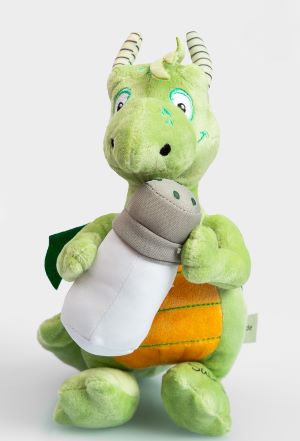
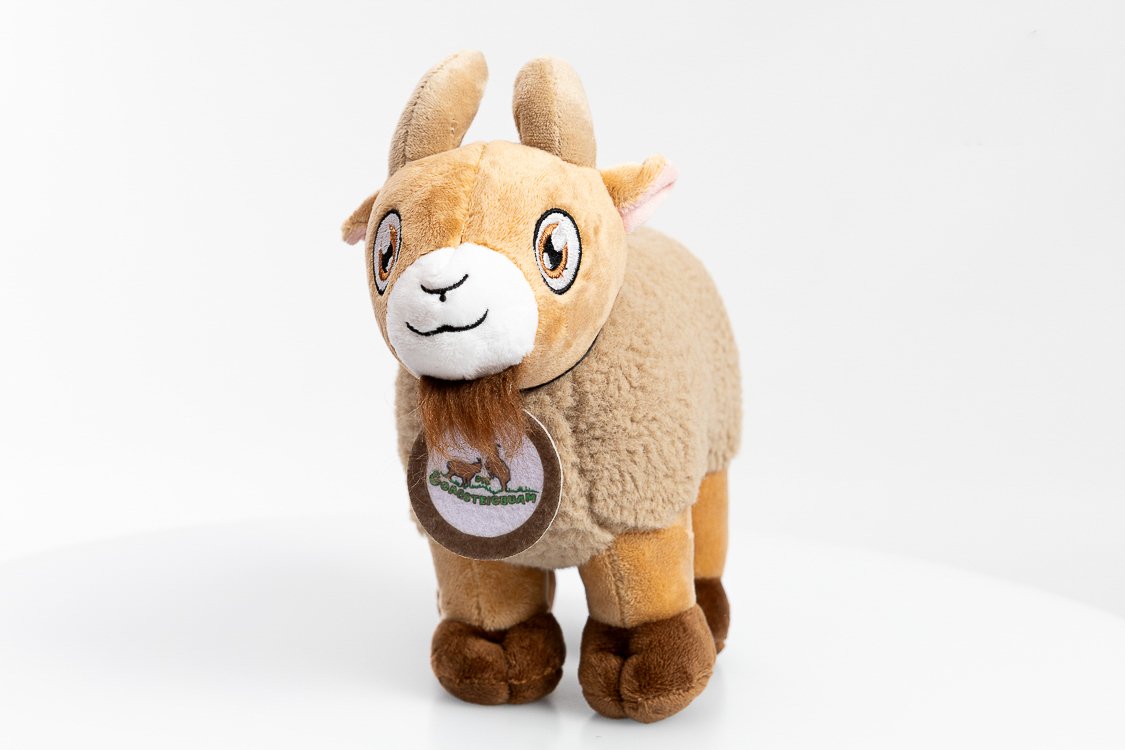
Construction is where quality either holds up over time or falls apart. High-quality stuffed animals use reinforced seams at stress points like limbs, ears, and any area a child or adult is likely to grab or pull. Stuffing should be distributed evenly by hand or machine so the toy keeps its shape instead of sagging in one spot.
Embroidered details, rather than printed ones, tend to last longer and hold color better through repeated washing. If your plush toy includes a logo, embroidery is generally the more durable choice for a product meant to represent your brand for years, not months.
Extraordinary Plush Toys vs. Standard Plush Toys
Standard plush toys are built to a reasonable, functional quality level. Extraordinary plush toys go a step further, with premium fabric weights, more detailed sculpting on the face and features, and tighter tolerances in the sewing pattern so the toy looks accurate to the original design rather than a rough approximation of it.
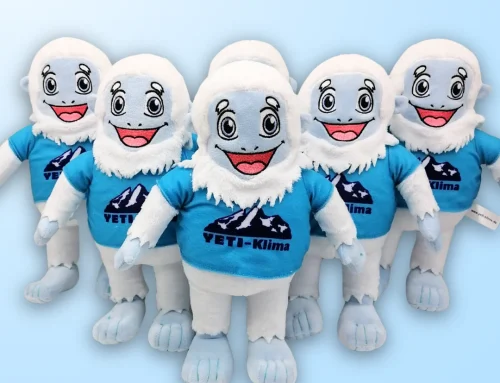
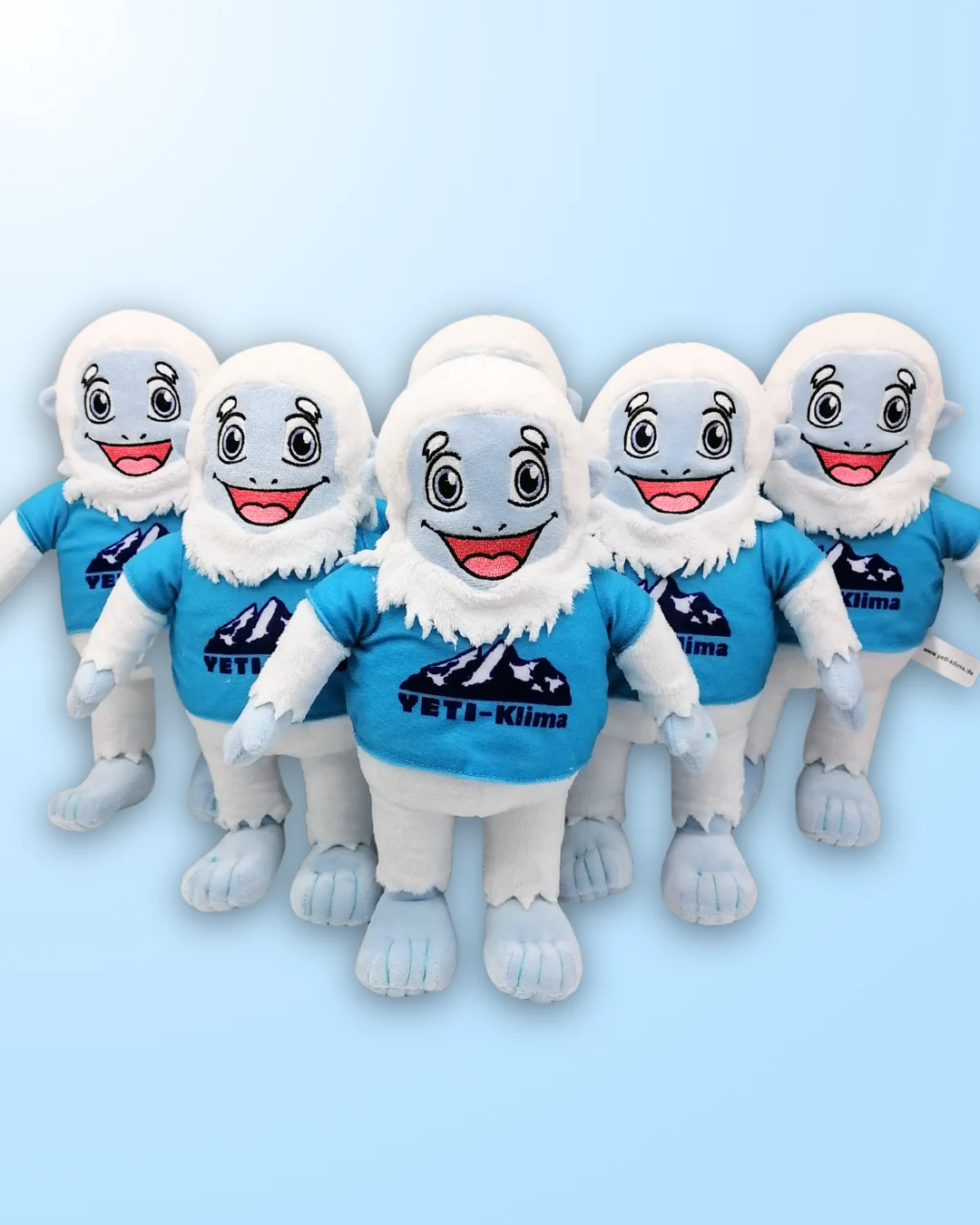
This distinction matters most for brand mascots, character-accurate merchandise, or any plush toy that needs to closely match a specific design, logo, or likeness. A standard plush toy might be perfectly fine for a simple giveaway. An extraordinary one is worth the investment when the toy is meant to represent your brand at a trade show, in retail, or as a signature piece of your merchandise line.
How Promo Bears Approaches High Quality Plush Toys
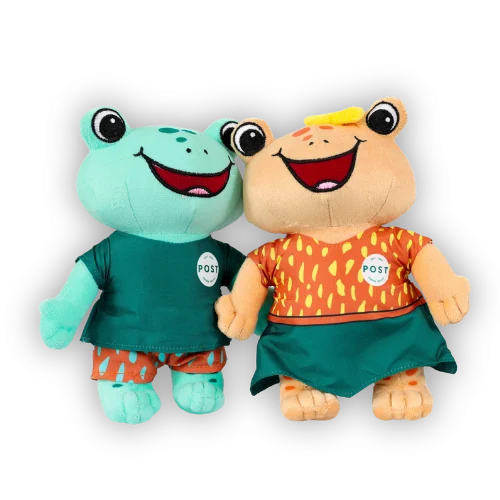
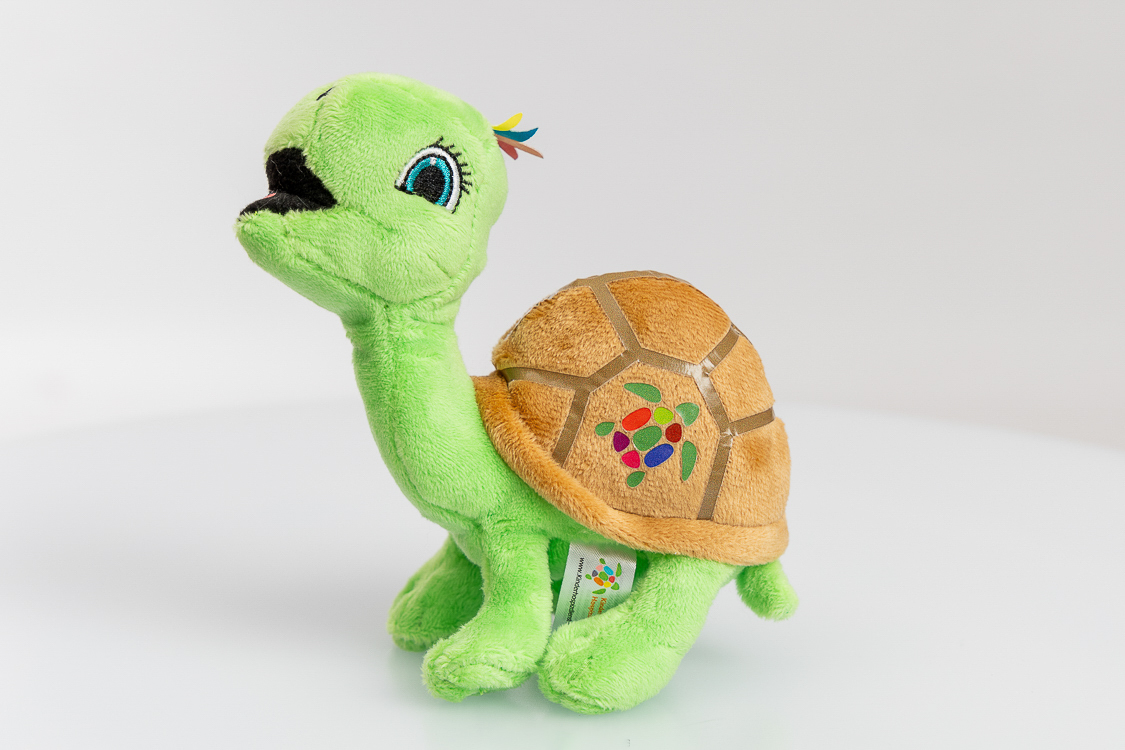
At Promo Bears, every custom plush toy goes through a sample approval step before full production begins. This gives you a chance to check fabric feel, stitching, stuffing density, and color accuracy on an actual physical sample, not just a rendering. Once that sample is approved, the same specifications apply across your full order.
Our production process supports a range of styles, from standard plush animals to more detailed, character-accurate designs. Whether you’re working on your first plush toy or refining an existing one, you can browse past projects in our plush toy gallery to see the level of detail we’re able to produce at scale. If you’re deciding between manufactured and handmade production methods, our guide on handmade vs. manufactured plush toys breaks down how each approach affects quality and consistency.
Frequently Asked Questions
Ready to See What High-Quality Plush Production Looks Like for Your Brand?
Request a quote for custom plush toys and we’ll walk you through materials, sampling, and timelines for your order.
References
- American Society for Testing and Materials. (2017). F963-17: Standard consumer safety specification for toy safety. ASTM International. https://store.astm.org/f0963-17.html
- U.S. Consumer Product Safety Commission. (n.d.). Toy safety business guidance. Retrieved July 16, 2026, from https://www.cpsc.gov/Business–Manufacturing/Business-Education/Toy-Safety