
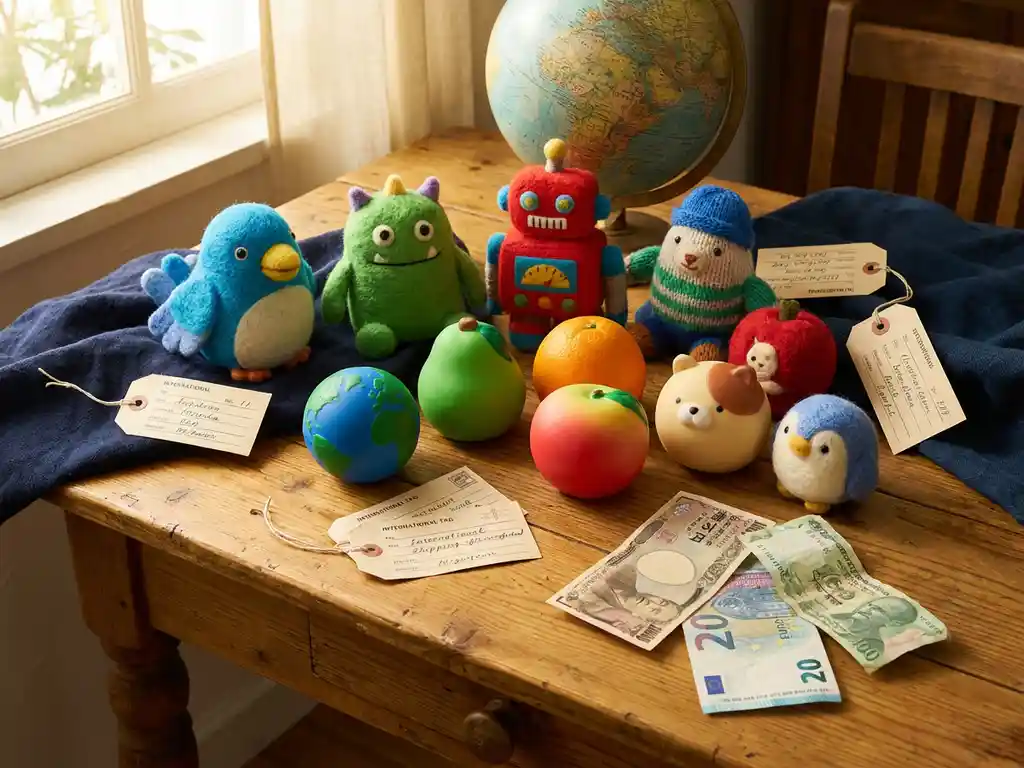
Promotional products have been a cornerstone of brand marketing for decades, and for good reason. A well-chosen item keeps your brand visible long after a trade show ends, a conference wraps up, or a campaign goes live. But as more organizations operate across borders, a natural question arises: can promotional products work just as effectively in Tokyo as they do in Toronto?
The short answer is yes, but doing it well requires more than simply shipping the same item to every country. From cultural sensitivity to logistics and supplier reliability, international promotional campaigns come with their own set of challenges and opportunities. This guide walks you through everything you need to know to make your promotional products strategy work on a global scale.
What are promotional products, and why do brands use them?
Promotional products are branded, physical items given to customers, prospects, or employees to increase brand awareness, drive engagement, or reward loyalty. They range from everyday items like pens and tote bags to highly customized merchandise such as plush toys, inflatables, and shaped stress balls. Their power lies in their tangibility—unlike a digital ad, a physical product stays in someone’s hands, home, or office for months or even years.
Brands invest in promotional products because they create a lasting, positive association with a company or cause. Every time someone uses a branded item, they are reminded of the organization behind it. This repeated exposure builds familiarity and trust, two of the most valuable assets any brand can own.
Beyond awareness, promotional products serve a practical function at events, trade shows, and product launches. They give sales teams a reason to start conversations, give attendees something memorable to take home, and give marketing managers a tangible way to measure campaign reach through distribution numbers and engagement data.
Can promotional products really work across international markets?
Yes, promotional products can work effectively across international markets when they are thoughtfully planned and locally adapted. The core psychology behind branded merchandise—people value useful, well-made gifts and associate positive feelings with the brands that give them—is universal. What changes is the execution: the item you choose, how it looks, and what it communicates may need to shift depending on the market.
Global brands routinely use promotional merchandise as part of their international marketing mix precisely because physical products transcend language barriers. A well-crafted item communicates quality and care without needing a single word of copy. That makes them particularly effective in multilingual or multicultural campaigns where a single message needs to land with diverse audiences.
The key is treating each market as distinct rather than assuming a one-size-fits-all approach. Organizations that invest time in understanding local preferences, cultural norms, and practical needs consistently see better results from their international promotional campaigns than those that simply replicate a domestic strategy abroad.
What types of promotional products travel best across borders?
The promotional products that work best across international markets are those that are universally useful, culturally neutral, and high enough in quality to reflect well on the brand. Items tied to everyday habits—stress relief, hydration, organization, play—tend to resonate across cultures without requiring significant adaptation.
Some of the strongest performers in cross-border campaigns include:
- Custom stress balls and tactile items — universally appealing, easy to ship, and endlessly customizable in shape and color to reflect any brand identity
- Plush toys and mascot merchandise — particularly effective for brands targeting families, sports fans, or education sectors, and they create strong emotional connections regardless of language
- Branded apparel — works well when sizing conventions are accounted for in each market
- Reusable bags and eco-friendly items — increasingly valued across markets where sustainability is a consumer priority
- Custom inflatables and display items — ideal for events and retail environments where visual impact is the goal
Items that are highly text-dependent or tied to very specific cultural references tend to travel less well. The simpler and more visual the branding, the more versatile the product becomes across different languages and markets.
How do you adapt promotional products for different cultures?
Adapting promotional products for different cultures means considering color symbolism, local customs, practical preferences, and any cultural sensitivities around specific objects or imagery. What feels like a thoughtful gift in one country can inadvertently carry negative connotations in another, so doing your research before production is essential.
Color and symbolism
Color carries different meanings across cultures. White, for example, is associated with purity and celebration in many Western markets but is linked to mourning in parts of East Asia. Red signals luck and prosperity in China but can mean danger or urgency in other contexts. Before finalizing colors for an international campaign, review what those choices communicate in each target market.
Practicality and local relevance
Consider what is actually useful in each market. Climate, lifestyle, and daily habits vary significantly. A branded cooling towel makes perfect sense for a campaign in the Middle East or Southeast Asia but may feel out of place in Scandinavia. The more relevant the item is to someone’s daily life, the more likely they are to keep and use it, which is where the real brand value lies.
Language and text on products
If your promotional product includes any text beyond a logo, ensure it is translated and reviewed by a native speaker in each target market. Poorly translated copy or accidental misspellings in a local language can undermine an otherwise strong campaign. When possible, lean on visual branding rather than text to keep products versatile across multiple markets simultaneously.
Who should manage a global promotional products campaign?
A global promotional products campaign should be managed by a central brand or marketing team working in close coordination with local market representatives and a single, capable supplier who can deliver consistent quality across regions. Fragmented management, where each market sources its own products independently, leads to inconsistency in quality, branding, and messaging.
The most successful international campaigns assign a dedicated project lead who owns the brief, the timeline, and the supplier relationship from end to end. This person ensures that brand standards are maintained across every market while allowing enough flexibility for local adaptation where it genuinely adds value.
Here is a simple framework for structuring international campaign management:
- Define the global brief — establish the core brand message, approved color palette, logo usage rules, and campaign objectives before any local input begins
- Identify local requirements — gather input from regional teams on cultural considerations, event dates, and distribution logistics
- Select a single supplier — choose a partner who can produce and ship consistently across your target markets, reducing the risk of quality variation
- Approve a prototype or concept illustration — ensure every market signs off on the design before production begins
- Coordinate delivery timelines — account for customs clearance, local holidays, and lead times, which can vary significantly by region
Building this structure at the start of a campaign saves significant time, cost, and frustration later, particularly when managing multiple product types across several countries simultaneously.
What should you look for in a supplier for international promotional products?
When sourcing a supplier for international promotional products, look for proven global shipping capability, consistent production quality, transparent pricing from the start, and a dedicated point of contact who manages your project from concept to delivery. A supplier who can handle complex, custom briefs across multiple product types is far more valuable than a low-cost vendor who only handles standard items.
Key qualities to evaluate include:
- Experience working with clients across multiple countries and shipping to diverse regions
- The ability to provide a free concept illustration before any financial commitment
- A clear and realistic production timeline communicated upfront
- A dedicated project manager rather than a generic customer service team
- Strong references or a portfolio of work from recognized brands
Transparency is non-negotiable. A reliable supplier gives you a fixed quote based on your specific design, not a vague estimate that shifts after production begins. This is especially important for international campaigns where budget approval often requires detailed cost breakdowns well in advance.
How Promo Bears helps with international promotional products campaigns
We work with marketing teams, brand directors, and event managers across the USA, Canada, Europe, Australia, and the Middle East to deliver fully custom promotional products that perform on a global stage. With over 19 years of experience and more than 4,000 custom projects completed for brands like NASA, Bridgestone, Amazon, and Walmart, we know what it takes to deliver consistent quality across borders.
Our custom stress balls are a perfect example of how we approach international campaigns. Unlike standard suppliers that offer basic shapes with a single-color print, we produce fully custom shapes based on your own design or concept, with PMS color matching and full-color print options available. Every unit is precision-molded from durable PU foam to capture fine details and vibrant colors that make your brand impossible to miss, whether the item ends up in an office in New York or at a trade show in Dubai.
Here is what you get when you work with us on a promotional products campaign:
- A free concept illustration to start, with unlimited revisions until the design is exactly right
- A dedicated project manager who guides your order from design approval to worldwide delivery
- Transparent, fixed pricing based on your exclusive design, not vague estimates
- Custom stress ball production completed in 10 to 12 weeks after design approval, with rush options available
- Worldwide shipping to clients across all major markets
Ready to take your brand global with promotional products that genuinely stand out? Contact us and let our team bring your concept to life.