
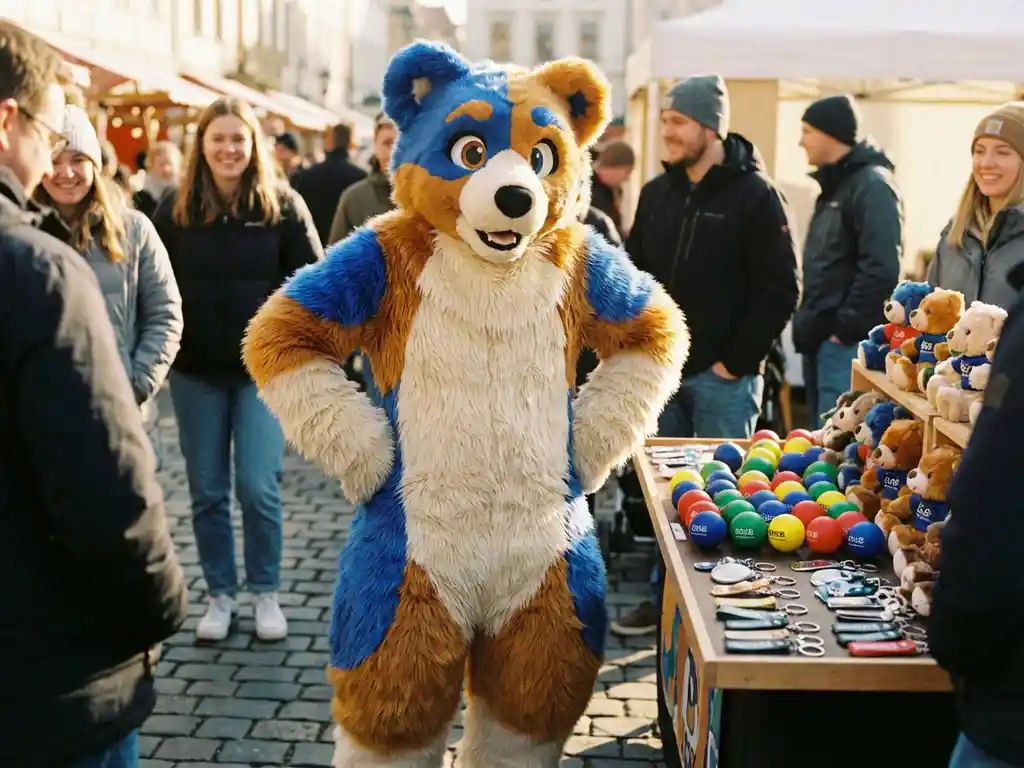
Promotional products have been a staple of brand marketing for decades, and for good reason. When done right, a well-chosen branded item can keep your organization top of mind long after a trade show ends, a campaign wraps up, or a customer walks out the door. But do they actually move the needle on brand recognition? The short answer is yes—and the reasoning behind it is worth understanding before you invest.
Whether you are a marketing manager planning your next event or a brand director looking to stretch your budget further, this article breaks down the most common questions about promotional products and brand recognition. You will get direct, practical answers to help you make smarter decisions about your next campaign.
Can promotional products really increase brand recognition?
Yes, promotional products genuinely increase brand recognition. Unlike a digital ad that disappears after a few seconds, a physical branded item stays in a person’s environment—on their desk, in their bag, or in their hand—creating repeated impressions over time. The more often someone interacts with your brand, the more familiar and trustworthy it becomes.
The key mechanism here is frequency. Brand recognition builds through repeated exposure, and promotional products deliver that exposure passively. Every time someone uses a branded item, they see your logo, your colors, and your name without any additional spend on your part. That ongoing visibility is something digital advertising simply cannot replicate at the same cost per impression.
There is also a psychological dimension. Receiving a physical gift—even a small one—creates a sense of goodwill toward the giver. That positive association transfers to the brand itself, making recipients more likely to remember and recommend it. It is one of the reasons promotional products remain a trusted tool for organizations ranging from local sports teams to global corporations.
What types of promotional products work best for brand awareness?
The promotional products that work best for brand awareness are those that get used regularly in visible settings. Items with high daily utility—such as bags, drinkware, stationery, and tactile desk items—generate the most repeated impressions because they become part of a person’s routine.
Here are the product categories that consistently deliver strong brand visibility:
- Desk and office items — stress balls, pens, and notepads sit in a person’s eyeline for hours every day
- Wearables — branded clothing and caps turn recipients into walking brand ambassadors
- Drinkware — reusable bottles and mugs travel with people to meetings, gyms, and public spaces
- Bags and totes — offer high visibility in public environments and get reused repeatedly
- Tech accessories — phone stands, charging cables, and earbuds are used daily across multiple settings
Beyond utility, shape and customization matter enormously. A product that reflects your brand’s personality—through a unique form, a precise color match, or a design that mirrors your mascot or logo—stands out far more than a generic item with a printed logo. The more distinctive the product, the more memorable the brand impression it creates.
How do promotional products compare to digital advertising for brand recognition?
Promotional products and digital advertising serve brand recognition in fundamentally different ways. Digital ads offer broad reach and precise targeting but deliver fleeting impressions that disappear the moment a user scrolls past. Promotional products offer a narrower but far more durable form of exposure—a single item can generate hundreds of impressions over its lifetime without any additional cost.
Longevity vs. immediacy
Digital advertising is built for speed. You can reach thousands of people within hours, and platforms give you detailed data on who saw your ad and when. However, the moment your budget stops, so does the visibility. Promotional products work in the opposite direction—they require upfront investment but continue delivering value long after distribution.
Emotional connection vs. passive exposure
One area where promotional products clearly outperform digital formats is emotional resonance. Receiving a physical item activates a sense of reciprocity and appreciation that a banner ad simply cannot replicate. That emotional connection strengthens brand recall in a way that passive digital exposure rarely achieves. For B2B brands in particular, a well-chosen branded gift can reinforce a relationship and keep your organization memorable between touchpoints.
The smartest approach is to treat the two channels as complementary rather than competing. Use digital advertising for reach and retargeting, and use promotional products to deepen connections at events, in sales conversations, and during onboarding.
What makes a promotional product memorable and effective?
A promotional product is memorable and effective when it is useful, distinctive, and aligned with the brand it represents. Usefulness drives repeated interaction, distinctiveness creates visual recall, and brand alignment ensures the item reinforces the right associations every time it is seen or touched.
Effectiveness comes down to a few core principles:
- Relevance to the recipient — the item should fit the lifestyle or work context of the person receiving it
- Quality of production — a poorly made item reflects badly on the brand; quality signals professionalism and care
- Visual distinctiveness — unique shapes, precise color matching, and branded design details make items stand out from generic alternatives
- Practical utility — items that solve a small everyday problem get used more often, generating more impressions
- Emotional resonance — products tied to a campaign theme, a mascot, or a brand story create a stronger connection than a logo-stamped commodity
The products that get kept and used are the ones that feel intentional. When a recipient senses that thought went into the design and production of an item, it elevates their perception of the brand behind it. That is why fully custom products consistently outperform off-the-shelf alternatives with a printed logo.
Who should invest in promotional products for brand recognition?
Any organization that needs to build or maintain brand recognition with a specific audience should consider investing in promotional products. This includes companies running event-based marketing, sports teams building fan loyalty, universities engaging students and alumni, nonprofits raising awareness, and corporate brands strengthening client and employee relationships.
Promotional products are particularly valuable for organizations that:
- Attend trade shows, conferences, or community events where standing out matters
- Have a recurring touchpoint with customers, fans, or members that benefits from a physical brand reminder
- Want to reward loyalty and create a sense of belonging among their audience
- Are launching a new brand, product, or campaign and need to accelerate recognition
For B2B organizations specifically, promotional products serve a dual purpose. They reinforce brand identity externally while also strengthening internal culture when used for employee engagement. Marketing managers and brand directors who are accountable for ROI on brand investment will find that well-executed promotional products deliver measurable, lasting value compared to many short-lived digital placements.
How do you measure the impact of promotional products on brand recognition?
You measure the impact of promotional products on brand recognition by tracking a combination of direct and indirect indicators before and after distribution. Because promotional products work over time rather than in real time, measurement requires a slightly longer view than digital campaign reporting.
Direct measurement approaches
The most straightforward method is brand recall surveys. Asking your target audience whether they recognize your brand, logo, or name before and after a promotional product campaign gives you a clear baseline comparison. You can also track unprompted mentions of your brand in customer conversations, reviews, or social media posts following a distribution event.
Indirect indicators
Indirect signals include increases in website traffic, social media followers, or inbound inquiries following events where promotional products were distributed. If you distribute items at a trade show and see a spike in branded search queries or contact form submissions in the following weeks, that is a reasonable indicator of increased recognition. Tracking the redemption of campaign-specific offers or QR codes printed on products also gives you a direct-response signal tied to physical distribution.
The most reliable approach is to treat promotional products as one layer within a broader brand measurement framework, looking at how recognition metrics shift over a campaign cycle rather than expecting immediate attribution.
How Promo Bears helps with brand recognition through promotional products
We specialize in creating fully custom promotional products that do far more than carry a logo. Every item we produce is built from scratch around your brand—from the shape and color to the finest design details—so that your audience receives something genuinely distinctive and worth keeping.
Our custom stress balls are a great example of how a simple promotional product can become a powerful brand tool. Unlike standard suppliers who offer basic shapes with a one-color print, we produce fully custom shapes modeled on your logo, mascot, or product concept. Built from durable PU foam with precise PMS color matching, these items sit on desks and travel in bags—generating daily brand impressions for months or even years after distribution. Here is what sets our approach apart:
- Free concept artwork with unlimited revisions before production begins
- 100% custom shapes based on your own design or idea
- Physical prototype approval available before bulk production
- Production time of 10 to 12 weeks after design approval, with rush options available
- A dedicated project manager guiding your order from concept to delivery
- Worldwide shipping to clients across the USA, Canada, Europe, Australia, and beyond
With over 19 years of experience and more than 4,000 custom projects delivered for organizations including NASA, Walmart, and Red Bull, we know what it takes to create promotional products that genuinely build brand recognition. Ready to get started? Contact us and let us turn your brand into something people will remember.