
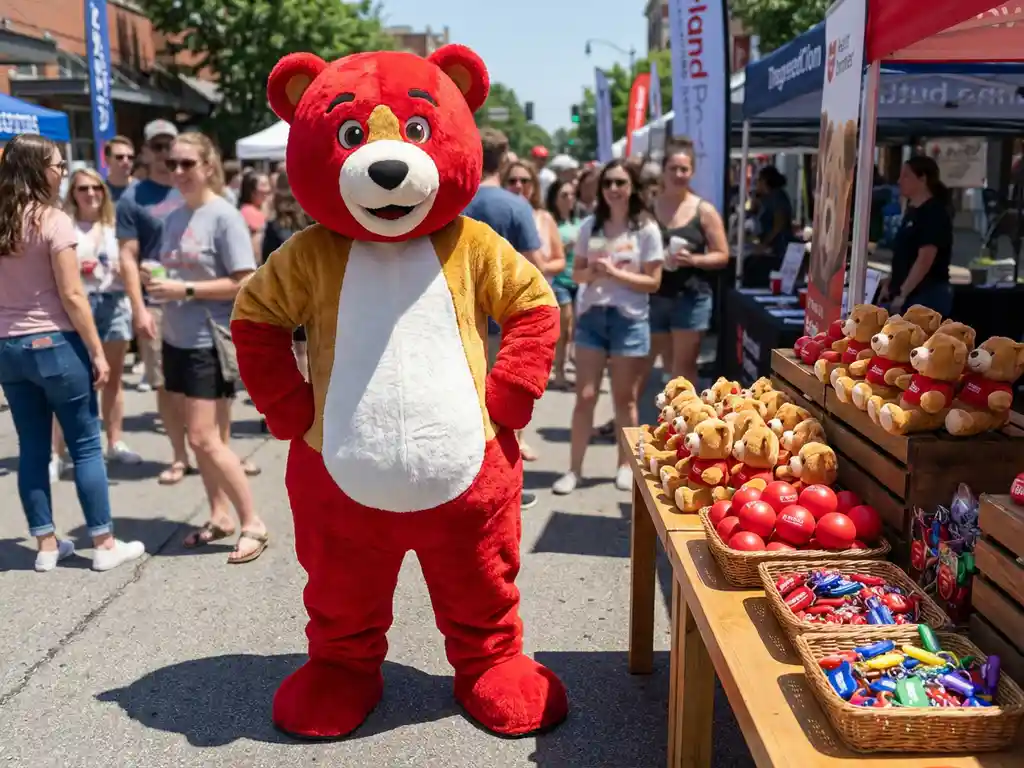
Promotional products have been a cornerstone of brand marketing for decades—and for good reason. When done right, a well-chosen promotional item can turn a casual interaction into a lasting brand impression. But not all promotional products are created equal, and understanding what separates the forgettable from the truly effective is key to making smart marketing investments.
Whether you are planning a trade show giveaway, a corporate gifting campaign, or a long-term brand awareness push, the questions below will guide you through everything you need to know about making promotional products work harder for your brand.
What are the most effective types of promotional products?
The most effective promotional products are items that people use regularly, keep for a long time, and associate positively with your brand. Utility drives retention. Products like custom stress balls, branded apparel, reusable bags, and drinkware consistently outperform generic giveaways because they earn a permanent place in someone’s daily routine.
Beyond utility, the best promotional products share a few common traits. They are relevant to the audience, memorable in design, and reflective of the brand’s identity. A product that feels generic or disconnected from the brand it represents does little to build recognition.
Consider the context in which your product will be received. A trade show audience responds well to tactile, portable items. A corporate client base may appreciate something more premium. The format matters as much as the function.
How does a promotional product boost brand recognition?
A promotional product boosts brand recognition by creating repeated, physical exposure to your brand outside traditional advertising channels. Every time someone uses or sees the item, your logo, colors, and messaging are reinforced without any additional spend on your part.
This is the power of what marketers call “passive advertising.” Unlike a digital ad that disappears after a scroll, a well-made promotional item stays in someone’s environment, whether on their desk, in their bag, or in their home. That sustained visibility builds familiarity, and familiarity builds trust.
There is also a social dimension to consider. When someone receives a thoughtful, high-quality promotional product, they are more likely to share it, display it, or mention it to others. This organic word-of-mouth effect extends your brand’s reach far beyond the original recipient.
What’s the difference between cheap and high-quality promotional products?
The key difference between cheap and high-quality promotional products is longevity and perception. Cheap products break quickly, fade, or feel disposable, and when they do, they take your brand impression down with them. High-quality products last, perform well, and reflect positively on the brand behind them.
This distinction goes deeper than just materials. High-quality promotional products are:
- Crafted with attention to detail, including accurate color matching and fine finishing
- Designed to reflect the brand’s identity, not just carry a logo
- Built to be used repeatedly, extending the lifespan of the brand impression
- Memorable enough to be kept rather than discarded
From a brand perception standpoint, the product you give away signals the standards your company upholds. A flimsy, poorly printed item communicates carelessness. A thoughtfully produced, durable item communicates professionalism and pride. For B2B brands in particular, where trust and credibility are everything, this distinction is critical.
How do you choose the right promotional product for your brand?
Choosing the right promotional product starts with understanding your audience, your campaign goal, and the context in which the product will be received. The best choice aligns all three, delivering something that feels intentional rather than generic.
Follow these steps to make a confident decision:
- Define your goal. Are you building brand awareness, rewarding loyalty, or driving engagement at an event? Your goal shapes the product type.
- Know your audience. Consider age, profession, lifestyle, and what they would genuinely find useful or enjoyable.
- Match the product to the brand. Choose something that reflects your brand’s personality and values, not just something with your logo on it.
- Consider the setting. A product distributed at a wellness event calls for something different than one handed out at a tech conference.
- Set a realistic budget. Higher quality often means a higher unit cost, but fewer, better items outperform large quantities of forgettable ones.
- Work with a partner who offers custom design. Off-the-shelf products rarely create the same impact as something built around your specific brand identity.
The process of choosing a promotional product is also an opportunity to think creatively. The brands that stand out are the ones willing to go beyond the obvious and invest in something that genuinely surprises and delights their audience.
How can you measure the ROI of a promotional product campaign?
You can measure the ROI of a promotional product campaign by tracking brand recall, engagement rates, lead generation, and customer retention in the period following distribution. While promotional products do not always produce instant, trackable conversions like digital ads, their impact shows up in measurable ways when you know where to look.
Practical ways to measure promotional product ROI include:
- Surveying recipients to measure brand recall and sentiment before and after distribution
- Tracking website traffic or social mentions following an event where products were distributed
- Monitoring lead quality from trade shows where branded items were used as engagement tools
- Measuring repeat purchase rates or customer retention among recipients versus non-recipients
It is also worth factoring in the cost per impression. A promotional product that stays in use for months delivers ongoing brand exposure at a fraction of the cost of a comparable digital or print campaign. When you calculate the total number of impressions over a product’s lifespan, the value becomes much clearer.
The most honest way to evaluate ROI is to set clear objectives before the campaign begins. Decide in advance what success looks like, whether that is increased booth traffic, improved brand recall, or a measurable uptick in inquiries. That clarity makes post-campaign measurement far more meaningful.
How Promo Bears helps you create promotional products that actually work
We specialize in custom promotional products built around your brand, not the other way around. From mascot costumes to custom merchandise, everything we produce starts with your design and ends with a product that makes a lasting impression.
Our custom stress balls are a great example of how we approach promotional products differently:
- Fully custom shapes based on your own design or concept, including logos, mascots, and product replicas
- PMS color matching available for precise brand consistency
- Made from durable, high-quality PU foam with fine-detail molding
- Free concept artwork and unlimited revisions before production begins
- A dedicated project manager from design through delivery
- Production time of 10 to 12 weeks after design approval, with rush options available
With over 19 years of experience and more than 4,000 custom projects delivered to brands like NASA, Amazon, and Nestlé, we know what it takes to produce promotional products that genuinely move the needle. If you are ready to create something your audience will actually keep, we would love to help.
Contact us and let us show you what a truly custom promotional product can do for your brand.