
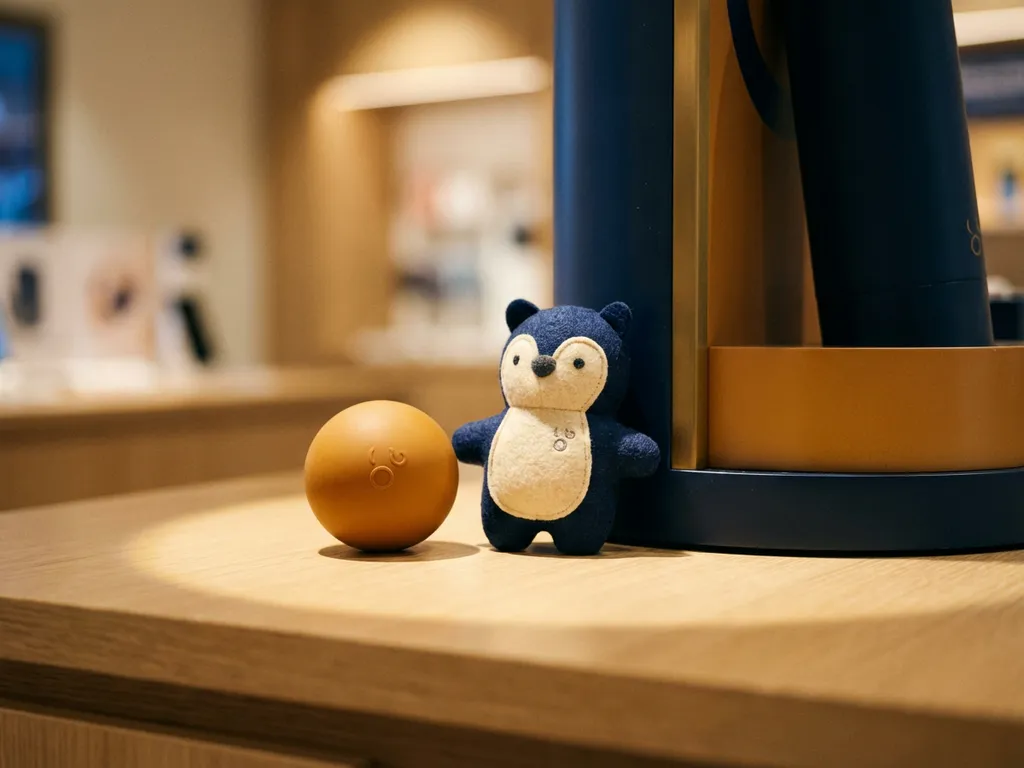
Smaller brands often feel like they are playing a completely different game when competing against companies with massive marketing budgets. But here’s the thing: brand visibility isn’t just about how much you spend. It’s about how memorable you make your brand at every touchpoint. Promotional products give smaller brands a surprisingly powerful way to punch above their weight, creating lasting impressions that digital ads simply can’t replicate.
Whether you’re a local business, a growing startup, or a niche brand trying to carve out space in a crowded market, the right promotional strategy can level the playing field in ways that are both practical and measurable. This guide answers the most important questions smaller brands ask about using promotional products to compete more intelligently.
Why do promotional products give smaller brands a competitive edge?
Promotional products give smaller brands a competitive edge because they create physical, lasting brand impressions at a fraction of the cost of traditional advertising. Unlike a digital ad that disappears when the budget runs out, a well-designed promotional item stays in someone’s hands, on their desk, or in their bag for months—or even years.
Big brands rely on scale and media spend to stay visible. Smaller brands can compete by going deeper rather than wider. A branded item handed to the right person at the right moment creates a personal connection that no billboard or banner ad can match. It’s tangible proof that your brand exists in the real world.
Another advantage is relatability. Smaller brands can be more creative, more personal, and more targeted with their promotional choices. Instead of a generic giveaway, you can offer something that perfectly reflects your brand personality and speaks directly to your audience.
What types of promotional products work best for brand awareness?
The most effective promotional products for brand awareness are items that people use repeatedly in visible settings. The more often someone interacts with your branded item, the more your brand stays top of mind for them and everyone around them.
Some of the strongest performers for smaller brands include:
- Custom stress balls — tactile, memorable, and kept on desks where colleagues and visitors see them daily
- Branded tote bags — highly visible in public spaces and reused frequently
- Keychains and lanyards — carried everywhere, every day
- Stickers and patches — popular with younger audiences and easy to distribute at events
- Plush toys and mascot merchandise — emotionally engaging and highly shareable on social media
The key is choosing products that align with your brand identity and your audience’s lifestyle. A wellness brand might invest in stress-relief items. A sports team might go for fan merchandise. Relevance drives recall.
How do promotional products compare to digital advertising for small brands?
Promotional products and digital advertising serve different but complementary roles. Digital ads are excellent for reach and targeting, but they’re fleeting. Promotional products are slower to distribute but create a physical, lasting connection that builds brand familiarity over time.
For smaller brands with limited budgets, promotional products often deliver stronger long-term value per dollar spent. A digital ad impression lasts a fraction of a second. A branded item can generate repeated impressions every time it’s used—sometimes over the course of years.
Digital advertising also suffers from increasing competition and rising costs per click. Promotional products, by contrast, face no algorithm changes, no ad fatigue, and no bidding wars. Once your item is in someone’s hands, it keeps working without any ongoing spend.
The smartest approach for smaller brands is to use both. Run targeted digital campaigns to drive awareness, and back them up with promotional products that reinforce your message in the physical world. The combination creates multiple touchpoints that compound over time.
How can a small brand use a mascot to stand out from competitors?
A mascot gives a small brand an instantly recognizable face that competitors without one simply can’t replicate. It transforms an abstract brand identity into a character that people remember, relate to, and talk about. For smaller brands, this kind of distinctive visual identity can be a genuine differentiator.
Mascots work especially well because they carry emotional weight. People connect with characters in a way they never connect with logos or taglines. A well-designed mascot becomes the face of your brand at events, on merchandise, in social media content, and across every customer touchpoint.
Turning your mascot into merchandise
One of the most effective strategies is extending your mascot into physical products. Mascot-branded stress balls, plush toys, keychains, and stickers turn your character into something people can hold, display, and share. This creates a ripple effect where your brand travels further than your marketing budget alone could take it.
Using a mascot at events and activations
A mascot costume at a trade show, community event, or brand activation draws attention in a way that a standard booth simply doesn’t. People stop, take photos, and share those moments online. For a smaller brand, that organic social reach is invaluable and often impossible to buy directly.
What should smaller brands look for in a promotional products partner?
Smaller brands should look for a promotional products partner that offers transparent pricing, creative capability, and end-to-end support from design to delivery. The right partner should feel like an extension of your team, not just a vendor fulfilling an order.
Here’s what to prioritize when evaluating partners:
- Free concept artwork upfront — you should be able to see what your product will look like before committing any budget
- Unlimited design revisions — your partner should refine the design until it’s exactly right
- A dedicated project manager — one point of contact who understands your brief and keeps your project on track
- Transparent production timelines — for fully custom items, expect 10 to 12 weeks after design approval, and confirm whether rush options are available
- Quality guarantees and prototype approval — especially for custom-shaped items, approving a physical prototype before bulk production protects your investment
Smaller brands can’t afford costly mistakes or vague estimates. A trustworthy partner gives you a fixed quote based on your exclusive design before production begins.
How do you measure the ROI of promotional products for a small brand?
The ROI of promotional products can be measured by tracking brand recall, customer engagement, lead generation at events, and repeat purchase behavior among recipients. While it requires some intentionality, smaller brands can absolutely connect promotional product investments to real business outcomes.
Start by defining what success looks like before distributing your products. Are you trying to increase foot traffic at a trade show booth? Drive sign-ups to a mailing list? Improve customer retention? Each goal requires a different measurement approach.
Some practical ways to track ROI include asking new customers how they first heard about your brand, using unique discount codes on promotional items, and monitoring social media mentions after events where you distributed branded merchandise. Over time, patterns will emerge that help you refine your strategy and invest in the products that deliver the most impact.
The longer a promotional item stays in use, the better the return. Products that people keep and use regularly, like a branded stress ball on a desk or a plush mascot on a shelf, continue generating brand impressions long after the initial investment.
How Promo Bears helps smaller brands compete with promotional products
We work with brands of all sizes, and we know exactly what smaller brands need: creative quality, transparent pricing, and a partner who handles everything from the first sketch to final delivery. Our custom stress balls are a perfect example of how a single well-designed product can deliver outsized brand impact.
Unlike standard suppliers who offer generic shapes with a one-color print, we create fully custom stress balls built entirely around your design. Every detail matters to us:
- 100% custom shapes based on your logo, mascot, or product concept
- Precise PMS color matching to keep your brand identity consistent
- Free concept artwork and unlimited revisions before production begins
- Physical prototype approval before your bulk order is confirmed
- A dedicated project manager guiding your order from design to delivery
- Worldwide shipping with a production timeline of 10 to 12 weeks after design approval
From stress balls to mascot costumes to plush toys, we offer a full range of promotional products that help smaller brands show up with the same confidence as the biggest names in their industry. Ready to get started? Request a free quote today and let us show you what your brand can look like in three dimensions.