
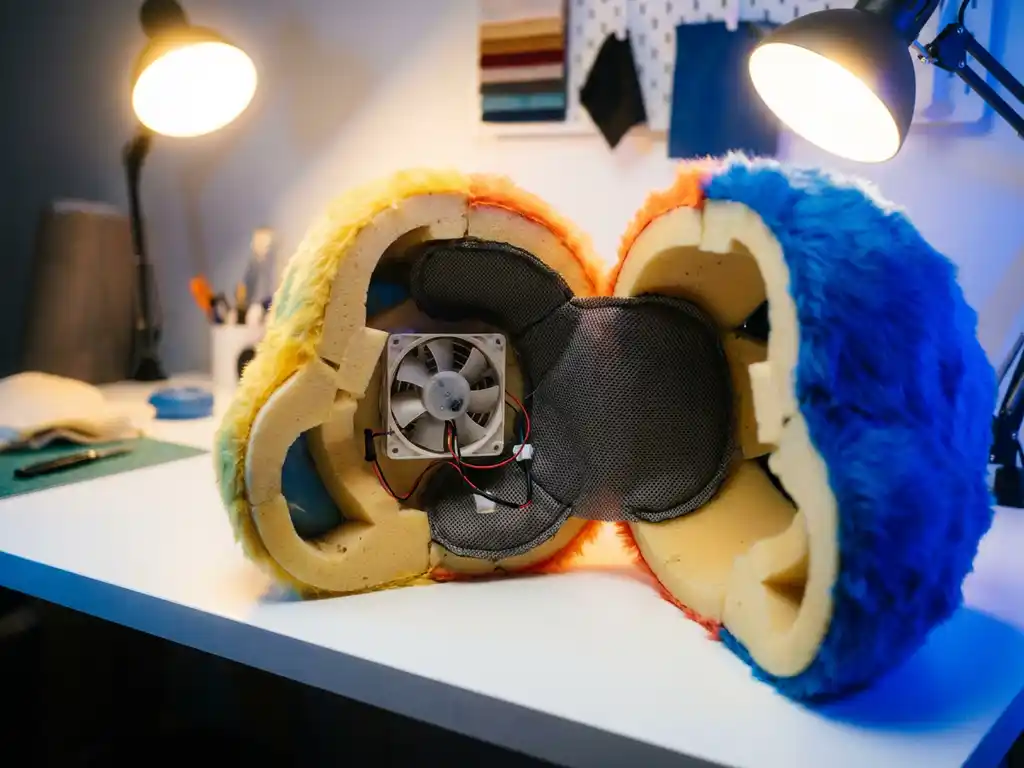
Yes, most professional mascot costumes do have fans built into them. A small battery-powered fan is typically integrated into the mascot head to pull in fresh air and push out heat, keeping the performer cooler and more comfortable during wear. This built-in ventilation is a standard feature in high-quality custom mascot costumes, and it makes a significant difference in how long someone can safely perform. Below, we break down exactly how these systems work and what else affects comfort inside a mascot suit.
How do performers stay cool inside a mascot costume?
Performers stay cool inside a mascot costume primarily through a combination of built-in fan ventilation, breathable interior lining, and scheduled rest breaks. The fan system circulates air through the head, while moisture-wicking fabrics help manage sweat against the skin. These features work together to reduce heat buildup during active performances.
Heat management is one of the most important engineering challenges in mascot costume design. The exterior of a mascot is typically made from dense foam and fur materials that trap warmth, so the interior needs to compensate. Quality mascot costumes address this with a layered approach: a ventilation fan handles airflow, a soft interior lining moves moisture away from the body, and strategically placed openings in the costume allow passive air exchange through the body and limbs.
Performers also play an active role in staying cool. Wearing moisture-wicking athletic base layers underneath the suit, staying well-hydrated before and during appearances, and limiting continuous performance time all contribute to a safer and more comfortable experience. Having a handler nearby to assist with quick outfit adjustments or breaks is common practice for longer events.
What type of fan system is built into a mascot head?
Most mascot costumes use a small, battery-powered electric fan mounted inside the head unit. The fan is typically positioned near the mouth or chin area to draw in fresh air from the performer’s face level and push stale, warm air out through vents in the top or back of the head. This creates a continuous airflow loop that makes the interior significantly more breathable.
The fan itself is compact and lightweight to avoid adding unnecessary weight to the head. It runs on rechargeable batteries or standard AA batteries, depending on the design, and is usually accessible through a hidden panel so the performer or handler can switch it on and off easily. The noise level is kept low so it does not interfere with the performer’s ability to hear their surroundings or interact with crowds.
In premium custom mascot costumes, the ventilation system is integrated during the design phase rather than added as an afterthought. This means the airflow channels are built into the foam structure of the head, making the system more efficient and the overall look of the costume more seamless. Our mascots at Promo Bears feature an integrated ventilation system designed from the ground up as part of the costume, not a retrofit.
How long can someone wear a mascot costume before overheating?
In general, performers wearing a full mascot costume should limit continuous wear to around 20 to 30 minutes before taking a break. After that window, stepping out of the costume for at least 10 to 15 minutes allows the body temperature to drop and helps prevent heat-related discomfort. This guideline can vary based on environmental conditions and individual fitness levels.
Several factors influence how quickly a performer heats up inside a mascot suit. Outdoor events in summer heat or direct sunlight create much more demanding conditions than an air-conditioned indoor venue. High-energy performances involving dancing, jumping, or crowd interaction generate more body heat than calm, stationary appearances. Humidity also plays a significant role, as it reduces the body’s ability to cool itself through sweating.
Experienced mascot performers often develop a personal rhythm that works for their body and the specific costume they are wearing. Starting with shorter sessions and building up familiarity with the suit is a smart approach, especially when debuting a new costume. Event organizers should always plan the schedule with built-in rotation time if the appearance runs longer than 30 minutes.
Do all mascot costumes come with built-in ventilation?
Not all mascot costumes include built-in ventilation. Budget or entry-level costumes often rely entirely on passive airflow through eye openings and mesh panels, with no active fan system. Professional-grade and custom mascot costumes, on the other hand, almost always include an integrated fan system as a standard feature because performer safety and comfort are non-negotiable at that level.
The difference matters more than it might seem. A costume without active ventilation can become dangerously hot within minutes in warm conditions, making it unsuitable for anything beyond very short, low-energy appearances. For organizations using their mascot regularly at events, games, school visits, or promotional activations, investing in a costume with proper ventilation is not optional. It is a practical requirement for the performer’s well-being and the longevity of the program.
When evaluating custom mascot options, always ask specifically whether the head unit includes an active fan and where the airflow is directed. A reputable manufacturer will be transparent about this and able to explain exactly how the ventilation system functions within their specific design.
What else affects comfort inside a mascot suit?
Beyond the fan system, several other factors significantly affect how comfortable a mascot costume is to wear. The weight of the head unit, the fit of the body suit, the quality of the interior lining, and the visibility through the eye openings all contribute to the overall experience. A well-designed costume balances all of these elements, not just airflow.
Here are the key comfort factors to consider when evaluating a mascot costume:
- Head weight: A lighter head reduces neck strain during long appearances and allows the performer to move more naturally.
- Interior lining: Soft, moisture-wicking fabrics against the skin make a substantial difference in comfort and hygiene.
- Visibility: Wide, well-positioned eye openings allow the performer to navigate safely and interact confidently with crowds.
- Fit: A costume sized correctly for the performer prevents chafing, restricts movement less, and allows better airflow through the body.
- Ease of entry and exit: Hidden zippers and access points that are easy to operate mean performers can get in and out quickly during breaks.
- Cleanability: Removable, washable interior components keep the costume hygienic over repeated uses.
The base layers worn underneath the costume also make a real difference. Tight-fitting athletic wear made from breathable, moisture-wicking fabric is far more effective than loose cotton clothing, which absorbs sweat and adds bulk. Many professional mascot performers treat their base layer choice as seriously as the costume itself.
Footwear matters too. Mascot shoe covers or boot attachments can restrict airflow to the feet and add weight, so choosing the right footwear underneath is worth thinking through before a long event.
How Promo Bears helps with mascot comfort and ventilation
At Promo Bears, performer comfort is built into every custom mascot costume we produce, not treated as an optional upgrade. Every mascot head we create includes an integrated ventilation system designed to work with the costume’s structure, keeping airflow consistent and effective throughout the performance.
Here is what you can expect when you work with us on a custom mascot costume:
- Free concept illustration: We start with a no-commitment design based on your logo or character idea, with unlimited revisions until it is exactly right.
- Integrated ventilation: Every head unit includes a built-in fan system for active airflow, designed as part of the costume from the start.
- Lifelike 3D eyes: Wide, realistic eye openings provide excellent visibility for the performer without compromising the look of the mascot.
- Soft interior lining: Moisture-wicking materials inside the suit keep performers comfortable during extended wear.
- Easy-to-clean construction: Our costumes are built for repeated use and easy maintenance, protecting your investment long term.
- Dedicated project manager: One point of contact oversees your project from first sketch to final delivery, with production completed in 12 to 16 weeks.
Whether you are outfitting a sports team, launching a brand mascot, or creating a character for school events, we bring over 19 years of experience to every project. Ready to get started? Request your free quote today and see what your mascot could look like.
Frequently Asked Questions
Can a mascot costume fan system be upgraded or replaced after purchase?
Yes, in most professional mascot costumes the fan unit can be replaced or upgraded if it stops working or a more powerful model becomes available. Because the fan is typically accessed through a hidden panel, a handler or technician can swap out the unit without damaging the costume. When ordering a custom mascot, ask your manufacturer whether replacement fans are available and what model is used so you can source spares easily down the line.
How do you maintain and clean the ventilation system inside a mascot head?
The fan unit itself should be periodically checked for dust or debris buildup, which can reduce airflow efficiency over time. Most fans can be carefully wiped down with a dry or lightly damp cloth, and any removable foam inserts around the fan housing should be cleaned regularly to prevent odor and bacteria buildup. Avoid exposing the fan mechanism to water or cleaning sprays directly, and always remove or disconnect the battery before cleaning to prevent electrical damage.
What should a first-time mascot performer know before wearing a costume for the first time?
First-time performers should always do a full rehearsal in the costume before the actual event, ideally in a similar environment to where they will be performing. This allows you to get used to the limited visibility, the weight of the head, and how your body heats up in the specific suit. Practice navigating obstacles, interacting with people at your eye level, and locating the fan switch quickly so you are fully prepared on the day.
Are there any warning signs that a mascot performer is overheating and needs to exit the costume immediately?
Yes, and recognizing them early is critical for performer safety. Key warning signs include dizziness, nausea, a sudden feeling of weakness, confusion, or an inability to sweat despite the heat. Any performer experiencing these symptoms should signal their handler immediately and exit the costume right away, move to a cool area, and rehydrate. Event organizers should always brief handlers on these signs before the appearance begins so someone on the outside is actively monitoring the performer’s well-being.
Does the climate or season affect which mascot costume features matter most?
Absolutely. In hot or humid climates, active fan ventilation and moisture-wicking interior lining become the top priorities, and shorter performance rotations are essential. In colder environments, the same ventilation system that prevents overheating indoors can actually help regulate temperature during high-energy performances, but performers should be mindful of the temperature contrast when stepping outside between appearances. If your mascot will be used across a wide range of seasons or climates, discuss this with your manufacturer so the costume can be engineered to handle those conditions effectively.
Can two different performers of different sizes wear the same mascot costume?
It depends on how the costume is sized and constructed. Most mascot body suits can accommodate a modest range of performer heights and builds, particularly if the suit is designed with some adjustability built in. The head unit is generally less flexible since it sits on the performer’s shoulders and neck, so a significant size difference between performers can affect both comfort and visibility alignment. If multiple performers will be sharing one costume regularly, it is worth flagging this during the design phase so the manufacturer can optimize the fit range accordingly.
How do you store a mascot costume properly to protect the ventilation system and overall construction?
Mascot costumes should be stored in a cool, dry environment away from direct sunlight, which can degrade foam and fade fur materials over time. The head unit should be stored upright or on a purpose-built stand rather than stacked or compressed, which can distort its shape and put pressure on internal components like the fan. Remove batteries from the fan unit during long-term storage to prevent corrosion, and allow the interior lining to fully air out before sealing the costume in a storage bag to prevent mold or odor from developing.